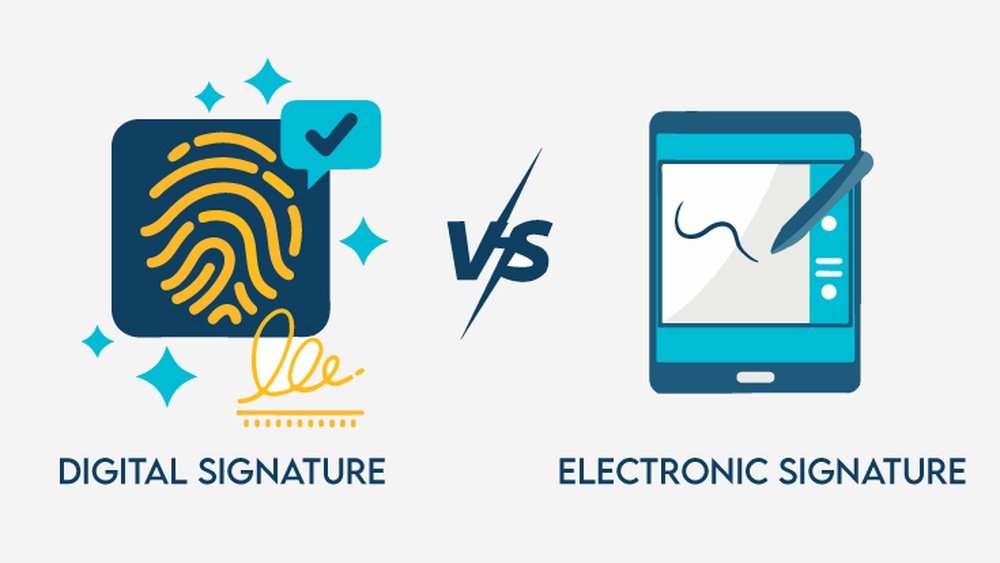
Are you confused about the difference between a digital signature and an electronic signature? You’re not alone.
Both terms sound similar and are often used interchangeably, but they aren’t exactly the same. Understanding these differences can save you time, protect your documents, and keep your business secure. You’ll discover what sets digital and electronic signatures apart, how each works, and which one fits your needs best.
Keep reading to make confident decisions the next time you sign anything online.
Credit: www.formstack.com
Basics Of Digital And Electronic Signatures
Digital and electronic signatures help prove who signed a document. Both make it easy to sign papers online. They save time and reduce the need for paper. Understanding the basics helps you know which one fits your needs.
Each type of signature has a unique way of working. Knowing their differences is important for business and legal use. This section explains what digital and electronic signatures are and where they are used.
What Is A Digital Signature?
A digital signature uses special codes to secure a document. It links the signer’s identity to the document. It works with encryption technology to prevent changes after signing.
Digital signatures require a digital certificate from a trusted authority. This certificate confirms the signer is who they say they are. The signature also shows if the document was altered.
What Is An Electronic Signature?
An electronic signature is any electronic mark showing agreement. It can be a typed name, a scanned image, or a click on a button. It is simpler and less strict than a digital signature.
Electronic signatures are easy to use and often accepted for many agreements. They prove the signer agreed to the terms but may not offer strong security.
Common Uses In Business And Legal Contexts
Businesses use digital signatures for contracts, tax forms, and official documents. They provide strong proof and help meet legal rules.
Electronic signatures are common in sales agreements, approvals, and everyday documents. They speed up processes but may need extra checks for security.
Both types help companies reduce paper use and speed up workflows. Choosing the right one depends on the document’s importance and legal needs.

Credit: www.dottedsign.com
Technology Behind Each Signature
The technology behind digital and electronic signatures varies greatly. Each uses different methods to confirm identity and secure documents. Knowing how each works helps you choose the right option for your needs.
Encryption And Certificates In Digital Signatures
Digital signatures use encryption to secure data. This means they convert information into a code that only the recipient can decode. Certificates from trusted authorities verify the signer’s identity. These certificates link the signer to a public key. The public key and private key work together to create a unique digital signature. This process ensures the document is not altered after signing.
Methods Used For Electronic Signatures
Electronic signatures are simpler and more flexible. They include scanned images of a handwritten signature or typed names. Some use a finger or stylus on a touchscreen. Others may use a click or tap to agree to terms. They do not always require encryption or certificates. Electronic signatures focus on user intent rather than complex security measures.
Security Features Compared
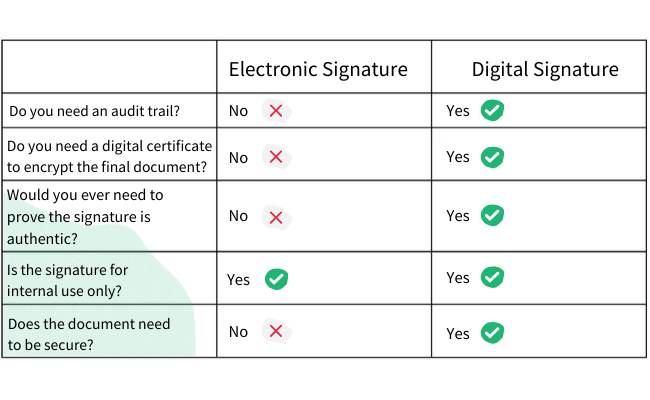
Digital signatures offer strong security through encryption and certificates. They provide proof of identity and document integrity. Electronic signatures rely more on legal acceptance and audit trails. They can be less secure if not properly managed. Digital signatures are best for sensitive or official documents. Electronic signatures suit everyday agreements and less critical uses.
Legal Status And Compliance
Understanding the legal status and compliance of digital and electronic signatures is essential. It helps businesses and individuals know which type of signature to use for official documents. Legal rules make sure these signatures are safe and trustworthy.
Each type of signature follows different laws and regulations. These rules protect the rights of all parties involved. Knowing these differences avoids problems and keeps agreements valid.
Regulations Governing Digital Signatures
Digital signatures follow strict rules set by governments. These rules require strong security measures. They use encryption to verify the signer’s identity. The laws also demand a clear audit trail of the signing process. This makes digital signatures highly reliable and secure.
Legal Acceptance Of Electronic Signatures
Electronic signatures have broad legal acceptance. Many countries accept them for most contracts and agreements. They do not always require the same security level as digital signatures. Still, they must show intent to sign and consent. This makes electronic signatures flexible and easy to use.
Global Variations In Law
Different countries have their own laws about signatures. Some require digital signatures for specific documents. Others accept electronic signatures for most purposes. Businesses must check local laws before using any signature type. This helps avoid legal risks and ensures compliance worldwide.
Advantages And Limitations
Digital signatures and electronic signatures offer different benefits and limits. Understanding these helps to choose the right solution for your needs. Each has unique strengths and some challenges to keep in mind. This section breaks down their main advantages and limitations.
Strengths Of Digital Signatures
Digital signatures provide strong security for documents. They use encryption to verify the signer’s identity. This makes it very hard to forge or alter documents. Digital signatures also ensure data integrity, confirming the document hasn’t changed. They meet strict legal standards in many countries. This helps businesses comply with regulations and avoid disputes.
Benefits Of Electronic Signatures
Electronic signatures are easy and fast to use. They let people sign documents from any device or location. This speeds up business processes and saves time. Electronic signatures work well for simple agreements and approvals. They reduce paper use and printing costs. Many platforms offer user-friendly interfaces for a smooth signing experience.
Potential Drawbacks To Consider
Digital signatures require special software and technical knowledge. Setting up can be costly and complex for small businesses. They may not be accepted everywhere, depending on local laws. Electronic signatures can be less secure if not properly managed. Some types of documents may need stronger verification methods. Always check legal requirements before choosing a signature method.
Choosing The Right Signature Type
Choosing the right signature type depends on your business needs and legal rules. Digital signatures and electronic signatures serve different purposes. Knowing their differences helps you pick the best option. This choice affects security, costs, and user ease.
Industry-specific Requirements
Some industries require digital signatures for stronger security. Healthcare and finance often need high trust and data protection. Other sectors accept simpler electronic signatures for routine tasks. Check your industry rules before selecting a signature type.
Cost And Implementation Factors
Electronic signatures usually cost less and are easier to install. Digital signatures need special software and certificates, raising costs. Consider your budget and tech skills. Choose a signature type that fits your resources and timeline.
User Experience And Accessibility
Electronic signatures are simple and quick for users. They work on many devices without special tools. Digital signatures may need extra steps and software. Think about who will sign documents and how often. Pick the option that makes signing easy and fast.
Future Trends In Signature Technology
Signature technology continues to evolve rapidly. Both digital and electronic signatures are becoming more secure and easier to use. Future trends will change how people sign documents and verify identity. These trends focus on new technology and legal updates.
Emerging Innovations
New tools are making signing faster and safer. Biometric signatures using fingerprints or facial recognition are gaining popularity. Mobile signing apps are improving user experience. They allow signing anytime and anywhere. Cloud-based solutions help store and manage signed documents securely.
Impact Of Blockchain And Ai
Blockchain adds trust by creating tamper-proof records of signatures. It ensures data integrity and transparency. Artificial intelligence helps detect fraud and verify signer identity automatically. AI can also speed up the review of signed documents. Together, these technologies build confidence in digital transactions.
Predicted Changes In Legal Frameworks
Governments are updating laws to support digital and electronic signatures. New rules aim to balance security and ease of use. International standards may become more aligned to allow cross-border signing. Clearer regulations will help businesses adopt signature technology with confidence. Legal acceptance will grow as technology improves.

Credit: acrobatforeducation.com
Frequently Asked Questions
What Is The Main Difference Between Digital And Electronic Signatures?
A digital signature uses encryption to secure the signature. An electronic signature is any electronic symbol or process showing intent.
Are Digital Signatures Legally Valid Like Electronic Signatures?
Both digital and electronic signatures are legally valid in most countries. Digital signatures often offer stronger security and verification.
Can Digital Signatures Be Forged More Easily Than Electronic Ones?
Digital signatures are harder to forge due to encryption technology. Electronic signatures can be simpler but less secure.
Which Signature Type Is Best For Business Documents?
Digital signatures suit high-security needs like contracts and legal papers. Electronic signatures work well for simple approvals and forms.
How Do Digital Signatures Ensure Document Integrity?
Digital signatures use cryptographic techniques that link the signature to the document. Any changes after signing invalidate the signature immediately.
Conclusion
Digital signatures and electronic signatures both help sign documents online. Digital signatures offer more security and verify identity clearly. Electronic signatures are easier to use and faster for simple tasks. Choose the one that fits your needs best. Both save time and reduce paper use.
Understanding their differences keeps your documents safe and valid. Use the right signature for the right job. Keep your business smooth and secure with smart signing choices.