
When it comes to bringing your designs to life on t-shirts, posters, or any other material, you might wonder which printing method works best for you. Should you choose digital print or silkscreen?
Both have their strengths, but picking the right one can make a huge difference in quality, cost, and how long your print lasts. If you want to make sure your vision looks perfect and fits your budget, keep reading—because understanding the key differences between digital print and silkscreen will help you make the smartest choice for your project.
Digital Print Basics
Digital printing is a modern method used to create images and designs on various materials. It uses digital files instead of traditional printing plates. This allows for faster setup and more flexibility in printing different designs.
Understanding the basics of digital printing helps in choosing the right method for your project. It is important to know how it works, where it is used, and what benefits it offers.
How Digital Printing Works
Digital printing sends a digital image directly to the printer. The printer applies ink or toner to the material based on the digital file. This process skips the need for printing plates.
The printer uses tiny droplets of ink to form detailed images. It can print on paper, fabric, plastic, and other surfaces. The technology allows for full-color prints with sharp details.
Common Uses And Applications
Digital printing is popular for short runs and custom jobs. It is often used for posters, brochures, and business cards. Personalized items like T-shirts and mugs are also common.
This method suits on-demand printing. It works well for small batches and unique designs. Many businesses use digital printing for marketing materials and product packaging.
Advantages Of Digital Printing
Digital printing offers fast turnaround times. It requires less setup and lower costs for small orders. This makes it ideal for quick projects.
The process allows easy changes and updates to designs. Each print can be different without extra cost. The colors are bright and precise, enhancing the final product.

Credit: gographicsoutput.com
Silkscreen Printing Essentials
Silkscreen printing is a classic and popular method for creating bold, lasting designs. This technique uses a stencil and mesh screen to apply ink onto various materials. It is known for its durability and vibrant color output. Many people choose silkscreen printing for its quality and versatility.
Understanding the basics helps to see why silkscreen remains a favorite among artists and businesses. Here are the essentials you should know about this printing style.
Silkscreen Process Explained
The process starts by making a stencil of the design. This stencil blocks certain areas of a fine mesh screen. Ink is then pushed through the open parts of the screen using a squeegee. The ink passes only where the stencil allows it. This method creates sharp and clear prints on the chosen surface.
Each color requires a separate screen and pass. This makes multicolor designs possible but needs more time and skill.
Popular Uses Of Silkscreen
Silkscreen printing is common for t-shirts, posters, and signs. It works well on fabrics, paper, wood, and plastic. Many businesses use it for branding on bags, hats, and uniforms. Artists prefer it for prints and artwork because of the rich colors it produces.
This method fits both small projects and large runs, making it very flexible.
Benefits Of Silkscreen Printing
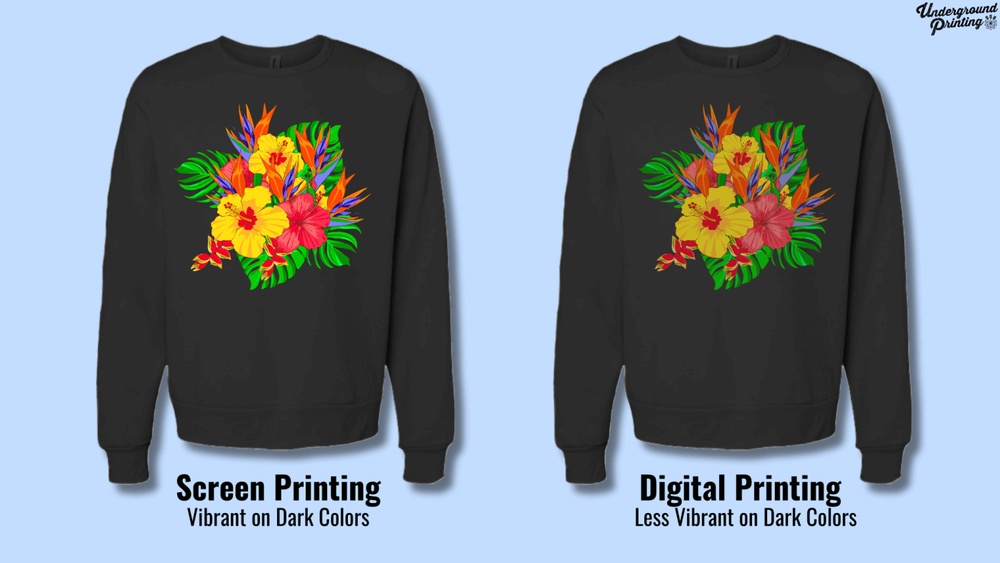
Silkscreen prints are long-lasting and resist fading. The ink sits on the surface, creating a vibrant look. This technique handles thick ink layers, perfect for bright and bold colors. It also offers great color matching and consistency across prints.
The cost per print decreases with larger orders. This makes silkscreen printing cost-effective for big batches. It is a trusted choice for quality and durability in printing.
Cost Comparison
Understanding the cost difference between digital print and silkscreen is key for many projects. Cost affects the choice of method for printing on fabrics or other materials. Both methods have unique cost structures. These costs vary greatly depending on the project size and complexity.
Below, explore how setup and production costs compare. Also, learn which method is more cost-efficient for different order sizes.
Setup And Production Costs
Silkscreen printing requires creating screens for each color. This setup process takes time and adds to the initial cost. Setting up screens can be expensive for small orders. Digital printing skips this step, so setup costs are much lower. It prints designs directly onto the material. Production costs for silkscreen drop with larger runs. Digital print costs stay steady, regardless of quantity. Choosing between them depends on how many items you need.
Cost Efficiency For Different Quantities
For small orders, digital printing is usually cheaper. It charges a flat rate without extra setup fees. Silkscreen printing becomes cheaper as order size grows. Bulk orders spread the setup cost across many pieces. This reduces the price per item. Large orders benefit from silkscreen’s lower cost per print. Small orders gain from digital print’s low setup cost. The choice depends on the number of prints needed.

Credit: chromaline.com
Quality And Durability
Quality and durability play a big role in choosing between digital print and silkscreen. Both methods offer unique strengths that affect the final product’s look and how long it lasts. Understanding these differences helps in picking the right print style for your needs.
Color Vibrancy And Detail
Digital printing produces bright and sharp colors with smooth gradients. It excels at printing detailed images and complex designs. Silkscreen printing uses thick ink layers, which create bold and rich colors. It may not capture tiny details as well as digital prints. Each method gives a different color feel and texture.
Longevity And Wear Resistance
Silkscreen prints are known for their strength and long life. The ink bonds deeply with the fabric, resisting cracks and fading. Digital prints sit on the surface and can fade faster with washing. Silkscreen works better for heavy use and outdoor wear. Digital prints suit short runs or designs with many colors.
Customization And Flexibility
Customization and flexibility are key factors in choosing between digital print and silkscreen methods. These aspects affect the final look of your design and how easily you can change it. Both printing techniques offer unique strengths in adapting to different project needs.
Design Complexity
Digital printing handles complex designs with ease. It prints detailed images and gradients without losing clarity. Fine lines and intricate patterns appear sharp and clear. Silkscreen printing works best with simpler designs. It uses layers of ink, so detailed designs may blur or require more effort.
Digital print allows quick changes to the design. You can print small batches with different variations. Silkscreen needs separate screens for each color and design. This makes it less flexible for frequent design updates.
Color Options And Effects
Digital printing offers a wide range of colors. It uses advanced technology to blend many shades smoothly. Effects like photo-quality images and color gradients are easy to achieve. Silkscreen printing uses solid colors, applied one at a time. This method limits color blending and shading effects.
Silkscreen ink can create special effects like metallic or glow-in-the-dark colors. Digital printing is improving but may not match these specialty effects fully. Each method provides unique color strengths depending on your project’s needs.

Credit: theoddfactory.com
Turnaround Time And Volume
Turnaround time and volume are key factors in choosing between digital print and silkscreen. These affect how fast your order is ready and how many items can be printed efficiently. Knowing the strengths of each method helps to pick the right one for your needs.
Speed Of Production
Digital printing is fast for small jobs. It prints directly from the computer to the material. No setup is needed, so you get quick results. This makes digital print ideal for urgent or low-volume orders.
Silkscreen printing takes longer at first. It needs screens and stencils to be made. This setup can take hours or days. After setup, printing speeds up and runs smoothly for many copies.
Handling Large Orders
Silkscreen shines with large orders. Once screens are ready, printing many items is fast and cost-effective. The cost per item goes down as volume increases.
Digital print costs stay the same per item. Large orders take longer because each piece prints individually. It is less efficient for very large runs.
Environmental Impact
The environmental impact of printing methods matters a lot today. People want choices that help the planet. Digital print and silkscreen are popular options. Each affects the environment in different ways. Understanding these effects helps make better decisions.
Both methods use materials and energy. But their waste and resource use vary a lot. This section explores these differences clearly.
Eco-friendliness Of Each Method
Digital printing uses less ink than silkscreen. It applies ink only where needed. This lowers chemical use and pollution risks. It also needs less water and energy overall. Digital print often uses water-based inks that are safer for the environment.
Silkscreen printing uses more ink and chemicals. It requires cleaning screens with solvents. These chemicals can harm water and soil if not handled well. Silkscreen inks may contain plastics or heavy metals. That can make disposal harder and less eco-friendly.
Waste And Resource Usage
Digital printing produces less waste. It does not need screens or stencils. This means fewer materials get thrown away. Errors can be fixed quickly without wasting much ink or fabric.
Silkscreen creates more waste from screens and leftover ink. Screens are often single-use or require special disposal. Ink leftovers must be cleaned carefully to avoid pollution. Making multiple screens for colors adds to waste and resource use.
Energy use is higher in silkscreen because of setup and cleaning. Digital printing uses electricity mainly during printing. This usually means lower energy consumption.
Choosing Based On Project Type
Choosing the right printing method depends on the project type. Different projects need different approaches. The decision affects cost, quality, and time. Understanding the best fit helps avoid extra expenses. Here are key points to consider for your project.
Small Runs And Prototypes
Digital printing suits small runs and prototypes well. It requires less setup and prints quickly. No screens or plates are needed. This reduces the initial cost. Designs can be changed easily between prints. It works best for testing new ideas. Short deadlines fit digital printing perfectly.
Bulk Orders And Merchandise
Silkscreen printing excels in bulk orders and merchandise. The setup takes more time but lowers cost per item. It produces vibrant colors that last long. Ideal for large batches with the same design. This method handles simple and bold designs best. It offers durability for everyday use items.
Frequently Asked Questions
What Is The Main Difference Between Digital Print And Silkscreen?
Digital print uses a printer to apply ink directly, while silkscreen presses ink through a stencil. Digital print is faster and good for small runs. Silkscreen is best for large orders with simple designs.
Which Printing Method Is Better For Small Orders?
Digital printing is better for small orders because it requires less setup. It can print full-color images quickly and cheaply. Silkscreen is less cost-effective for small batches due to setup time.
How Does Color Quality Compare In Digital Print Vs Silkscreen?
Digital printing can produce many colors and gradients easily. Silkscreen uses solid ink layers, so colors are bold but limited in shades. Digital print offers more color detail.
Is Silkscreen Printing More Durable Than Digital Printing?
Silkscreen printing tends to be more durable, especially on fabrics. The ink layers are thicker and last longer after washing. Digital prints may fade faster with frequent use.
Which Printing Method Is More Eco-friendly?
Digital printing uses less water and produces less waste than silkscreen. Silkscreen involves more chemicals and cleaning processes. Digital print is generally considered the greener option.
Conclusion
Choosing between digital print and silkscreen depends on your needs. Digital printing suits small runs and detailed images well. Silkscreen works best for large orders and simple designs. Each method has its strengths and costs. Think about your budget, design complexity, and order size.
This helps you pick the right printing style. Both options offer good quality for different uses. Your choice will affect the final look and feel of your print. Make a clear decision based on what matters most to you.