

A cat might have a body odor that reminds you of fish because of poor dental health, a skin infection, or the natural expression of its anal glands. If your cat smells like fish, it’s usually a sign that it needs a checkup to address an underlying hygiene or medical issue. Most of the time, this scent comes from the buildup of bacteria in the mouth or a blockage in the scent glands.
Why your cat smells like fish

This table shows the primary reasons why a pet might develop a sharp, fishy smell. If you notice these symptoms, observe your pet’s behavior to see if they’re in pain or acting differently.
| Cause | Where it comes from | What to look for |
|---|---|---|
| Dental disease | The cat’s mouth | Red gums or drooling |
| Anal gland issue | Near the tail | Scooting on the floor |
| Skin fold infection | Folds of skin | Redness or hair loss |
| Urinary infection | The genital area | Straining to use litter |
| Dietary intake | The cat’s breath | Strong fish-based food |
Dental disease and bad breath
A cat with persistent fishy breath often suffers from periodontal disease or gingivitis. When plaque builds up on the teeth, it creates a home for bacteria that produce foul-smelling sulfur compounds. This condition is common in older cats and can lead to tooth loss if the gums become severely inflamed.
- Look for bright red or bleeding gums along the tooth line.
- Watch for difficulty chewing or dropping food while eating.
- Check for excessive drooling that leaves wet patches on the fur.
- Notice if the cat avoids grooming because its mouth is painful.
If you see these signs, schedule a visit with your veterinarian for a professional cleaning. A vet can determine if a tooth extraction is necessary to stop the infection. At home, you can try brushing with cat-specific toothpaste, but never use human products as they often contain ingredients that are toxic to felines.
Anal gland impaction
The anal glands are two small sacs located on either side of the rectum that normally empty during a bowel movement. If these sacs don’t empty, the fluid can become thick and cause a very strong, fishy odor. This is a common issue for cats that have weak muscle tone or chronic digestive problems.
- Observe if the cat drags its bottom across the carpet to relieve pressure.
- Check for swelling or redness on either side of the anal opening.
- Look for signs of discomfort when the cat sits down or moves.
- Notice if there’s any discharge that leaves a stain on furniture or bedding.
If the cat seems to be in pain, don’t attempt to squeeze the glands yourself. An improper attempt can cause a rupture or severe infection. A professional must handle this, as improper pressure can damage the delicate tissues.
Skin fold infections
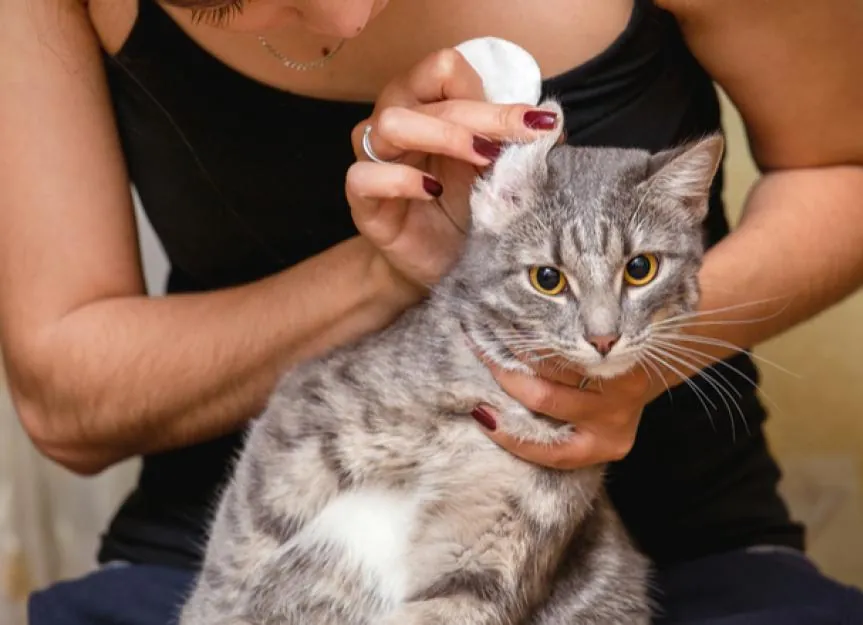
Cats with extra skin folds, such as Persians or overweight cats, can trap moisture and bacteria. This trapped sweat and debris often develop a pungent, fish-like smell as bacteria or yeast colonies grow in the warm, damp environment. This isn’t just a hygiene issue, as the skin can become raw and infected.
- Check the areas around the face, neck, or tail for trapped debris.
- Look for crusty or moist patches of skin hidden by the fur.
- Watch if the cat scratches those specific areas more than usual.
- Note if the smell persists even after the cat grooms itself.
If the skin is red or shows signs of pus, it requires medical treatment rather than just a bath. A veterinarian may prescribe medicated wipes or ointments to clear the infection. You should keep these areas clean and dry to prevent future outbreaks, especially if your cat has a body shape that makes grooming difficult.
Urinary tract issues
Sometimes the smell of fish originates from the genital area due to a urinary tract infection or feline lower urinary tract disease. According to the Cornell University College of Veterinary Medicine, changes in urination patterns are a serious indicator of pain or blockage. If the odor is accompanied by frequent trips to the litter box, you must act quickly.
- Watch for signs of straining while the cat attempts to urinate.
- Check the litter box for blood or very small, frequent clumps.
- Notice if the cat cries out while using the box.
- Observe if the cat begins urinating outside of the litter box entirely.
These signs are a medical emergency if the cat is unable to pass urine. A complete blockage can become life-threatening within 24 hours. If your cat shows any signs of difficulty urinating, call your vet immediately.
Other potential sources
- Dietary habits: Some fish-based wet foods have a very strong scent that lingers on a cat’s breath for hours after a meal.
- Environmental contamination: If a cat rolls in something outside or gets into a cleaning product, the smell can cling to its coat and mimic biological odors.
- Kidney health: In some cases, metabolic waste buildup in the blood can cause a chemical-like breath odor that some owners mistake for fish.
How to decide on a course of action

To decide which issue you’re facing, look at where the smell is strongest. If the scent is only near the face, check the teeth and gums first. If the smell is localized near the tail or on the floor where the cat sits, the anal glands are the likely culprit. If the odor is coming from the genital area or is tied to litter box habits, assume a urinary infection and seek care.
If the cat is eating well, acting normally, and has no visible redness or swelling, you can monitor the situation for 48 hours. However, if the cat is lethargic, hiding, or showing signs of pain, you should skip the monitoring and go straight to the clinic. These issues rarely resolve on their own and usually require medical intervention to stop the cycle of infection or discomfort.
Related guides
Frequently asked questions
Can I use baby wipes to clean the fishy smell off my cat?
You can use unscented, alcohol-free pet wipes to clean the surface of the fur. Never use human baby wipes, as they may contain chemicals that are toxic if the cat grooms them off. If the smell is coming from an infected area, wiping will only mask the scent and not treat the medical cause.
Is it normal for a cat to have fishy breath after eating?
It’s normal for breath to smell like the food they just consumed for about 30 to 60 minutes. If the fishy smell stays for many hours or happens when the cat hasn’t eaten fish, it suggests an accumulation of plaque or an infection in the mouth.
Why does my cat scoot on the floor?
Scooting is a sign of irritation in the anal region, often caused by full or impacted anal glands. While it can also be a sign of parasites, the fishy odor strongly points toward the glands. You should have a vet check the glands to prevent an abscess from forming.
How do I know if the smell is a urinary infection?
The smell of a urinary infection is often accompanied by behavioral changes like urinating outside the box or straining. If you notice these symptoms, the smell is likely coming from the urine itself or the genital area. This is a medical emergency that needs professional diagnosis and treatment.
Does a bath get rid of the fishy smell?
A bath will temporarily remove the smell if it’s on the outer coat, but it won’t fix the source. If the smell is from glands or dental disease, the odor will return within a few hours or days. Bathing a stressed cat can also make a medical issue harder to manage.
Can diet changes stop the fishy smell?
If the smell is purely from the food, switching to a poultry or beef-based diet will stop the breath odor within 24 hours. If the smell persists after changing the diet, the cause is almost certainly an infection or a hygiene issue that requires a vet’s help.
Conclusion
Start by checking your cat’s mouth and rear for any obvious signs of redness, swelling, or discharge. If you see these symptoms, call your veterinarian to book an exam. If the cat seems lethargic, refuses to eat, or can’t pass urine, you must go to an emergency clinic immediately to prevent a serious health crisis.