

Daily scooping and a full change of substrate every 2–4 weeks are the most effective ways to manage cat litter box smells in your home. These odors typically come from ammonia buildup in urine or bacteria growth in the litter, which creates an unpleasant environment for both you and your pet. Keeping the box clean prevents these waste products from lingering and turning into persistent household issues.
Supplies to stop litter smells
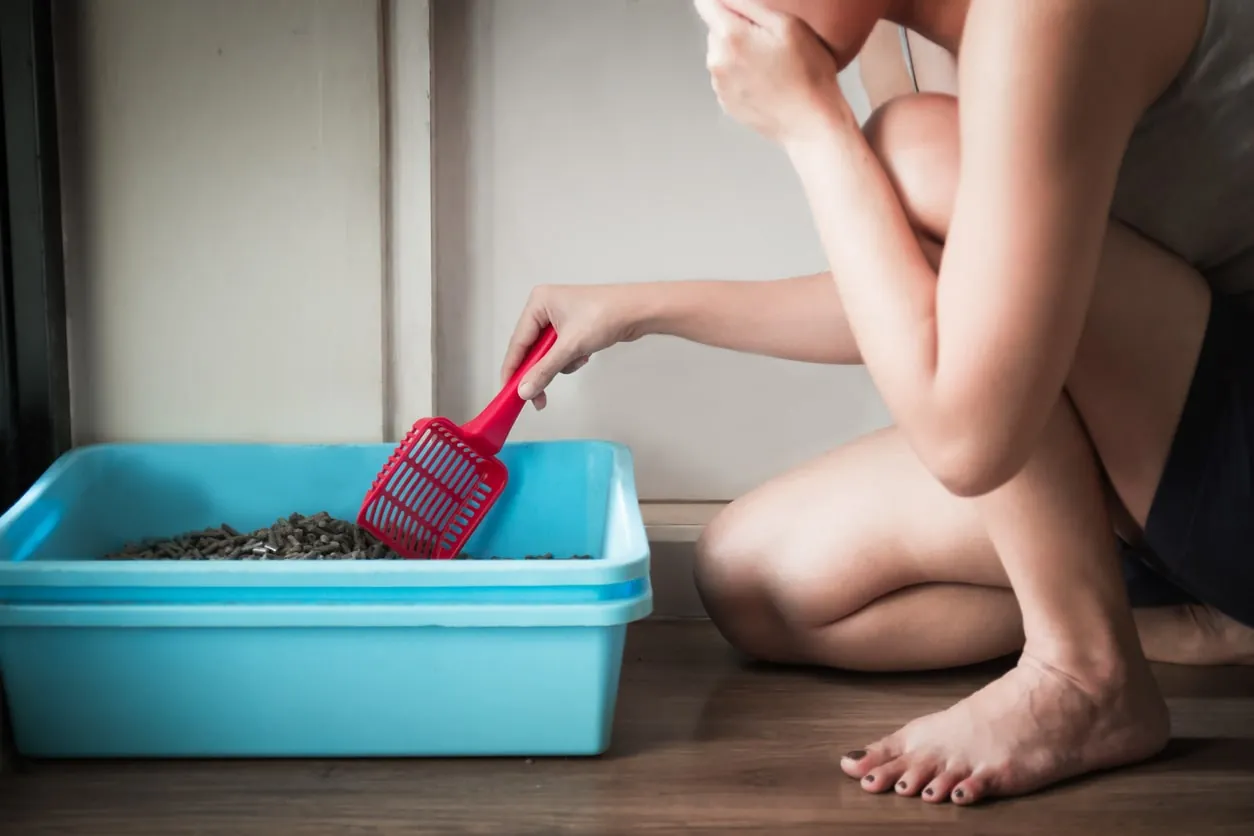
You need a specific set of tools to maintain a sanitary area for your cat. The following items help you manage waste efficiently and keep the surrounding air fresh.
| Item | How much | Why it’s needed | A substitute |
|---|---|---|---|
| Clay litter | 3-4 inches deep | Absorbs moisture quickly | None — don’t swap this |
| Metal scoop | 1 per box | Digs deep for clumps | Plastic scoop |
| Baking soda | 1/4 cup per change | Neutralizes acidic odors | Commercial odor neutralizer |
| Mild soap | 1 tablespoon | Cleans the plastic tray | None — don’t swap this |
| Trash bags | 1 bag per scoop | Contains waste securely | Plastic grocery bags |
Preparing the area for cleaning
Move the box to a well-ventilated space before you begin the deep cleaning process. If you’re working in a basement or windowless bathroom, set up a portable fan pointed toward an open door to pull airborne particles away from your workspace.
Empty the entire contents of the box into a heavy-duty trash bag to avoid dust spread. Don’t shake the bag while dumping, as this releases fine silica or clay dust into your lungs.
Keep air purifiers running to help capture airborne dust generated during the cleaning process.
Cover the floor area with newspaper if you’re working on a surface that stains easily. Use at least two layers to account for accidental spills.
Check the manufacturer’s manual for your specific litter box model. Some plastics degrade if you use harsh chemicals like bleach, leading to microscopic cracks that harbor bacteria. If the manual is missing, stick to mild dish soap; if the plastic feels tacky or shows deep scratches, the material is likely compromised and requires a full replacement rather than a scrub.
Steps for a fresh litter box

- Scoop all solid waste and clumps out of the box using your metal scoop; perform this action at least once every 24 hours to prevent the accumulation of bacteria.
- Pour the remaining litter into a trash bag once the box reaches the 2–4 week mark, which is the standard interval for a full refresh according to Cornell University College of Veterinary Medicine.
- Wash the empty tray with warm water and 1 tablespoon of mild soap to remove any lingering residue or dried waste stuck to the bottom corners.
- Scrub the sides and the base thoroughly for 2 minutes to ensure no biofilm remains, as this layer is a primary source of trapped odors.
- Rinse the tray with clean water until all soap bubbles disappear, then dry the surface completely with paper towels to keep the new litter from clumping prematurely.
- Sprinkle 1/4 cup of baking soda across the bottom of the dry tray to act as a natural buffer against future ammonia buildup.
- Fill the tray with 3–4 inches of fresh clay litter, which provides enough depth for the cat to bury waste properly without touching the bottom.
- Level the litter surface with your scoop so the cat has a flat, inviting area to use immediately after you finish the process.
Checking your cleaning progress
Success is evident when you no longer detect a sharp, pungent ammonia scent when standing near the box. If you still notice a strong smell immediately after cleaning, the plastic tray itself might be scratched. Over time, cats create deep grooves in plastic with their claws, and these tiny crevices trap bacteria that simple washing can’t reach.
If the smell persists despite a thorough scrub, you should replace the entire litter box. If you have multiple cats, you must increase the frequency of your scooping to twice daily, as the higher volume of waste will overwhelm a single-box setup much faster.
Troubleshooting common cat litter box smells
| What happened | Why | What to do |
|---|---|---|
| Strong ammonia smell | Bacteria buildup | Replace all litter |
| Persistent floor odors | Urine tracking | Use a litter mat |
| Damp litter surface | Poor ventilation | Move to open area |
| Dust clouds | Low quality clay | Switch to dust-free |
| Cat avoids box | Over-scented litter | Use unscented options |
If you smell ammonia even after a full cleaning, the plastic basin itself has likely absorbed odors through microscopic scratches. Scrub the empty box with a mixture of baking soda and water rather than harsh bleach, which can react with residual ammonia.
If your cat tracks litter onto the floor, place a high-walled tray or a honeycomb-style mat at the exit. This captures granules before they migrate into carpets.
Avoid the common mistake of placing boxes in cramped, windowless closets. Without airflow, humidity levels rise, preventing the litter from drying out between uses. If the ambient humidity in your home exceeds 50 percent, use a small dehumidifier nearby to keep the litter effective. If you notice a lingering scent after these steps, your cat may be marking outside the box, signaling a medical issue.
How often to refresh the litter
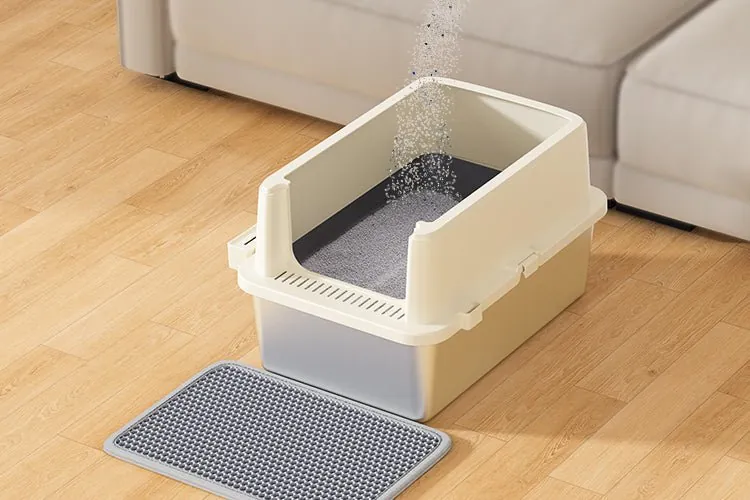
You should perform a complete box refresh every 2–4 weeks to maintain hygiene. Two main factors change this timing: the number of cats using the box and the type of litter you choose. If you have two cats sharing one box, you must perform the full change at the 2-week mark rather than waiting a month.
Additionally, if you use non-clumping litter, you’ll need to change the entire contents more frequently because the liquid waste stays in the box rather than being removed via clumps. Always check the litter manufacturer’s label for specific capacity limits.
Related guides
- How to Seal Burnt Wood: Step-by-Step Guide for a Clean Finish in 2026
- How to Remove JB Weld: Proven Removal and Cleaning Methods in 2026
- How to Use Mineral Spirits on Wood for Cleaning and Prep in 2026
Frequently asked questions
Can I use bleach to clean the box?
You should avoid using bleach, as the strong chemical scent may discourage your cat from using the box. Use mild dish soap and warm water instead, which is safe for the plastic and keeps the environment neutral for your pet.
How deep should the litter be?
You need 3–4 inches of litter to allow for proper clumping and odor absorption. If the litter is too shallow, the urine reaches the bottom of the tray, where it creates a sticky mess that’s difficult to clean and holds onto odors.
Why does the box smell even after cleaning?
The smell often stays because the plastic tray has deep scratches from your cat’s claws. These scratches house bacteria that standard cleaning can’t remove, so replacing the tray is the only way to eliminate the trapped odor once the plastic is compromised.
Is it safe to use scented litter?
You should stick to unscented litter because cats have a very sensitive sense of smell that makes artificial fragrances overwhelming. A scented product might cause your cat to avoid the box entirely, leading to accidents elsewhere in your home.
How long does a bag of litter last?
A standard 20-pound bag typically lasts 3–4 weeks for one cat if you scoop daily. This duration varies based on your cat’s size and how much water they drink, as higher intake leads to larger clumps that you must remove more often.
What happens if I don’t scoop daily?
You’ll notice a sharp increase in ammonia levels within 48 hours if you skip daily scooping. This buildup isn’t only unpleasant for you but can also lead to your cat refusing to use the box due to the unsanitary conditions.
Conclusion
If the scent still lingers after a deep scrub, try placing a small bowl of baking soda nearby to neutralize the air. It’s a simple, inexpensive trick that’ll keep your home feeling fresh. Don’t hesitate to consult your vet if you notice any sudden, unusually strong odors, as that could signal health concerns.