

Dealing with a vehicle that has developed a foul odor is frustrating, especially when you discover that your car smells musty after a rainy day or during humid summer months. This unpleasant scent often indicates that moisture has become trapped somewhere inside the cabin or the ventilation system, creating a breeding ground for mold and mildew. While minor cases might be resolved with basic cleaning, persistent odors may require deeper mechanical intervention. Addressing these smells promptly is essential, as prolonged exposure to fungal spores can impact air quality and your overall driving experience.
Key Takeaways
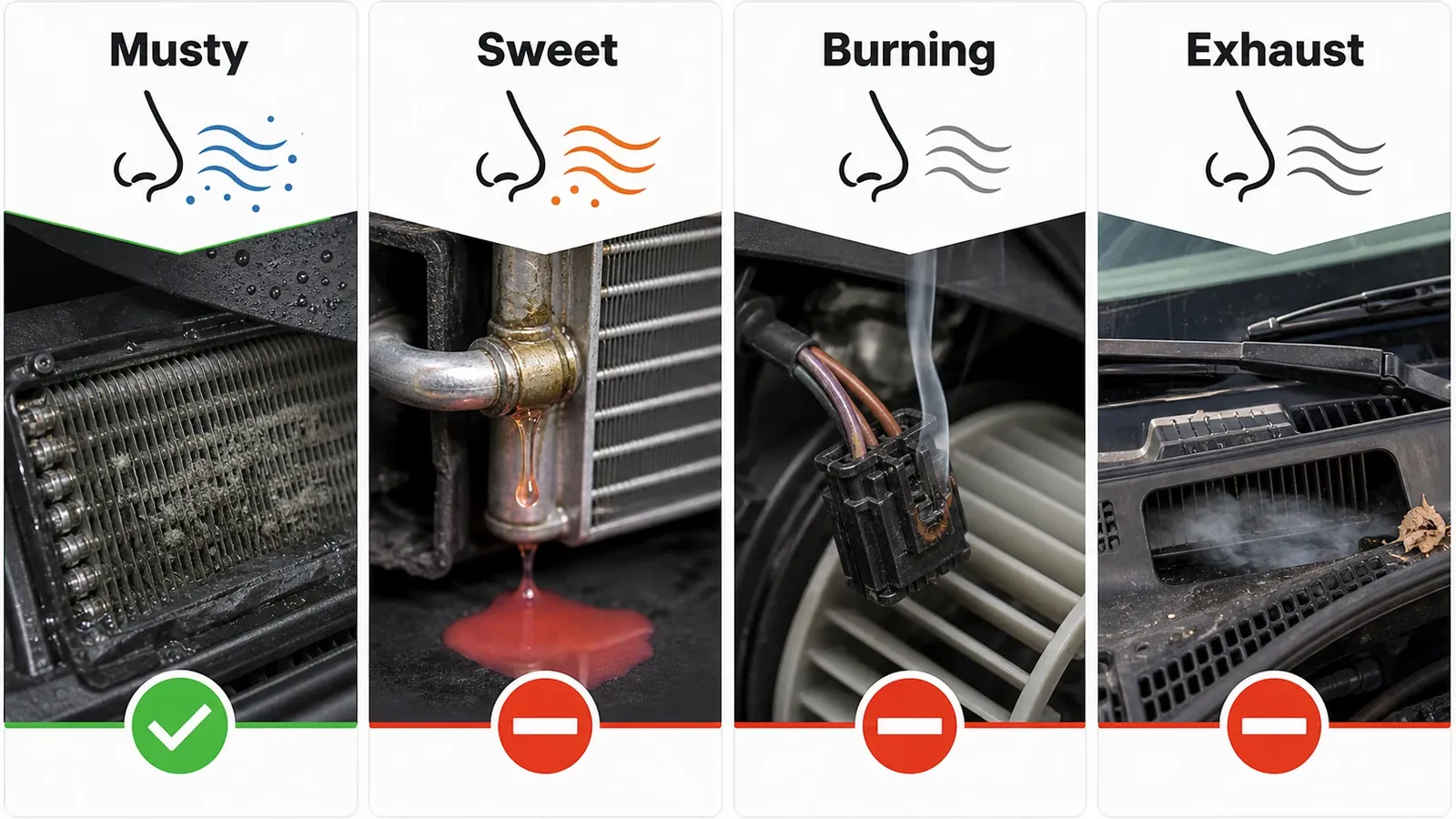
- Check for standing water under floor mats and in the trunk area.
- Replace the cabin air filter if it appears dirty, wet, or clogged.
- Clear out debris like leaves from the cowl intake near the windshield.
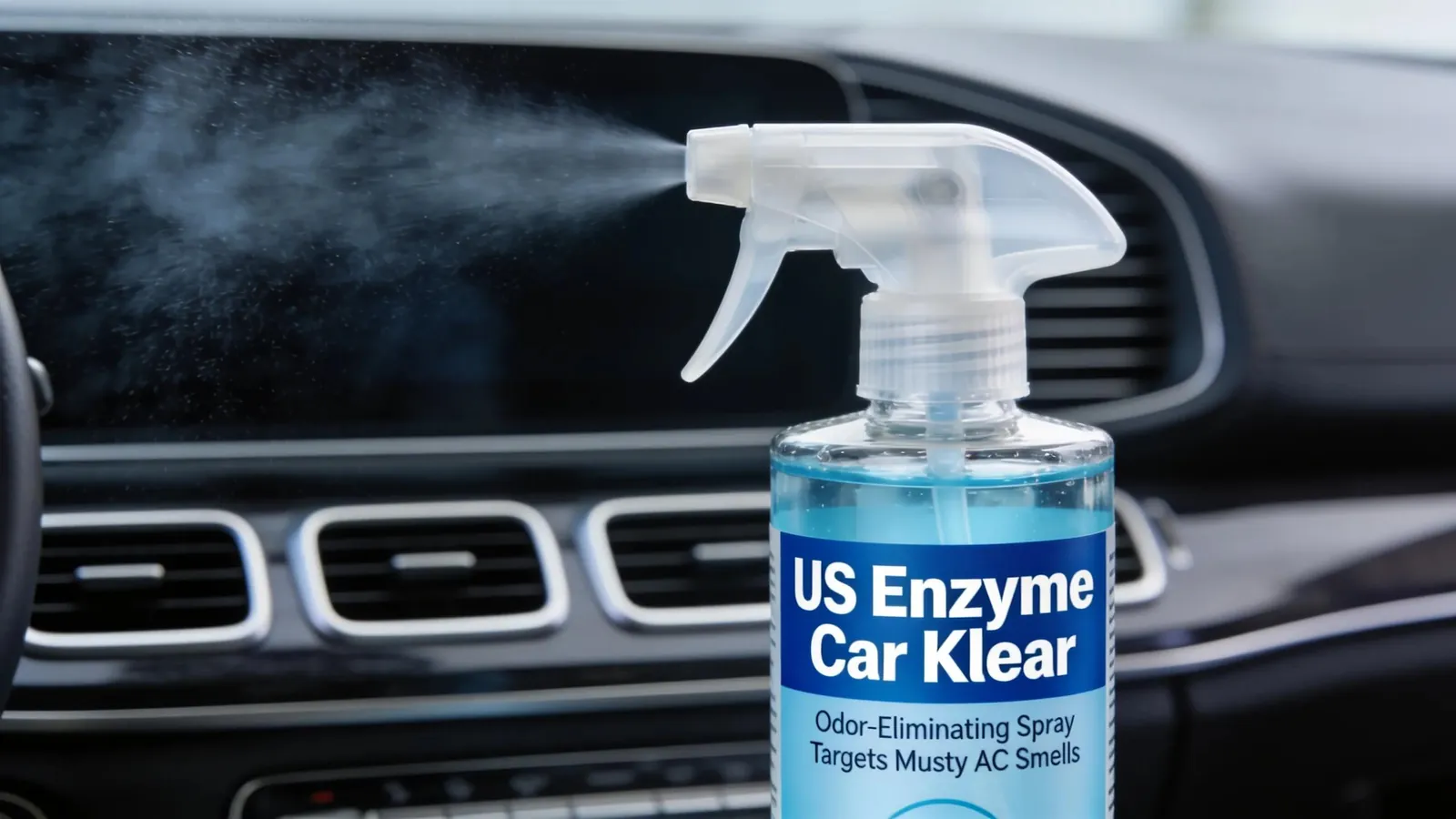
- Use an enzymatic cleaner to neutralize odors rather than just masking them.
- Run the air conditioning on high heat to dry out the evaporator.
Causes of Why Your Car Smells Musty
The primary culprit is often the HVAC system, where moisture accumulates on the evaporator core. When you turn off your car, the remaining condensation stays trapped in the dark, damp housing, allowing mold to thrive.
Another frequent source is a blocked drain tube, which is designed to let water escape from the evaporator housing; when this tube gets clogged with dirt or debris, water backs up and spills into the passenger footwell. Additionally, water leaks through worn-out door seals or sunroof gaskets can soak into the carpet padding, leading to a persistent, damp stench that’s difficult to remove without professional extraction.
| Potential Source | Primary Cause | Typical Solution |
|---|---|---|
| Cabin Air Filter | Trapped moisture/debris | Replace filter |
| AC Evaporator | Condensation buildup | Use AC cleaner |
| Floor Carpets | Water intrusion/leaks | Extract and dry |
| Trunk Well | Spare tire area leak | Seal trunk gasket |
| Cowl Vents | Decomposing organic matter | Clear out debris |
Inspecting the Cabin Air Filter
The cabin air filter is your first line of defense, and it’s usually located behind the glove box. If this filter becomes saturated with moisture or blocked by decaying leaves, it will produce a stale, swampy smell every time you turn on the fan.
To inspect it, remove the glove box—most models require you to release a tension arm or push in the sides—and pull the filter tray out. If you notice dark spots, visible mold, or a damp texture, discard it immediately. Replace it with a high-quality HEPA-grade filter that includes activated charcoal to help absorb lingering odors.
Clearing the AC Evaporator Core
If the smell persists after changing the filter, the evaporator core likely needs a deep clean. This component is essentially a heat exchanger that stays cold, making it a hotspot for bacterial growth.
You can purchase specialized foaming evaporator cleaners that are injected directly into the vents or the drain tube. These cleaners break down biological contaminants and wash them away through the vehicle’s drain system. Always follow the manufacturer’s instructions carefully, as improper application can potentially damage sensitive electronic components located near the blower motor or the central dashboard console.
How to Check Drain Tubes
A clogged drain tube is a common structural failure. When these tubes become obstructed by road grime, mud, or insect nests, water has nowhere to go but inside the cabin. To verify if your drains are working, look under the vehicle while the air conditioning has been running; you should see a steady drip of water.
If the ground is bone dry despite the AC running, your drain is likely blocked. You can often clear these by using a piece of flexible plastic tubing or compressed air to gently dislodge the blockage from the underside of the car.
Managing Carpet and Upholstery
If the smell is coming from the floor, you must tackle the moisture trapped in the padding underneath the carpet. Surface cleaning is rarely enough because the foam backing acts like a sponge. Use a wet-dry vacuum to pull as much moisture out as possible.
If the carpet feels heavy or squishy, you may need to lift the edge of the trim and prop up the carpet to allow the padding to air dry. For persistent biological odors, apply an enzymatic deodorizer that specifically targets mold spores, as these products consume the organic matter causing the smell rather than simply covering it up with synthetic fragrances.
Cleaning the Cowl Vents
The cowl area is the space between your windshield and the hood where the ventilation system draws in fresh air. It’s a magnet for leaves, twigs, and pine needles. As these organic materials decompose, they turn into a damp, acidic sludge that emits a powerful musty odor. Periodically clear this area by hand or with a vacuum attachment.
Is Your Trunk Leaking?
Many drivers overlook the trunk, but it’s a common site for hidden water intrusion. Check the spare tire well, as water often pools here undetected until it begins to smell. Inspect the rubber weather stripping around the trunk lid for cracks or gaps where water might be seeping in during heavy rain.
If you find water in the trunk, dry the area thoroughly and consider applying a silicone-based sealant to any compromised weatherstripping. Removing the spare tire and cleaning the metal surface underneath can also help you identify if rust is developing due to long-term exposure to moisture.
Maintenance Schedule for Fresh Air
Preventing odors is far easier than removing them. By following a consistent maintenance schedule, you can keep your vehicle smelling fresh year-round. Use the following guide to stay ahead of potential issues:
| Task | Frequency | Action Required |
|---|---|---|
| Cabin Air Filter | Every 10k-15k miles | Replace with charcoal filter |
| Cowl/Windshield Vents | Every 6 months | Clear leaves and debris |
| AC Evaporator | Once per year | Apply foaming cleaner |
| Floor Carpets | Every 3 months | Vacuum and inspect for dampness |
Proactive Odor Prevention Tactics
Warning: Never use harsh chemicals like bleach inside your vehicle, as they can ruin fabrics and cause respiratory irritation. Pro Tip: Keep your car parked in a garage during heavy rain if you suspect a leak, and leave the windows cracked slightly if the vehicle will be sitting for an extended period in high humidity.
Using a dehumidifier bag filled with silica gel or activated charcoal can also help manage moisture levels during the winter months when you’re less likely to run the air conditioner, which naturally acts as a dehumidifier for the cabin air.
Related guides
- Dog Smells Like Fish From Back End: Causes and Solutions
- How to Dry Out Sawdust: Simple Methods for Moisture Removal in 2026
Frequently Asked Questions
Can I just use an air freshener?
Air fresheners only mask the smell and don’t address the underlying mold or moisture issues. If you have a musty odor, you’re likely dealing with biological growth, which will continue to spread if left untreated. Masking the scent might make the car temporarily tolerable, but it won’t improve the air quality or stop the source of the persistent, damp odor.
Is mold in my car dangerous?
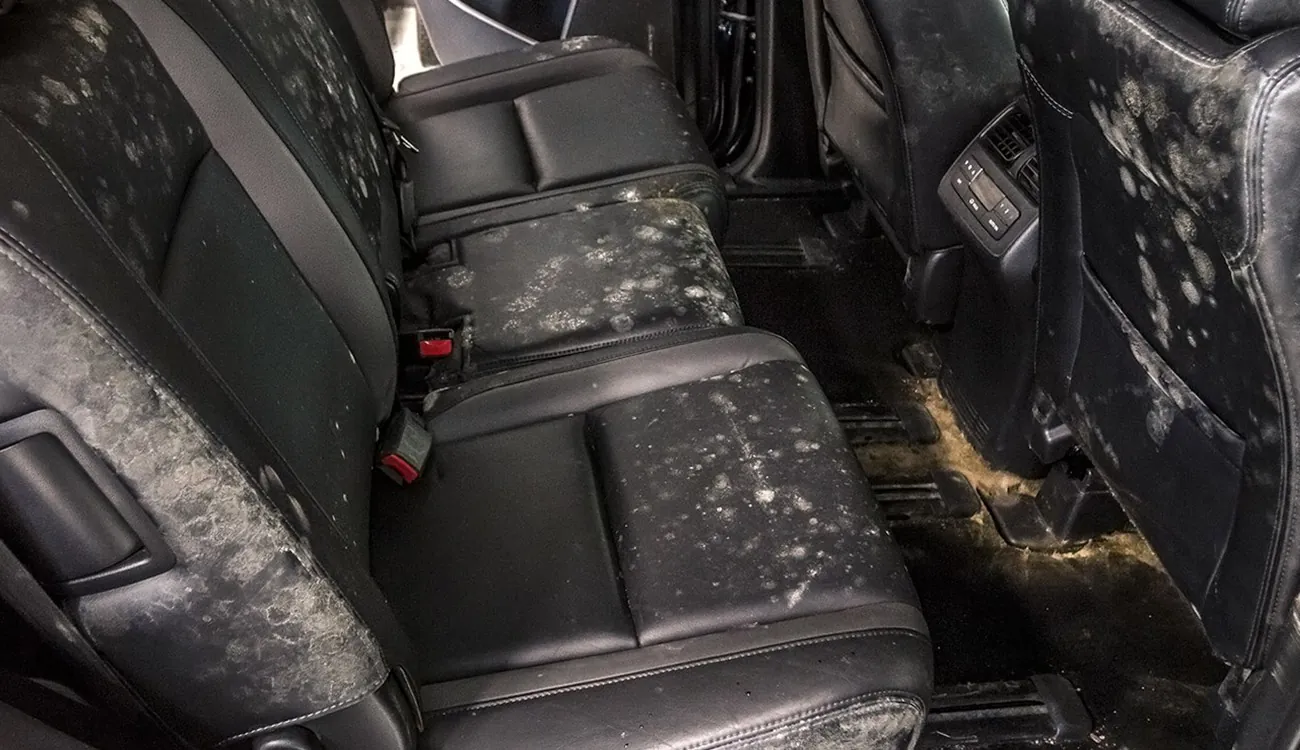
Yes, breathing in mold spores can cause allergic reactions, respiratory irritation, and other health issues for sensitive individuals. If you see visible mold growth on your seats, carpet, or dashboard, it’s important to clean it thoroughly using appropriate protective gear. If the infestation is widespread, you may need to consult a professional detailer who specializes in mold remediation to ensure the vehicle is safe to occupy.
Why does the smell return?
The smell usually returns because the source of the moisture wasn’t fully eliminated. If you only clean the surface but fail to clear a clogged drain tube or replace a moldy cabin air filter, the environment remains perfect for mold to regrow. Always ensure the affected area is completely dry, as even a small amount of residual moisture can restart the cycle of fungal growth within days.
Should I take my car to a dealer?
If you have cleared the vents, replaced the filter, and ensured the carpets are dry but the smell remains, you may have a hidden leak in the heater core or a deeper issue within the dashboard assembly. A dealer or a specialized mechanic can perform a pressure test on your cooling system to see if coolant is leaking, which sometimes produces a sweet, musty, or damp scent.
Conclusion
Start by checking your cabin air filter today, as it’s the most accessible and frequent cause of interior odors. If the filter is clean, move on to clearing the debris from the cowl area near your windshield. Taking these small, manageable steps now will help you identify the source and ensure your vehicle remains a clean, healthy space for your daily commute.