

High lipase levels in breast milk are the most common cause behind why breast milk smells bad or tastes soapy, even when it’s stored correctly. This change is generally safe for your baby, though some infants may refuse to drink it due to the altered taste. You can confirm this by comparing a fresh sample to a sample that has been chilled in your refrigerator for 24 hours.
Why breast milk smells bad when stored
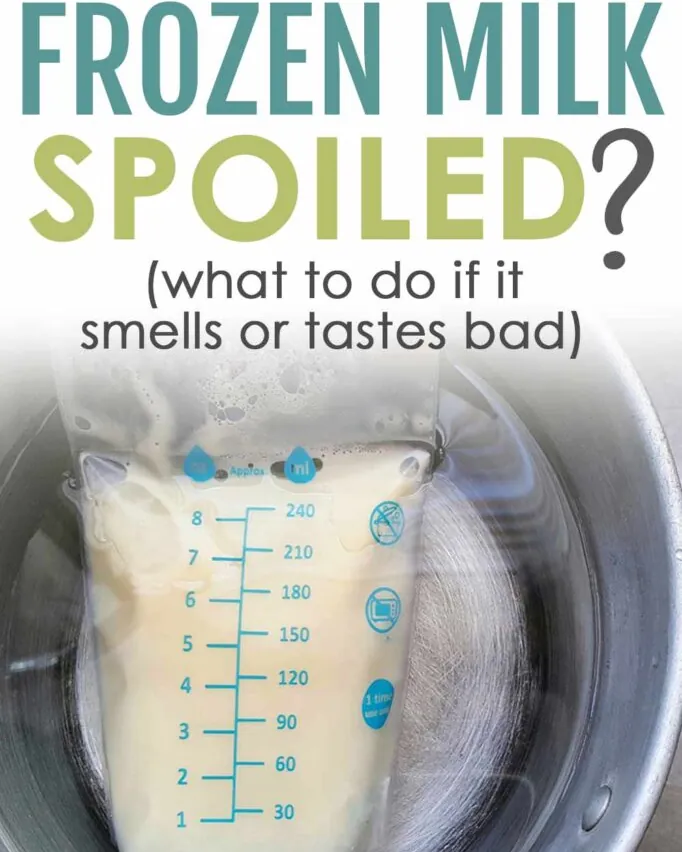
The table below lists common scents and their likely origins for healthy, stored milk.
| What you notice | What it usually means | What to do first |
|---|---|---|
| Soapy or metallic smell | High lipase activity | Scald milk before freezing |
| Sour or rotten smell | Bacterial contamination | Check storage container seal |
| Fishy or chemical scent | Diet or supplement intake | Review recent food intake |
| Mildly sweet or neutral | Normal breast milk | No action needed |
| Rancid or sharp odor | Oxidation of fats | Use airtight storage bags |
| Musty or old scent | Fridge air exposure | Store in back of fridge |
If the milk smells soapy after thawing but your baby refuses it, the lipase enzyme is breaking down fats too quickly. Scald the milk until bubbles form around the edges—not a rolling boil—immediately after pumping to deactivate the enzyme. Do this before the milk ever hits the freezer.
If you detect a sour smell, check your pump parts first. Residue in tubing or valves often harbors bacteria that spoil fresh milk within hours. If the smell persists after a deep clean, discard the batch. Never risk feeding milk that lacks a neutral or sweet scent to a newborn. When in doubt, follow the rule of thumb: if the odor is sharp, pungent, or makes you recoil, the milk is unsafe.
High lipase activity in milk
Lipase is a natural enzyme in breast milk that helps break down fats for easier digestion by your baby. If your body produces high levels of this enzyme, the fats break down quickly after the milk is pumped, leading to a soapy smell or taste. This process is perfectly normal and doesn’t mean the milk has spoiled or is unsafe for your child to consume.
To confirm if lipase is the cause, you should perform a simple comparison test. Pump a fresh batch of milk and divide it into two containers. Freeze one immediately and keep the other in the refrigerator for 24 hours. After the day passes, thaw the frozen sample and compare the smell of both. If the refrigerated milk smells like soap after 24 hours, high lipase is the likely culprit.
If you confirm this, you can fix it by scalding your milk before freezing it. Heat the milk in a pan until small bubbles form around the edges—usually around 180°F—but don’t let it reach a full boil. Cool the milk quickly in an ice bath before storing it in the freezer. This heat stops the lipase enzyme from working and prevents the soapy taste from developing later.
Bacterial growth and contamination
Milk that smells sour or like spoiled dairy often indicates the presence of bacteria. Unlike lipase, which is a chemical process, bacterial growth occurs when hygiene standards aren’t met during pumping or storage. If your milk smells like old yogurt or has a sharp, acidic odor, it’s likely unsafe for your baby and should be discarded.
Preventing this requires strict attention to cleaning your pump parts and storage containers. Wash all breast pump components in hot, soapy water after every use and ensure they’re completely dry before you store them.
Always store your milk in designated plastic or glass containers designed for breast milk. If you use bags, ensure they’re sealed tightly to prevent air from entering. If you notice a sour smell, check if your storage bags have tiny pinhole leaks, as these allow bacteria to enter and ruin the milk quickly.
Oxidation and environmental factors
Sometimes, breast milk smells bad because it has absorbed odors from your refrigerator or reacted with air. Fat molecules in breast milk are sensitive to oxygen, which causes them to oxidize and develop a metallic or “off” smell. This often happens if the milk is stored near strong-smelling foods like onions, garlic, or fish in the fridge.
To tell if this is the issue, check where you store your milk. If it’s kept in the door or near pungent foods, move it to the back of the main compartment where the temperature stays most consistent. Use double-sealed bags or rigid containers to create a better barrier against fridge air. If the smell disappears after switching to an airtight container, oxidation or odor absorption was the main cause.
This isn’t a safety issue unless the smell is truly rancid, which indicates the fats have broken down too far. If you move the milk to a colder, isolated part of the fridge and the smell persists, you’re likely dealing with lipase or bacteria instead.
When to stop and get help

There are times when you should stop trying to troubleshoot at home and seek professional advice. If you follow these signs, contact a lactation consultant or your pediatrician immediately:
The milk appears discolored, such as pink, brown, or green, which may indicate blood or other health issues. If the tint persists beyond the first few days of pumping, don’t feed it to your infant.
Your baby consistently refuses the milk after you have tried both fresh and scalded versions. A healthy baby rarely rejects milk unless the taste is significantly altered by high lipase or bacterial growth.
You notice a persistent, foul, or chemical smell even in freshly pumped milk that hasn’t been stored. This often points to bacterial contamination from pump parts that weren’t properly sanitized.
You have symptoms of mastitis, such as fever or breast pain. These infections change the sodium content of your milk, which may cause your baby to pull away.
If you’re unsure about the quality of your milk, discard the batch. It’s never worth the risk of an upset stomach or dehydration. Professionals can help you test your milk and rule out underlying infections.
Related guides
- Dog Smells Like Fish From Back End: Causes and Solutions
- How to Fix Nail Gun Not Shooting Nails: Troubleshooting Guide in 2026
- How to Remove Gorilla Glue From Wood: A Simple Step-by-Step Fix in 2026
Frequently asked questions
Is it safe to feed my baby soapy-smelling milk?
Yes, it’s safe to feed your baby milk that smells soapy due to high lipase. As long as the milk was pumped and stored with clean equipment, the change in smell is a chemical reaction rather than spoilage. If your baby accepts the taste, you don’t need to change anything.
How long does breast milk last in the fridge?
Breast milk stays safe for up to 4 days when stored in the back of a refrigerator at 40°F or lower. If your fridge temperature fluctuates or you keep the milk in the door, it may spoil faster. Always label your bags with the date to track freshness accurately.
Does diet change how breast milk smells?
Yes, your diet can influence the scent of your milk. Foods like garlic, onions, or strong spices can cause the milk to take on a similar aroma. If you notice a change, track what you ate in the 24 hours before pumping to see if the scent correlates with your meals.
Can I fix milk that already smells bad?
No, you can’t fix milk that has already developed a bad smell. Once the fats have oxidized or bacteria have grown, the process is permanent. Scalding is a preventative measure for lipase, but it won’t remove the soapy or sour smell once it has already developed in the stored milk.
Why does my frozen milk smell different after thawing?
Frozen milk often smells different because the lipase enzyme remains active even at freezing temperatures, just at a slower rate. If you don’t scald the milk before freezing, the lipase continues to break down fats over time. This is why milk that’s fine at 2 weeks may smell soapy at 2 months.
Does the type of storage container matter?
Glass or hard plastic containers provide a better seal against fridge odors than thin, disposable bags. If you use bags, ensure you squeeze out as much air as possible before sealing to reduce the risk of oxidation and spoilage.
Conclusion
If your baby rejects the milk, don’t feel discouraged or worry that your supply is ruined. You can try mixing the treated milk with fresh batches to help them adjust to the flavor. If you’re still feeling unsure, reach out to a lactation consultant who’ll help you find a feeding routine that works.