
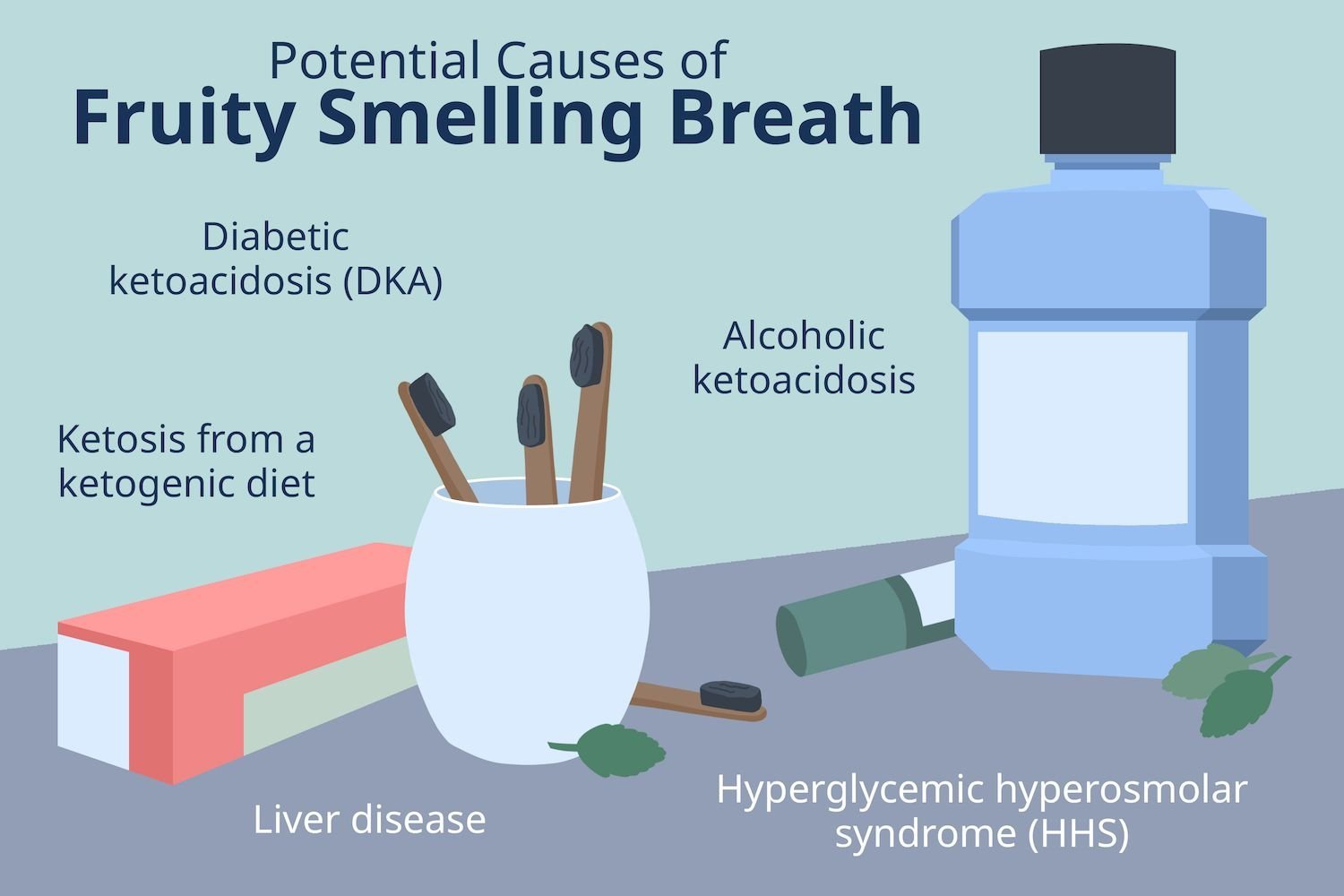
The most common reason your breath smells like acetone is that your body is burning fat for energy instead of glucose, a state known as ketosis. While this often happens during intentional dieting, it can also signal that your blood sugar levels are dangerously high and your body can’t process insulin correctly. If you notice this fruit-like odor alongside extreme thirst or confusion, you should seek medical attention immediately, as it may indicate diabetic ketoacidosis.
Why your breath smells like acetone

This condition occurs when your metabolism changes or when underlying health issues prevent your cells from using sugar for fuel. The table below lists the primary causes and what they typically indicate for your overall health.
| Cause | Likely Reason | Typical Sign |
|---|---|---|
| Ketogenic Diet | High fat, low carb intake | Weight loss |
| Uncontrolled Diabetes | Insulin deficiency | High blood sugar |
| Prolonged Fasting | Lack of food intake | Low energy |
| Intense Exercise | Rapid fat burning | Muscle fatigue |
| Dehydration | Low water intake | Dry mouth |
Diabetic ketoacidosis
This is a serious complication where the body produces high levels of blood acids called ketones. When you don’t have enough insulin, your body starts breaking down fat at a rate that’s too fast for the body to utilize, leading to an accumulation of ketones in the blood. This builds up chemicals that give your breath a distinct, sweet, or chemical smell.
- High blood glucose levels that remain elevated over several hours.
- Increased frequency of urination and intense, unquenchable thirst.
- Nausea, vomiting, or persistent abdominal pain without a clear cause.
- Confusion or difficulty focusing on simple tasks for more than 30 minutes.
If you have a known diagnosis of diabetes, the American Diabetes Association provides detailed guidance on how to test your blood for ketones when you’re feeling unwell. If your levels are high, follow the specific action plan your doctor provided for your condition.
Ketogenic diet changes
Many people following a very low-carbohydrate diet experience this breath change as a side effect of their metabolism shifting. When you restrict carbohydrates to under 50 grams per day, your body stops relying on glucose and begins burning stored fat. The byproduct of this process includes acetone, which is released through your lungs when you exhale.
- Consistent fat loss over several weeks of dietary restriction.
- Decreased appetite caused by the stable release of energy from fat stores.
- Initial fatigue that usually improves after the first 7 to 10 days.
This is generally harmless if you’re healthy, but it isn’t for those who have underlying kidney or liver conditions. If you aren’t on a specific diet and notice this smell, don’t assume it’s just a lifestyle change.
Prolonged fasting or starvation

When you go for long periods without eating, your body enters a survival mode to keep your organs functioning. After approximately 12 to 24 hours without significant caloric intake, glycogen stores in the liver become depleted. The body then turns to adipose tissue, leading to the production of ketones.
- A metallic or chemical taste in the mouth that persists after brushing.
- Physical weakness or dizziness when standing up too quickly after sitting.
- A noticeable drop in concentration levels during the late stages of a fast.
If you aren’t fasting by choice, this symptom is a clear sign that your body is struggling to find the fuel it needs. You should eat a balanced meal containing carbohydrates to see if the odor dissipates within a few hours.
Intense physical exertion
Pushing your body through heavy, prolonged exercise can lead to temporary ketosis even if you aren’t on a specific diet. If you run for over 90 minutes or perform high-intensity interval training, your muscles may use up all available glucose. This forces the body to switch to fat oxidation to sustain your effort.
- Breath odor that appears only after a strenuous workout session.
- Rapid recovery of your breath smell after consuming a post-workout snack.
- Increased sweating and a feeling of warmth during the physical activity.
If the smell stays long after your heart rate returns to normal, it suggests your body is having trouble refueling. In this case, you should check your blood glucose levels if you have a monitor available to ensure they’re within a safe range.
Other potential causes
- Dehydration: When you don’t drink enough water, your mouth becomes dry and saliva production drops. This allows bacteria to grow, which can sometimes produce odors that mimic chemical or fruity scents.
- Alcohol intake: Consuming alcohol can interfere with your metabolism and cause breath changes. If you have had more than two standard drinks, your body might be processing the substances in a way that alters your breath.
- Medications: Certain prescription drugs, particularly those for weight loss or diabetes, can change your metabolic rate. If you started a new medication recently, check the side effects list on the packaging to see if breath changes are listed.
How to identify the source

You can narrow down the cause by looking at your recent habits and physical symptoms. If you have recently changed your diet to include very few carbohydrates, the breath change is likely a result of that choice. If you haven’t changed your diet and feel unwell, you should treat it as a medical concern.
If you have a blood glucose monitor, use it to check your levels; if they’re above 240 mg/dL, you should contact a doctor. If you’re feeling fine and have no other symptoms, try increasing your water intake and eating a small, balanced meal. If the smell persists for more than 24 hours despite these changes, make an appointment with a primary care provider to rule out underlying metabolic issues.
Related guides
Frequently asked questions
Does breath smell like acetone mean I have diabetes?
Not necessarily, but it’s a common warning sign for undiagnosed or uncontrolled diabetes. If your blood sugar is consistently high, your body can’t use insulin to move glucose into your cells. You should get a blood test at a clinic to confirm your actual glucose levels and rule out diabetes.
How long does keto breath last?
Keto breath typically lasts for the first 2 to 4 weeks while your body adapts to burning fat. If you remain in a state of ketosis, the smell may continue, but it often becomes less noticeable as your body uses ketones more efficiently for energy.
Is it safe to ignore a fruity smell on my breath?
No, you shouldn’t ignore it if it’s accompanied by other symptoms like nausea, vomiting, or confusion. These are signs of a medical emergency called diabetic ketoacidosis. If you feel fine otherwise, it’s still worth tracking to ensure it’s linked to a known lifestyle change.
Can dehydration cause my breath to smell like chemicals?
Yes, dehydration can cause dry mouth, which changes the chemical balance of your saliva. When your mouth is dry, bacteria can thrive, creating odors that are typically described as foul or sulfurous. Drinking 2 to 3 liters of water per day can help determine if dehydration is the cause.
What should I eat if my breath smells like acetone?
If you aren’t on a low-carb diet, eat a balanced snack that contains complex carbohydrates like a piece of fruit or whole-grain crackers. This provides glucose to your body, which should stop the production of ketones and resolve the odor within a few hours of digestion.
Does exercise intensity change my breath smell?
Yes, very intense exercise that lasts over 60 minutes can deplete your glucose stores and trigger fat burning. The smell usually fades once you consume carbohydrates after your workout. If it continues for many hours after you stop exercising, it may indicate a metabolic issue that requires professional evaluation.
Conclusion
Start by checking your blood glucose levels if you have a monitor, as this gives you an immediate answer. If the level is normal and you feel well, try eating a small amount of carbohydrates to see if the smell fades. If you feel confused, nauseous, or have high blood sugar readings, seek medical help immediately to prevent serious health complications.