
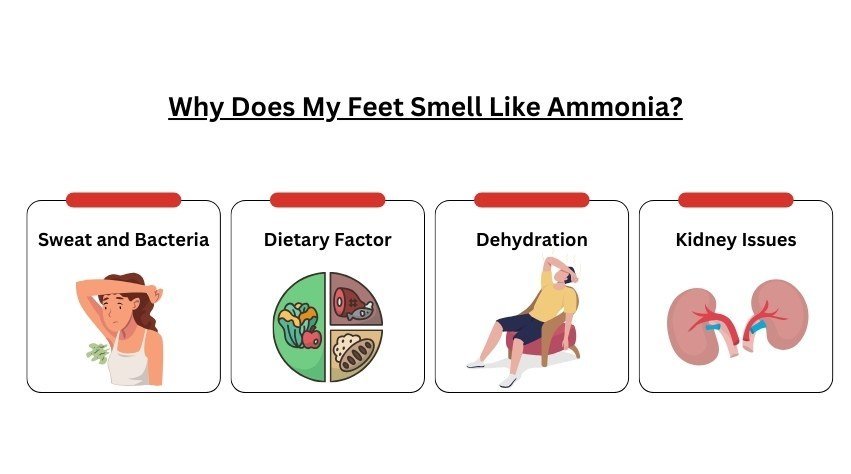
When the body smells like ammonia, it’s typically a sign that your system is burning protein for energy instead of glucose or fat. This happens because your body has run out of its preferred fuel sources and has begun breaking down muscle tissue, which releases nitrogen as a byproduct. This nitrogen combines with hydrogen to form ammonia, which is then released through your sweat glands during physical activity.
Why your body smells like ammonia

The primary reason for a persistent chemical scent is often related to diet, exercise intensity, or underlying health issues. If you’re training hard while on a very low-carbohydrate diet, your body lacks the glycogen needed to fuel those movements. When carbohydrate stores are empty, the body turns to protein, leading to this distinct odor. Other factors include dehydration or high-protein intake, which forces the kidneys to work harder to process waste products.
| Cause | Primary Trigger | Common Result |
|---|---|---|
| Low Carb Diet | Insufficient glycogen | Protein metabolism |
| Heavy Exercise | Exhausted fuel stores | Nitrogen release |
| High Protein | High nitrogen load | Ammonia in sweat |
| Kidney Stress | Poor waste filtration | Chemical skin scent |
| Dehydration | Concentrated sweat | Stronger odor profile |
Low carbohydrate intake
When you restrict carbohydrates significantly, your body shifts its metabolic pathway to survive. Because carbohydrates are the body’s primary fuel for high-intensity exercise, their absence forces the liver and muscles to utilize amino acids from your own muscle tissue. This process creates nitrogen, which the body must flush out.
- Increases the rate of protein breakdown during activity.
- Forces the liver to process more nitrogenous waste than normal.
- Changes the chemical composition of sweat as your body compensates.
- Requires a balance of macronutrients to avoid muscle wasting.
For example, if you’re following a strict ketogenic diet and notice this scent after a 45-minute run, it’s a clear indicator that your body is relying heavily on protein oxidation.
High intensity exercise
Heavy, prolonged exercise can trigger this scent even if your diet is balanced. When you push your muscles past their current capacity, your body burns through available glycogen stores rapidly. Once those stores are depleted, the body starts breaking down muscle protein to keep you moving.
- Causes rapid depletion of muscle glycogen during intense sets.
- Spikes the production of ammonia as a metabolic byproduct.
- Results in a sharp, noticeable scent during or after the workout.
- Signals that the current training load may be unsustainable.
If you’re performing a high-intensity interval session, you might experience this as your body increases its reliance on amino acid oxidation as glycogen stores are depleted.
Dehydration and kidney function

Dehydration makes your sweat more concentrated, which can make the scent of ammonia more noticeable on your skin. When you don’t drink enough water, your kidneys may struggle to clear the nitrogenous waste produced by normal protein metabolism.
- Concentrates the chemical markers in your sweat.
- Limits the body’s ability to flush nitrogen through urine.
- Increases the overall intensity of body odors.
- Stresses the renal system when protein intake is simultaneously high.
If you find that your urine is dark and you notice this smell, you should increase your water intake by 16 to 24 ounces before your next session.
Nutritional imbalances
An excessive intake of protein without enough water can create a surplus of nitrogen in your system. While protein is necessary for recovery, your body can only process a certain amount at once. If your kidneys aren’t supported by enough fluids, the excess nitrogen is pushed out through your pores.
- Overwhelms the kidneys’ capacity to filter nitrogen waste.
- Creates a buildup that must exit via sweat glands.
- Requires a better balance of water and carbohydrates.
- Often occurs when protein intake exceeds 2 grams per kilogram of body weight daily.
If you consume a large post-workout shake containing 40 grams of protein, you may notice this scent if your overall daily hydration is low.
Other potential factors
Certain amino acid supplements, particularly those concentrated in leucine or other branched-chain amino acids, trigger ammonia production if your intake exceeds your body’s immediate metabolic capacity. If you notice this odor within an hour of supplementation, reduce your dosage by half to see if the scent dissipates.
Persistent ammonia odors that arise independent of exercise or diet often signal underlying kidney or liver dysfunction. If the smell remains present upon waking or during periods of complete rest, consult a physician for a blood urea nitrogen test.
Skin bacteria can also create this scent through the breakdown of sweat proteins. You can distinguish this from metabolic ammonia by checking if the smell is localized to specific clothing seams rather than radiating from your pores. If the odor vanishes immediately after a shower, the cause is microbial, not systemic.
How to manage metabolic odors

Choosing the right approach depends on whether your diet, your training, or your hydration is the root cause. If you’re on a low-carb diet, you may need to add a small amount of complex carbohydrates before your workouts to spare your muscle protein. Without this glucose buffer, your body burns amino acids for fuel, which releases ammonia through your pores.
If you’re training at a high intensity, consider shortening your sessions or increasing your fluid intake to help your kidneys flush waste more efficiently. Aim for at least 16 ounces of water per hour of exertion to dilute these metabolic byproducts.
If the scent remains sharp and metallic after a week of these adjustments, consult a physician to rule out underlying kidney or liver strain. Never ignore a persistent ammonia smell, as it often signals that your body is cannibalizing muscle tissue for energy.
Related guides
Frequently asked questions
Is it safe to exercise if my sweat smells like ammonia?
It’s generally safe if the scent occurs only during intense exercise, but it suggests your body needs more fuel. If you feel dizzy, exhausted, or have muscle cramps alongside the smell, you should stop immediately and increase your intake of complex carbohydrates and water to support your energy levels.
Does the smell mean my kidneys are failing?
The smell alone doesn’t mean your kidneys are failing, but it does show they’re working hard to process waste. If you notice a persistent ammonia smell alongside changes in your urine color, pain, or swelling, you should consult a doctor to rule out any underlying kidney or liver issues.
Can drinking more water stop the smell?
Yes, increasing your water intake often reduces the scent by diluting the ammonia in your sweat and helping your kidneys clear nitrogen. Aim to drink enough water so that your urine remains a pale yellow color, which helps ensure your body has the fluid needed to process metabolic waste products efficiently.
Should I stop eating protein?
No, you shouldn’t stop eating protein, as it’s vital for muscle repair. Instead, ensure you’re eating enough carbohydrates to fuel your activity so your body doesn’t need to use protein as its primary energy source. Balance your protein intake with adequate water throughout the day.
How long does the smell usually last?
The smell typically lasts only during or shortly after your workout and should fade once you shower and rehydrate. If you notice a strong ammonia scent at rest, it isn’t related to exercise and you should speak with a healthcare professional to identify the cause of the odor.
Does this happen more in hot weather?
Yes, you may notice the scent more in hot weather because you sweat more, which concentrates the ammonia on your skin. Higher temperatures also increase the demand on your body to regulate its internal temperature, which can accelerate the use of fuel stores and increase the production of metabolic waste products.
Conclusion
Start by adding 20 to 30 grams of complex carbohydrates, such as oats or a banana, about 60 minutes before your workout. You should expect the scent to fade within 3 to 5 days if your hydration and carbohydrate levels are corrected. If the smell persists while you’re resting or eating a balanced diet, stop and consult a primary care physician.