
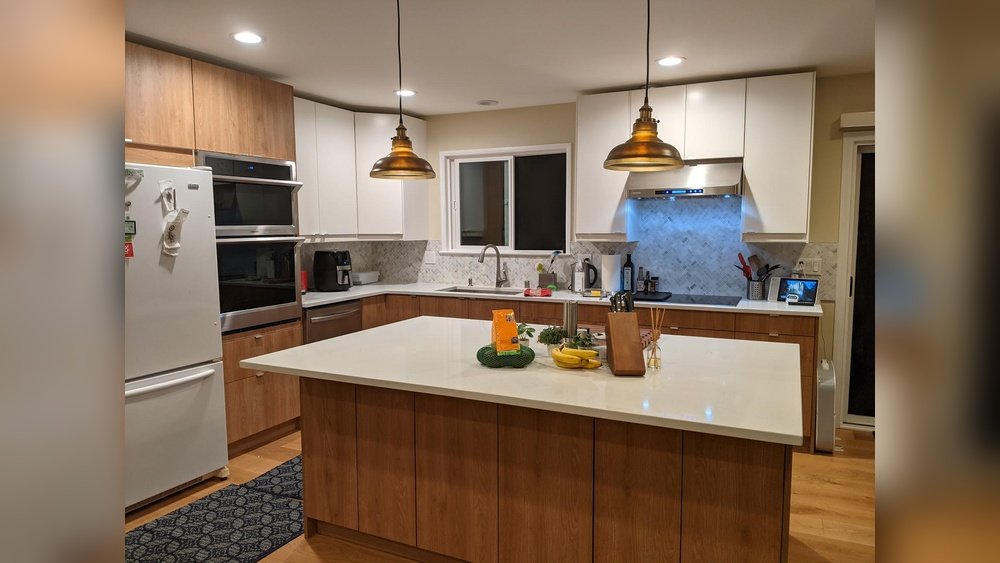
The allure of a beautifully designed kitchen often conjures images of bespoke cabinetry, premium materials, and a hefty price tag. However, for many homeowners and renovators, the dream kitchen remains just that, a dream, seemingly out of reach due to cost. This is where IKEA kitchens have carved out a significant niche, offering a compelling blend of affordability, modern aesthetics, and surprising functionality. But the question lingers: are IKEA kitchen cabinets genuinely good, or are they a budget compromise that won’t stand the test of time?
Evaluating kitchen cabinets involves more than just a quick glance at the price tag. It requires a deep dive into material quality, construction methods, durability, design flexibility, and the overall value proposition. IKEA’s approach to kitchen systems, particularly their SEKTION platform, has revolutionized how many approach kitchen renovations, making stylish and functional kitchens accessible to a wider audience.
This article aims to provide a comprehensive, evidence-based assessment of IKEA kitchen cabinets, examining their strengths, weaknesses, and where they truly stand in the competitive cabinetry market.
Key Takeaways
- Affordability and Accessibility: IKEA kitchen cabinets, primarily through the SEKTION system, offer a significantly lower price point than custom or semi-custom alternatives, making kitchen renovations more attainable.
- Modularity and Design Flexibility: The SEKTION system’s modular nature allows for extensive customization in terms of layout and style, catering to diverse kitchen sizes and aesthetic preferences with a wide range of door fronts and internal organizers.
- Material Quality Varies: While the cabinet boxes are generally considered sturdy (particleboard with laminate/veneer), the quality of the door fronts can vary significantly, with some premium options offering better durability and aesthetics than basic laminate choices.
- DIY vs. Professional Installation: IKEA cabinets are designed for self-assembly and installation, which can save considerable costs but requires time, skill, and precision. Professional installation is an option but adds to the overall expense.
- Longevity and Durability: With proper care and realistic expectations, IKEA cabinets can last for many years. However, they may not match the lifelong durability of high-end solid wood or custom-built cabinetry, particularly in high-traffic or demanding environments.
- Resale Value Impact: While a well-designed IKEA kitchen can enhance a home’s appeal, it’s generally not considered a significant driver of resale value compared to custom or premium brand cabinets, though this is improving with higher-end IKEA door options.
Understanding Ikea’s Kitchen System: Sektion
IKEA’s current kitchen cabinet system, known as SEKTION, launched in 2015, replacing the older AKURUM system. SEKTION is a modular framework designed for maximum flexibility and customization. At its core, it consists of cabinet boxes, hinges, drawers, shelves, and a vast array of front panels (doors and drawer fronts), as well as internal organization solutions.
This modularity is key to IKEA’s appeal, allowing users to design virtually any kitchen layout imaginable, from compact galley kitchens to expansive U-shaped designs.
The cabinet boxes themselves are typically constructed from particleboard with a laminate or veneer finish. This is a common material in the affordable furniture industry, offering a balance between cost and structural integrity. The internal structure is designed to be robust, with various sizes of base cabinets, wall cabinets, and tall cabinets available.
The real customization comes with the vast selection of drawer systems, pull-outs, and specialized inserts that can be fitted within these boxes.
The Sektion Framework Explained
The SEKTION system operates on a grid of standard cabinet widths and heights. This standardization is what allows for the affordability and ease of planning. You select cabinet boxes based on the dimensions required for your space, then choose the internal hardware (drawers, shelves, pull-outs) and finally, the exterior doors and drawer fronts.
This layered approach means you can choose the most basic, cost-effective cabinet box and dress it up with premium doors, or opt for a more budget-friendly door style to match a simpler internal setup.
- Cabinet Boxes: Available in a range of widths (e.g., 15″, 18″, 24″, 30″, 36″) and heights (e.g., 15″, 30″, 36″, 80″, 90″). Depth is also standardized, typically around 15″ for wall cabinets and 24″ for base cabinets (excluding door thickness).
- Drawer Systems: IKEA offers several drawer types, with the MAXIMERA drawer being a popular choice for its smooth glide, full extension, and soft-closing features. These are often chosen as upgrades over simpler shelf-based cabinet interiors.
- Hinges and Hardware: The quality of hinges and drawer slides is crucial for the longevity and user experience of any kitchen cabinet. IKEA uses its own branded hardware, which is generally considered decent for the price point, though higher-end options from brands like Blum (often used in custom kitchens) are known for superior durability.
- Fronts (Doors & Drawer Fronts): This is where the aesthetic of an IKEA kitchen is truly defined. IKEA offers a wide spectrum of styles, from sleek, handleless laminates like KALLARP and VEDDINGE to more textured wood-effect finishes like EKESTAD and high-gloss options like HAGGEBY. The material and finish of the door fronts significantly impact both the look and the durability.
Material Breakdown: Boxes Vs. Fronts
It’s essential to differentiate between the materials used for the cabinet boxes and those used for the doors and drawer fronts.
- Cabinet Boxes: Primarily made of particleboard (often referred to as chipboard) with a melamine foil or laminate finish. This material is cost-effective, relatively stable, and resistant to moisture and stains when sealed properly. However, it is less dense and durable than solid wood or high-quality plywood. The edges are typically covered with a plastic or veneer strip.
- Doors and Drawer Fronts: These come in a much wider variety of materials:
- Laminate/Melamine Foil: The most budget-friendly options. Durable and easy to clean, but can chip or peel over time, especially at the edges.
- Veneer: A thin layer of real wood applied over particleboard. Offers a more authentic wood look and feel than laminate, but can be scratched or damaged.
- Painted MDF: Medium-density fiberboard (MDF) painted for a smooth, consistent color finish. Can be prone to chipping if impacted.
- High-Gloss Acrylic: Offers a modern, reflective look. Can be prone to scratches and fingerprints.
- Solid Wood: Available on some higher-end IKEA door styles. Offers the best durability and aesthetic appeal but comes at a significantly higher cost.

Credit: stylebyemilyhenderson.com
Pros Of Ikea Kitchen Cabinets
The widespread popularity of IKEA kitchens isn’t accidental. Several compelling advantages make them a strong contender for many homeowners.
Affordability And Value
This is arguably the biggest draw. IKEA kitchens are significantly less expensive than custom cabinetry and often more affordable than semi-custom or even many stock cabinet lines found at traditional big-box home improvement stores. The SEKTION system allows users to control costs by selecting different tiers of materials and opting for self-assembly and installation. For those on a tight renovation budget, IKEA presents a viable path to a modern, functional kitchen that might otherwise be unattainable. A complete IKEA kitchen can often cost 30-50% less than a comparable custom kitchen.
Design Flexibility And Customization
The modular nature of the SEKTION system offers unparalleled design freedom. Homeowners aren’t restricted by a limited range of pre-set cabinet sizes. They can mix and match various widths, heights, and depths to perfectly fit their space, utilizing every inch efficiently. Furthermore, IKEA provides an extensive catalog of door styles, colors, finishes, knobs, and pulls, allowing for a high degree of personalization. The ability to combine different door styles or use IKEA fronts on custom-built boxes (a popular workaround for those wanting IKEA aesthetics with enhanced durability) speaks to the system’s versatility.
Extensive Internal Organization Options
Beyond the exterior, IKEA excels in providing smart internal storage solutions. The SEKTION system integrates seamlessly with their range of drawers, pull-out shelves, corner cabinet solutions (like the UTRUSTA carousel or magic corner), waste sorting bins, and specialized organizers for spices, cutlery, and cookware. These accessories are designed to maximize usability and keep the kitchen tidy, often at a lower cost than similar solutions from other brands. The MAXIMERA drawer system, in particular, is frequently praised for its smooth operation and durability.
Modern Aesthetics And Style Variety
IKEA has a keen eye for contemporary design trends. Their door fronts range from minimalist, handleless slabs to shaker-style panels and wood-look finishes, catering to a broad spectrum of tastes, from Scandinavian modern to more traditional looks. The consistent release of new styles and finishes ensures that IKEA kitchens can remain current and stylish. This makes them an attractive option for homeowners looking to update their kitchen with a fresh, updated look without breaking the bank.
Diy-friendly Design And Planning Tools
IKEA provides robust online planning tools and in-store design services. The 3D kitchen planner allows users to map out their kitchen, experiment with layouts, and visualize the final result. This empowers homeowners to take an active role in the design process. While the assembly and installation require effort and skill, the instructions are generally clear, and the components are designed for straightforward assembly, appealing to the DIY enthusiast.
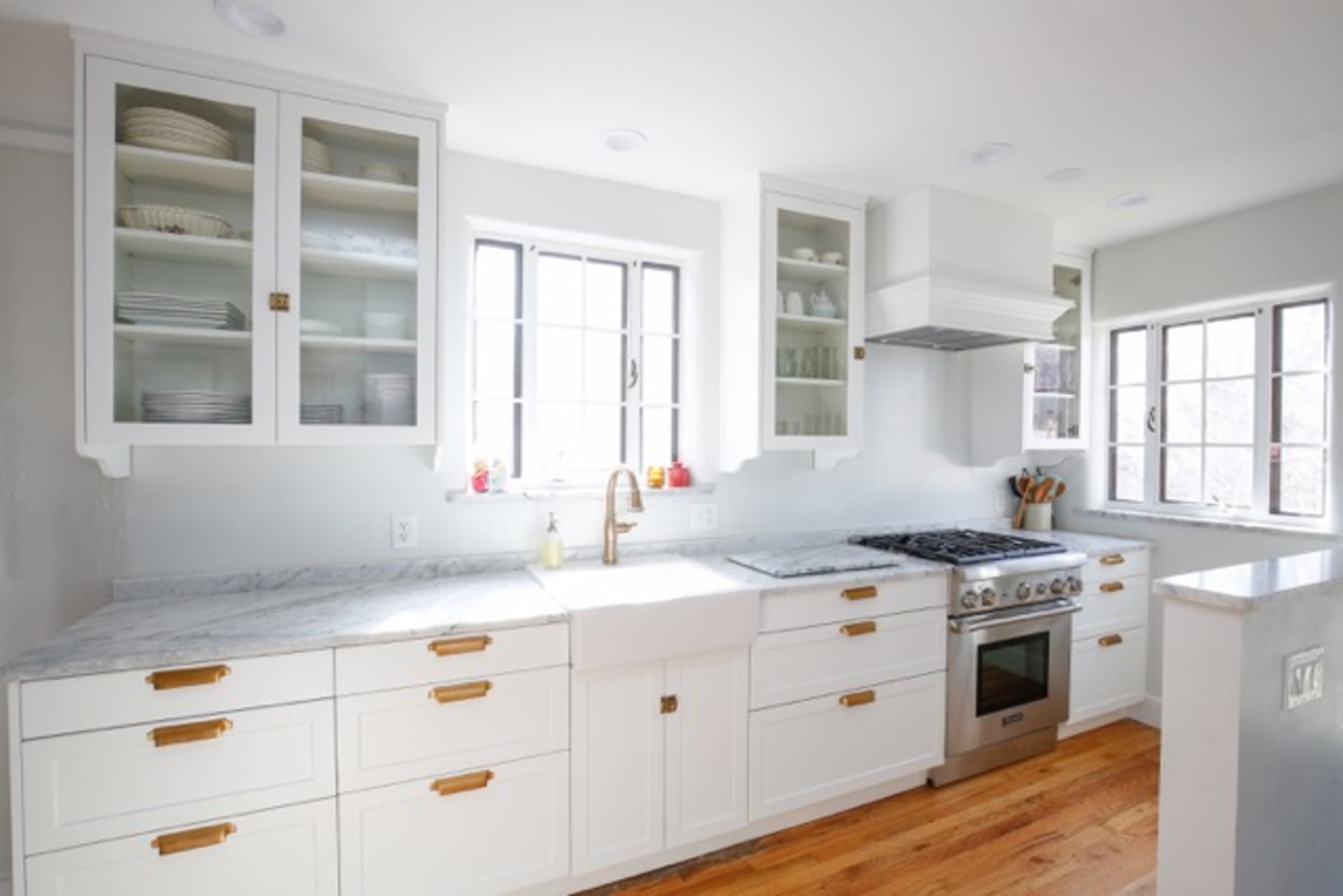
Credit: www.nbcnews.com
Cons Of Ikea Kitchen Cabinets
Despite their advantages, IKEA cabinets are not without their drawbacks. Understanding these limitations is crucial for making an informed decision.
Material Durability Concerns
The primary concern often revolves around the materials used, particularly for the cabinet boxes and lower-end door fronts. Particleboard, while cost-effective, is susceptible to damage from excessive moisture and can be less resistant to impact than solid wood or high-quality plywood. Laminate and foil finishes on doors can chip, scratch, or peel over time, especially in high-use areas or if subjected to harsh cleaning. While IKEA offers more durable options (like wood veneer or painted MDF), these come at a higher price point, diminishing some of the initial cost savings.
Installation Complexity And Time Commitment
While designed for DIY, the assembly and installation process can be time-consuming and technically challenging. Achieving perfectly aligned doors, level cabinets, and a professional-looking finish requires precision, the right tools, and a significant time investment. Many users underestimate the effort involved, leading to frustration or a less-than-perfect final result. For those not comfortable with woodworking, drilling, and precise measurements, the cost of professional installation can quickly add up, potentially negating the savings compared to other cabinet brands.
Hardware Limitations
While IKEA’s hardware is functional, it generally doesn’t match the premium feel or long-term durability of high-end hardware found in custom kitchens or from specialized manufacturers like Blum or Hettich. Drawer slides might not be as smooth, and hinges could potentially sag over time with heavy use, especially on the more budget-oriented lines. While upgrades are possible, they add to the overall cost.
Resale Value Considerations
In many markets, IKEA cabinets are still perceived as entry-level or budget options. While a well-designed and professionally installed IKEA kitchen can certainly improve a home’s appeal, it may not command the same premium in resale value as custom cabinetry or kitchens from well-established, high-end brands. Buyers looking for luxury finishes or expecting custom solutions might view IKEA kitchens as a temporary feature to be replaced. However, this perception is slowly shifting as IKEA’s higher-end door options become more prevalent.
Limited Customization Beyond The System
While SEKTION is highly modular, it operates within pre-defined dimensions. This means that achieving truly bespoke sizes or unique architectural integrations might be difficult or impossible without significant modification or combining IKEA components with custom elements. For kitchens with very unusual layouts or specific design requirements, IKEA might not offer a perfect fit straight out of the box.
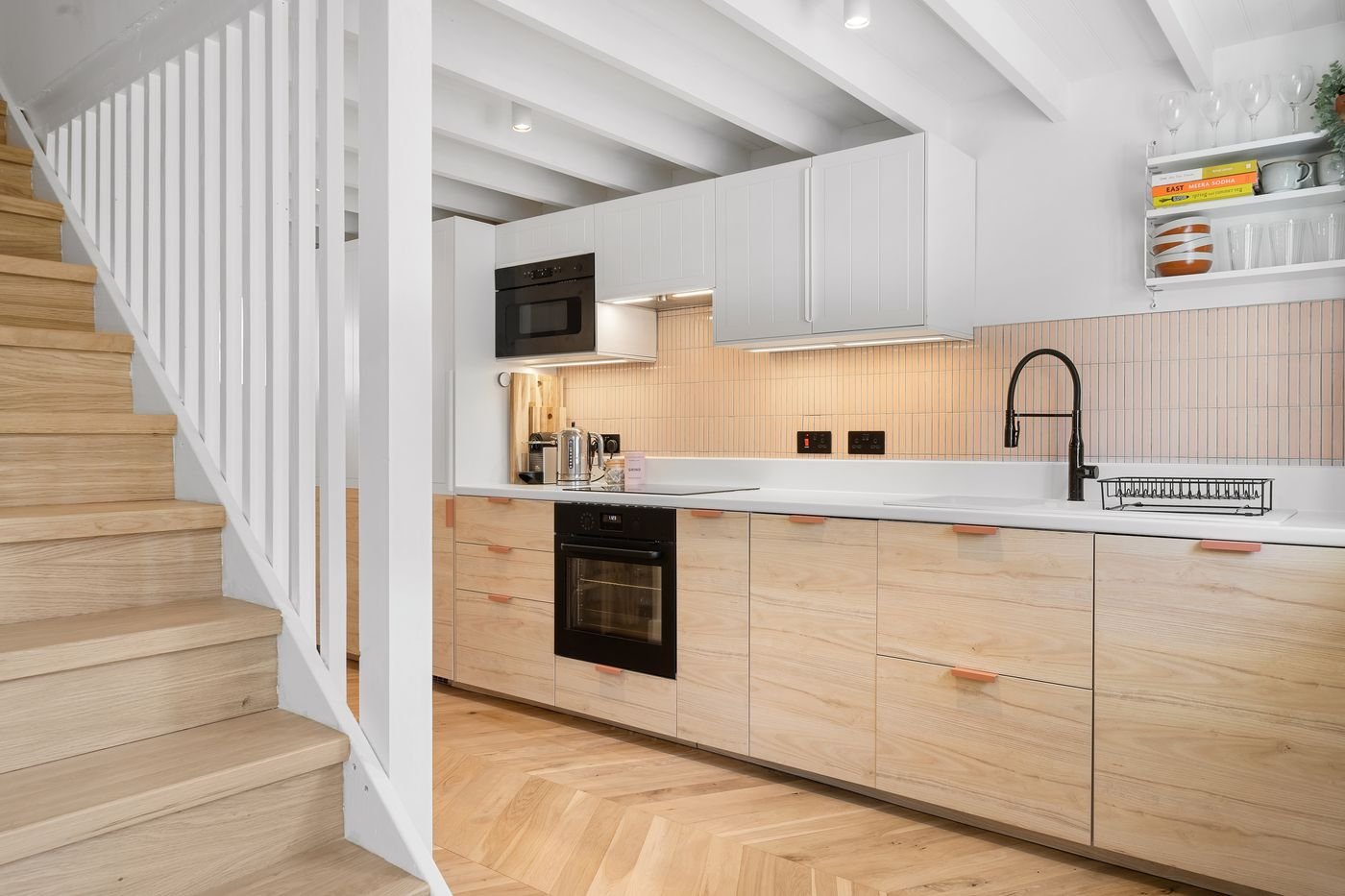
Credit: fifimcgee.co.uk
Comparing Ikea Cabinets To Alternatives
To truly gauge the “goodness” of IKEA kitchen cabinets, it’s helpful to compare them against other common cabinetry options available in the market.
Ikea Vs. Custom Cabinets
| Feature | IKEA Kitchens | Custom Cabinets |
|---|---|---|
| **Price** | Significantly lower ($10,000 – $30,000+ for a full kitchen) | Significantly higher ($25,000 – $100,000+ for a full kitchen) |
| **Material Quality** | Particleboard boxes; varied door materials | Solid wood, premium plywood, high-grade MDF; custom finishes |
| **Design Flexibility** | High modularity within a grid; limited bespoke sizes | Unlimited design possibilities; perfect fit for any space |
| **Construction** | Flat-pack, DIY assembly | Hand-built by craftsmen |
| **Hardware** | Functional, decent quality; upgrades available | Premium brands (e.g., Blum, Salice); superior durability |
| **Installation** | DIY-focused; professional option adds cost | Typically professional installation included or required |
| **Durability** | Good for the price; may not match custom long-term | Excellent; built for longevity |
| **Resale Value** | Moderate; improving with higher-end options | High; often a significant selling point |
Summary: Custom cabinets offer the ultimate in quality, durability, and bespoke design but come at a premium price. IKEA provides an excellent balance of affordability and style for those willing to compromise on some aspects of material quality or bespoke fit.
Ikea Vs. Big Box Store Stock/semi-custom Cabinets
| Feature | IKEA Kitchens | Big Box Stock/Semi-Custom (e.g., Home Depot KraftMaid, Lowe’s Diamond) |
|---|---|---|
| **Price** | Generally lower to mid-range | Mid to high range; stock is cheaper, semi-custom is pricier |
| **Material Quality** | Particleboard boxes; varied door materials | Often plywood or particleboard boxes; wide range of door materials |
| **Design Flexibility** | High modularity; excellent planning tools | Limited sizes for stock; more options for semi-custom |
| **Construction** | Flat-pack, DIY assembly | Pre-assembled boxes for stock; semi-custom requires ordering |
| **Hardware** | Functional, decent quality | Varies; often better than basic IKEA, but premium upgrades are costly |
| **Installation** | DIY-focused; professional option adds cost | Professional installation readily available and often recommended |
| **Durability** | Good for the price | Varies greatly by line; some semi-custom options are very durable |
| **Style** | Strong on modern and Scandinavian aesthetics | Wider range of traditional and transitional styles available |
Summary: Big box stores offer a spectrum from basic stock cabinets to more customizable semi-custom lines. IKEA often wins on price for comparable modularity and modern design. However, some semi-custom lines from big box stores might offer better material quality (like all-plywood boxes) or more traditional aesthetic choices.
Ikea Vs. Online Rta (ready-to-assemble) Cabinet Companies
| Feature | IKEA Kitchens | Online RTA Companies (e.g., CliqStudios, Barker, Lily Ann Cabinets) |
|---|---|---|
| **Price** | Very competitive; often slightly lower than RTA | Competitive; can be comparable to IKEA, especially with upgrades |
| **Material Quality** | Particleboard boxes; varied door materials | Often offer all-plywood boxes and higher-grade MDF doors |
| **Design Flexibility** | High modularity; user-friendly planner | Good modularity; often more door styles and finish options |
| **Construction** | Flat-pack, DIY assembly | Flat-pack, DIY assembly; assembly can sometimes be more complex |
| **Hardware** | Functional, decent quality | Often include better quality standard hardware (e.g., soft-close) |
| **Installation** | DIY-focused; professional option adds cost | DIY-focused; professional installation services may be available |
| **Durability** | Good for the price | Generally considered very good, especially with all-plywood options |
| **Customer Service** | In-person stores, online support | Primarily online; quality can vary |
Summary: Online RTA companies often compete directly with IKEA, sometimes offering superior material quality (like all-plywood boxes) as standard. However, IKEA’s extensive store network, integrated planning tools, and sheer volume of options keep it a dominant force. The choice often comes down to specific material preferences and the nuances of each company’s offerings.
Real-world Experiences And Case Studies
Examining real-world feedback and scenarios can provide valuable insights into the practical performance of IKEA kitchen cabinets.
Case Study 1: The Budget-conscious First-time Homeowner
Sarah and Tom bought their first home, a modest starter house with an outdated kitchen. With a tight renovation budget of $15,000, they opted for an IKEA SEKTION kitchen. They spent several weekends designing the layout using IKEA’s planner and meticulously assembling the cabinets themselves. They chose the white VEDDINGE doors for a clean, modern look and invested in MAXIMERA drawers for the base cabinets. The total cost for cabinets, doors, drawers, hinges, and basic countertops came in just under $10,000. Friends and family were impressed with the high-end look achieved on such a limited budget. Pros: Achieved a stylish, functional kitchen well within budget. DIY effort saved thousands. Cons: Installation took longer than expected, and a few doors required minor adjustments to hang perfectly straight. They anticipate needing to be careful with cleaning to avoid damaging the laminate.
Case Study 2: The Rental Property Upgrade
A property investor, Mark, needed to update the kitchens in a duplex he owned to increase rental income. He opted for IKEA’s green BODARP cabinets for a pop of color and modern appeal. He hired a handyman to assemble and install the cabinets to ensure a professional finish and speed up the process. The total cost, including installation, was roughly $8,000 per unit. The updated kitchens significantly boosted the property’s appeal and allowed him to increase the rent by $150 per month per unit. Pros: Quick turnaround and a modern aesthetic that appeals to renters. Cost-effective for multi-unit renovations. Cons: While durable enough for rentals, Mark acknowledges they might not withstand heavy family use for decades. He chose a basic drawer system to keep costs down, which feels less premium than his own home kitchen.
User Testimonials And Expert Opinions
Online forums and renovation blogs often feature discussions about IKEA kitchens. Many users praise the value and design possibilities. Common positive feedback includes the ease of planning, the wide range of finishes, and the surprising sturdiness of the cabinet boxes when properly assembled. Negative feedback frequently centers on the time and effort required for installation, the potential for laminate doors to chip, and the hardware not feeling as robust as premium brands.
Renovation experts often acknowledge IKEA’s strength in the budget-friendly, modern kitchen space. They recommend IKEA for homeowners who are budget-conscious, design-savvy, and either willing to tackle the DIY aspect or factor in professional installation costs. Experts also emphasize the importance of choosing higher-quality door fronts and drawer systems if the budget allows, as these significantly impact the perceived quality and longevity. Forbes Advisor notes that while IKEA kitchens can be a great value, potential buyers should be aware of the assembly requirements and material trade-offs compared to custom options.
Longevity And Durability Expectations
A critical question for any kitchen investment is how long it will last. For IKEA cabinets, the answer is nuanced and depends heavily on several factors:
- Quality of Materials Chosen: As discussed, higher-end IKEA door fronts (e.g., painted MDF, wood veneer) and internal systems (like MAXIMERA drawers) will inherently last longer and withstand wear better than basic laminate options.
- Installation Quality: A precisely installed kitchen with perfectly aligned doors and drawers will function better and show less wear than one that is slightly off-kilter. Proper support for heavy items and secure mounting are crucial.
- Usage and Maintenance: Kitchens are high-traffic areas. Cabinets subjected to heavy daily use, frequent cleaning with abrasive materials, or constant moisture exposure will degrade faster. Following IKEA’s care instructions is vital.
- Environmental Factors: High humidity or significant temperature fluctuations can affect particleboard over time.
Realistic Lifespan: With careful selection of components, meticulous installation, and diligent care, an IKEA kitchen can reasonably be expected to last 10-15 years for the average household. Some users report much longer lifespans, especially if they’ve invested in premium doors and hardware and maintained them well. However, it’s unlikely they will match the 20-30+ year lifespan often associated with high-quality custom or solid wood cabinetry, particularly concerning the wear on finishes and hardware.
When IKEA Cabinets Might Not Be Ideal:
- High-End Luxury Homes: If the goal is to achieve a top-tier luxury aesthetic or maximize resale value in a high-end market, custom cabinetry is generally preferred.
- Extremely Demanding Environments: Commercial kitchens or homes with very young children and a high propensity for rough use might benefit from more robust materials.
- Unique Architectural Needs: Spaces requiring