
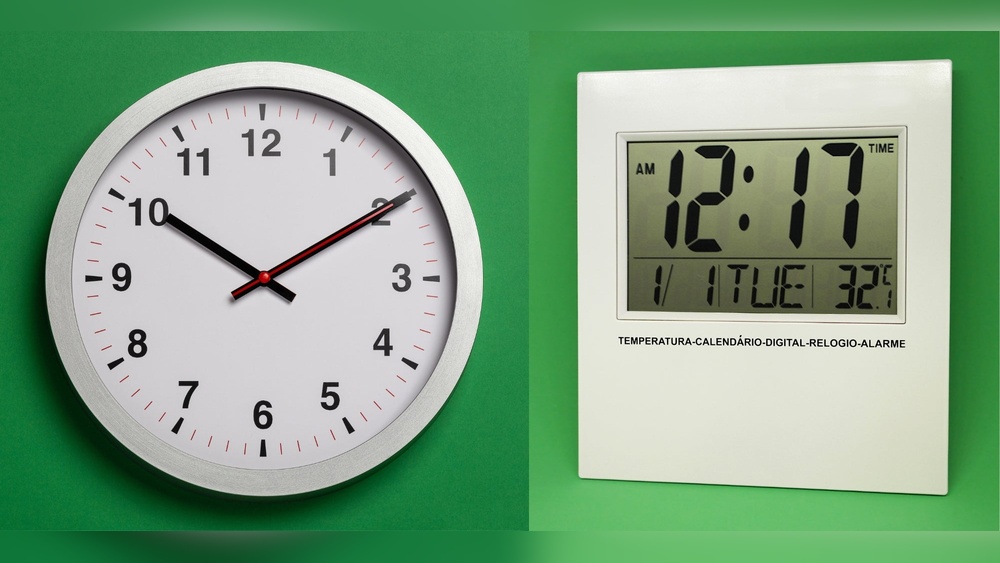
Have you ever glanced at a clock and wondered why some use hands to tell time while others show numbers on a screen? Understanding the difference between analog and digital time can make a big difference in how you manage your day.
Whether you’re picking a watch, setting an alarm, or teaching someone how to read time, knowing which format suits you best is key. Stick with me, and you’ll discover which style fits your lifestyle and why it matters more than you might think.
Ready to unlock the secrets behind these two ways of telling time? Let’s dive in.
Analog Time Basics
Analog time shows hours and minutes using a clock face and moving hands. It is one of the oldest ways to tell time. Many people find it easy to understand and use.
Analog clocks display time visually. This helps users see how much time has passed or remains. The design is simple but effective.
Clock Face And Hands
The clock face is usually round with numbers 1 to 12. It divides the day into 12-hour segments. Two or three hands move around the face.
The shortest hand shows the hour. The longer hand shows the minutes. Sometimes, a thin hand shows seconds too. These hands rotate to point at numbers.
Reading Hours And Minutes
Reading analog time means looking at where the hands point. The hour hand points near a number for the hour. The minute hand points to marks for minutes.
Each number on the clock equals five minutes. For example, if the minute hand points at 3, it means 15 minutes past the hour. Learning this helps tell time quickly.
Common Uses Of Analog Clocks
Analog clocks are found in homes, schools, and offices. They help people learn time skills. Many wall clocks and wristwatches still use analog faces.
Some prefer analog clocks for their classic look. They also show time progress visually. This makes them useful in many settings.
Digital Time Essentials
Digital time has become a common way to tell time in homes and offices. It shows the time in numbers, making it quick and easy to read. Understanding the basics of digital time helps people use clocks better. This section covers key parts of digital time that make it special and useful.
Digital clocks offer clear displays and extra features that analog clocks do not. Many devices, like phones and microwaves, use digital time for accuracy and convenience. Below are the main features and types of digital clocks to know.
Numeric Display Features
Digital clocks show time using numbers, usually in hours and minutes. The numbers are easy to read even from far away. Some clocks also show seconds for more precise timing. The display often uses LED or LCD screens to light up the numbers clearly. This type of display is simple and fast to understand.
Am And Pm Indicators
Many digital clocks use AM and PM to show morning or evening time. AM stands for the time from midnight to noon. PM covers the hours from noon to midnight. This helps avoid confusion between morning and afternoon hours. The indicators appear next to the numbers and are easy to spot.
Popular Digital Clock Types
Digital clocks come in many forms. Alarm clocks are common and help people wake up on time. Wall clocks with digital displays are popular in schools and offices. Wristwatches with digital screens are useful for sports and daily wear. Some digital clocks also show the date and temperature, adding more functions.
Accuracy And Reliability
Accuracy and reliability are key factors in choosing between analog and digital clocks. Knowing how each type performs helps in making the right choice. Both have strengths and weaknesses in this area.
Precision Of Analog Clocks
Analog clocks depend on mechanical parts or quartz crystals. Mechanical clocks can lose or gain a few seconds daily. Quartz analog clocks are more precise but still have minor time drift. External factors like temperature affect their accuracy. Small errors can add up over time. Regular adjustments are needed for better precision.
Digital Clock Accuracy
Digital clocks often use quartz crystals for timing. They keep time more accurately than most analog clocks. Some digital clocks sync with internet or radio signals. This syncing ensures near-perfect accuracy. They rarely need manual adjustments. Digital displays show exact time, easy to read.
Impact Of Power Sources
Analog clocks may run on batteries or mechanical winding. Battery power affects their run time and precision. Mechanical winding clocks stop if not wound regularly. Digital clocks usually need batteries or electricity. Power loss causes digital clocks to reset or stop. Backup power can keep digital clocks running during outages.
Design And Aesthetics
The design and aesthetics of timepieces play a big role in their appeal. Analog and digital clocks offer very different looks. Each style suits different tastes and spaces. Understanding their design helps you choose the right one for your home or office.
Traditional And Vintage Styles
Analog clocks often feature classic, vintage designs. They showcase round faces with Roman or Arabic numerals. Wooden frames and brass hands add charm. These timepieces bring warmth and nostalgia. They fit well in cozy, traditional rooms. Antique or retro lovers appreciate this timeless look.
Modern And Minimalist Looks
Digital clocks lean toward sleek, modern designs. They often have simple, clear displays. LED or LCD screens show time with bright numbers. Many have slim, compact shapes. These clocks suit minimalist and contemporary decor. They add a clean and high-tech vibe to any space.
Customization Options
Both analog and digital clocks offer customization choices. Analog clocks can have different dials, hands, and frames. Digital clocks allow changes in brightness and color. Some models include multiple time zones or alarms. Custom options help match clocks to personal style. This makes them more than just timekeepers.
Ease Of Use
Ease of use is a key factor when choosing between analog and digital time displays. Both types have their own strengths and weaknesses. Understanding these can help you decide which fits your needs best.
Reading Speed Comparison
Digital clocks show time with numbers. This makes reading the time quick and easy. You see the exact hour and minute right away.
Analog clocks use hands on a dial. Some people find it harder to read the exact time. It takes a moment to understand the position of the hands.
For fast reading, digital time often works better. But analog clocks give a better sense of how much time is left in an hour.
Setting And Adjusting Time
Digital clocks usually have buttons to set the time. This can be simple and fast. You press the buttons until you get the right time.
Analog clocks require turning a small knob. This can take more time and may be tricky for some users. You need to be careful to avoid moving the hands too much.
For quick and precise setting, digital clocks have an advantage. Analog clocks need more patience and care.
Accessibility Considerations
Digital clocks are easier for people who struggle with numbers. The clear display shows exact time without guesswork.
Analog clocks can be difficult for people with poor vision. Small hands and numbers are hard to see.
Some analog clocks have large faces and bold numbers. These improve accessibility but still require more effort than digital ones.
Overall, digital clocks often provide better accessibility for many users.

Credit: www.youtube.com
Functional Features
Functional features define how well a clock serves daily needs. They help decide which type fits best for different users. Analog and digital clocks offer different functions beyond basic time display. Understanding these features clarifies which clock suits your lifestyle.
Additional Analog Functions
Analog clocks often include classic features like a sweeping second hand. Some models have luminous hands for easy night reading. Certain analog clocks show the date with small dials. Mechanical versions may include a chime or strike mechanism. These extras add charm and tradition to timekeeping.
Digital Extras And Alarms
Digital clocks provide clear, easy-to-read numbers. Many include multiple alarms for different times. Features like snooze and countdown timers are common. Some digital clocks show temperature or date. These functions make digital clocks practical and versatile.
Smart Clock Capabilities
Smart clocks connect to Wi-Fi and sync with devices. They offer voice control and can play music or podcasts. Some show weather updates and news headlines. They often include customizable alarms and reminders. Smart clocks blend timekeeping with modern technology.
Energy Consumption
Energy consumption plays a key role in choosing between analog and digital clocks. It affects battery life, cost, and environmental impact. Understanding how each type uses power helps make a better choice.
Battery Life Of Analog Clocks
Analog clocks often use a simple quartz movement. This design requires very little energy. Most analog clocks can run for months or even years on a single battery. The slow, steady movement of the hands uses power efficiently. This makes analog clocks a good choice for low energy use.
Power Needs Of Digital Clocks
Digital clocks need more power than analog ones. They use electricity to light up the display and run extra features. Some digital clocks plug into the wall, while others use batteries. Battery-powered digital clocks usually need new batteries more often. The screen and alarms increase power use.
Eco-friendly Clock Options
Eco-friendly clocks focus on saving energy and reducing waste. Solar-powered clocks use sunlight to recharge, cutting battery needs. Mechanical clocks work without batteries by using a winding mechanism. Choosing clocks with long battery life also helps the environment. These options reduce energy consumption and waste.
Cost And Maintenance
Cost and maintenance play a big role in choosing between analog and digital timepieces. Understanding these factors helps you pick the right option for your budget and needs.
Both types have different price points and upkeep demands. Knowing these differences can save money and reduce hassle over time.
Price Range Comparisons
Analog clocks and watches often cost less at the entry level. Basic models use simple mechanics and fewer parts. Digital versions can start higher due to screens and electronics. However, both types offer options for all budgets. High-end analog watches may be more expensive than many digital models. Digital watches with extra features might also cost more.
Durability And Repairs
Analog devices have moving parts that can wear out or break. Repairs might require skill and special tools. Digital clocks have fewer moving parts, which can mean fewer mechanical failures. Still, electronics may fail or screens can crack. Repair costs vary. Analog fixes may be pricier due to complex parts. Digital repairs might be cheaper but depend on the problem and brand.
Long-term Ownership Costs
Battery life differs between analog and digital. Analog watches often use small batteries that last years. Digital devices may need more frequent battery changes. Some digital clocks use USB power or solar energy, reducing costs. Maintenance on analog watches might require occasional cleaning or servicing. Digital clocks usually need less routine care. Consider these factors to estimate overall expenses over time.
Best Uses For Each Type
Both analog and digital clocks have their strengths. Choosing the right type depends on where and how you use them. Each style fits different needs and settings.
Home And Office Settings
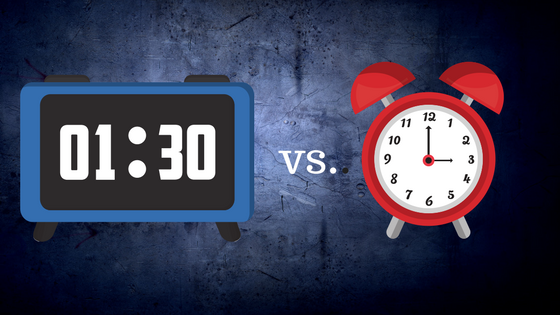
Analog clocks add style to any room. Their classic look suits living rooms and offices well. They show time with clear hour and minute hands. This makes it easy to see time at a glance. Digital clocks work well for desks and kitchens. They show exact time in numbers. This helps with precise scheduling and quick checks.
Educational Environments
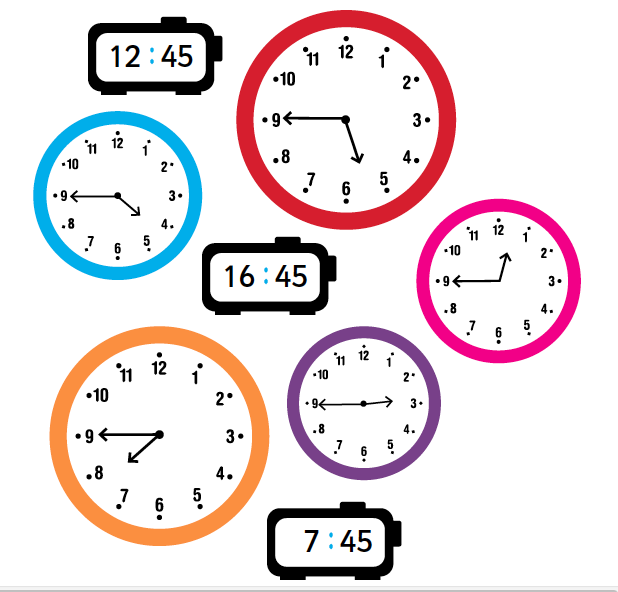
Analog clocks help students learn to read time. They teach the concepts of hours and minutes clearly. Teachers use them in classrooms for this reason. Digital clocks show time in a simple way. They help young children who just start telling time. Both types support different learning stages effectively.
Outdoor And Specialty Uses
Analog clocks are often found in parks and public places. Their large faces can be seen from far away. They do not need electricity if they are mechanical. Digital clocks work well in gyms and sports arenas. They offer countdowns and timers needed in events. Some digital models are bright and easy to read in low light.
Credit: executivefunctioningsuccess.com
Choosing The Right Clock
Picking the right clock matters for daily life and style. Both analog and digital clocks show time well. Yet, each has unique features that suit different needs.
Think about your habits and what fits your room or office. The right clock makes time easy to read and adds to your space.
Personal Preferences
Some people like watching the hands move on an analog clock. It feels classic and calm. Others prefer digital clocks because numbers are clear and quick to read.
Choose a style that feels right to you. A clock is not just a tool but part of your daily routine.
Lifestyle And Needs
Your daily activities affect the best clock choice. A digital clock with a backlight helps at night. Analog clocks work well in quiet, simple spaces.
Consider if you need extra features like alarms or timers. Match the clock to how you live and work.
Budget Considerations
Clocks come in many prices. Simple analog clocks are often cheaper. Digital clocks with many functions may cost more.
Set a budget before buying. Find a clock that fits your price range without losing quality.
Credit: magazine.joovy.com
Frequently Asked Questions
What Is The Main Difference Between Analog And Digital Time?
Analog time shows time with moving hands on a dial. Digital time displays numbers for hours and minutes.
Which Time Format Is Easier For Kids To Learn?
Digital clocks are easier for kids to read because numbers are clear. Analog clocks help kids understand time concepts better.
How Does Analog Time Help With Learning Time Concepts?
Analog clocks show the passing of time visually with hands. This helps people understand hours, minutes, and seconds better.
Why Do Some People Prefer Digital Clocks Over Analog?
Digital clocks are quick to read and show exact time. Analog clocks can be harder to read quickly for some.
Can Both Analog And Digital Clocks Be Accurate?
Yes, both can be very accurate if well made. Digital clocks often use electronic timekeeping for precision.
Conclusion
Both analog and digital clocks show time clearly. Analog clocks help you learn how time flows. Digital clocks give exact numbers fast and easy. Each type has its own benefits and uses. Choosing one depends on what you prefer. Understanding both helps you read time better.
Time is important, and these clocks keep you on track. Pick the style that fits your needs best. Simple, clear, and useful—time stays easy to read.