
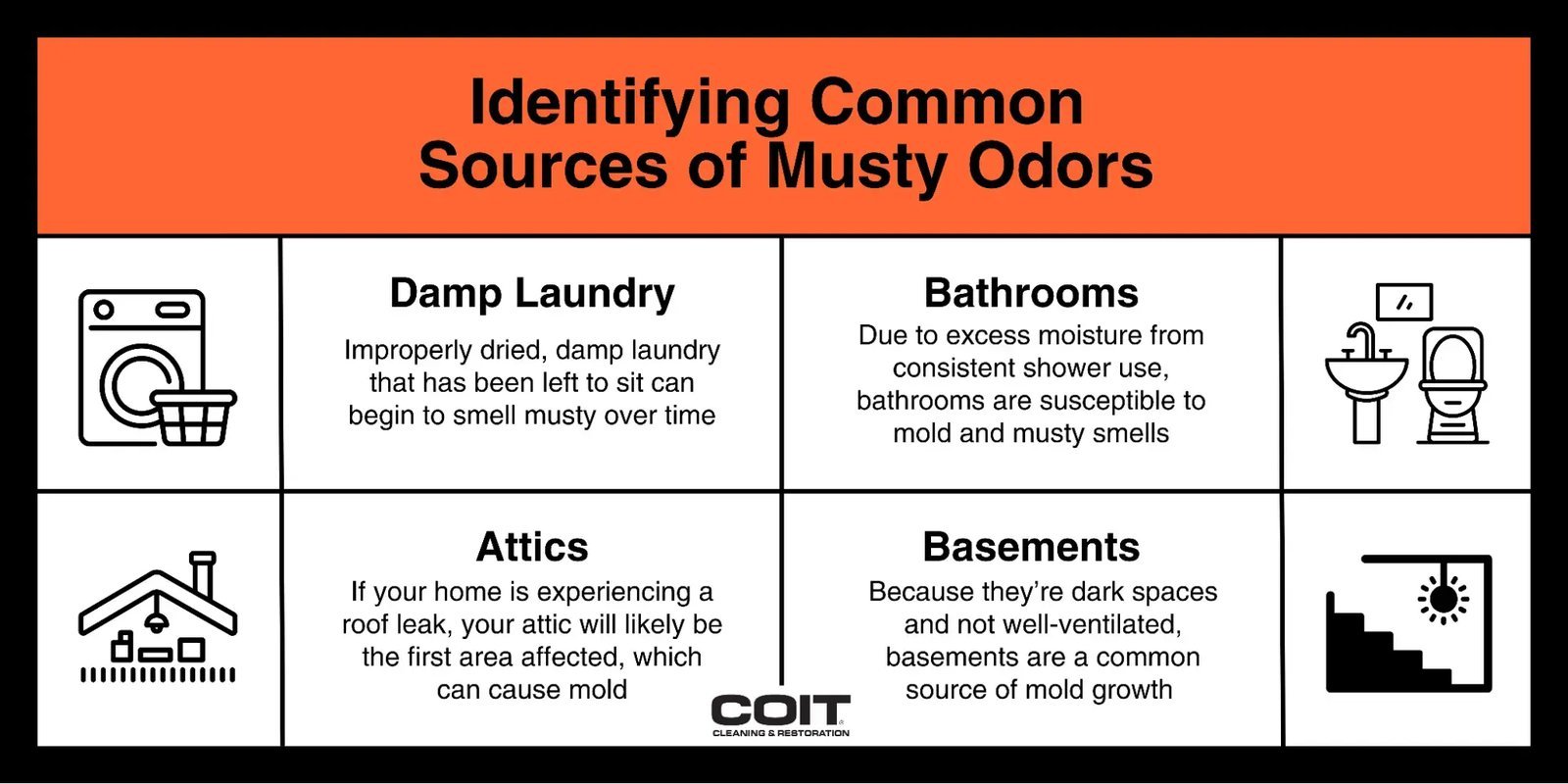
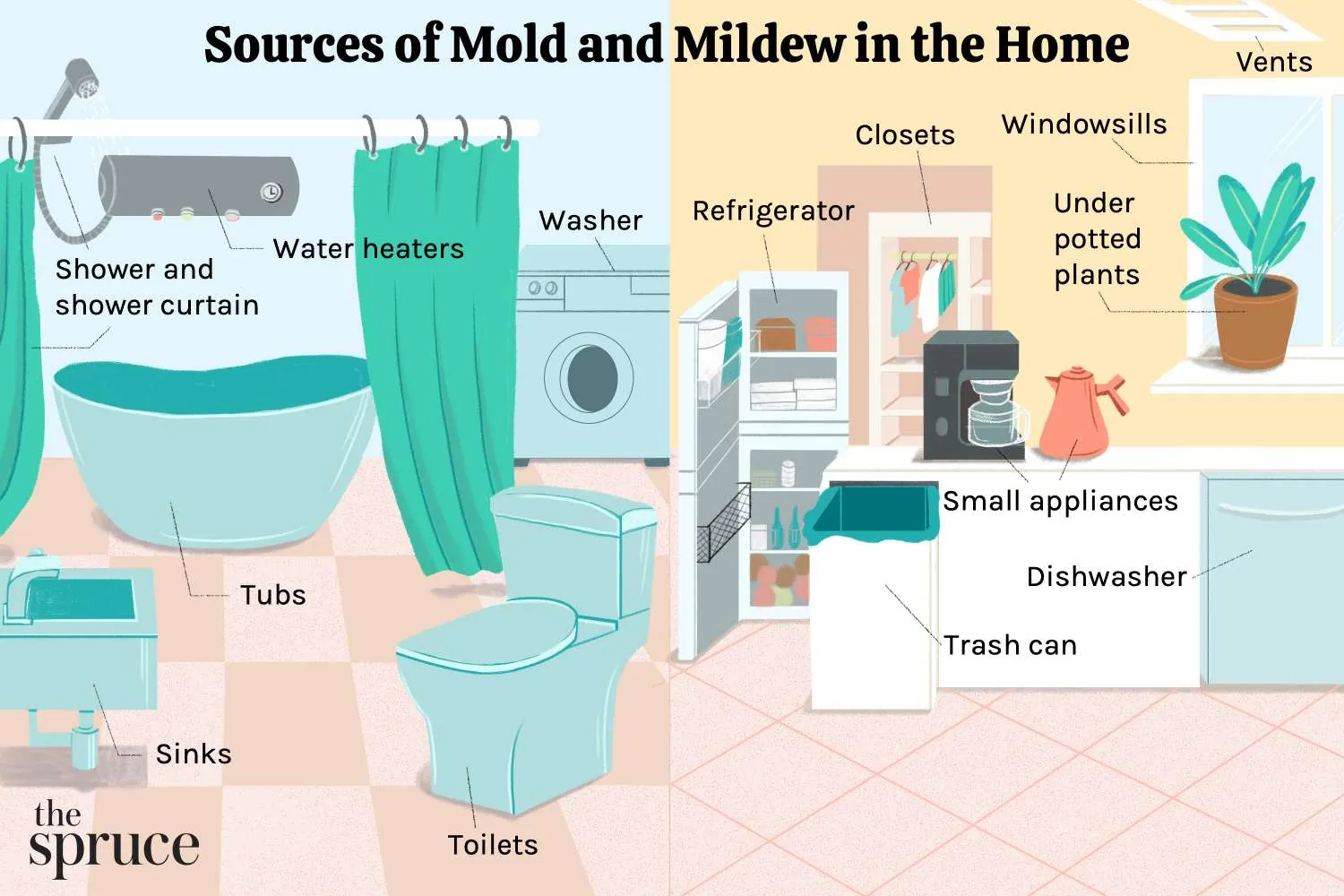
To fix a musty smell in house, you must locate and remove the source of excess moisture, as mold or mildew growth is the primary cause. You can typically identify the problem by checking areas where water collects, such as under sinks, in basements, or near leaky windows. Once you find the damp spot, dry it out and address the leak or condensation issue immediately to stop the odor from returning.
Why your house has a musty smell
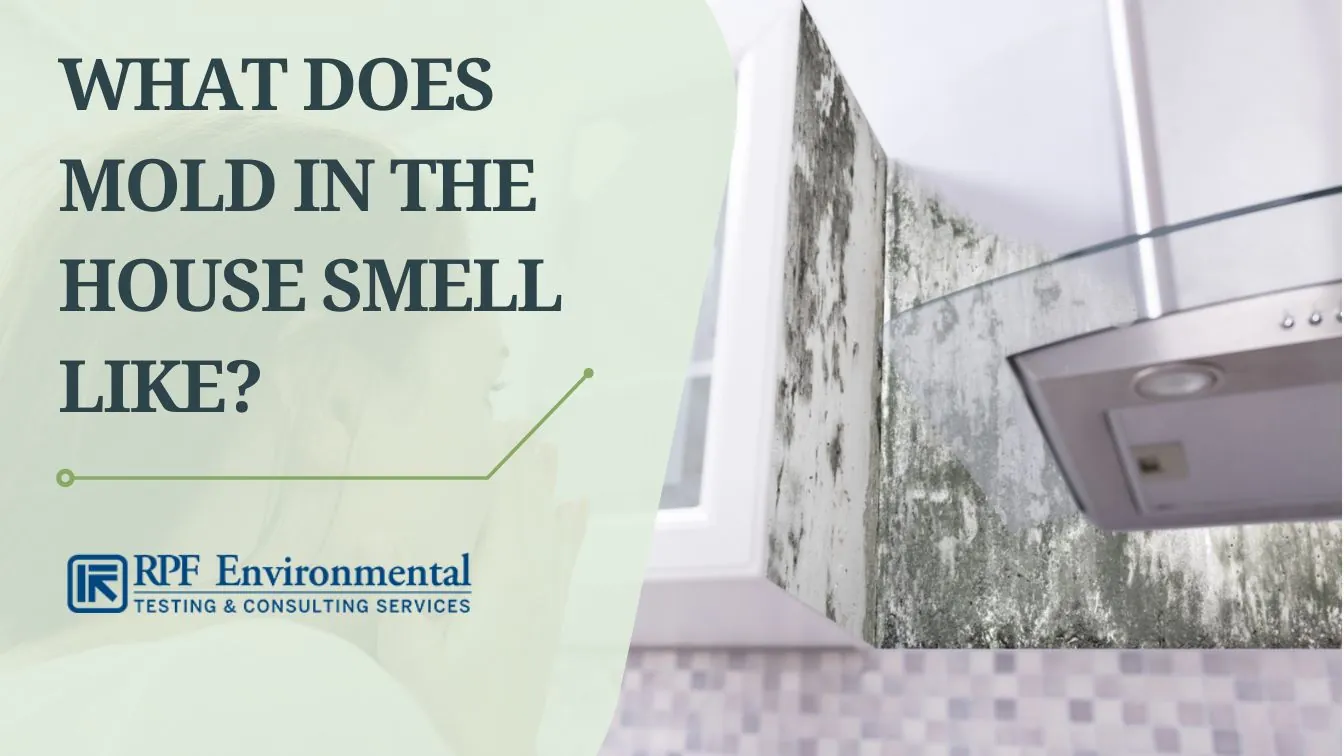
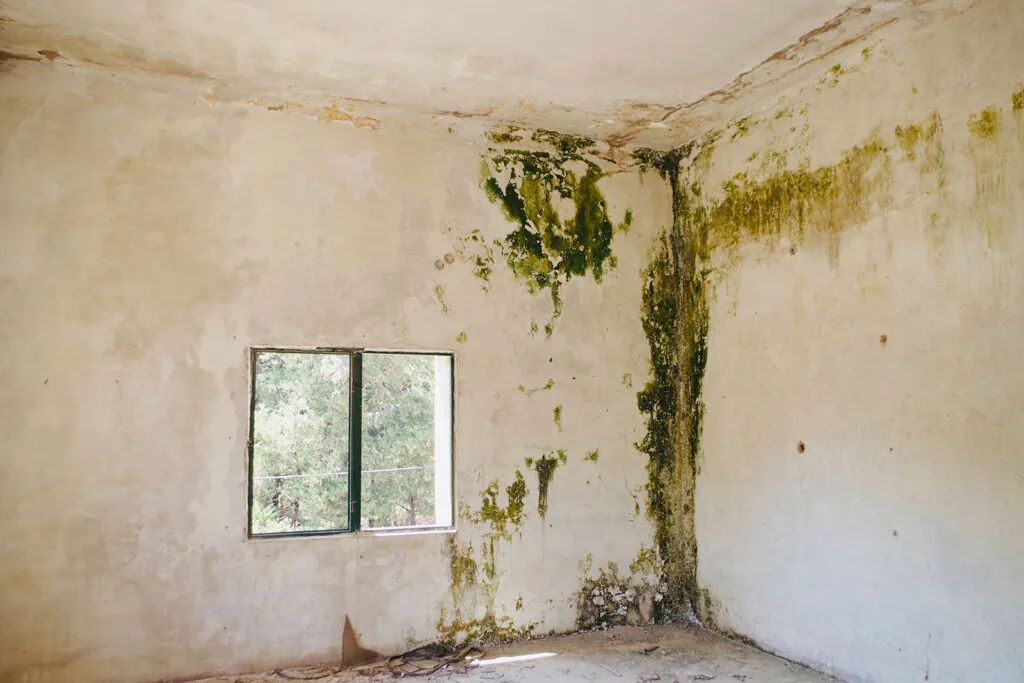
The main reason for these smells is the presence of mold or mildew, which thrive when surfaces remain damp for extended periods. When organic materials like drywall, wood, or carpet become wet, they provide the perfect environment for these organisms to release spores and gases. These gases are what your nose detects as a stale or earthy scent. If you leave these items wet, the fungi will continue to spread across the surface.
Another common cause is poor ventilation in tight spaces. If air can’t move through a room, humidity levels rise, especially in bathrooms or laundry areas. This trapped moisture settles on cool surfaces, leading to condensation. If the humidity stays above 60 percent for long, you’ll likely notice a change in the room’s scent.
According to the United States Environmental Protection Agency, keeping indoor humidity between 30 and 50 percent is the most effective way to prevent mold growth. You can monitor your home’s levels using a simple device called a hygrometer.
Dry Out Affected Surfaces
You should start by drying any material that feels damp to the touch. Use a high-powered fan or a dehumidifier to pull moisture out of the air and the floor. If you’re dealing with carpet, pull it back to check the pad underneath, as water often hides there. If the pad is soaked, it’s usually best to remove and replace it rather than trying to dry it.
If you find mold on hard surfaces like tile or wood, clean the area with a mixture of soap and water. Scrub the surface thoroughly and then wipe it dry with a clean cloth. If you’re cleaning a large area or if you have respiratory issues, wear a mask and gloves to avoid inhaling spores. If the mold covers a large section of a wall, it’s safer to hire a professional remediation service to handle the cleanup.
Improve Airflow and Ventilation
Increasing the movement of air helps prevent moisture from building up again after you have cleaned. Open windows on opposite sides of the house to create a cross-breeze, especially after you have cooked or taken a shower. If your home has an exhaust fan in the bathroom, run it for at least 20 minutes after you finish bathing. This clears the steam before it can settle on your walls or ceiling.
If you have a basement or crawl space, these areas often need mechanical help. A permanent dehumidifier connected to a drain hose is the best way to keep these spots dry without daily effort. If you notice that your windows are sweating during the winter, your indoor humidity is likely too high. In this case, you should raise your thermostat slightly or use a fan to push air toward the glass to keep the surface temperature above the dew point.
Address Hidden Leaks and Seepage
For persistent smells that return despite your cleaning efforts, you likely have a hidden leak behind a wall or under a floor. Check your plumbing pipes for small drips or water stains on the ceiling below a bathroom. If you see dark spots on the drywall, the leak is likely inside that wall cavity. You’ll need to open the wall to repair the pipe and replace any water-damaged insulation or wood.
This step is for those who are comfortable with basic home repairs. If you don’t have experience with plumbing or wall repair, call a licensed plumber or a contractor. Attempting to fix a major pipe burst without the right tools can lead to significant water damage throughout your home. If you’re unsure if a pipe is leaking, check your water meter; if the numbers move while all faucets are off, you have a leak.
Common Mistakes to Avoid
Using air fresheners creates a false sense of security while the underlying mold continues to colonize your drywall. You’re simply layering synthetic fragrance over active fungal spores. If you can still detect a musty scent after spraying, the mold has already compromised the material behind your paint.
Painting over discolored patches is a common error that guarantees a return of the problem within weeks. The moisture trapped beneath the new coat provides a perfect incubator for regrowth. You must physically remove the growth with an EPA-approved biocide before applying any primer.
Never store damp linens or leather in plastic bins. These materials require airflow to remain stable. If you seal them while even slightly humid, you’ll find a ruined collection within ten days. Always dry items completely before long-term storage.
Preventing Future Dampness
Consistent maintenance keeps your home smelling fresh and prevents the conditions that allow mold to start. Compare your current habits with these recommended practices to see where you can improve your home’s moisture control.
| If you’re doing this | Do this instead | Why |
|---|---|---|
| Drying clothes indoors | Use a dryer vent to the outside | Indoor drying adds gallons of water to the air |
| Keeping furniture against walls | Leave a 2-inch gap | Air needs to circulate to prevent condensation |
| Ignoring condensation on windows | Wipe them dry daily | Standing water invites mold onto the window frame |
| Storing firewood inside | Keep wood outside in a dry shed | Wood holds moisture and brings in mold spores |
Related guides
Frequently asked questions
Can a dehumidifier remove a musty smell?
Yes, a dehumidifier removes the excess moisture that allows mold to grow, which effectively stops the production of the musty odor. You should set the unit to maintain a humidity level between 30 and 50 percent. If the smell persists after the room is dry, you may need to deep-clean the surfaces to remove any remaining fungal spores.
How long does it take for a musty smell to go away?
It usually takes 2 to 4 days for a room to lose its musty smell once you have removed the source of moisture and thoroughly dried the area. If the smell remains after a week of active drying, you likely have hidden mold inside a wall or under flooring. You must address the hidden source to see any real progress.
Is it safe to live in a house with a musty smell?
No, it isn’t ideal to stay in a room with a strong musty smell, as it often indicates the presence of mold that can trigger allergies or asthma. If you experience coughing, sneezing, or skin irritation, you should limit your time in that area. Contact a professional to inspect the home if the smell is overwhelming or causing physical symptoms.
Why does my basement smell musty?
Basements often smell musty because they’re below ground level, which makes them prone to water seepage through the walls and floor. Poor airflow in these areas prevents moisture from evaporating, creating a perfect home for mold. To fix this, you need to seal cracks in the foundation and use a dehumidifier to keep the air dry.
What happens if I ignore a musty smell?
If you ignore a musty smell, the mold will likely continue to grow, potentially damaging your home’s structure and ruining items like furniture or carpets. Over time, the concentration of spores in the air will increase, which makes the indoor air quality worse. Early intervention is the only way to avoid expensive repairs and protect your health.
How do I find the source of the smell?
You can find the source by following your nose to the area where the scent is strongest and checking for signs of water. Look for damp walls, peeling paint, or dark spots on wood. If the smell is widespread, check your HVAC system, as dust and moisture trapped in the ducts can circulate the odor throughout the entire house.
Conclusion
Keeping your home fresh doesn’t have to be a constant struggle. Once you’ve cleared the air, try placing a few bowls of white vinegar or activated charcoal in damp corners to absorb any lingering scents. You’ll find that a little consistent airflow makes a big difference in keeping your space feeling clean.