
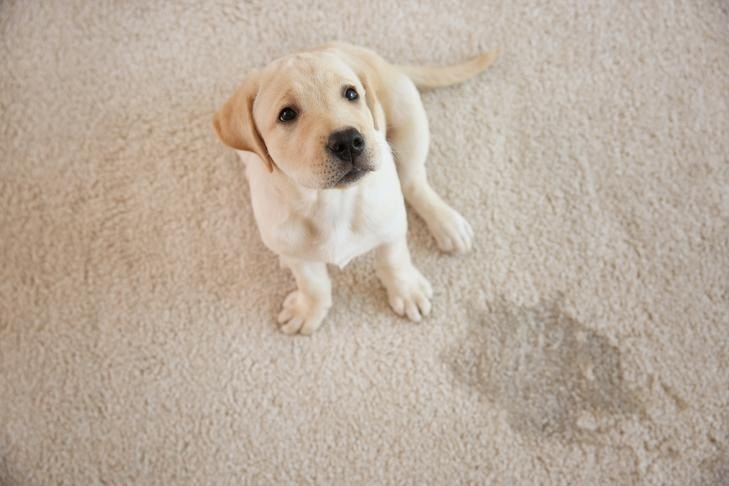
If you’re currently struggling with the persistent, ammonia-heavy odor of a household accident, finding an effective dog pee smell removal strategy is likely your top priority. Dealing with pet accidents requires more than just masking the scent; you must break down the chemical bonds of the uric acid crystals that remain in your floors and fabrics. Without proper treatment, these crystals can stay dormant for months, only to be reactivated by humidity or heat, leading to recurring odors that invite your pet to mark the same spot repeatedly.
Key Takeaways

- Act fast: Blot up fresh accidents immediately using paper towels or a clean cloth to prevent deeper saturation into padding.
- Use enzymes: Always select an enzymatic cleaner rather than a standard household detergent to break down the uric acid molecules.
- Test surfaces: Check for colorfastness on carpets and upholstery in an inconspicuous area before applying any chemical solution.
- Avoid heat: Never use steam cleaners on urine stains, as the high heat will permanently set the protein-based odor.
- Persistence pays: Repeat the cleaning process for older, dried-in stains, as they often require multiple rounds of saturation and drying.
Why Does The Smell Linger?
The primary culprit behind the lingering stench is the high concentration of uric acid found in canine urine. When urine dries, the water evaporates, but the uric acid crystals remain bonded to fibers, concrete, or wood.
According to the Environmental Protection Agency, maintaining proper ventilation is essential while cleaning to ensure that volatile organic compounds don’t accumulate in your living space. Standard cleaning products often contain surfactants or perfumes that merely sit on top of these crystals without neutralizing the source, leading to the “clean but smelly” phenomenon.
Choosing The Right Dog Pee Smell Removal Agents
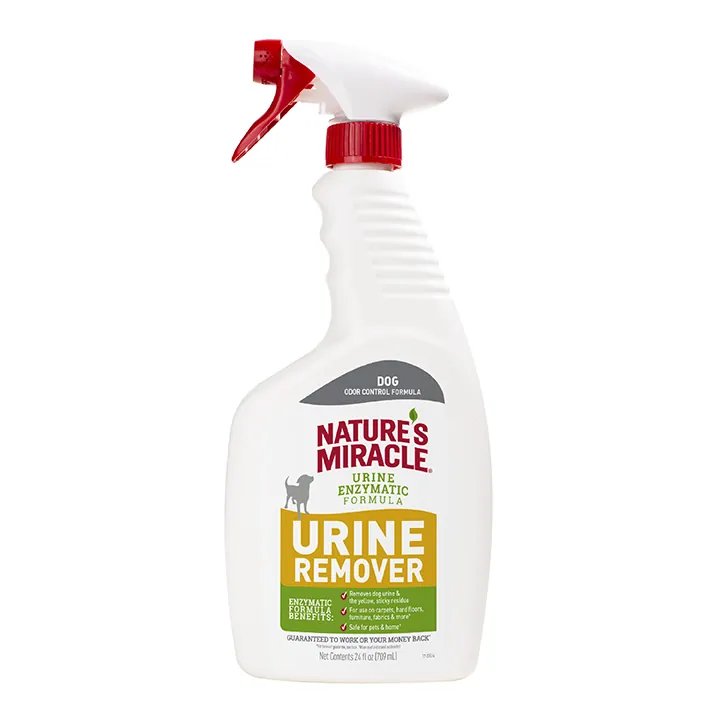
Selecting the correct product is the most critical decision in your cleanup process. You should look for labels that specifically mention “enzymatic” or “bacterial” action. These cleaners contain specialized proteins that effectively digest the organic waste, turning it into a gas that evaporates harmlessly.
| Cleaner Type | Best Use Case | Primary Benefit |
|---|---|---|
| Enzymatic Sprays | Carpets and rugs | Deep protein breakdown |
| Odor Neutralizing Powders | Hardwood and tile | Moisture absorption |
| Blacklight Detectors | Locating hidden spots | Visualizes dried urine |
| Professional Extraction | Large, deep stains | Removes deep-seated residue |
How To Treat Fresh Accidents
For a fresh accident, the goal is to remove as much liquid as possible before it reaches the subfloor. Start by placing several layers of paper towels over the area. Apply firm, downward pressure to absorb the moisture; don’t rub, as rubbing pushes the urine deeper into the fibers.
Once you have blotted up the bulk of the liquid, apply a generous amount of your chosen enzymatic cleaner. Ensure the area is thoroughly dampened, as the cleaner must reach every spot the urine touched to be effective.
Dealing With Dried Urine Stains
Dried stains are significantly more difficult to manage because the crystals have had time to bond with the material. You may need to use a moisture-reactivation method. Lightly mist the area with water to soften the crystals, then immediately apply the enzymatic cleaner.
Cover the damp spot with a clean, dry towel and place a heavy object on top. This creates a “wicking” effect, pulling the dissolved odor-causing compounds out of the deeper layers and into the absorbent towel. This process may need to be repeated two or three times for deep-pile carpets.
Can Hardwood Floors Be Saved?
Hardwood requires a delicate touch, as excessive moisture can cause the wood to warp or buckle. For small accidents, use a mild, wood-safe enzymatic cleaner. Avoid soaking the floor. If the urine has seeped between the boards, you may need to use a specialized odor-sealing primer if the smell persists after multiple cleanings. In extreme cases, sanding the boards and refinishing the surface is the only way to remove the odor permanently.
How To Clean Upholstery Properly
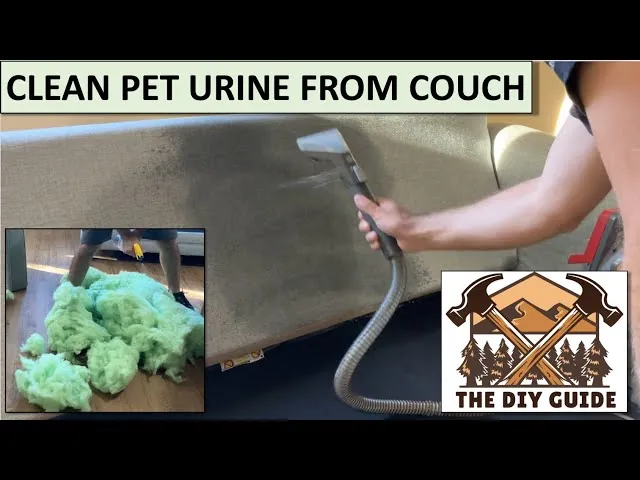
Upholstery presents a challenge because the urine often migrates into the foam cushions. If the cover is removable, wash it in a machine with an enzymatic additive. For the foam itself, you must inject the cleaner into the cushion using a large syringe or spray it heavily and blot repeatedly.
Ensure you allow for adequate airflow; using a box fan to speed up the drying process is highly recommended to prevent mold or mildew growth in the damp interior of the cushion.
Safety Precautions For Pet Owners
Always keep your pets away from the area while the cleaner is working. Some enzymatic formulas can cause minor skin or eye irritation if the pet walks through the wet residue and then grooms their paws. Ensure the room is well-ventilated during the process. If you’re using professional-grade supplies, always wear protective gloves to prevent skin exposure to concentrated cleaning agents.
What Tools Do You Need?
Having the right supplies on hand makes the process much less stressful. Don’t rely on household vinegar or baking soda for severe cases; while these can help with light odors, they aren’t enzymes.
- UV flashlight: Essential for finding invisible “yellow” spots in dim lighting.
- Microfiber cloths: Better than paper towels for lifting deep moisture.
- Heavy-duty paper towels: Necessary for the initial extraction phase.
- Enzymatic cleaner: The gold standard for permanent odor removal.
- Rubber gloves: Protects your hands from chemicals and bacteria.
How To Use A Blacklight
A UV flashlight is an invaluable tool for any pet owner. Turn off all the lights in the room and slowly scan the carpet and walls. Urine will fluoresce under the UV light, appearing as a bright, glowing yellow or white patch. Mark these areas with a piece of masking tape before turning the lights back on. This allows you to treat the specific source of the odor rather than guessing where the pet may have gone.
Troubleshooting Stubborn Lingering Odors
If the smell returns after a week, it’s usually because the cleaner didn’t reach the entirety of the contaminated area. This often happens with “splash” marks that travel up baseboards or furniture legs. Check the surrounding vertical surfaces. Additionally, if the urine soaked into the carpet pad, you might need to lift the carpet and treat the subfloor directly. If the subfloor is porous, such as concrete, you may need an odor-blocking sealer designed for masonry.
Related guides
Frequently Asked Questions
Does vinegar work on urine?
Vinegar is an acid that can help break down some components of urine, but it doesn’t contain the enzymes necessary to digest uric acid crystals. While it may temporarily mask the smell, it’s generally ineffective for deep-seated stains. It’s best used as a secondary cleaning agent for sanitizing, but it shouldn’t be your primary method for total odor elimination.
Why does the smell get worse after cleaning?
When you first apply a liquid cleaner to a dried urine stain, it rehydrates the uric acid crystals, which can temporarily release a stronger scent. This is a normal part of the chemical breakdown process. As the cleaner works and the area eventually dries completely, the odor should dissipate. If it remains strong after the area is bone-dry, repeat the treatment.
Can I use store-bought carpet shampoos?
Most standard carpet shampoos are designed to remove surface dirt and oils, not biological waste. Unless the product label explicitly states it contains live enzymes or bacteria, it will likely fail to neutralize pet urine. If you use a machine, ensure you use a dedicated enzymatic solution in the tank rather than a generic soap-based detergent.
Will baking soda remove the smell?
Baking soda is a deodorizer, not a cleaner. It can absorb moisture and neutralize some surface-level odors, but it can’t penetrate the fibers to reach the source of the smell trapped in the padding. Using baking soda alone will leave the uric acid crystals behind, meaning the odor will return as soon as the humidity rises.
Is professional cleaning worth the cost?
Professional cleaning is recommended if the stain is large, has reached the hardwood subfloor, or has penetrated high-end upholstery. Professional services typically range from $150 to $450 for room-sized treatment. They use industrial-grade extractors and high-strength enzymes that are far more effective than consumer products, which can save you money on potential carpet or floor replacements in the long run.
Conclusion
The most effective way to eliminate the smell for good is to combine the use of a UV light to find every hidden spot with a high-quality enzymatic cleaner that’s allowed to air-dry completely. Don’t rush the process, and ensure you treat the entire affected area rather than just the center. Start by purchasing an enzymatic cleaner today to stop the cycle of recurring accidents.