

A car smells like fish most often because of an electrical short, a coolant leak, or a rotting organic material trapped in the cabin air system. When plastic wire insulation overheats or burns, it releases a sharp, chemical odor that mimics the smell of rotting seafood. If you notice this scent, you should check your vehicle for immediate signs of melting wires or damp carpets, as these issues require different levels of professional attention.
Why your car smells like fish

You can identify the source of the smell by checking the specific conditions under which it appears. This table helps you narrow down the most likely culprit based on when the scent is strongest.
| Potential Source | When it smells strongest | Likely culprit |
|---|---|---|
| Electrical system | When lights or AC are on | Melting wire insulation |
| HVAC system | When the fan is running | Moldy cabin air filter |
| Cooling system | After the engine warms up | Leaking engine coolant |
| Vehicle interior | After rain or spills | Trapped organic matter |
Melting electrical wires
An electrical short is the most serious cause of a fishy smell in your vehicle. When insulation on wires starts to melt due to a short circuit or a loose connection, the chemical reaction creates a pungent, fish-like odor. This is a sign that your vehicle’s electrical system is under stress and could lead to a fire if left unaddressed.
- Check your dashboard and lighting for flickering, which often occurs alongside melting wires.
- Look for any smoke or visible charring near your fuse box or under the steering column.
- Note if the smell intensifies when you turn on the headlights, radio, or air conditioning.
If you suspect an electrical issue, don’t continue to drive the car. This isn’t for the DIY enthusiast, as electrical systems are complex and carry a risk of fire. You should have a certified mechanic inspect the wiring harness immediately to prevent further damage.
Leaking engine coolant
Coolant, or antifreeze, often contains chemicals that produce a sweet, fishy, or syrupy scent when it leaks onto hot engine parts. This occurs because the ethylene glycol in the fluid vaporizes as it touches the hot engine block or exhaust manifold. If you notice this smell, you must verify your coolant levels to ensure the engine doesn’t overheat.
- Check the coolant reservoir under the hood to see if the fluid level is below the “min” line.
- Look for puddles under the front of the vehicle after it has been parked for a few hours.
- Watch your temperature gauge on the dashboard for any spikes while driving.
If the coolant is low, top it up with the specific type recommended in your owner’s manual. If you see a puddle, you need to visit a repair shop to have the cooling system pressure-tested. A small leak can quickly turn into a major engine failure if the seal or hose bursts completely.
Moldy cabin air filter

A dirty or damp cabin air filter is a common source of musty, fishy odors that appear when you turn on the air conditioning or heater. Moisture often collects in the housing of the filter, allowing mold and mildew to grow on the paper fibers. This is particularly common in humid climates or after heavy rainfall.
- Feel the carpet on the passenger side floor to see if it’s damp, which indicates a blocked drain.
- Check the age of your filter; most manufacturers suggest replacing them every 12,000 to 15,000 miles.
- Listen for a rattling sound from the blower motor, which can happen if debris has entered the system.
If the filter is black or gray with debris, it’s time for a replacement. This is a simple task that most owners can handle by accessing the filter compartment, usually located behind the glove box. If the smell remains after changing the filter, the evaporator core might need professional cleaning.
Trapped organic matter
Decomposing organic material, such as food spills, pet accidents, or wet leaves, can produce a strong fishy scent as it breaks down. This often happens if debris falls into the air intake vents near the windshield or if liquids seep deep into the seat foam. The smell is usually worse on warm days when the heat causes the trapped moisture to evaporate.
- Inspect the area under your floor mats for hidden spills or wet spots.
- Clear out any leaves or pine needles from the plastic cowl panel at the base of your windshield.
- Vacuum the interior thoroughly, including the crevices between the seats and the center console.
If the odor is coming from the carpet, you may need a professional upholstery cleaning service to reach deep into the padding. Simple vacuuming won’t remove bacteria that have already settled into the foam. If you can’t find the source, check the trunk or spare tire well, as spills often migrate into these hidden spaces.
Other potential sources
- Exhaust leaks: A crack in the exhaust manifold can sometimes produce a strange, metallic-fish odor as exhaust gases leak into the cabin air intake.
- Transmission fluid: Overheated transmission fluid can sometimes smell like burnt fish; check the fluid level if you notice shifting issues.
- Dead animals: Small rodents can sometimes crawl into the ductwork and die, creating a very strong, lingering odor that requires professional cleaning.
How to identify the source
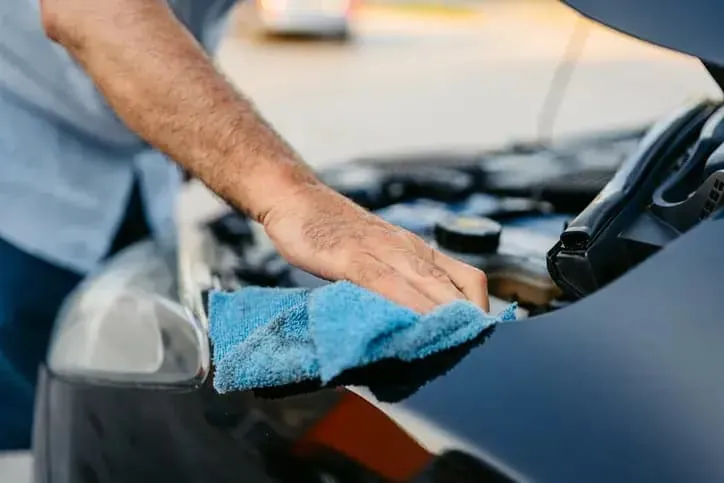
You can narrow down the cause by testing the vehicle’s systems one by one. Start by turning the fan on high without the air conditioning engaged; if the smell appears immediately, the issue is likely the cabin air filter or debris in the vents. If the smell only starts after the engine reaches operating temperature, focus your inspection on the cooling system and engine bay.
If the smell appears only when electrical accessories are active, you have an electrical short. These issues can be combined if a leak has caused an electrical short, but usually, they’re distinct problems. Picking one area to investigate prevents you from wasting time on parts of the car that are working perfectly.
Related guides
Frequently asked questions
Is it safe to drive if my car smells like fish?
No, it isn’t safe to drive until you identify the source. A fishy smell often indicates an electrical short, which creates a high risk of vehicle fire, or a cooling system leak that can lead to total engine failure. Pull over and have the vehicle inspected if the smell is strong or accompanied by smoke.
How long does it take to fix a fishy smell?
If the cause is a cabin air filter, the fix takes about 15 minutes. However, if the smell comes from a leaking heater core or a damaged wiring harness, the repair can take several hours or even days. The exact time depends on whether the dashboard needs removal to access the faulty part.
Can a fishy smell in a car cause health issues?
Yes, inhaling fumes from burning plastic or chemical leaks can cause headaches, dizziness, and respiratory irritation. These odors aren’t just an annoyance; they indicate that toxic substances are circulating through your cabin air system. You should keep your windows open until you can get the vehicle inspected by a professional.
Does a fishy smell always mean my car is burning?
No, it doesn’t always mean there’s a fire, but it’s a major warning sign. While moldy filters or old food produce similar smells, you can’t distinguish between “moldy” and “burning” without a physical inspection. Always treat the smell as a potential fire hazard until you confirm it’s just a dirty filter.
What happens if I ignore the fishy smell?
Ignoring the smell often leads to a complete breakdown of the affected system. A small coolant leak will eventually empty your reservoir, causing the engine to overheat and warp the cylinder head. An electrical short will eventually burn through the wire insulation, potentially disabling your lights, ignition, or other critical safety systems.
Does the smell of fish mean my catalytic converter is broken?
No, a broken catalytic converter typically produces a rotten egg smell, which comes from sulfur. If your car specifically smells like fish, it’s almost certainly electrical insulation, coolant, or organic rot. Don’t focus on the exhaust system unless you also notice a loss of power or a check engine light.
Conclusion
Start by checking your cabin air filter and the areas under your seats for spills. If these areas are clean, open the hood and look for signs of coolant leaks or burnt wires. If you still can’t locate the source, take the vehicle to a professional mechanic, as the issue may be hidden inside the dashboard or engine housing.