

A car smells like exhaust when gasses from the engine or the exhaust system escape into the cabin instead of exiting through the tailpipe. This problem usually points to a leak in the exhaust manifold, a broken exhaust pipe, or a failed seal around the trunk or windows. Because exhaust contains carbon monoxide, you must treat this smell as a serious health risk and ventilate the vehicle immediately by opening all windows.
Why your car smells like exhaust
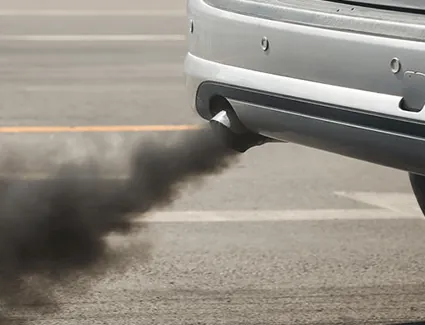
The following table summarizes the most frequent reasons for exhaust odors inside your vehicle. Each item represents a specific area where the exhaust path may be compromised, allowing fumes to enter your personal space while driving.
| Source of Smell | Primary Cause | Typical Example |
|---|---|---|
| Exhaust Manifold | Cracked metal or bad gasket | Hissing sound near engine |
| Exhaust Pipe | Holes from rust or damage | Loud noise under the car |
| Trunk Seal | Worn rubber weather stripping | Smell stronger near back seat |
| Window Seals | Gaps in door or glass | Fumes enter while idling |
| Tailpipe | Improperly routed or blocked | Exhaust trapped under body |
Exhaust manifold leaks
A leak in the exhaust manifold happens when the metal part connecting the engine cylinders to the exhaust system cracks or its gasket fails. This releases hot, high-pressure gases directly into the engine bay, which then get pulled into the cabin through the fresh air intake vents. If you hear a ticking or hissing noise that gets faster as you accelerate, this is a major sign of a manifold issue.
- High engine noise levels during acceleration indicate a breach in the manifold gasket.
- Visible soot marks or black carbon deposits on the engine block suggest a leak.
- Burning smells often accompany exhaust odors if the gas touches plastic engine parts.
If you smell fumes, pull over safely and check the engine bay for any signs of loose bolts or damaged metal near the engine block. You can see these signs by looking for dark, scorched areas on the metal surfaces. Never touch the exhaust manifold while the engine is hot, as it can cause severe burns. If you see cracks or missing bolts, a professional mechanic must perform the repair.
Damaged exhaust pipes
An exhaust pipe leak occurs when the tubing running under your vehicle develops holes or cracks from road debris, heavy rust, or impact. Since this pipe is meant to carry gases to the back of the car, a break in the middle allows fumes to accumulate under the floorboards. Once the car stops moving, these gases often seep upward through small gaps in the floor or around the pedals.
- Excessive noise from underneath the car is the most common symptom of a pipe break.
- Visible rust or holes on the underside of the tubing confirm a structural failure.
- Vibrations felt through the floor can indicate the pipe is loose and hitting the chassis.
Inspect the underside of your vehicle while it’s parked on a flat, level surface. Look for heavy corrosion or sections of pipe that appear thin and flaky. If the pipe is hanging or dragging on the ground, don’t drive the vehicle. A broken pipe creates a fire risk if it touches dry grass or debris, so it requires immediate replacement by a qualified automotive technician.
Trunk and window seals
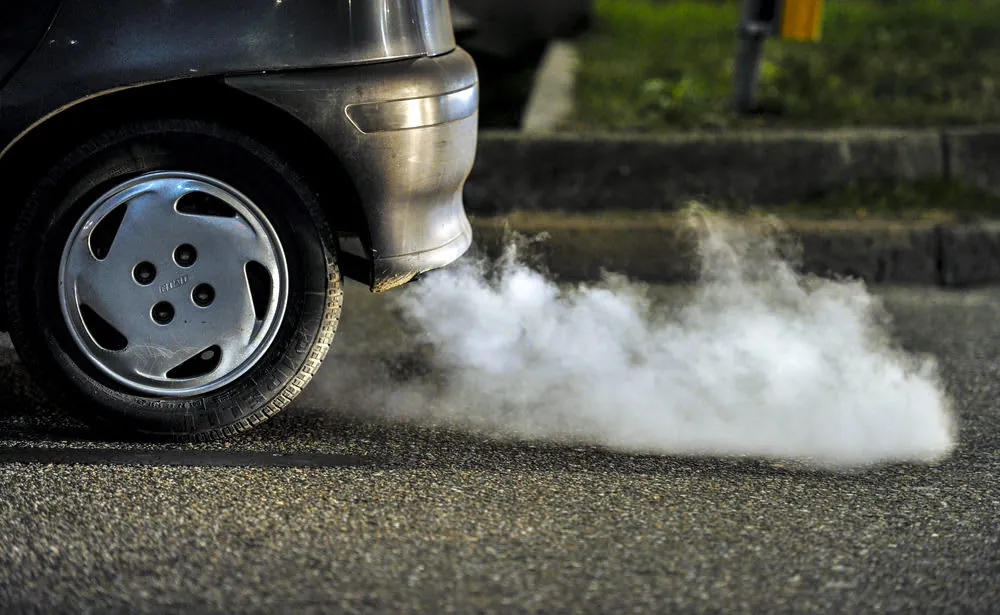
Worn or damaged rubber seals around your trunk, windows, or doors can fail to prevent exhaust gases from being drawn into the cabin by the low-pressure area created behind a moving vehicle. This usually happens when the vehicle is idling in traffic or moving at low speeds, as the air pressure behind the car swirls fumes toward the rear openings. Replacing these seals is a simple fix that prevents air leaks.
- Water leaks during rain indicate that your rubber weather stripping has lost its seal.
- Visible gaps or cracked rubber around the trunk lid suggest a pathway for fumes.
- Wind noise at high speeds often points to poor window or door insulation.
Check your trunk seal by closing the lid on a piece of paper; if you can pull the paper out with almost no resistance, the seal is too loose. You can find replacement weather stripping at most auto parts stores. This is a DIY-friendly task that only requires cleaning the old adhesive and pressing the new rubber strip into place along the frame.
Loose or misaligned tailpipe
A tailpipe that’s bent or cut too short will dump exhaust gases directly under the rear bumper instead of safely behind the vehicle. This causes the fumes to bounce off the road surface and travel upward into the trunk or cabin area. If you recently had a bumper repair or hit a curb, your tailpipe might be misaligned, which is a common error that creates an exhaust smell.
- Tailpipes that don’t extend past the rear bumper are likely to cause air turbulence.
- Misaligned hangers can cause the pipe to sit too close to the car’s body.
- Soot buildup on your rear bumper indicates that exhaust isn’t clearing the vehicle.
Check the position of your tailpipe relative to the rear bumper. If your tailpipe is damaged or sits too far inward, have a muffler shop adjust the hangers or extend the pipe to ensure gases clear the vehicle body completely.
Other potential sources
- Catalytic Converter: A failing catalytic converter can produce a rotten egg smell, which is often confused with exhaust. If you notice this odor, have a mechanic check the converter for clogs or damage.
- Oil Leaks: Oil dripping onto a hot exhaust pipe creates a thick, acrid smoke that smells very similar to exhaust. Check your driveway for oil spots to confirm if your engine is leaking fluids.
- Fuel System: A leak in the fuel line or a faulty fuel cap can cause raw gasoline fumes to enter the cabin. This smell is sharper and more chemical than standard exhaust gases.
How to choose the right fix

Deciding which fix you need depends on where the smell is strongest and when it happens. If the smell only occurs while the car is moving, check the exhaust pipe and manifold, as wind is forcing gas under the car. If the smell is present even while idling, check the trunk and window seals, as fumes are likely leaking into the cabin from the rear.
If you hear loud engine noises, the issue is almost certainly a manifold or pipe leak, which requires a professional. If you see signs of wear on rubber seals, you can fix this yourself with basic tools. These issues are rarely combined; usually, one major leak is the root cause. Picking the right item means observing if the sound or the intensity of the smell changes with your engine speed or vehicle movement.
Related guides
- How to Fix a Hole in a Gun Stock: Step-by-Step Repair Guide in 2026
- Can You Use Oil Based Primer Over Latex Paint? The Fix in 2026
- How to Fix Polyurethane Mistakes: A Step-by-Step Repair Guide in 2026
Frequently asked questions
Is it safe to drive with an exhaust smell?
No, it isn’t safe to drive your vehicle if you smell exhaust. Exhaust contains carbon monoxide, which is a poisonous gas that can cause dizziness or loss of consciousness. If you smell it while driving, open all windows immediately to ventilate the cabin and pull over as soon as it’s safe.
How much does an exhaust repair cost?
Costs vary significantly based on the specific part that failed and your vehicle model. A simple seal replacement is inexpensive for parts, while replacing an entire exhaust manifold or catalytic converter can cost several hundred dollars. Ask a local repair shop for a diagnostic quote to get an accurate estimate.
Can a bad fuel cap cause exhaust smells?
Yes, a loose or damaged fuel cap can allow raw fuel vapors to escape, which some drivers mistake for exhaust. If you smell gasoline, check your fuel cap first to ensure it’s tightened correctly. If the cap is cracked, replace it immediately to prevent fuel evaporation and potential engine issues.
Why does my car smell like exhaust only when I accelerate?
This usually happens because a leak in the exhaust manifold or front pipe opens up under high pressure. When you accelerate, the engine pushes more gas through the system, forcing more fumes out of any small cracks. This is a mechanical fault that requires a professional inspection of the exhaust manifold.
Does a loud car always mean an exhaust leak?
No, but a sudden increase in volume is a primary indicator of a hole in the exhaust system. If your car has become significantly louder over a short period, it’s likely that a pipe has rusted through or a hanger has broken. Have the system inspected to ensure gases are exiting properly.
How long can a car run with an exhaust leak?
You shouldn’t run a car with an exhaust leak for any length of time. Beyond the health risks of inhaling fumes, a leak can cause engine performance issues and may damage other parts of your vehicle. Treat any exhaust smell as an urgent maintenance item that needs professional attention right away.
Conclusion
Start by inspecting your trunk and door seals for any visible damage or gaps. If the seals look solid, check the underside of your car for any hanging pipes or rust holes. If you can’t find an obvious leak, take the car to a professional mechanic immediately. If you ever feel lightheaded or nauseated while driving, stop the car and get fresh air until the fumes clear.