

The most common reason your car smells like dog is trapped pet dander, hair, and moisture embedded in your vehicle’s fabric seats, carpets, and air filters. Bacteria thrive in these organic materials, which release a strong, musty odor when the cabin heats up or the air conditioning runs. You can usually resolve this by cleaning the upholstery and replacing the cabin air filter, but persistent smells may indicate that pet fluids have soaked into the foam padding beneath your seats.
Why your car smells like a dog

| Item | Best for | Example |
|---|---|---|
| Cabin air filter | Trapped air smells | Paper or charcoal filter |
| Fabric upholstery | Surface dander removal | Cloth seat covers |
| Floor carpets | Deep dirt buildup | Removable rubber mats |
| Seat foam padding | Soaked-in pet fluids | Seat cushion base |
Cabin air filter
The cabin air filter is the primary place where dust, fur, and dander collect to circulate unpleasant odors through your vents. It suits drivers who notice the smell becoming significantly worse the moment they turn on the car’s heater or air conditioning system.
- Removes pet dander and hair particles from the ventilation stream.
- Prevents dust buildup that creates a musty smell in the blower motor.
- Improves airflow efficiency by clearing a clogged intake path.
If your vehicle was manufactured after the late 1990s, the filter is typically located behind the glove box or under the dashboard. Check your owner’s manual to find the exact location and the specific part number for your model.
If you see visible hair or dark gray debris on the filter material, it’s time for a replacement. Most manufacturers recommend changing this filter every 12,000 to 15,000 miles, though you should verify this interval in your vehicle maintenance schedule provided by the manufacturer.
Fabric upholstery
Fabric seats act like a sponge for dog oils and dander that settle deep into the woven fibers. This source of odor is best addressed by those who have cloth interiors rather than leather or vinyl, as cloth requires more intensive cleaning to reach the trapped particles.
- Extracts oils that cause the classic wet-dog smell.
- Removes loose hair that vacuuming alone often misses.
- Neutralizes odors at the source rather than masking them with fragrance.
If your seats feel slightly tacky or look dull, they likely hold a high concentration of pet oils. Use a dedicated upholstery cleaner and a soft-bristle brush to work the foam into the fabric, then use a wet-dry vacuum to extract the moisture.
A common mistake is using too much water; if the seat cushion stays damp for more than 24 hours, you risk creating mold, which will make the smell much worse. Always perform this on a dry, sunny day so you can leave the windows open to ensure the seats air out completely.
Floor carpets

Car carpets are often the most neglected area, yet they collect the largest volume of mud, fur, and outdoor moisture brought in by paws. This area is perfect for deep cleaning if you notice the smell is strongest when you enter the vehicle or move your feet around the footwell.
- Lifts dirt and debris trapped in the carpet pile.
- Removes bacteria that grow in damp, dark footwells.
- Eliminates odors that attach to the insulation beneath the carpet.
If your carpets are removable, take them out of the car entirely to scrub them with a stiff brush and a mild detergent. For fixed carpet, use a concentrated cleaner, but be careful not to soak the floorboards.
A major limit here is the wiring harnesses that often run under the carpet in modern vehicles; if you spray too much liquid, you risk damaging sensitive electronic components. If you suspect moisture has reached the metal floor pan, you should stop and consult a professional detailer who has the equipment to remove the seats and dry the area safely.
Seat foam padding
The foam padding inside your seats can absorb urine or deep-seated spills that surface cleaners can’t reach. This is a common issue for pet owners who transport large dogs that may have had accidents or spent hours sitting in one spot.
- Targets odors that persist even after the fabric surface is clean.
- Prevents the smell from returning when the interior warms up.
- Provides a sanitary environment for passengers.
If you have cleaned the surface fabric and the smell remains just as strong, the odor is likely trapped in the foam. This isn’t a task for a standard home user, as it requires removing the seat covers and possibly replacing the foam block itself. If you detect a sharp, ammonia-like scent, it’s best to visit a professional upholstery shop. They have the tools to safely disassemble the seat without triggering airbag sensors or damaging internal seat heating elements.
Other sources of odors
- Trunk liners: These often harbor loose hair and mud that get kicked off during transport; remove and scrub them outside the vehicle.
- Seat belts: These webbing straps can absorb odors from a dog’s coat; wipe them down with a damp cloth and mild soap.
- Air ducts: If the smell persists after a filter change, the ducts may need professional sanitizing to remove mold spores.
How to choose the right cleanup
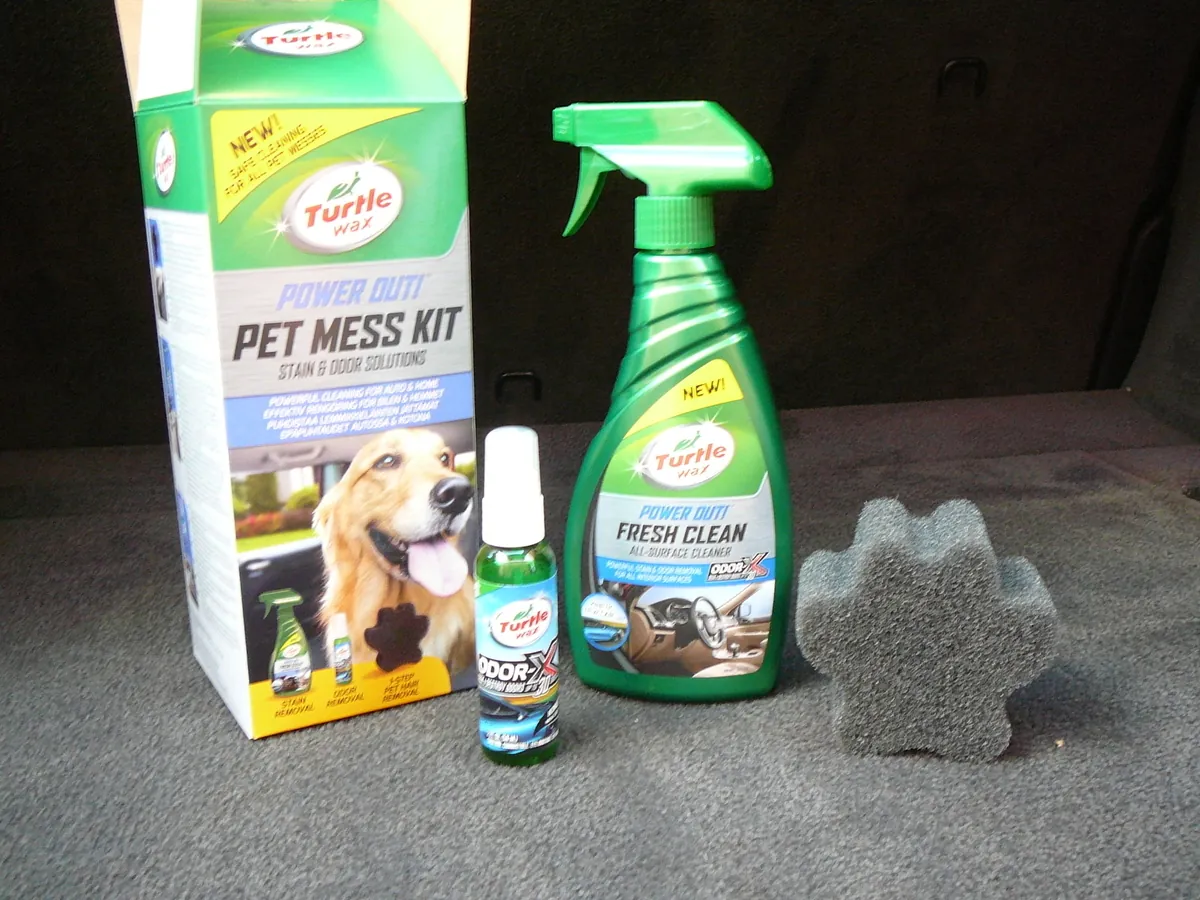
You can identify your source by conducting a simple sniff test in different areas of the car. If the smell is only present when the air is blowing, start with the cabin air filter. If the smell is constant but stronger near the seats, focus on the fabric upholstery.
If you smell it primarily when you sit down or move your feet, the floor carpets are the likely culprit. You can combine these steps, but always start with the filter, as it’s the easiest and cheapest fix.
Related guides
- How to Remove Mold From Wood Furniture: A Step-by-Step Guide in 2026
- How to Remove JB Weld: Proven Removal and Cleaning Methods in 2026
Frequently asked questions
Can a car wash remove the dog smell?
A standard exterior car wash won’t remove the smell, as it doesn’t address the interior surfaces where pet dander settles. You need an interior detail that includes vacuuming, shampooing the carpets, and cleaning the upholstery to physically remove the organic matter causing the odor.
How long does it take for the smell to go away?
The odor won’t disappear on its own and typically stays until the source is removed, which can take several hours of active cleaning. If you have deep-seated pet fluids in the foam, the smell may persist indefinitely until that specific section of padding is replaced or professionally treated.
Is it safe to use ozone generators?
Using an ozone generator is generally not recommended for home users because ozone is a respiratory irritant and can damage your vehicle’s rubber seals and dashboard plastic. If you feel you need an ozone treatment, hire a professional who knows how to operate the machine safely without harming the car’s interior.
What happens if I use too much cleaner?
Applying too much liquid cleaner can trap moisture in your seats or carpet, which leads to mold and mildew growth. Always use the minimum amount of moisture necessary to lift the dirt, and use a wet-dry vacuum to remove as much liquid as possible immediately after scrubbing.
Does the dog breed matter for the smell?
The smell intensity often varies based on the dog’s coat type and skin oil production, which can make some cars smell stronger than others. Regardless of the breed, the cleaning method remains the same: you must remove the dander, hair, and oils from the porous surfaces of your vehicle.
How often should I clean the interior?
You should aim to vacuum and wipe down your interior at least once a month if you transport a dog regularly. This frequency prevents hair and oils from becoming embedded in the fibers, making the deep cleaning process much faster and more effective when you do it.
Conclusion
Start by vacuuming the entire interior thoroughly to remove all loose hair and debris. Once the car is clear of loose material, check the cabin air filter to see if it needs a replacement. If the smell remains after these steps, you should contact a professional detailer to assess if the odors have penetrated deeper into the seat foam or ventilation system.