
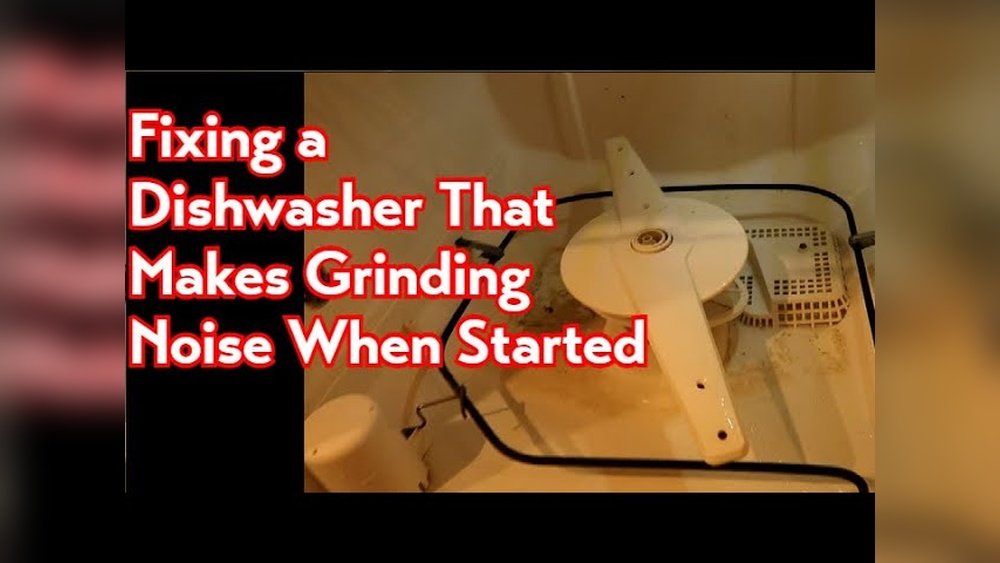
A dishwasher making a loud grinding noise can be unsettling, turning a simple chore into a source of anxiety. That persistent, metallic scraping or jarring rumble suggests something is amiss within the appliance’s intricate workings. While dishwashers are designed for quiet efficiency, various components can degrade or become obstructed over time, leading to these disruptive sounds. Understanding the potential causes is the first step toward diagnosing the problem and restoring peace to your kitchen.
Ignoring a grinding noise isn’t advisable, as it often indicates an issue that could worsen, potentially leading to more significant damage or a complete appliance failure. Fortunately, many common causes are relatively simple to identify and fix, often requiring nothing more than basic maintenance or the replacement of a minor part.
This guide will walk you through the most frequent culprits behind a noisy dishwasher, offering practical solutions to get your appliance humming smoothly again.
Key Takeaways
- A loud grinding noise in a dishwasher often points to obstructions in the wash arms, issues with the pump or motor, or problems with the filter or drain system.
- Regular maintenance, such as cleaning the filter and spray arms, can prevent many common grinding noises.
- Identifying the exact location and timing of the noise is crucial for accurate diagnosis.
- Many issues, like debris in the pump or worn-out seals, can be DIY fixes, but complex motor or pump problems may require professional help.
- Always disconnect power to the dishwasher before attempting any internal inspection or repair.
- A worn wash arm bearing or a hardened food particle lodged in the impeller are frequent, fixable causes of grinding.
- The drain pump is another common source of grinding, especially if foreign objects enter it.

Credit: www.youtube.com
Common Causes Of Dishwasher Grinding Noises
When your dishwasher starts sounding like a rock tumbler, it’s usually a sign that something is physically interfering with its moving parts. The most common culprits involve obstructions or wear in the components responsible for circulating water and draining it away.
Pinpointing the source of the sound is key to effective troubleshooting.
Debris In The Wash Arms
The wash arms are responsible for spraying water onto your dishes. They have small holes, or nozzles, through which water is propelled. Over time, small food particles, broken glass shards, or other debris can get lodged in these nozzles or the central bearing where the arm rotates.
- How it causes noise: If a piece of debris obstructs a nozzle, it can alter the water pressure and flow, causing the arm to spin erratically. More critically, if larger debris gets into the wash arm bearing (the part that allows it to spin freely), it can cause significant friction and a distinct grinding sound as the arm rotates. This is particularly noticeable during the wash cycles when water pressure is high.
- Identification: Listen carefully during the wash cycle. If the grinding seems to move with the spinning of the wash arm, this is a likely cause. You can also try to manually spin the wash arms when the dishwasher is off and dry. If they feel stiff or catch on something, debris is probably the issue.
- Fix: Most wash arms can be easily removed. Consult your dishwasher’s manual for specific instructions. Once removed, rinse them thoroughly under a tap to dislodge any debris. Use a toothpick or a thin wire to clear any stubborn blockages in the nozzles. Inspect the central bearing for any foreign objects and clean it. If the bearing itself appears worn or damaged, the wash arm may need replacement.
Obstructions In The Filter And Drain System
The dishwasher filter is designed to catch food particles and prevent them from recirculating and clogging the drain. However, if the filter is not cleaned regularly, it can become overwhelmed, forcing larger debris into the drain pump or sump area. The drain pump is a crucial component that expels dirty water from the dishwasher.
- How it causes noise: When the drain pump tries to push water out, and there’s a significant obstruction, like a piece of glass, a cherry pit, or even a small utensil, in its impeller or housing, it will often produce a loud grinding or scraping noise. This is because the impeller blades are hitting the foreign object. Similarly, if the sump area, where water collects before draining, is full of debris, it can interfere with the pump’s operation.
- Identification: This noise is usually most prominent during the drain cycles, when the pump is actively working to remove water. If the grinding occurs only when water is leaving the machine, the filter and drain system are prime suspects. You might also notice that the dishwasher isn’t draining properly.
- Fix: The first step is to clean the dishwasher filter. Most filters are located at the bottom of the dishwasher tub and can be unscrewed or unclipped. Rinse it thoroughly under running water. For more significant obstructions, you may need to access the drain pump. This typically involves removing the lower access panel of the dishwasher. With the power disconnected, you can often reach the pump impeller through the sump area or by removing the pump itself. Carefully remove any foreign objects. If the impeller is damaged, the pump will need to be replaced.
Worn Or Damaged Pump Impeller
The pump impeller is a rotating component, often made of plastic or metal, that is connected to the motor. It’s responsible for drawing water in and pushing it through the spray arms, as well as expelling water during the drain cycle. Over time, these impellers can wear down, chip, or break.
- How it causes noise: A worn or damaged impeller will not spin smoothly. Its blades might be uneven, chipped, or bent, causing them to hit the pump housing or create uneven water flow, leading to a grinding or rattling noise. If a piece of the impeller breaks off, it can also become lodged in the pump mechanism, causing a severe grinding sound.
- Identification: This noise is often continuous during cycles where the pump is active (both wash and drain). It may sound like a consistent, rhythmic grinding or rattling. If you can access the pump and spin the impeller by hand (with power off), you might feel resistance or notice looseness if it’s worn or damaged.
- Fix: Replacing a pump impeller is often part of replacing the entire wash pump or drain pump assembly, depending on the dishwasher’s design. This is a more involved repair and may require professional assistance. If you are comfortable with appliance repair, you can order the specific part for your model and follow detailed repair guides, ensuring you disconnect power and water supply first.
Issues With The Circulation Pump Motor
The circulation pump motor is the powerhouse that drives the wash arms, ensuring water is forcefully sprayed onto your dishes. It’s a more robust motor than the drain pump and is vital for the cleaning process.
- How it causes noise: The motor itself contains bearings that allow the shaft to spin freely. If these bearings wear out or become damaged, they can produce a loud grinding, whining, or rumbling sound. This noise is usually constant when the motor is running, regardless of whether it’s circulating water or attempting to drain. Sometimes, foreign debris can also get into the motor housing, causing mechanical interference.
- Identification: This is often one of the loudest and most concerning noises, typically present throughout the wash cycle. It might be a deep grinding or a high-pitched whine that changes slightly with the motor’s speed.
- Fix: Repairing a circulation pump motor is generally not cost-effective. The usual solution is to replace the entire circulation pump assembly. This is a complex repair that often requires significant disassembly of the dishwasher. It is highly recommended to have a qualified appliance technician perform this repair due to the electrical and plumbing connections involved.
Hardened Food Particles Or Small Objects In The Sump
The sump is the lowest part of the dishwasher tub where water collects before being pumped out. While the filter is meant to catch debris, very small or dense particles can sometimes bypass it or accumulate over time.
- How it causes noise: If hard food particles, such as fruit seeds, small bones, or even tiny pieces of plastic or glass, settle in the sump, they can be caught by the pump’s impeller as it draws water. This can cause a grinding or clicking noise as the impeller repeatedly strikes the hard object.
- Identification: The noise will likely occur during the drain cycles, as this is when the pump is actively drawing from the sump. It might be intermittent or continuous depending on how the debris is positioned relative to the impeller.
- Fix: After cleaning the main filter, inspect the sump area. You may need to remove a secondary filter or even the pump to get a clear view. Use a flashlight to look for any debris. Small, hard objects can often be removed with pliers or by carefully flushing the area. If the object is lodged deep within the pump mechanism, it might require pump removal for extraction.
Worn Wash Arm Bearings
While debris can cause issues, the bearings that allow the wash arms to rotate can also wear out over time. These bearings are often made of plastic or nylon and are designed for smooth, low-friction rotation.
- How it causes noise: As these bearings age, they can become dry, cracked, or worn down. This increased friction can lead to a squeaking or grinding sound as the wash arm spins. The noise might be more pronounced at higher water pressures.
- Identification: Listen for a grinding or squeaking sound that seems to emanate directly from the spinning wash arm itself. If you can manually rotate the arm and feel resistance or hear the noise, the bearing is a strong candidate.
- Fix: In many cases, the wash arm bearing is integrated into the wash arm assembly. Replacing the entire wash arm is often the simplest solution. These are generally inexpensive and relatively easy to replace by unclipping or unscrewing the old arm and attaching the new one.

Credit: www.youtube.com
Troubleshooting Steps For A Grinding Dishwasher
When faced with an unusually noisy dishwasher, a systematic approach to troubleshooting is essential. Rushing into repairs without proper diagnosis can lead to unnecessary expense and effort. Follow these steps to narrow down the possibilities and identify the root cause of the grinding noise.
Step 1: Identify The Type And Timing Of The Noise
The first and most crucial step is to observe the noise carefully. When does it occur? What does it sound like?
- During wash cycles: If the grinding happens while the dishwasher is actively spraying water, it’s likely related to the circulation pump or the wash arms.
- During drain cycles: If the noise is loudest when the dishwasher is trying to empty, the drain pump or obstructions in the drain line are the most probable causes.
- Throughout the entire cycle: A persistent grinding that occurs regardless of the cycle phase might indicate a problem with the main motor or a more serious issue within the pump assembly.
- Sound characteristics: Is it a metallic scraping, a dull thud, a high-pitched whine, or a rhythmic rattle? A metallic scrape often suggests debris hitting metal, while a dull thud might be a larger object. A whine usually points to motor bearings.
Pro Tip: Record the sound on your phone. This can be helpful if you need to describe the problem to a repair technician or look for similar sound examples online.
Step 2: Safety First – Disconnect Power
Before attempting any inspection or physical manipulation inside the dishwasher, it is imperative to disconnect the power supply.
- Locate the circuit breaker that controls your dishwasher and switch it off.
- Alternatively, unplug the dishwasher from the wall outlet if it’s accessible.
- Never attempt to inspect or repair internal components while the appliance is connected to electricity.
Step 3: Inspect And Clean The Filter And Sump Area
This is often the easiest and most common fix for grinding noises, especially those occurring during draining.
- Locate the filter: It’s typically at the bottom of the dishwasher tub, often under the lower spray arm. It might be a cylindrical filter, a flat screen, or a combination.
- Remove the filter: Most filters twist out or unclip. Refer to your owner’s manual if unsure.
- Clean thoroughly: Rinse the filter under running water. Use a soft brush to remove any caked-on debris.
- Inspect the sump: With the filter removed, look into the sump area. Use a flashlight to check for any visible debris like glass shards, bones, pits, or utensils. Remove anything you find.
Step 4: Examine The Wash Arms
Debris can also affect the wash arms, leading to noise and reduced cleaning performance.
- Check for obstructions: Ensure no food particles are blocking the spray holes.
- Inspect for damage: Look for cracks or signs of wear on the arms themselves.
- Manually rotate: Try spinning the upper and lower wash arms by hand. They should move freely. If they feel stiff, catch, or make noise, there might be debris caught in their bearings or the arm itself might be warped.
- Clean/Remove: If debris is found, try to clear it. If the arm is damaged or its bearing seems faulty, consider replacing the wash arm. This is usually a simple DIY task.
Step 5: Access And Inspect The Drain Pump
If the noise persists, particularly during draining, the drain pump is the next likely suspect.
- Remove the lower access panel: This panel is usually at the bottom front of the dishwasher. It might be held by screws or clips.
- Locate the drain pump: It’s typically connected to the sump area and the drain hose.
- Check for obstructions: With the power still disconnected, you might be able to reach the pump’s impeller with your finger or a tool to feel for obstructions. Be cautious of sharp objects. Some pumps have a removable cover for easier access to the impeller.
- Spin the impeller (if accessible): If you can reach it, try to spin the impeller. It should move relatively freely but might offer some resistance from the motor magnets. If it’s stiff, blocked, or wobbles excessively, it’s likely damaged.
Step 6: Consider Professional Diagnosis
If you’ve gone through the steps above and the grinding noise continues, or if you’re uncomfortable accessing internal components, it’s time to call a professional.
- Qualified technician: A certified appliance repair technician has the tools, expertise, and experience to diagnose more complex issues like motor problems or internal pump damage.
- Provide details: When you call, clearly explain the type of noise, when it occurs, and what troubleshooting steps you’ve already taken. This will help the technician prepare and diagnose the issue more efficiently.
Common Grinding Noise Scenarios And Solutions
Let’s explore some specific scenarios you might encounter and the most likely solutions. Understanding these patterns can save you time and help you identify the problem more quickly.
Scenario 1: Grinding During Drain Cycle Only
This is a classic indicator of an issue with the drain pump or the path it takes to expel water.
- Most Likely Cause: A foreign object (e.g., a piece of glass, a cherry pit, a small utensil, a bone fragment) is lodged in the drain pump impeller or the pump housing.
- Secondary Causes:
- The drain pump impeller itself is damaged or worn.
- A blockage in the drain hose preventing water flow, causing the pump to strain.
- Accumulation of hard debris in the sump area that the pump impeller is hitting.
- Solution Path:
- Clean the filter and sump: This is always the first step. Ensure no debris is visible.
- Inspect the drain pump: Remove the lower access panel. Locate the drain pump. Check for obstructions by carefully probing the impeller area. If accessible, try to remove the pump for a more thorough inspection and cleaning.
- Check the drain hose: Ensure it’s not kinked or blocked. Disconnect it from the dishwasher and try to blow through it or run water through it to check for clogs.
- Replace the drain pump: If the impeller is damaged or you cannot remove the obstruction, the drain pump assembly will likely need replacement. This is often a manageable DIY repair for those with some mechanical aptitude.
Scenario 2: Grinding During Wash Cycle Only
If the noise is prominent when water is being sprayed, the focus shifts to the components responsible for water circulation.
- Most Likely Cause: Debris caught in the wash arm nozzles or the wash arm bearing, causing it to spin unevenly or with friction.
- Secondary Causes:
- The circulation pump motor bearings are failing.
- A piece of debris has found its way into the circulation pump impeller.
- The wash arm itself is damaged or warped, causing it to hit the tub interior.
- Solution Path:
- Inspect and clean wash arms: Remove the wash arms and thoroughly clean all nozzles. Check the central bearing for debris or damage. Ensure the arms spin freely when clean.
- Listen closely to the circulation pump: If the wash arms are clean and the noise persists, try to pinpoint the sound to the circulation pump area (usually located centrally underneath the tub). A grinding or whining sound directly from this area often points to motor bearing failure.
- Inspect circulation pump impeller: This is more involved than the drain pump. It might require removing the circulation pump assembly. Look for any foreign objects jamming the impeller.
- Replace circulation pump motor/assembly: If the motor bearings are shot or the impeller is damaged, the entire circulation pump assembly typically needs replacing. This is a more complex repair, often best left to professionals.
Scenario 3: Constant Grinding Throughout The Cycle
A grinding noise that is present regardless of the cycle phase is more concerning and can indicate a more significant mechanical issue.
- Most Likely Cause: Failure of the main circulation pump motor bearings. These motors often serve a dual purpose or are robust enough that their failure impacts multiple stages.
- Secondary Causes:
- Severe damage to the drain pump that affects its operation even when not actively draining.
- A large, foreign object lodged in a way that interferes with both circulation and draining pumps.
- Internal damage to the pump housing or seals.
- Solution Path:
- Isolate the sound source: Try to determine if the sound is louder from the circulation pump area or the drain pump area.
- Thorough inspection: Perform a comprehensive inspection of both pumps, checking for debris, damage to impellers, and signs of wear.
- Professional diagnosis: Given the persistent nature of the noise, this scenario often requires expert diagnosis. The technician will likely need to dismantle parts of the dishwasher to pinpoint the exact source of the internal grinding. Replacement of the circulation pump motor or potentially both pumps might be necessary.

Credit: fredsappliance.com
Maintenance Tips To Prevent Grinding Noises
Preventative maintenance is key to extending the life of your dishwasher and avoiding disruptive noises. By incorporating a few simple habits into your routine, you can significantly reduce the likelihood of encountering grinding issues.
Regular Filter Cleaning
The dishwasher filter is your first line of defense against debris entering the pump system.
- Frequency: Aim to clean your filter at least once a month. If you frequently run the dishwasher with heavily soiled dishes or notice residue, clean it more often.
- Process: Remove, rinse under running water, and use a soft brush to scrub away any food particles or grease. Ensure it’s properly reinstalled. A clogged filter forces the pump to work harder and can lead to debris bypassing it.
Inspecting And Cleaning Spray Arms
Clogged spray arms not only reduce cleaning efficiency but can also contribute to uneven spinning and noise.
- Frequency: Check your spray arms every 2-3 months or if you notice poor washing performance.
- Process: Remove the spray arms (usually by unscrewing or unclipping). Use a toothpick, needle, or thin wire to clear any debris from the spray nozzles. Rinse thoroughly. Check the central bearing for smooth rotation.
Pre-rinsing Dishes (when Necessary)
While modern dishwashers are designed to handle food soil, excessively large or hard food scraps can cause problems.
- What to scrape: Scrape off large chunks of food, bones, seeds, and fibrous material like celery strings.
- Avoid over-rinsing: You don’t need to pre-rinse dishes to the point where they are spotless. Modern detergents and enzymes need some food soil to work effectively. The goal is to remove large, problematic items.
Checking For Foreign Objects
Occasionally, small items like utensils, bottle caps, or plastic pieces can fall into the dishwasher.
- Visual inspection: Periodically look around the bottom of the dishwasher tub and around the heating element for any foreign objects.
- Secure utensils: Ensure silverware is properly placed in the basket so it doesn’t fall through.
Using The Right Detergent And Rinse Aid
Using the correct amount and type of dishwasher detergent is important for optimal performance and can indirectly help prevent issues.
- Avoid excessive suds: Too much detergent can lead to over-sudsing, which can stress components.
- Rinse aid: Using rinse aid helps water sheet off dishes, improving drying and reducing the chance of residue buildup.
When To Call A Professional Appliance Repair Service
While many dishwasher problems can be tackled with basic DIY troubleshooting, some situations warrant professional intervention. Recognizing when to call an expert can save you time, prevent further damage, and ensure a safe and effective repair.
Complex Mechanical Failures
If your troubleshooting points to a failure in the main circulation pump motor or the gearbox (in some models), these are often complex components.
- Motor Bearings: As discussed