
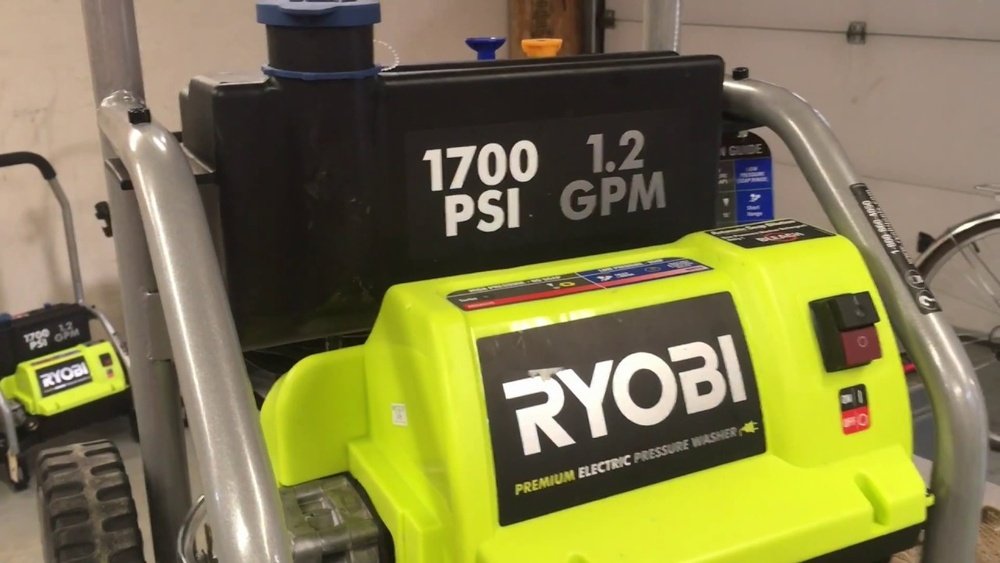
When your Ryobi pressure washer fails to perform as expected, it can turn a quick cleaning task into a frustrating ordeal. Whether it’s a lack of pressure, an engine that won’t start, or unusual noises, these issues are common and often fixable with a bit of troubleshooting.
Understanding the potential causes and their solutions can save you time, money, and the hassle of seeking professional repair for what might be a simple fix. This guide will walk you through the most common Ryobi pressure washer problems and provide clear, actionable steps to get your equipment back in working order.
Key Takeaways
- No Start Issues: Often caused by fuel problems (stale gas, clogged carburetor), ignition issues (spark plug), or safety lockouts.
- Low Pressure: Frequently linked to clogged filters, dirty spray nozzles, water supply problems, or issues with the unloader valve.
- Engine Surging/Stalling: Typically due to fuel delivery problems, air intake restrictions, or overheating.
- Leaks: Can originate from loose connections, worn seals, or damaged hoses.
- Detergent Not Dispensing: Usually a clogged siphon tube, a faulty detergent valve, or an incorrect setup.
- Safety First: Always disconnect the spark plug and ensure the unit is cool before performing any maintenance.
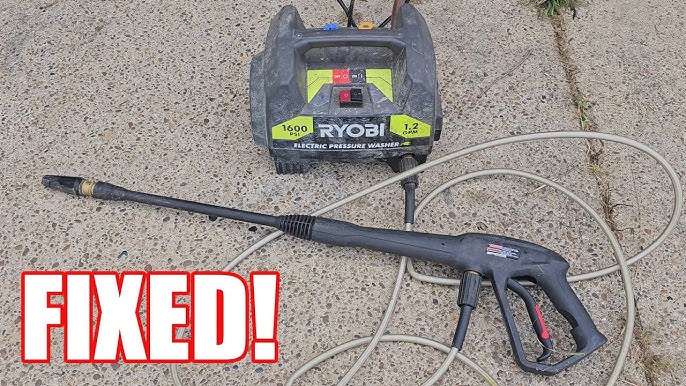
Credit: www.youtube.com
Common Ryobi Pressure Washer Problems And Solutions
Ryobi pressure washers, like any piece of machinery, can encounter a range of issues. Identifying the symptom is the first step toward diagnosing the problem. We’ll break down the most frequent complaints and provide systematic troubleshooting steps.
Engine Won’t Start
This is perhaps the most disheartening problem, leaving you with a powerful tool that’s utterly useless. Several factors can contribute to a Ryobi pressure washer failing to start.
Fuel System Issues
The fuel system is a common culprit for starting problems.
- Stale Gasoline: Gasoline degrades over time, especially when left in the tank for extended periods. Stale fuel can clog the carburetor and prevent the engine from igniting. Recommendation: Always use fresh gasoline, ideally with a fuel stabilizer if you don’t use the pressure washer regularly. If you suspect stale fuel, drain the tank and carburetor bowl, then refill with fresh fuel.
- Clogged Carburetor: The carburetor mixes fuel and air for combustion. If it’s clogged with debris or gummed-up fuel residue, the engine won’t get the proper fuel mixture. Troubleshooting: You may need to remove and clean the carburetor. This often involves disassembling it, cleaning the jets and passages with carburetor cleaner, and reassembling. If you’re uncomfortable with this, a small engine repair shop can assist.
- Fuel Filter: A clogged fuel filter restricts fuel flow to the carburetor. Check: Locate the fuel filter (usually inline between the fuel tank and carburetor) and inspect it. If it appears dirty, replace it. This is a relatively inexpensive and simple maintenance task.
Ignition System Problems
Even with fresh fuel, a lack of spark will prevent the engine from starting.
- Spark Plug: The spark plug ignites the fuel-air mixture. A fouled, dirty, or worn spark plug can cause weak or no spark. Action: Remove the spark plug, inspect it for carbon buildup or damage, and clean or replace it as needed. Ensure the gap is set correctly according to your Ryobi model’s specifications.
- Ignition Coil: If the spark plug is fine, the ignition coil might be faulty, failing to generate the necessary voltage for a spark. This is a less common issue but requires professional diagnosis.
Safety Features And Other Checks
Modern pressure washers have safety mechanisms that can prevent starting.
- Water Supply: Ensure the water supply valve is fully open and there’s adequate water pressure to the pump. Many Ryobi models have a low-water cutoff that prevents the engine from starting if there isn’t enough water.
- Choke Lever: Make sure the choke lever is in the correct position for starting (usually ‘start’ or ‘choke’ position).
- On/Off Switch: Verify that the engine’s on/off switch is in the ‘on’ position.
- Primer Bulb: If your model has a primer bulb, ensure you press it the recommended number of times (usually 3-5) until it feels firm.
Low Water Pressure Or No Pressure
This is another common complaint. You expect a powerful blast of water, but instead, you get a weak stream.
Water Supply And Inlet Issues
The problem might not be with the pressure washer itself but with how it’s being supplied.
- Insufficient Water Flow: The pressure washer pump needs a consistent and adequate supply of water. If your garden hose is too small, kinked, or the water source pressure is low, the pump can’t perform optimally. Check: Use a garden hose of at least 50 feet with a 5/8-inch diameter. Ensure the hose is not kinked and the water source is fully open.
- Clogged Inlet Filter: Most Ryobi pressure washers have a filter screen on the water inlet to prevent debris from entering the pump. If this filter is clogged, it restricts water flow. Maintenance: Disconnect the garden hose from the pressure washer, remove the inlet filter, and clean it thoroughly under running water. Rinse it well before reinserting.
Pump And Component Issues
If the water supply is adequate, the issue likely lies within the pressure washer’s components.
- Dirty Spray Nozzle: The nozzle at the end of your spray wand is crucial for creating pressure. If it’s clogged with dirt, mineral deposits, or debris, the water flow is restricted, leading to low pressure. Solution: Remove the spray nozzle and clean it with a small wire or a specialized nozzle cleaning tool. You can also soak it in a vinegar solution to dissolve mineral buildup.
- Unloader Valve Malfunction: The unloader valve regulates water flow and pressure. If it’s stuck, dirty, or faulty, it can cause low pressure or prevent the unit from reaching full pressure. Diagnosis: This is a more complex part to troubleshoot. Sometimes, debris can cause it to stick. Gentle tapping might dislodge it, but often it requires removal and cleaning or replacement. Consult your Ryobi manual for its location and any specific procedures.
- Worn Seals or Damaged Pump: Over time, seals within the pump can wear out, leading to internal leaks and loss of pressure. Physical damage to the pump housing can also cause this. Note: Pump repair can be complex and costly. If you suspect pump damage, it might be more economical to replace the unit, depending on its age and value.
Air In The System
Trapped air can also reduce pressure.
- Bleeding the System: After connecting the water supply and before starting the engine, squeeze the trigger on the spray wand for about 30 seconds to purge any air from the pump and hose.
Engine Surging, Stalling, Or Running Rough
An engine that runs erratically can be as frustrating as one that won’t start.
Fuel And Air Mixture Problems
The engine’s performance is highly dependent on the correct fuel-air mixture.
- Carburetor Adjustment: The carburetor may need adjustment. However, many modern Ryobi pressure washers have non-adjustable carburetors. If yours is adjustable, consult your manual for the correct procedure.
- Air Filter: A dirty or clogged air filter restricts airflow to the engine, causing it to run rich (too much fuel, not enough air) and potentially surge or stall. Action: Locate the air filter housing, remove the filter, and clean or replace it according to your manual’s instructions. A dirty air filter is a very common cause of rough running.
- Fuel Quality: As mentioned earlier, stale fuel can cause erratic engine behavior. Ensure you’re using fresh, high-quality gasoline.
Overheating
Engines can stall if they overheat.
- Blocked Cooling Fins: The engine has cooling fins on its exterior. If these are blocked by dirt, grass clippings, or debris, the engine cannot dissipate heat effectively. Maintenance: Periodically clean the engine’s cooling fins with a brush or compressed air.
- Low Oil Level: Most gasoline engines require oil for lubrication and cooling. An extremely low oil level can cause the engine to overheat and shut down. Check: Always check the oil level before operating and top up if necessary.
Leaks
Leaks can occur at various points on your Ryobi pressure washer.
Hose Connections
The most common leaks are at the points where hoses connect.
- Water Inlet Hose: Ensure the connection between the garden hose and the pressure washer inlet is secure and the washer is properly seated.
- High-Pressure Hose: The high-pressure hose connects to the pump outlet and the spray wand. Check that both connections are tight. Use pipe thread tape on threaded connections if recommended by the manual.
- O-rings and Washers: Damaged or missing O-rings and washers at hose connections are frequent causes of leaks. Inspect them for cracks or wear and replace them if necessary.
Pump And Internal Leaks
Leaks originating directly from the pump housing or internal components are more serious.
- Pump Seals: Worn seals within the pump can cause water to leak from the pump itself.
- Cracked Pump Housing: Physical impact or freezing can crack the pump housing, leading to significant leaks.
- Thermodynamic Relief Valve (TRV): Some Ryobi models have a TRV designed to release hot water if the pump overheats. If this valve is faulty, it might leak.
Warning: If you detect a leak from the pump housing itself, it often indicates internal damage that may require professional repair or pump replacement.
Detergent Not Dispensing
Many users want to use detergent for tougher cleaning jobs, but it sometimes fails to siphon.
- Clogged Siphon Tube: The clear plastic tube that draws detergent from the bottle can become clogged with dried detergent residue. Action: Remove the tube, soak it in warm water, and use a thin wire to clear any blockages.
- Detergent Filter: Some Ryobi models have a small filter at the end of the siphon tube. Ensure this filter is clean and not clogged.
- Detergent Valve/Selector: If your unit has a detergent selector or valve, ensure it’s set to the correct position for siphoning detergent. Some models only dispense detergent at very low pressure, meaning you might need to use a lower-pressure nozzle or a specific detergent setting.
- Incorrect Nozzle: Detergent is typically siphoned only when using a low-pressure nozzle (often black). Using a high-pressure nozzle (red, yellow, green, white) will prevent detergent from being drawn.

Credit: www.allpartsinc.com
Maintenance For Preventing Problems
Proactive maintenance is the best strategy to avoid most Ryobi pressure washer issues.
Regular Cleaning
- Exterior: Keep the unit clean from dirt, grease, and debris.
- Cooling Fins: Regularly clean the engine’s cooling fins.
- Air Filter: Clean or replace the air filter as per the manual’s schedule.
Fuel Management
- Fresh Fuel: Always use fresh gasoline.
- Fuel Stabilizer: Use a fuel stabilizer, especially if the pressure washer will be stored for more than a month.
- Drain Fuel: For long-term storage, drain the fuel tank and run the engine dry to clear the carburetor.
Water System Care
- Inlet Filter: Clean the water inlet filter regularly.
- Flush System: After using the pressure washer, especially with detergents, flush the system with clean water.
- Winterization: If you live in a climate with freezing temperatures, properly winterize the pump to prevent damage from ice expansion. This usually involves draining the pump and running a non-toxic antifreeze solution through it. Consult your manual for specific winterization instructions.
General Checks
- Connections: Periodically check all hose connections for tightness.
- Hoses and Wands: Inspect hoses, wands, and spray guns for cracks, leaks, or wear.
- Oil Level: Always check the engine oil level before operation.

Credit: www.youtube.com
Troubleshooting Table: Common Ryobi Pressure Washer Issues
| Symptom | Possible Cause | Solution |
|---|---|---|
| **Engine Won’t Start** | Stale fuel | Drain old fuel, refill with fresh; use fuel stabilizer. |
| Clogged carburetor | Clean or rebuild carburetor; professional service if needed. | |
| Dirty/faulty spark plug | Clean or replace spark plug, check gap. | |
| Clogged fuel filter | Replace fuel filter. | |
| Blocked air filter | Clean or replace air filter. | |
| **Low Pressure** | Clogged inlet filter | Clean inlet filter screen. |
| Clogged spray nozzle | Clean nozzle tip with a wire or cleaning tool. | |
| Insufficient water supply | Use a larger diameter hose, ensure water source is fully open, check for kinks. | |
| Unloader valve issue | Check for debris, consult manual for troubleshooting or replacement. | |
| Air in the system | Purge air by running water through the pump before starting engine, squeeze trigger. | |
| **Engine Surges/Stalls** | Dirty air filter | Clean or replace air filter. |
| Stale fuel | Drain and refill with fresh fuel. | |
| Overheating (dirty cooling fins) | Clean engine cooling fins. | |
| Low oil level | Check and top up engine oil. | |
| **Leaks** | Loose hose connections | Tighten all water inlet and high-pressure hose connections. |
| Damaged O-rings/washers | Inspect and replace worn or damaged O-rings and washers. | |
| Leaking pump seals | May require pump repair or replacement. | |
| **Detergent Not Dispensing** | Clogged detergent siphon tube/filter | Clean or replace siphon tube and filter. |
| Incorrect nozzle selected | Use a low-pressure (black) nozzle for detergent siphoning. | |
| Detergent valve not set correctly | Ensure detergent selector is on the correct setting. |
Advanced Troubleshooting: The Unloader Valve And Thermal Relief Valve
While many issues are straightforward, two components that can cause significant problems if they malfunction are the unloader valve and the thermodynamic relief valve (TRV).
The Unloader Valve
The unloader valve is critical for regulating pressure and preventing damage to the pump and engine. When you release the trigger on the spray gun, the flow of water is diverted back into the pump’s low-pressure side or to a bypass hose.
This prevents the pump from building excessive pressure when no water is being discharged.
Common Unloader Valve Problems:
- Sticking: Debris or mineral deposits can cause the valve to stick in either the bypass or pressurized position. If it sticks in the bypass position, you’ll experience low pressure. If it sticks in a way that prevents it from bypassing correctly when the trigger is released, the pressure can build dangerously.
- Worn Seals: Like any valve, the seals can wear out over time, leading to leaks or inconsistent pressure regulation.
- Incorrect Adjustment: Some unloader valves are adjustable. An improperly adjusted valve can lead to either too low or too high pressure.
Troubleshooting Steps:
- Check for Debris: Disconnect the water supply and the high-pressure hose. Inspect the inlet and outlet ports of the unloader valve for visible debris.
- Tap Gently: Sometimes, gently tapping the unloader valve with a rubber mallet can dislodge minor obstructions.
- Consult Manual: Refer to your Ryobi pressure washer’s manual for specific instructions on how to safely remove, clean, and reassemble the unloader valve. This process can vary significantly between models.
- Professional Help: If you’re not comfortable with this procedure or if cleaning doesn’t resolve the issue, it’s best to seek professional assistance.
The Thermodynamic Relief Valve (trv)
The TRV is a safety device designed to prevent the pump from overheating due to water recirculation. When water recirculates through the pump (e. g. , when the trigger is released and the unloader valve is in bypass mode), it heats up.
If this water reaches a certain temperature, the TRV opens, releasing a small amount of hot water and allowing cooler water to enter the pump.
Common TRV Problems:
- False Activation: The TRV can sometimes open prematurely if it’s faulty or if the water supply is too low, leading to a constant trickle of water from a small port on the pump head.
- Failure to Open: In rare cases, the TRV might fail to open when the water overheats, which can lead to severe pump damage.
Troubleshooting Steps:
- Observe for Leaks: If you notice a constant trickle of water from the pump head area, it might be the TRV. Ensure your water supply is adequate and the unloader valve is functioning correctly.
- Check Temperature: If you suspect overheating, feel the pump head (carefully, it may be hot). If it’s excessively hot, the TRV may not be activating.
- Replacement: The TRV is a sealed unit and typically cannot be repaired. If it’s malfunctioning, it needs to be replaced. This is usually a straightforward replacement process, but always consult your manual.
Ryobi Pressure Washer Model Comparison (illustrative)
Ryobi offers a range of pressure washers, from electric to gas-powered, with varying PSI (Pounds per Square Inch) and GPM (Gallons Per Minute) ratings. Understanding these differences can help in choosing the right tool and troubleshooting specific performance issues.
| Feature | Ryobi Electric 1700 PSI | Ryobi Gas 2300 PSI | Ryobi Gas 3100 PSI |
|---|---|---|---|
| **Power Source** | Electric (120V) | Gasoline | Gasoline |
| **PSI Rating** | 1700 | 2300 | 3100 |
| **GPM Rating** | 1.2 | 2.0 | 2.3 |
| **Typical Use** | Light tasks (decks, patio furniture, small vehicles) | Medium tasks (driveways, fences, siding) | Heavy tasks (large driveways, concrete, stubborn stains) |
| **Starting** | Push-button/switch | Pull-cord | Pull-cord |
| **Maintenance** | Lower (no oil changes, fewer engine parts) | Higher (oil changes, fuel stabilizer, air filter) | Higher (oil changes, fuel stabilizer, air filter) |
| **Portability** | Lighter, corded | Heavier, wheeled | Heavier, wheeled |
| **Noise Level** | Lower | Higher | Higher |
*Note: Specific PSI and GPM ratings can vary by exact model within each series. Always check the product specifications for your particular Ryobi pressure washer.*
Frequently Asked Questions
My Ryobi Pressure Washer Starts But The Engine Keeps Shutting Off. What Could Be The Cause?
This often points to an overheating issue or a fuel delivery problem. Check the engine’s cooling fins for blockages and ensure the oil level is adequate. If those are fine, investigate the fuel system, stale fuel, a clogged fuel filter, or a dirty air filter can cause the engine to run too hot or rich, leading to shutdowns.
Also, ensure you are using the correct type and octane of gasoline as specified in your manual.
How Often Should I Change The Oil In My Ryobi Gas Pressure Washer?
This depends heavily on your specific model and the manufacturer’s recommendations. Generally, for most Ryobi gas pressure washers, an oil change is recommended after the first 20-50 hours of operation for a new engine, and then every 100-200 hours of use or annually, whichever comes first.
Always consult your owner’s manual for the precise oil type and service intervals. Neglecting oil changes can lead to significant engine damage.
Can I Use My Ryobi Pressure Washer In Freezing Temperatures?
No, you should never operate your Ryobi pressure washer in freezing temperatures. Water inside the pump can freeze and expand, causing catastrophic damage to the pump housing and internal components. If you anticipate freezing conditions, it’s crucial to properly winterize the unit by draining all water and running a non-toxic pump saver or antifreeze solution through it.
Why Is The Water Coming Out Of My Ryobi Pressure Washer Very Hot, Even When I’m Not Using The Engine?
If you notice hot water coming from the unit when the engine is off, it’s likely a faulty thermodynamic relief valve (TRV) or an issue with the unloader valve. The TRV is designed to release hot water if the pump overheats due to recirculation.
If it’s stuck open or faulty, it can constantly release hot water. Ensure your water supply is adequate, as low water flow can contribute to overheating.