
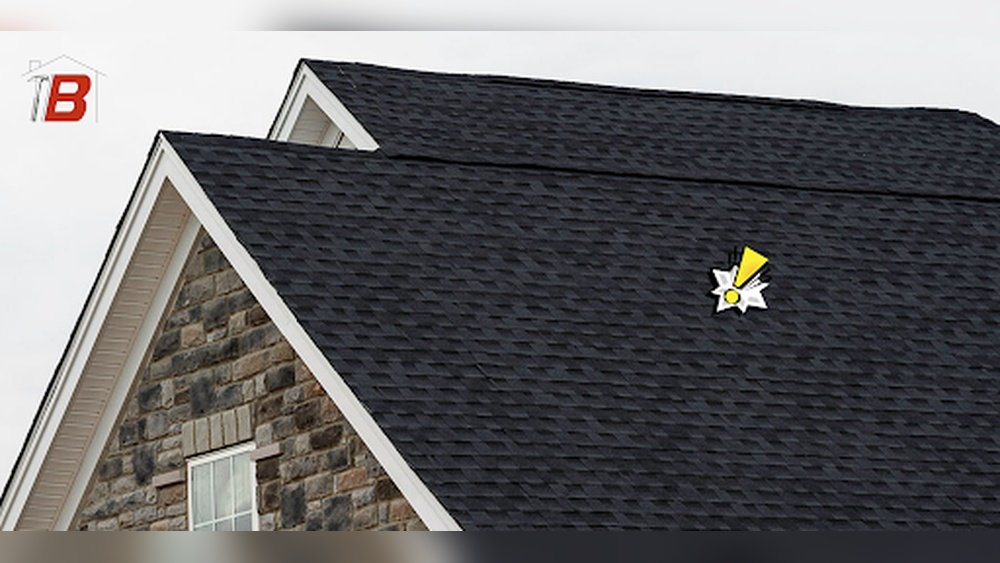
The gentle quiet of the night can be a welcome respite, but for many homeowners, it’s punctuated by an unsettling symphony of cracking, popping, and groaning noises emanating from their ceilings. This nocturnal auditory phenomenon can range from a minor annoyance to a source of significant worry, leading to questions about structural integrity and potential hazards. Understanding the root causes behind these sounds is crucial for peace of mind and proactive home maintenance.
These noises are not typically indicative of immediate danger, but rather a natural response of building materials to their environment. The primary culprits are usually temperature fluctuations, humidity changes, and the natural settling of a house. As these elements cause building materials to expand and contract, friction occurs between different components, resulting in audible creaks and cracks. While the sounds themselves are often harmless, they can sometimes signal underlying issues that warrant attention, especially if they are new, sudden, or accompanied by visible signs of damage.
Key Takeaways
- Temperature Fluctuations: The most common cause of ceiling cracking noises is the expansion and contraction of building materials due to daily and seasonal temperature changes.
- Humidity Levels: Variations in humidity can also cause materials like wood and drywall to expand and contract, leading to noise.
- Structural Settling: Houses naturally settle over time, and this gradual movement can create stress points that result in cracking sounds.
- Loose Materials: Fasteners, nails, or screws holding drywall or plaster in place can become loose, allowing for movement and noise.
- Water Damage: Leaks or past water intrusion can compromise building materials, making them more susceptible to cracking and noise.
- Age of the House: Older homes may exhibit more noises due to the natural aging and wear of materials.
- Professional Inspection: If noises are persistent, sudden, or accompanied by visible damage, a professional inspection is recommended.
The Science Behind The Sounds: Expansion And Contraction
The primary driver behind those mysterious nighttime ceiling noises is the fundamental physics of thermal expansion and contraction. Building materials, much like most substances, change in volume when exposed to varying temperatures. During the day, the sun’s rays or internal heating systems warm the house, causing materials like wood beams, drywall, insulation, and even concrete to expand. As temperatures drop at night, these same materials cool down and contract. This constant cycle of expansion and contraction, particularly when it’s rapid, creates stress within the structure.
Wood Framing And Its Role
The wooden framework of your home, including ceiling joists and rafters, is a major contributor to these sounds. Wood is a hygroscopic material, meaning it absorbs and releases moisture from the air. This property, combined with its response to temperature, makes it particularly prone to movement. When wood expands, it pushes against adjacent materials. When it contracts, it can pull away, creating gaps. The friction generated as these wood components rub against each other, or against metal fasteners, is a frequent source of creaking and popping sounds. This is especially noticeable at night when the house is cooling down rapidly after a day of being heated.
Drywall And Plaster Dynamics
Drywall (gypsum board) and plaster are also susceptible to movement, though their behavior differs slightly. Drywall is typically attached to wooden joists with screws or nails. As the joists expand and contract, they can cause the drywall to flex slightly. If the fasteners are not perfectly snug, or if the drywall itself is under stress, this flexing can lead to popping or cracking noises as the material shifts against the fasteners or against itself at seams. Plaster, especially in older homes, can become brittle over time. As the underlying structure moves, the plaster can crack or detach slightly from the lath, producing sharp cracking sounds.
The Impact Of Humidity
Beyond temperature, humidity levels play a significant role. High humidity causes wood to absorb moisture and swell, while low humidity causes it to release moisture and shrink. This moisture-related expansion and contraction can exacerbate the effects of temperature changes. For instance, a humid day followed by a dry night can lead to more pronounced wood movement and, consequently, more noticeable noises. The seasonal changes in humidity, from damp winters to dry summers (or vice versa, depending on your climate), are often when homeowners report an increase in these sounds.

Credit: nozzlenolen.com
Common Causes Of Ceiling Cracking Noises
While expansion and contraction are the underlying scientific principles, several specific factors contribute to why your ceiling might be making noises, particularly at night. These range from simple material fatigue to more complex structural interactions.
Temperature Swings And Seasonal Shifts
The most prevalent reason for nighttime ceiling noises is the significant temperature differential that often occurs between day and night. During the day, your HVAC system or solar gain warms the house, causing materials to expand. As the sun sets and outdoor temperatures drop, the house cools down. This rapid cooling is when the contraction of materials becomes most pronounced. The attic space, in particular, can experience dramatic temperature swings. If the attic is poorly insulated, it will heat up significantly during the day and cool down very quickly at night, transferring these rapid changes to the ceiling below. This rapid contraction puts stress on the building’s components, leading to the characteristic snapping and cracking sounds.
Humidity And Moisture Content
Humidity is another major player. Wood, as mentioned, expands when it absorbs moisture and shrinks when it dries out. This is why you might notice more noises during periods of high humidity or sudden drops in humidity. For example, a damp, rainy day followed by a dry, cool night can cause significant wood shrinkage, leading to creaks. Conversely, a hot, dry day followed by a humid evening can cause expansion. These fluctuations are often more noticeable in older homes where wood may have already undergone many cycles of expansion and contraction, potentially leading to looser connections and more audible friction.
Structural Settling And House Movement
All houses, especially new ones, undergo a process called structural settling. This is the natural, gradual compression and adjustment of the building’s components under its own weight and external forces like wind. Over time, the foundation settles, the wood framing compresses, and the entire structure finds its equilibrium. While this process is usually slow and imperceptible, it can create internal stresses that manifest as cracking or popping sounds. These noises are often more common in the first few years of a home’s life but can continue to occur sporadically as the house continues to adjust. The house’s interaction with ground movement, even minor seismic activity or soil expansion/contraction due to moisture, can also contribute.
Loose Fasteners And Materials
Over time, the fasteners that hold your ceiling materials together can loosen. Screws and nails that secure drywall to ceiling joists can become slightly dislodged due to the constant expansion and contraction cycles. As the framing members move, the drywall can shift slightly against these loose fasteners, creating a squeaking or popping sound. Similarly, in older homes with plaster ceilings, the lath (thin strips of wood or metal) that the plaster is applied to can loosen from the joists. When the joists move, the lath can shift, causing the brittle plaster to crack or pop.
Attic And Crawl Space Conditions
The environment in your attic and crawl spaces significantly impacts ceiling noises. An uninsulated attic will experience extreme temperature fluctuations. During the day, it can become incredibly hot, causing the rafters and joists to expand. At night, it cools rapidly, leading to contraction. This creates a prime environment for creaking. Furthermore, moisture buildup in these areas due to poor ventilation can lead to wood swelling and subsequent shrinking, exacerbating noise issues. In crawl spaces, moisture can affect floor joists and subflooring, which in turn can transmit vibrations and stresses up to the ceiling.
Age And Material Fatigue
As homes age, their materials naturally degrade and become more prone to making noise. Wood can dry out and become brittle, making it more likely to creak. Drywall compounds and paint layers can lose their flexibility and crack under stress. Metal components, such as HVAC ductwork or electrical conduit running through the ceiling cavity, can also expand and contract at different rates than wood, leading to metallic pinging or popping sounds. In essence, the cumulative effect of years of temperature and humidity cycles, combined with the natural aging process of building materials, contributes to the increased likelihood of hearing noises.

Credit: lifetimexteriors.com
Specific Scenarios And Contributing Factors
Beyond the general principles, certain specific scenarios can amplify or introduce ceiling noises. Understanding these can help pinpoint the exact cause in your home.
Attic Temperature Extremes
The attic is often the hottest part of the house during the day and the coldest at night. If your attic has little to no insulation, this temperature differential is extreme. The wooden rafters and joists can expand significantly under intense heat and then contract sharply as the outside temperature plummets. This rapid movement is a major trigger for loud cracking and popping sounds that seem to originate directly above your living space. Proper attic insulation acts as a buffer, moderating these temperature swings and reducing the stress on the framing.
Recent Renovations Or Repairs
If you’ve recently undertaken home renovations, particularly those involving the ceiling, attic, or walls, this could be the source of new noises.
- Drywall Installation: New drywall might not be perfectly secured, or seams might be under stress.
- Insulation Work: New insulation, if not installed correctly, could trap moisture or create pressure points.
- HVAC or Plumbing Work: Any alterations to ductwork or pipes within the ceiling cavity can introduce new materials that expand and contract differently from the surrounding wood.
- Structural Modifications: Even minor changes to load-bearing elements can subtly alter how stress is distributed throughout the structure, leading to new noise patterns.
The Impact Of External Factors
Sometimes, external factors can contribute to internal noises.
- Wind: Strong winds can cause a house to sway slightly. This subtle movement can put stress on ceiling components, leading to creaks and pops. This is more common in older homes or those in wind-prone areas.
- Rain and Snow Load: The weight of heavy rain or snow on the roof can cause the structural members to flex slightly, potentially generating noise.
- Ground Vibrations: Nearby construction, heavy traffic, or even minor seismic activity can transmit vibrations through the ground and into the house’s foundation and framing, causing components to shift and make noise.
Moisture Intrusion And Water Damage
While not always immediately obvious, past or present water damage can significantly contribute to ceiling noises.
- Leaking Roof: A persistent roof leak can saturate insulation and wooden structural members. As the wood absorbs moisture, it swells. When it dries out, it shrinks, often unevenly. This cycle weakens the wood and makes it more prone to creaking.
- Condensation: Poor attic ventilation can lead to condensation, especially in colder months. This moisture can affect wooden joists.
- Plumbing Leaks: Leaks from pipes within the ceiling cavity can cause similar issues to roof leaks.
- The Damage Itself: Water-damaged materials, particularly drywall and wood, become less structurally sound and more susceptible to movement and noise. If you notice stains or sagging in addition to noises, water damage is a strong possibility.

Credit: lifetimexteriors.com
When To Be Concerned: Signs Of Serious Issues
While most ceiling noises are benign, certain indicators suggest that the sounds might be more than just a minor annoyance and could point to a potential structural problem. It’s crucial to distinguish between the normal sounds of a living house and sounds that signal distress.
Sudden Onset Or Significant Increase In Noise
If the cracking or popping noises are sudden in onset, meaning they started abruptly and weren’t a gradual development, this warrants closer attention. Similarly, a significant and dramatic increase in the frequency or intensity of the sounds, especially if they are loud or persistent, could indicate a developing issue. Normal settling and expansion/contraction are usually cyclical and somewhat predictable. Abrupt changes can suggest a new stress point has developed or a component is failing.
Visible Signs Of Damage
The presence of visible damage alongside the noises is a critical red flag. Look for:
- Cracks in the Ceiling: Especially if they are new, widening, or significant in length and depth. Hairline cracks are common, but larger ones need investigation.
- Sagging Ceiling: If any part of your ceiling appears to be sagging or drooping, it could indicate a structural failure or severe water damage affecting the integrity of the ceiling joists or the drywall itself.
- Water Stains or Discoloration: As mentioned, these are direct indicators of moisture issues, which can weaken materials and lead to noises.
- Peeling Paint or Plaster: This can be a sign of moisture or excessive movement behind the surface.
- Damage Around Fixtures: Cracks or separation around light fixtures, vents, or ceiling fans can indicate stress concentrated in those areas.
Persistent Or Loud Noises
While occasional pops are normal, if the noises are persistent throughout the day and night, or if they are exceptionally loud and startling, it’s worth investigating. Very loud bangs or sharp cracking sounds that occur frequently could indicate a more serious stress fracture or a failing structural component.
Changes In Door Or Window Operation
Sometimes, structural issues that cause ceiling noises can also affect other parts of the house. If you notice that doors and windows are sticking or are difficult to open and close, it might suggest that the house’s foundation or frame has shifted significantly, potentially causing the ceiling noises as well.
Troubleshooting And Potential Solutions
Once you’ve identified that your ceiling noises are more than just the usual house creaks, or if you simply want to reduce them, there are several troubleshooting steps and potential solutions you can consider.
Improving Attic Insulation And Ventilation
One of the most effective ways to combat temperature-related noises is to address the attic environment.
- Add Insulation: Increasing the R-value of your attic insulation creates a thermal barrier, significantly reducing the temperature extremes experienced by the ceiling joists and rafters. This moderates expansion and contraction. Aim for insulation levels recommended for your climate zone.
- Ensure Proper Ventilation: Good attic ventilation is crucial to prevent moisture buildup. This includes having adequate soffit vents (for intake) and ridge or gable vents (for exhaust). Proper ventilation helps keep the attic temperature closer to the outdoor temperature and reduces condensation.
Sealing Air Leaks
Air leaks in the attic floor can allow warm, moist air from the living space to enter the attic, exacerbating temperature and humidity issues. Sealing these leaks with caulk or spray foam around plumbing penetrations, electrical boxes, and attic hatches can improve the efficiency of your insulation and reduce moisture transfer.
Checking And Securing Fasteners
If you suspect loose fasteners are the cause, a professional inspection might be necessary. In some cases, a contractor can access the ceiling cavity (perhaps through an attic or by carefully cutting small access holes) to tighten screws or add additional fasteners where drywall meets the joists. This is a more involved process and requires expertise to avoid damaging the ceiling.
Addressing Moisture Issues
If water damage is suspected or confirmed:
- Fix Leaks: The first and most critical step is to identify and repair the source of any leaks, whether from the roof, plumbing, or elsewhere.
- Dry Out Affected Areas: Ensure that any water-damaged materials are thoroughly dried out. In some cases, severely damaged materials may need to be replaced.
- Improve Ventilation: As mentioned, better ventilation in the attic or crawl space can prevent future moisture problems.
Managing Humidity Levels Indoors
While difficult to control completely, maintaining consistent indoor humidity levels can help reduce the wood’s tendency to expand and contract. Using a dehumidifier in damp seasons or a humidifier in dry seasons can make a difference, though the primary impact is on indoor comfort rather than directly on the ceiling structure.
Professional Inspection
For persistent, loud, or concerning noises, the best course of action is to call a qualified home inspector or structural engineer. They have the expertise to diagnose the specific cause of the sounds, assess any potential structural risks, and recommend appropriate solutions. They can differentiate between normal house sounds and those requiring immediate attention.
Comparison: Common Ceiling Noises And Their Likely Causes
To help clarify the potential origins of your ceiling sounds, consider this comparison table. It outlines common noise types and their most probable causes, especially those occurring at night.
| Type of Noise | Likely Cause(s) | Primary Contributing Factor | When Most Common |
|---|---|---|---|
| **Popping / Snapping** | Rapid expansion/contraction of wood joists against fasteners or drywall; brittle plaster cracking. | Sudden temperature drops (nighttime cooling); high humidity followed by dry air. | Nighttime, especially after a warm day; rapid weather changes. |
| **Creaking / Groaning** | Friction between wood framing members (joists, rafters); settling of the house structure. | Slower temperature changes; continuous structural settling; wind load. | Nighttime or early morning; periods of temperature stability but significant difference from previous day; windy conditions. |
| **Clicking / Ticking** | Expansion/contraction of metal components (HVAC ducts, pipes, electrical conduit) within the ceiling cavity. | Temperature changes affecting metal at a different rate than wood. | Periods of heating or cooling system activation/deactivation; nighttime cooling. |
| **Thudding / Banging** | Less common; could indicate loose structural elements shifting under load; potentially animal activity in the attic. | Significant structural stress; external impact; pest infestation. | Irregular; can occur anytime, but sudden shifts might be related to temperature or load changes. |
Case Study: The Attic Transformation
Mr. and Mrs. Henderson, residents of a 30-year-old home in a region with distinct seasons, had been experiencing increasingly bothersome cracking and popping noises from their master bedroom ceiling, primarily at night. The sounds were sharp and frequent, disrupting their sleep. Initially, they dismissed it as the house “settling,” but the intensity grew.
Upon inspection, their attic revealed minimal and uneven insulation, with significant gaps around light fixtures and the attic hatch. The temperature in the attic on a summer afternoon was measured at over 140°F (60°C), dropping significantly after sunset. This extreme temperature fluctuation was causing the ceiling joists to expand and contract dramatically, leading to the noises.
Solution: The Hendersons hired a contractor to:
- Seal air leaks in the attic floor.
- Install R-49 blown-in fiberglass insulation throughout the attic, ensuring a consistent depth and coverage.
- Add baffles to maintain soffit ventilation pathways, preventing insulation from blocking airflow.
Result: Within a week of the insulation upgrade, the Hendersons reported a dramatic reduction in ceiling noises. The sharp pops and cracks were replaced by occasional, much fainter creaks, primarily during significant seasonal temperature shifts. Their sleep quality improved significantly, and they felt more confident about their home’s thermal performance. This case highlights how addressing attic conditions can directly resolve nighttime ceiling noise issues.
Frequently Asked Questions
Why Do Houses Make Noise At Night?
Houses make noise at night primarily due to temperature fluctuations. During the day, sunlight and internal heating cause building materials like wood, metal, and drywall to expand. As temperatures drop significantly after sunset, these materials contract. This expansion and contraction create friction and stress within the structure, leading to audible sounds like creaks, pops, and cracks. Humidity changes also contribute to this movement, as wood absorbs and releases moisture.
Is A Cracking Ceiling Dangerous?
A cracking ceiling is usually not dangerous, especially if the noises are intermittent and related to normal expansion and contraction or settling. These sounds are often the house “breathing.” However, if the cracking noises are sudden, very loud, persistent, or accompanied by visible signs of damage such as sagging, significant cracks, or water stains, it could indicate a more serious structural issue or water damage that requires professional inspection.
Can I Stop My Ceiling From Making Noise?
You can significantly reduce or mitigate ceiling noises by addressing the underlying causes. Key strategies include improving attic insulation and ventilation to moderate temperature and humidity swings, sealing air leaks, and ensuring proper structural integrity. In some cases, tightening loose fasteners might help, but this often requires professional intervention. While completely eliminating all natural house sounds may not be possible, substantial improvements can be made.
Does Humidity Affect Ceiling Noises?
Yes, humidity significantly affects ceiling noises. Wood framing, in particular, is hygroscopic, meaning it absorbs and releases moisture from the air. When humidity is high, wood swells and expands; when it’s low, it shrinks. These moisture-related changes add to or exacerbate the expansion and contraction caused by temperature changes, leading to more frequent or louder creaks and cracks, especially during periods of rapid humidity shifts.
How Do I Know If The Noise Is From The Ceiling Or The Walls?
The location and type of noise can offer clues. Ceiling noises often sound like they are directly above you and may involve a wider range of sounds from pops to creaks. Wall noises might sound like they are coming from the sides and can sometimes be related to plumbing within the walls, electrical wiring, or the framing’s interaction with the foundation. If you can pinpoint the sound’s origin by listening closely in different rooms or by using a stethoscope (carefully) against the surface, you can better differentiate. Often, noises originating from the attic or the space between floors will be perceived as ceiling noises.
The natural sounds of a home are a part of its character, but when those sounds become disruptive or