
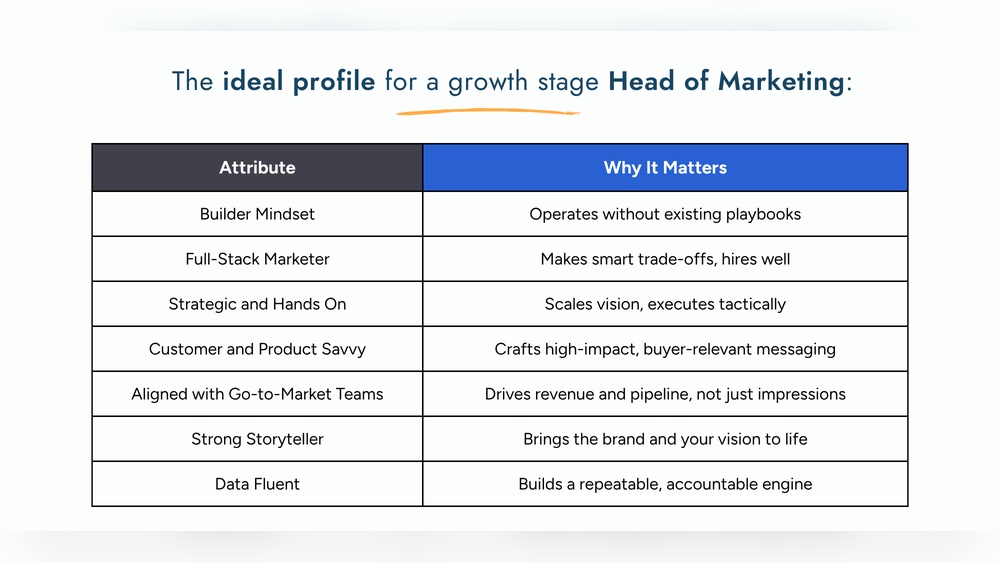
Are you confused about the difference between a Growth Director Digital and a Marketing Product Manager? You’re not alone.
Both roles play a big part in driving a company’s success, but they focus on different strategies and goals. Understanding these differences can help you decide which path fits your skills and ambitions best. Keep reading to discover how each role shapes growth and why knowing their unique strengths could be the key to boosting your career or business results.
Role Of A Growth Director
The role of a Growth Director is vital in driving a company’s expansion and success. This leader focuses on identifying new opportunities and scaling business strategies efficiently. They combine data analysis with creative thinking to improve customer acquisition and retention. Growth Directors work closely with various teams to align efforts toward common goals.
Core Responsibilities
A Growth Director leads the development of growth strategies. They analyze market trends and customer data to find areas for improvement. Managing cross-functional teams ensures projects move forward smoothly. They also optimize marketing campaigns to increase user engagement and sales. Setting clear goals and tracking performance metrics is part of their daily tasks.
Skills And Expertise
Strong analytical skills help Growth Directors interpret complex data. They must understand digital marketing and product development well. Communication skills are essential for coordinating teams and stakeholders. Experience with customer behavior and market research boosts decision-making. Leadership qualities motivate teams to reach ambitious targets.
Impact On Business Growth
Growth Directors play a key role in increasing revenue and market share. Their strategies improve customer acquisition and reduce churn rates. They help companies adapt quickly to changing market conditions. By focusing on scalable solutions, they ensure long-term growth. Their work directly supports the company’s overall success and stability.
Role Of A Digital Marketing Product Manager
The Digital Marketing Product Manager focuses on products that help promote and sell online. They work closely with marketing teams and product developers. Their main goal is to create tools that improve customer engagement and increase sales.
This role blends marketing knowledge with product management skills. It requires understanding customer needs and digital marketing trends. The Digital Marketing Product Manager ensures the product meets market demands and drives business growth.
Key Duties
The manager defines product goals based on market research. They plan product features and prioritize development tasks. Collaboration with design, marketing, and sales teams is essential. They monitor product performance using data and user feedback. Adjustments are made to improve user experience and results.
Required Skill Set
Strong communication skills help coordinate with different teams. Analytical skills are needed to interpret data and market trends. Knowledge of digital marketing tools and platforms is important. Project management skills keep product development on track. Creativity aids in solving problems and improving products.
Influence On Product Success
The manager links product features with customer needs. Their decisions affect user satisfaction and business growth. They ensure marketing strategies align with product capabilities. Effective management leads to higher adoption and retention rates. Their role directly shapes the product’s impact in the market.
Strategic Focus Areas
Strategic focus areas define the core tasks and goals for different roles in a company. They guide daily actions and long-term plans. Understanding these focus areas helps clarify responsibilities and align teams.
Growth Directors and Digital Marketing Product teams have distinct priorities. Each role targets unique outcomes that drive business success. Their strategies shape how a company grows and serves its customers.
Growth Director Priorities
Growth Directors focus on expanding the company’s market reach. They analyze data to find new opportunities for growth. Customer acquisition and retention are top priorities. They work closely with sales and product teams. Building partnerships and exploring new markets matter most. Growth Directors also track key performance indicators daily. They adjust strategies based on market trends. Their goal is steady, measurable growth.
Digital Marketing Product Priorities
Digital Marketing Product teams concentrate on creating effective marketing tools. They develop and improve digital products like apps and websites. User experience and engagement are critical focuses. They use customer feedback to refine features. Campaign performance and conversion rates guide their work. Collaboration with designers and developers is essential. Their aim is to support marketing efforts with strong digital assets. Success depends on delivering value to users.

Credit: careers.dennys.com
Team Collaboration And Leadership
Team collaboration and leadership shape how projects move forward. They set the pace for success and create a strong work culture. Both Growth Directors and Marketing Product teams rely on these skills to meet goals. Yet, their approaches differ based on their roles and focus areas.
Understanding these differences helps teams work better and achieve results faster. It also clarifies how leaders guide their teams and how departments interact daily.
Growth Director’s Team Dynamics
The Growth Director leads with a broad vision. They connect marketing, sales, and product teams. Their role is to align everyone around growth targets. This requires clear communication and quick decision-making.
They motivate teams by setting clear goals and sharing progress. The Growth Director encourages collaboration across departments. They focus on results and learning from data. This creates a fast-moving, flexible team environment.
Digital Marketing Product Team Interaction
Marketing product teams work closely with the Growth Director. Their role is to build and improve digital tools. They need frequent feedback from marketing and sales teams. This ensures the product meets user needs and drives growth.
Team members share ideas and solve problems together. They use data to guide product changes. This interaction requires trust and open communication. It helps create products that support the company’s growth strategy.
Metrics And Performance Measurement
Metrics and performance measurement are essential to track success in any business role. They help teams understand progress, identify problems, and improve strategies. Both Growth Directors and Digital Marketing Product managers use key performance indicators (KPIs) to measure their impact. These KPIs reflect their specific goals and responsibilities.
Growth Director Kpis
Growth Directors focus on overall business expansion. Their KPIs often include customer acquisition cost (CAC). This shows how much it costs to gain a new customer. They also track customer lifetime value (CLV) to measure long-term revenue from each customer.
Other important KPIs are churn rate and monthly recurring revenue (MRR). Churn rate reveals how many customers leave over time. MRR tracks steady income from subscriptions or sales. Growth Directors also watch conversion rates from leads to customers.
Digital Marketing Product Kpis
Digital Marketing Product managers measure the success of campaigns and product features. They track click-through rates (CTR) to see how many users interact with ads or links. Bounce rate is another key metric, showing how many visitors leave quickly.
Engagement metrics like time on page and session duration reveal how users interact with content. Cost per click (CPC) and return on ad spend (ROAS) assess advertising efficiency. These KPIs help optimize marketing efforts and product updates.
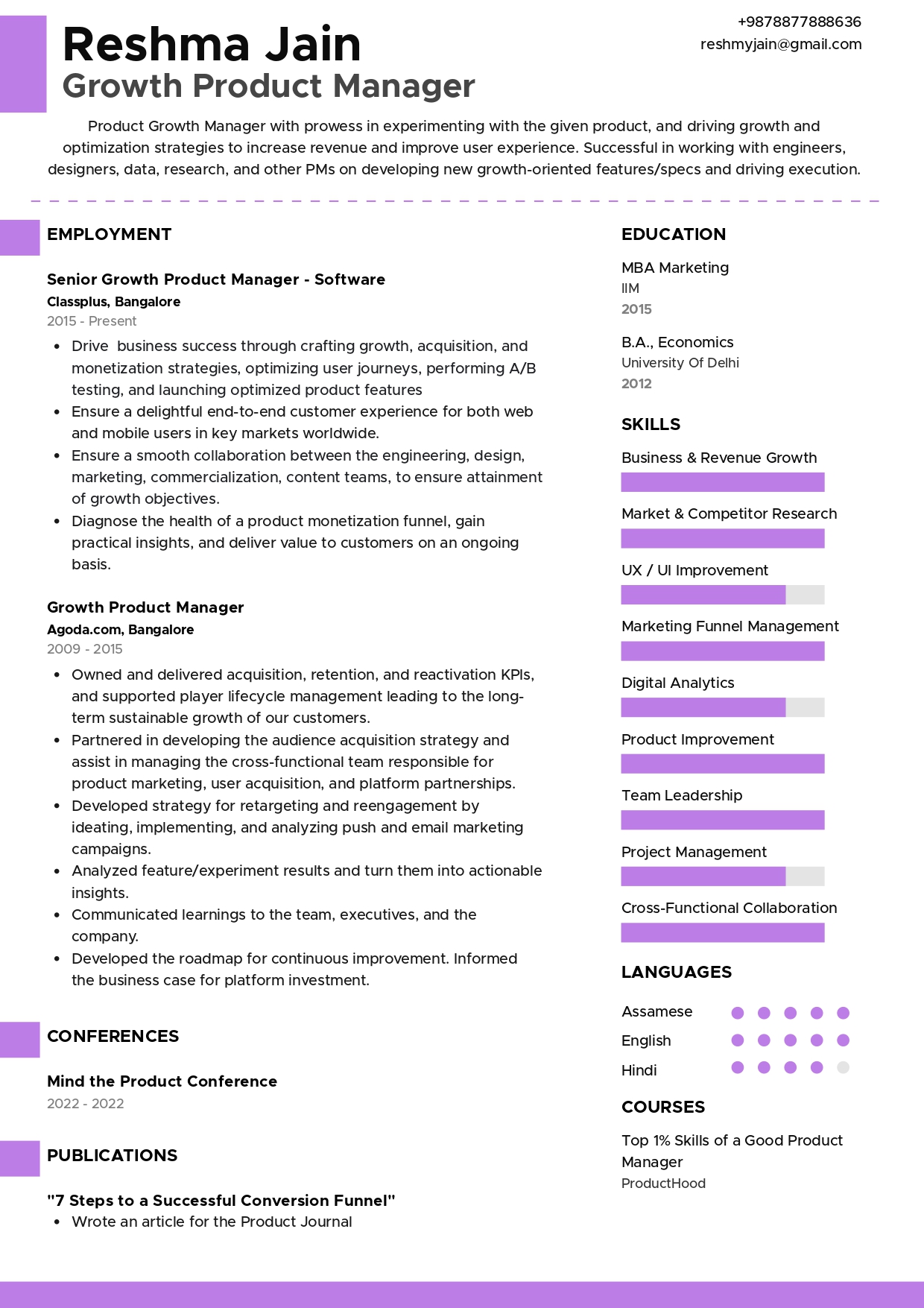
Credit: resumod.co
Tools And Technologies Used
Tools and technologies shape how Growth Directors and Digital Marketing Product Managers work. These tools help them plan, track, and improve their strategies. Each role uses unique sets of software to meet its goals. Understanding these tools clarifies their different focuses.
Growth Director Toolkit
Growth Directors rely on data and automation tools. They use platforms like Google Analytics to track user behavior. CRM systems such as Salesforce help manage customer relationships. They also use A/B testing tools like Optimizely to optimize campaigns. Growth Directors depend on project management tools like Asana or Trello. These tools keep teams aligned and projects on schedule. Marketing automation software like HubSpot is common for lead nurturing. This toolkit focuses on scaling growth efficiently.
Digital Marketing Product Manager Toolkit
Digital Marketing Product Managers focus on product performance and user experience. They use product analytics tools such as Mixpanel or Amplitude. These tools track how users interact with the product. Roadmapping tools like ProductPlan help plan product features and releases. They use collaboration software such as Jira for development tasks. Customer feedback platforms like UserTesting gather insights for improvements. Marketing campaign tools like Google Ads support product promotions. Their toolkit centers on product success and market fit.
Career Path And Advancement
Career path and advancement differ greatly between a Growth Director in digital and a marketing product role. Both roles offer unique opportunities but follow distinct trajectories. Understanding these differences helps in making informed career choices.
Growth Director Opportunities
A Growth Director focuses on expanding business reach and increasing revenue. They often start in marketing or sales roles. With experience, they move into leadership positions. These roles involve managing teams and setting growth strategies.
Advancement can lead to executive roles like Chief Growth Officer. The role demands strong analytical skills and strategic thinking. Growth Directors work closely with product and sales teams. Their success depends on driving measurable results.
Digital Marketing Product Career Growth
Digital marketing product roles center on developing and managing marketing tools. Careers often begin as product coordinators or specialists. Progression leads to product manager and senior product manager positions.
Professionals in this field develop skills in user experience and data analysis. Advancement includes roles like Director of Product Marketing. Growth depends on understanding customer needs and market trends. Collaboration with developers and marketers is key.
Common Challenges Faced
Both Growth Directors and Digital Marketing Product Managers face challenges daily. Their roles overlap in many ways but also have unique difficulties. Understanding these challenges helps teams work better and reach goals faster.
Growth Director Obstacles
Growth Directors often struggle with balancing short-term wins and long-term strategies. They must keep up with fast market changes and adjust plans quickly. Aligning different teams towards common goals can be tough. They also face pressure to show quick results while building sustainable growth. Managing budgets and resources effectively is a constant challenge. Keeping the team motivated during slow growth phases requires strong leadership. Data-driven decisions need clear and accurate insights, which are not always easy to get.
Digital Marketing Product Manager Challenges
Digital Marketing Product Managers must understand customer needs deeply. They work closely with developers and marketers, which can cause communication gaps. Prioritizing features that offer real value is often difficult. Keeping up with new digital tools and platforms takes time. They face tight deadlines that limit thorough testing and improvement. Measuring campaign performance accurately remains a key challenge. Coordinating multiple projects without losing focus demands strong organization skills.

Credit: www.demandbase.com
Frequently Asked Questions
What Is The Main Role Of A Growth Director In Digital?
A Growth Director in digital focuses on increasing user engagement and revenue. They use data and strategies to grow the business online. Their goal is to improve customer acquisition and retention.
How Does A Marketing Product Role Differ From Growth Director?
Marketing Product managers focus on product features and market fit. Growth Directors concentrate on scaling user numbers and sales. Both roles aim to boost business success but with different approaches.
Which Skills Are Essential For A Growth Director Digital Role?
Strong analytical skills and data-driven thinking are key. Creativity in marketing and understanding customer behavior also matter. Leadership and communication skills help manage teams effectively.
Can A Marketing Product Manager Impact Company Growth?
Yes, by developing products that meet customer needs well. They help create products that attract and keep users. Their work supports long-term business growth indirectly.
Is Digital Growth More Important Than Marketing Product Today?
Both are important but serve different purposes in business growth. Digital growth focuses on increasing users quickly. Marketing Product ensures the product fits the market and users’ needs.
Conclusion
Choosing between a Growth Director Digital and a Marketing Product role depends on your goals. Each role has unique tasks and focuses. Growth Directors push overall business growth through digital channels. Marketing Product managers shape the product and its market fit.
Both roles need creativity and strategy skills. Understanding these differences helps pick the right path. Think about what excites you most in work. Growth or product focus? Your choice shapes your career journey. Stay curious and keep learning. Opportunities grow with knowledge and effort.