
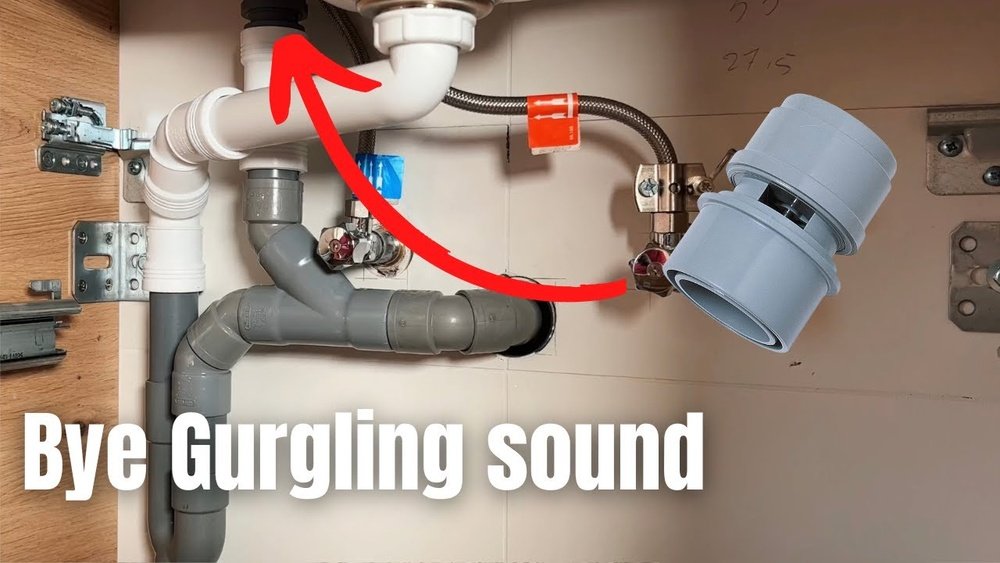
The unsettling sound of a gurgling sink can transform a mundane chore into a minor mystery. It’s a common household annoyance, often dismissed as a quirky plumbing characteristic. However, this seemingly harmless noise is frequently a symptom of a more significant issue lurking within your drainage system.
Understanding why your sink gurgles when draining is the first step toward diagnosing and resolving potential problems, from minor clogs to more serious ventilation failures that can impact your entire home’s plumbing.
Ignoring these gurgling sounds can lead to slow drains, unpleasant odors, and even water backing up into your sink or elsewhere in your home. These issues aren’t just inconvenient; they can indicate a compromised plumbing system that requires attention. This article will explore the various reasons behind sink gurgling, delve into the mechanics of your plumbing, and provide practical, actionable steps you can take to identify and fix the problem, ensuring your drains flow freely and quietly.
Key Takeaways
- Gurgling is a sign of trapped air: The primary cause of sink gurgling is air being forced through water in the pipes, indicating a blockage or venting issue.
- Common culprits include clogs: Food debris, grease, hair, and soap scum are frequent culprits that accumulate in drain pipes, causing partial or full blockages.
- Ventilation is crucial: Plumbing systems rely on vents to equalize pressure, allowing water to flow smoothly. A blocked vent pipe can cause gurgling and slow drains.
- P-traps can cause issues: The U-shaped P-trap under your sink is designed to hold water and prevent sewer gases from entering your home. If it’s blocked or improperly vented, it can gurgle.
- Deeper blockages require professional help: While minor clogs can often be cleared with DIY methods, extensive blockages or ventilation problems may necessitate calling a plumber.
- Regular maintenance prevents problems: Simple preventative measures like using drain strainers and avoiding pouring grease down the drain can significantly reduce the likelihood of gurgling.

Credit: www.robinsonsplumbingservice.com
Understanding Your Plumbing System’s Mechanics
Before diving into the specific causes of gurgling, it’s essential to grasp how a typical residential plumbing system functions. Your drains are not just simple pipes leading away from your fixtures; they are part of a complex network designed to efficiently remove wastewater and prevent sewer gases from entering your home. This network relies on gravity, water pressure, and a critical component known as the vent system.
The Role Of The P-trap
Every fixture in your home, including sinks, showers, and toilets, is equipped with a P-trap. This is the U-shaped section of pipe located directly beneath the fixture. Its primary purpose is twofold:
- Preventing Sewer Gases: The curve of the P-trap holds a small amount of water, creating a seal that blocks unpleasant and potentially harmful sewer gases from rising back up through the drain and into your living space.
- Catching Debris: The P-trap can also catch heavier debris that might otherwise travel further down the system, making it easier to retrieve if a clog occurs nearby.
When water flows down a drain, it pushes air ahead of it. As the water passes through the P-trap, air can escape through the vent system. If the vent is clear and the trap is functioning correctly, the water flows smoothly.
However, if air cannot escape properly, it can become trapped and forced back up through the water in the P-trap, causing the characteristic gurgling sound.
The Importance Of The Vent System
The vent system is a network of pipes that runs from your drainage pipes up through your roof. Its main function is to equalize air pressure within the drainage system. Think of it like this: as water rushes down a drain, it creates a vacuum behind it. Without a vent, this vacuum can suck water out of the P-traps, breaking the seal and allowing sewer gases to enter. Conversely, if air can’t escape forward, it can create back pressure.
The vent system allows air to enter the pipes from above, preventing this vacuum and back pressure. This ensures that water flows down the drain quickly and efficiently, and that your P-traps remain filled with water. A properly functioning vent system is crucial for all plumbing fixtures to operate correctly and odor-free.
How Air Pressure Affects Drains
Air pressure is a silent but critical player in your plumbing’s performance. When you run water down a drain, gravity pulls the water and the wastewater it carries downwards. As this column of water moves, it displaces air. The vent system allows fresh air to enter the pipes, maintaining atmospheric pressure and allowing the water to flow unimpeded.
If the vent is blocked, the air behind the draining water can’t escape. This trapped air gets compressed, and as the water continues to push, it forces the air back up the pipe. This is precisely what causes the gurgling sound, air being pushed through the water seal in the P-trap.
In severe cases of blocked vents, this back pressure can even cause water to back up into the fixture or push water into adjacent fixtures.

Credit: www.homeserve.co.uk
Common Causes Of Sink Gurgling
The gurgling sound is almost always a symptom of a problem with either a blockage within the drainpipe or an issue with the ventilation of your plumbing system. Identifying which of these is the root cause is key to effective troubleshooting.
Partial Clogs In The Drainpipe
The most frequent reason for a gurgling sink is a partial clog somewhere in the drainpipe. Over time, a combination of substances can accumulate, restricting the flow of water and trapping air.
- Grease and Fat Buildup: When hot grease, oil, or fats are poured down the sink, they can cool and solidify as they travel through the pipes. This sticky substance adheres to the pipe walls, narrowing the passage and trapping other debris. Even “flushable” wipes can contribute to this buildup.
- Food Scraps: In kitchen sinks, small pieces of food, coffee grounds, eggshells, and starchy substances like rice or pasta can get lodged in the pipe. While a garbage disposal can help, it doesn’t pulverize everything, and some particles can still accumulate.
- Hair and Soap Scum: Bathroom sinks are particularly prone to clogs from hair and soap residue. Hair, even when combined with water, can form a tangled mass that catches soap scum and other small particles, creating a significant obstruction.
- Foreign Objects: Occasionally, small items like jewelry, bottle caps, or even children’s toys can accidentally fall into the sink and get stuck in the P-trap or further down the pipe, causing an immediate blockage.
When a partial clog exists, water struggles to pass through the restricted opening. As water backs up behind the clog, it can force trapped air through the remaining water in the P-trap, creating the gurgling sound. The clog also impedes the smooth flow of air that should be entering from the vent, exacerbating the pressure issue.
Blocked Plumbing Vents
Your home’s plumbing system has a network of vent pipes, typically extending from the main drain line up through the roof. These vents are crucial for allowing air to enter the drainage system, equalize pressure, and prevent siphoning of P-traps.
When a vent pipe becomes blocked, it disrupts the entire drainage process.
- Debris Accumulation: Leaves, bird nests, snow, and ice can accumulate in the vent pipe opening at the roof level, obstructing airflow.
- Animal Infestation: Small animals or birds can build nests inside vent pipes, creating a significant blockage.
- Tree Growth: In some cases, tree roots can infiltrate underground vent pipes, causing blockages.
- Improper Installation: While less common, vents can sometimes be improperly installed, leading to inadequate airflow or even blockage over time.
When a vent is blocked, the air pressure within the drainage system cannot equalize. As water drains from a fixture, it creates a vacuum behind it. This vacuum can pull water from the P-traps of other fixtures, causing them to lose their water seal and allow sewer gases to enter.
Simultaneously, the lack of incoming air means that air trying to escape from downstream fixtures gets trapped and forced back up, leading to gurgling sounds, slow drains, and potentially even sewage odors.
Issues With The P-trap
The P-trap itself, while designed to prevent problems, can sometimes be the source of gurgling.
- Clogs within the P-Trap: The U-shape of the P-trap is a natural collection point for debris. If enough material accumulates, it can create a clog directly within the trap, leading to slow draining and gurgling.
- Improperly Sealed P-Trap: If the connections to the P-trap are loose or improperly sealed, air can be drawn in, or water can leak out, disrupting the water seal and potentially causing gurgling or whistling sounds.
- Siphoning: In systems with inadequate venting, the vacuum created by draining water can sometimes siphon the water out of the P-trap. When the next flush or drain occurs, the air forced through the now-empty trap will cause a distinct gurgle.
The gurgling from a P-trap issue often sounds more localized and may be accompanied by visible water flow problems directly at the sink.
Simultaneous Fixture Drainage
A common scenario that highlights venting or pressure issues is when multiple fixtures are used concurrently. If you flush a toilet and then immediately hear your sink gurgle, or if running the shower causes the sink to gurgle, it strongly suggests a problem with the overall system’s ability to handle simultaneous water flow and air pressure changes.
This is a classic indicator of a blocked vent or a significant blockage further down the main drain line. The sudden demand for air or the surge of water pushing through a restricted pipe can force air and water back up through other nearby fixtures.

Credit: www.youtube.com
Diagnosing The Gurgling Sink
Before you grab a plunger or call a professional, a bit of detective work can help pinpoint the cause of your gurgling sink. Observing when and how the gurgling occurs is key to narrowing down the possibilities.
Step-by-step Diagnostic Process
- Observe the Gurgling:
- When does it happen? Does it occur only when you run the specific sink, or when other fixtures in the house are used (e.g., flushing a toilet, running a washing machine)?
- What does it sound like? Is it a faint bubbling, a loud gulping, or a more sustained rushing sound?
- Is the drain slow? Is the water draining slowly, or is it draining at a normal pace despite the gurgling?
- Test Other Fixtures:
- Run water in the problematic sink for a minute. Note any gurgling.
- Flush a nearby toilet. Listen for gurgling in the sink.
- Run water in another sink or shower. Listen for gurgling in the problematic sink.
- Run the washing machine (if applicable and nearby). Listen for gurgling.
- Check the P-Trap:
- Place a bucket under the P-trap.
- Carefully loosen the slip nuts connecting the trap. Be prepared for residual water to drain out.
- Inspect the trap for visible clogs or debris.
- If clear, reassemble and tighten the nuts.
- Examine the Sink Stopper:
- Remove the sink stopper. Many stoppers have a mechanism that can catch hair and debris. Clean it thoroughly.
- Test the drain with the stopper removed.
- Consider Recent Work:
- Has any plumbing work been done recently? An improperly reconnected pipe or a temporarily blocked vent during construction could be the cause.
Signs Pointing To A Clog Vs. A Vent Issue
Signs suggesting a clog:
- The gurgling and slow drain occur only when that specific sink is used.
- The gurgling is loudest when water is actively draining from that sink.
- You can often feel or hear the clog if you put your ear near the drain opening.
- The problem may be localized to the P-trap or the first few feet of pipe.
Signs suggesting a vent issue:
- Gurgling occurs in multiple fixtures, or when other fixtures are used.
- You hear gurgling in sinks or showers when a toilet is flushed.
- You experience foul sewer odors, especially after flushing toilets or running drains.
- Drains throughout the house are slow or draining erratically.
- Water levels in toilet bowls fluctuate unexpectedly.
- The sink drains relatively normally, but still gurgles, indicating air pressure problems rather than just a water flow obstruction.
Using A Plunger Effectively
A plunger is a common tool for clearing minor clogs. For a sink, use a cup-style plunger.
- Create a Seal: Ensure there’s enough water in the sink to cover the plunger cup. Block the overflow opening with a wet rag to maximize suction.
- Plunge Vigorously: Place the plunger over the drain opening, ensuring a tight seal. Pump it up and down vigorously 15-20 times.
- Break the Seal: Quickly pull the plunger away to break the seal.
- Repeat: Repeat the process several times. If the water starts draining, flush with hot water. If not, the clog may be deeper or a vent issue might be present.
The Bucket Test For P-trap Issues
This is a simple test to check if the P-trap itself is the problem.
- Place a bucket directly under the P-trap.
- Carefully loosen the slip nuts on either side of the U-bend.
- Allow any water to drain into the bucket.
- Inspect the inside of the trap for any visible debris, grease, or hair.
- Clean out any obstructions.
- Reassemble the P-trap, ensuring the connections are snug but not overtightened.
- Run water to check for leaks and listen for gurgling.
If cleaning the P-trap resolves the issue, the clog was contained within that section. If the gurgling persists, the problem lies further down the drainpipe or in the vent system.
Troubleshooting Common Causes
Once you have a better idea of the potential cause, you can employ specific troubleshooting methods.
Clearing Drainpipe Clogs
If you suspect a clog in the drainpipe beyond the P-trap, several methods can be effective.
- Boiling Water: For kitchen sinks prone to grease buildup, pouring a kettle of boiling water down the drain can help melt and dislodge minor grease clogs. Repeat this several times. Be cautious with PVC pipes, as excessive heat can damage them; lukewarm or hot tap water might be a safer alternative.
- Baking Soda and Vinegar: This classic DIY method can help break down minor clogs and deodorize the drain.
- Pour about half a cup of baking soda down the drain.
- Follow with an equal amount of white vinegar.
- The mixture will fizz. Cover the drain opening with a stopper or rag to direct the reaction downwards.
- Let it sit for 30 minutes to an hour.
- Flush with hot water.
- Drain Snake (Auger): For clogs deeper than the P-trap, a drain snake is an invaluable tool.
- Feed the snake cable into the drainpipe (you may need to remove the P-trap first).
- When you encounter resistance, crank the handle to rotate the auger head, breaking up or snagging the clog.
- Carefully pull the snake back out, removing any debris it has captured.
- Flush the drain thoroughly with hot water.
*Pro Tip:* When using a drain snake, always wear gloves and eye protection. Some snakes have sharp ends that can cause injury if not handled carefully.
- Enzymatic Drain Cleaners: Unlike harsh chemical cleaners, enzymatic cleaners use natural enzymes to break down organic waste like grease, hair, and food particles. They are generally safer for pipes and the environment but work more slowly, often requiring overnight application. They are best used for maintenance or very minor clogs.
Addressing Blocked Vents
Diagnosing and clearing a blocked vent pipe can be more challenging, as they are often inaccessible.
- Locating Vents: Vent pipes typically run vertically from drain lines and connect to a larger stack that exits through the roof. You might hear gurgling from a vent pipe if it’s blocked, or notice the effects on your drains.
- Roof Access: The most direct way to check for vent blockages is to safely access your roof.
- Safety First: Ensure you have a sturdy ladder and proper safety equipment. It’s often best to have a second person present.
- Inspect the Vent Opening: Look for any obvious obstructions like leaves, nests, or debris around the vent pipe opening.
- Clear Obstructions: Carefully remove any debris you find. You can use a garden hose to try and flush out minor blockages.
- Using a Drain Snake on Vents: If you suspect a blockage further down the vent pipe, you might be able to use a drain snake.
- Insert the snake into the vent opening on the roof.
- Feed the cable down, trying to dislodge any obstruction.
- Be aware that vent pipes can have turns and connections that may make snaking difficult.
*Warning:* Working on a roof can be dangerous. If you are uncomfortable with heights or unsure about clearing the vent, it is far safer to call a professional plumber. They have the specialized tools and experience to safely access and clear vent pipes.
Dealing With P-trap Issues
As mentioned, cleaning the P-trap is a straightforward DIY task. If the issue is not a clog within the trap itself, but rather a problem with its seal or function, it might indicate a broader venting issue that is causing the trap to siphon.
In such cases, addressing the vent system is the primary solution. If the P-trap connections are leaking, simply tightening the slip nuts or replacing worn-out rubber washers might resolve the problem.
When To Call A Professional Plumber
While many sink gurgling issues can be resolved with DIY methods, there are situations where calling a professional plumber is the wisest and most effective course of action.
Signs You Need A Plumber
- Persistent Gurgling: If you’ve tried basic troubleshooting (plunger, baking soda/vinegar, P-trap cleaning) and the gurgling persists, the blockage is likely deeper in the system or the issue is with the main drain line or vent stack.
- Multiple Fixtures Affected: If gurgling, slow drains, or sewer odors are affecting multiple fixtures in your home, it points to a problem with the main sewer line or a significant vent blockage affecting the entire house. This is beyond typical DIY repair.
- Sewage Backup: Any sign of sewage backing up into your sink, shower, or toilet is a serious plumbing emergency that requires immediate professional attention.
- Uncertainty About Venting: Vent systems can be complex. If you are unsure about how to locate or safely access your vent pipes, or if you suspect a blockage within them, a plumber has the expertise and equipment to handle it.
- Recurring Problems: If your sink gurgles frequently, even after you’ve cleared it, there might be an underlying issue with the pipe slope, a partial collapse of a drainpipe, or an undersized vent system that needs professional diagnosis and repair.
- Lack of Tools or Comfort: If you don’t have the necessary tools (like a long drain snake or inspection camera) or are not comfortable performing the necessary work, it’s always best to let a professional handle it to avoid causing further damage.
Benefits Of Professional Plumbing Services
- Expert Diagnosis: Plumbers have specialized tools, such as drain inspection cameras, that can visually identify the exact location and nature of blockages or damage within your pipes and vents. This eliminates guesswork.
- Advanced Equipment: Professionals have access to powerful drain cleaning machines, hydro-jetting equipment, and specialized tools for vent clearing that are far more effective than standard household tools.
- Efficiency and Speed: Experienced plumbers can diagnose and resolve issues much faster than a DIYer, saving you time and frustration.
- Preventative Maintenance: A plumber can not only fix the immediate problem but also assess your entire plumbing system for potential future issues and recommend preventative maintenance.
- Warranty and Guarantees: Reputable plumbers often offer warranties on their work, providing peace of mind that the repair will be effective and lasting.
Cost Considerations
While calling a plumber involves a cost, it’s important to weigh this against the potential damage and inconvenience of DIY attempts gone wrong. The cost of a plumber can vary based on your location, the complexity of the job, and the time required.
For a simple clog removal, you might expect to pay anywhere from $100 to $300. More complex issues, like vent stack clearing or main line blockages, could range from $250 to $1,000 or more. Always get an estimate upfront and ask about potential additional charges.
Preventative Maintenance For Your Drains
The best way to deal with a gurgling sink is to prevent it from happening in the first place. Regular maintenance can keep your drains flowing smoothly and quietly.
Kitchen Sink Maintenance
- Scrape Plates: Scrape food scraps into the trash or compost bin before rinsing dishes.
- Avoid Pouring Grease: Never pour grease, oil, or fats down the kitchen sink. Collect them in a container and