
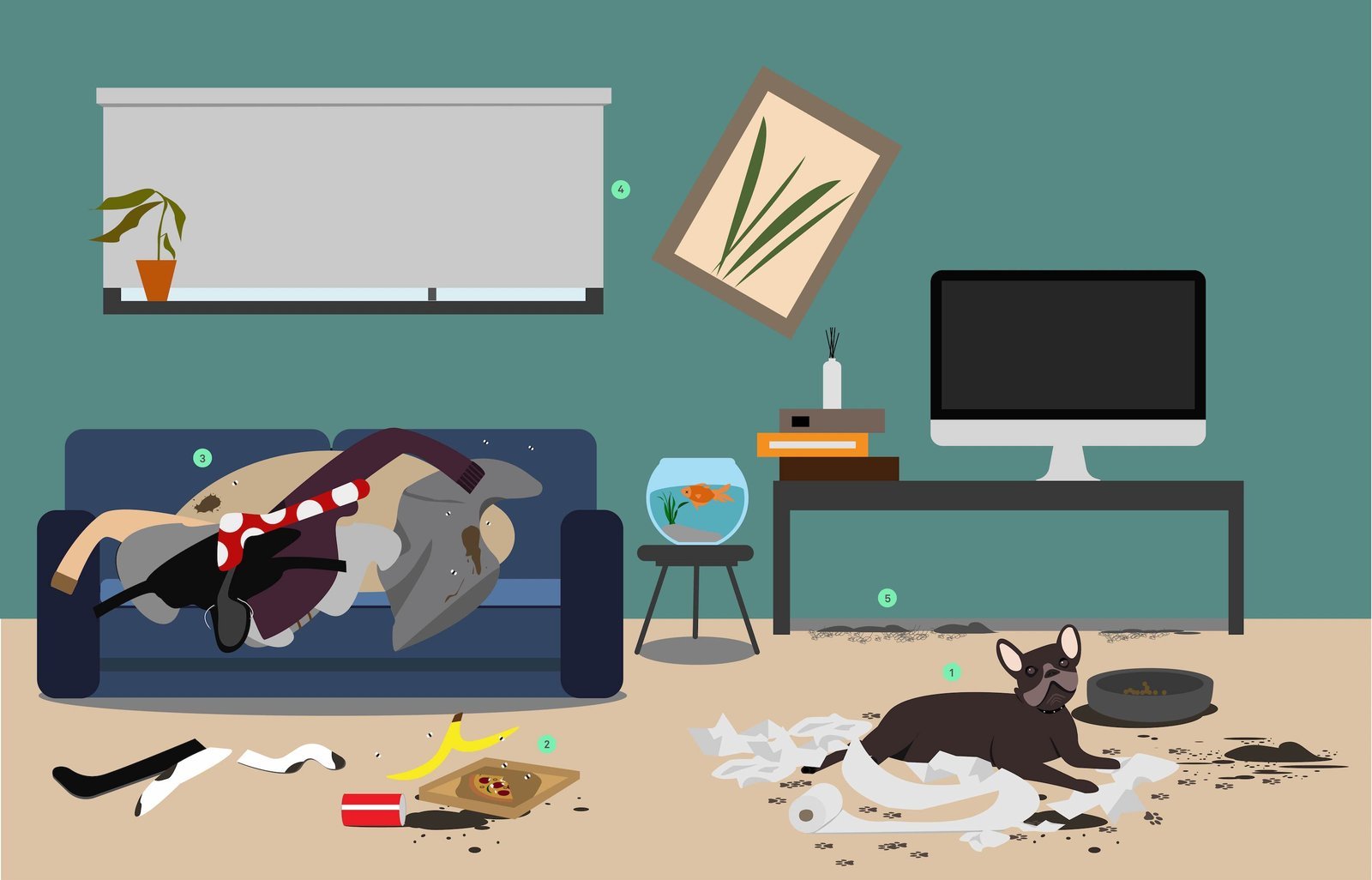
Your room smells musty because damp materials are releasing microbial volatile organic compounds (MVOCs), the gases produced by mold and bacteria as they grow. The odor isn’t just unpleasant; it signals excess moisture and active biological growth somewhere in your walls, carpet, bedding, or air. Finding the source quickly matters because prolonged exposure can trigger allergies, asthma symptoms, and respiratory irritation, especially in children and older adults.
Key Takeaways
- Check for hidden moisture behind furniture, under rugs, and inside closets before anything else.
- Run a dehumidifier to keep indoor humidity between 30 and 50 percent.
- Wash bedding, curtains, and washable rugs in hot water to remove trapped odors.
- Clean air conditioner and dehumidifier filters every two to four weeks during heavy use.
- Replace porous items like wet carpet padding or moldy ceiling tiles rather than trying to clean them.
- Open windows for cross-ventilation when outdoor humidity is below 60 percent.
Most Common Causes of a Musty Room
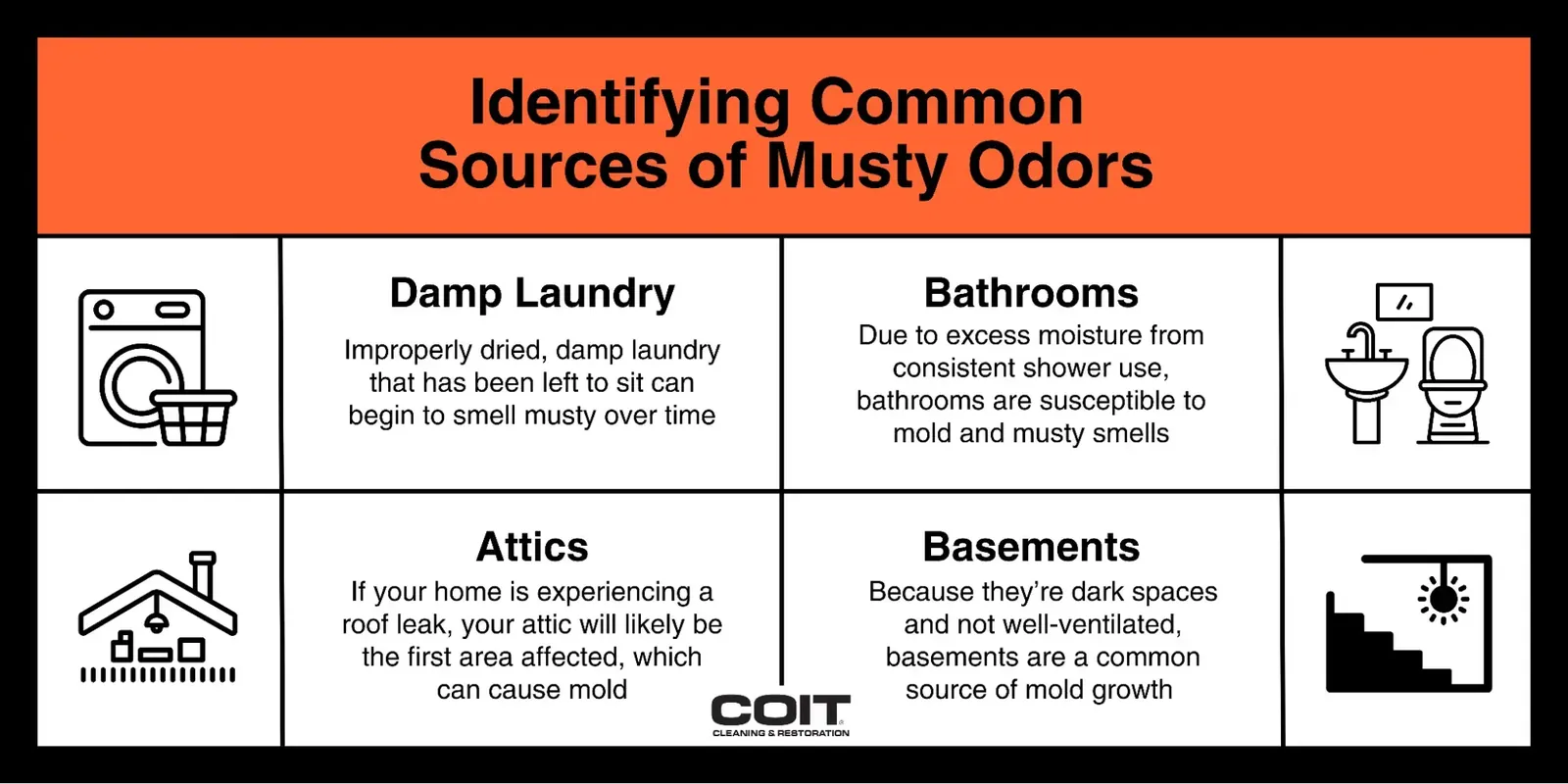
Musty smells almost always trace back to excess moisture meeting organic material. The following sources appear most often.
Damp Carpet and Rugs
Carpet fibers hold moisture from spilled drinks, pet accidents, or high ambient humidity. Once the padding underneath stays wet for more than 24 to 48 hours, mold and bacteria can colonize it. Because the padding sits against the subfloor, you often can’t see the problem until the smell becomes strong.
Mold in Closets and Behind Furniture
Closets and the space behind dressers and beds restrict airflow. Condensation can form on exterior walls, especially in corner rooms or on north-facing walls. Clothes pressed against damp drywall absorb moisture and begin to smell within days.
Dirty HVAC Filters and Air Ducts
Air conditioners and dehumidifiers pull moisture from the air, but their filters trap dust, skin cells, and mold spores. When filters stay in place too long, they become a breeding ground. The blower then spreads musty air every time the system runs.
Wet Laundry and Bedding
Damp towels left in a hamper, sweat-soaked sheets, or a mattress that never fully dries after a spill can all generate a sour, musty odor. Mattresses are especially difficult to dry because moisture sinks into the foam and stays trapped.
Water Intrusion from Leaks
Roof leaks, pipe leaks, and window seal failures introduce water directly into building materials. Drywall, wood framing, and insulation can stay wet long after the visible leak stops, creating a persistent odor source.
Where to Look First
Start with the places you rarely move or clean.
- Under beds and dressers
- Inside closets, especially along exterior walls
- Behind curtains and drapes
- Beneath area rugs and along carpet edges
- Inside the laundry hamper and around the washing machine
- On window sills and in window tracks
- Inside air conditioner vents and return grilles
Use your nose as a guide. Move slowly through the room and pause in corners. If the smell strengthens near a specific wall or piece of furniture, that area deserves closer inspection.
How to Find Hidden Moisture
You don’t need expensive equipment to locate most moisture problems, but a few tools help confirm what your eyes and nose suggest.
Visual Inspection
Look for dark spots on walls, peeling paint, bubbling wallpaper, or warped baseboards. Check grout lines in bathrooms adjacent to the bedroom. Inspect the ceiling for brown rings, which often indicate a slow leak from above.
Touch Test
Press your hand against exterior walls, especially in corners and behind furniture. Damp drywall feels cool and slightly soft compared with dry areas. Check the underside of rugs by lifting a corner.
Moisture Meter
A pinless moisture meter reads moisture content through surfaces without damaging them. These devices are useful for checking drywall, wood, and concrete. Typical readings on dry interior drywall should be near zero; elevated readings suggest hidden wetness.
Hygrometer
A hygrometer measures relative humidity. Place one in the suspect room for 24 to 48 hours. Readings consistently above 60 percent create ideal conditions for mold growth and musty odors.
| Tool | What It Detects | Typical Cost Range |
|---|---|---|
| Hygrometer | Relative humidity in the air | $10 to $30 |
| Pinless moisture meter | Moisture inside drywall, wood, or concrete | $25 to $70 |
| Flashlight | Dark corners, behind furniture, inside closets | $5 to $20 |
Cleaning Steps That Actually Work
Once you locate the source, clean it properly or remove it. Surface cleaning alone rarely solves a musty smell if the material underneath remains wet.
Wash Soft Goods
Strip all bedding and wash it in hot water according to the care label. Add one cup of white vinegar to the rinse cycle to help neutralize odors. Wash curtains, washable rugs, and shower curtains the same way. Dry everything completely before returning it to the room.
Clean Hard Surfaces
Mix one cup of white vinegar with one gallon of warm water. Wipe down walls, baseboards, window sills, and furniture frames. For non-porous surfaces with visible mold, use a solution of one cup of bleach mixed with one gallon of water, but never mix bleach with vinegar or ammonia. Wear gloves and open a window for ventilation.
Treat Carpet Carefully
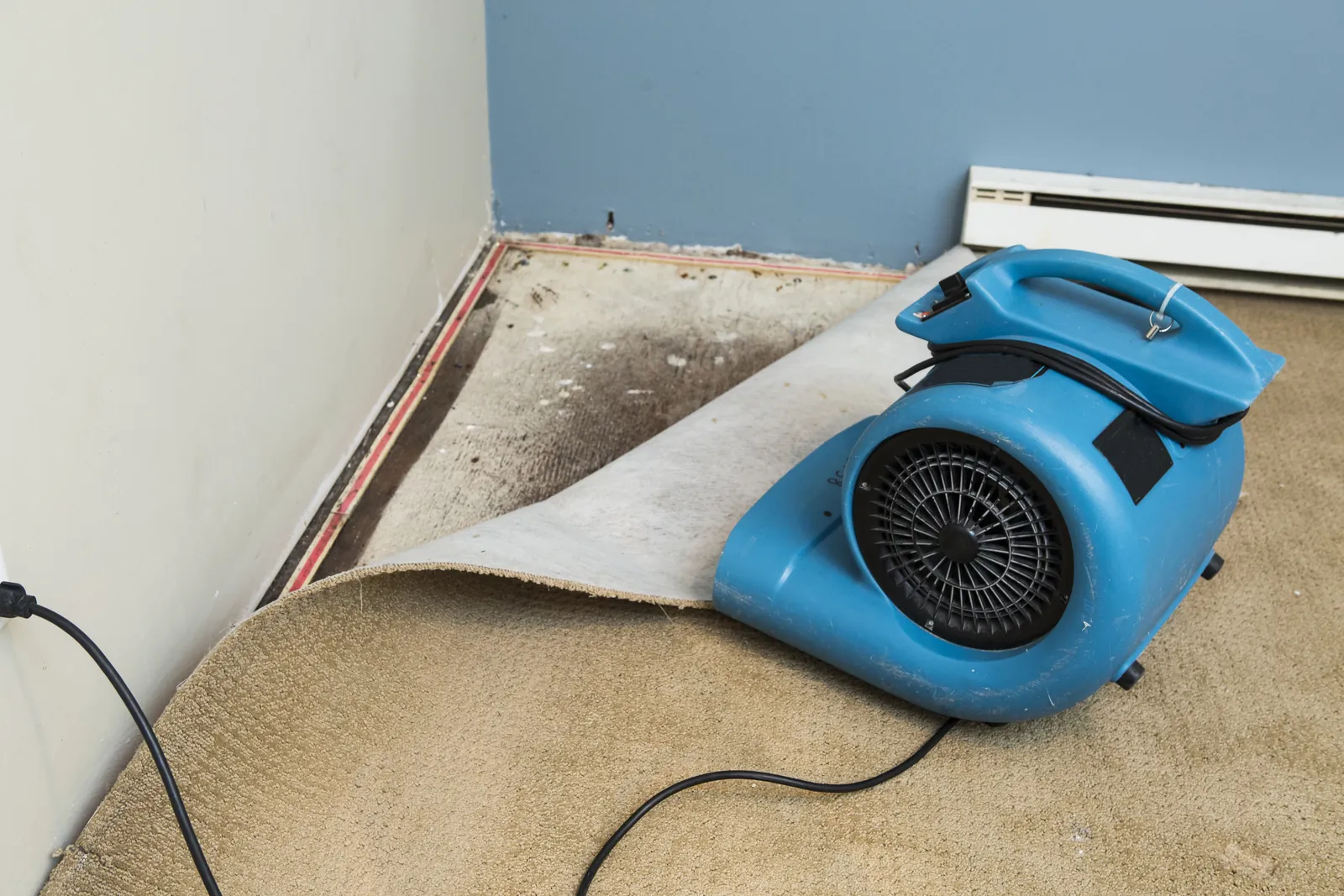
Sprinkle baking soda over dry carpet and let it sit for several hours before vacuuming. This absorbs surface odors but won’t fix wet padding. If the carpet padding is damp, lift the carpet and dry both sides with fans. Replace padding that smells musty after drying.
Clean the Air Conditioner
Turn off the power, remove the filter, and wash it with warm, soapy water. Let it dry completely before reinstalling. Wipe visible dust from vents and grilles. If the unit itself smells musty when running, the evaporator coil or drain pan may need professional cleaning.
Pro Tip: Run a portable dehumidifier in the room for two to three days after cleaning. Empty the tank daily or connect a hose to a drain so the machine runs continuously.
Prevent the Smell From Returning
Cleaning removes the odor; moisture control keeps it away.
Control Humidity
Keep indoor relative humidity between 30 and 50 percent. Use a dehumidifier during humid months and an air conditioner when temperatures rise. Empty dehumidifier tanks regularly, or set up continuous drainage if the model supports it.
Improve Airflow
Leave closet doors open occasionally. Pull furniture two to three inches away from exterior walls so air can circulate behind it. Run ceiling fans or portable fans on low to keep air moving without creating drafts.
Dry Wet Items Fast
Hang towels to dry after use instead of tossing them in a hamper. Wipe up spills immediately. If a mattress or rug gets wet, dry it within 24 hours using fans and a dehumidifier.
Maintain Filters
Check HVAC and dehumidifier filters monthly during heavy use. Replace disposable filters every one to three months, or wash reusable filters as directed by the manufacturer.
| Prevention Task | Frequency | Why It Matters |
|---|---|---|
| Check dehumidifier or AC filter | Monthly during heavy use | Traps spores before they spread |
| Empty dehumidifier tank | Daily or as needed | Keeps the machine removing moisture |
| Wash bedding | Weekly | Removes sweat and skin cells that feed mold |
| Move furniture from exterior walls | Ongoing | Improves airflow and reduces condensation |
| Monitor room humidity | Weekly | Confirms levels stay in the safe range |
When to Call a Professional
Some situations exceed what a homeowner can safely handle.
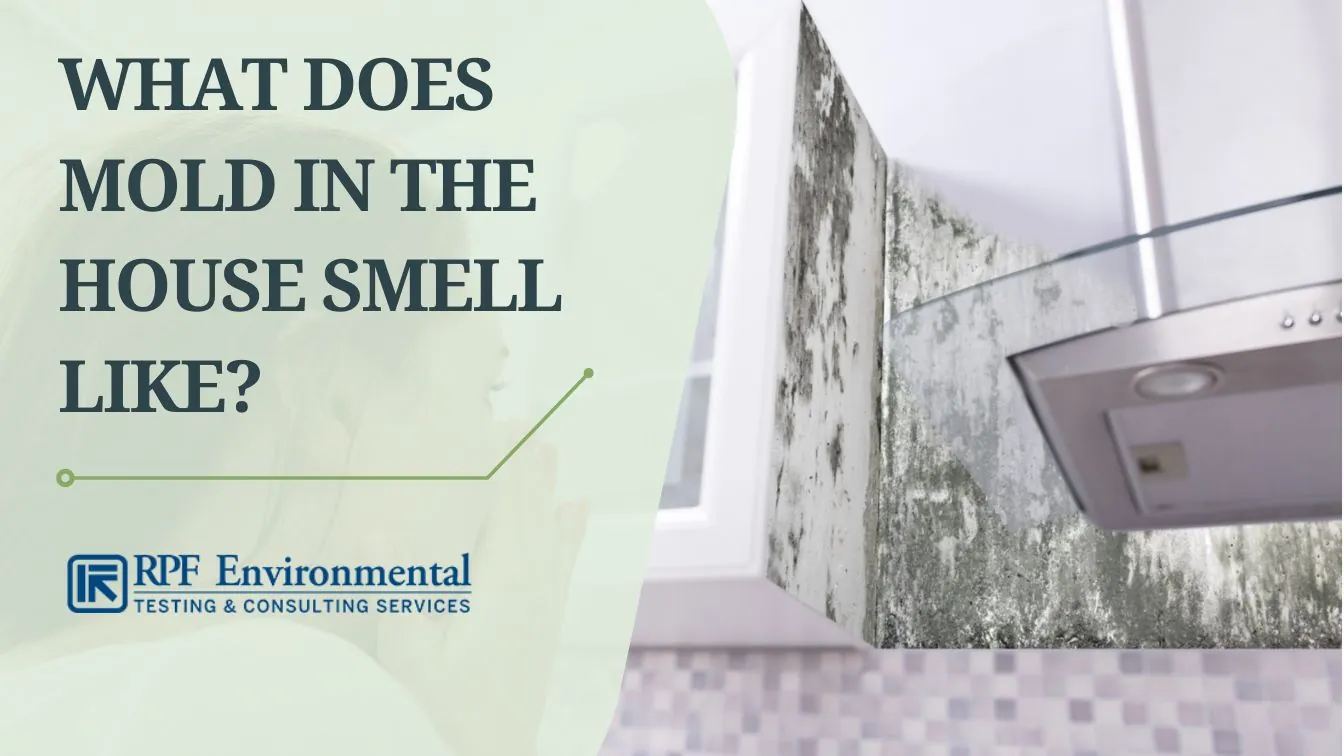
- Mold covers an area larger than 10 square feet
- The smell returns within days after thorough cleaning
- You suspect water inside walls or under flooring
- Anyone in the home experiences worsening allergy or asthma symptoms
- You see sewage or gray water contamination
A certified mold remediation specialist or water damage restoration company can use infrared cameras and air sampling to locate hidden growth. The Environmental Protection Agency provides guidance on mold cleanup and when professional help is warranted, including details on containment and protective equipment.
Warning: Don’t attempt to remove large mold colonies yourself without proper respiratory protection and containment. Disturbing mold can release spores into the air and spread the problem to other rooms.
Related guides
- How to Remove Gorilla Glue From Wood: A Simple Step-by-Step Fix in 2026
- Can You Use Oil Based Primer Over Latex Paint? The Fix in 2026
Frequently Asked Questions
Can a musty smell make me sick?
Yes. Musty odors often indicate mold or bacterial growth, which can release spores and gases that irritate the eyes, nose, throat, and lungs. People with asthma, allergies, or weakened immune systems are more likely to experience symptoms such as coughing, wheezing, or nasal congestion.
How long does it take to get rid of a musty smell?
Minor cases often improve within 24 to 48 hours after you remove the damp item, clean the area, and run a dehumidifier. If moisture remains inside walls or carpet padding, the smell can persist for weeks until the source is fully dried or replaced.
Will painting over musty walls fix the problem?
No. Paint seals in moisture and doesn’t kill mold growing underneath. The odor usually returns within weeks, and the mold can continue to damage the drywall. Clean and dry the surface first, then repaint only after the moisture problem is solved.
Do air purifiers remove musty smells?
Air purifiers with HEPA filters can capture airborne mold spores, and models with activated carbon can reduce some odors. They don’t remove mold growing on surfaces or fix excess humidity, so they work best as a supplement to cleaning and moisture control, not a replacement.
How often should I replace a musty mattress?
If a mattress smells musty and the odor remains after thorough drying and cleaning, replace it. Moisture trapped inside foam or fabric layers is extremely difficult to remove completely, and the mattress can continue to release spores and odors.
Conclusion
Fix the moisture source before anything else. Locate where the room feels damp, dry it thoroughly, clean affected surfaces, and maintain humidity between 30 and 50 percent to keep the musty smell from coming back.