
The distinct, often unpleasant, aroma of fish can permeate a home, leaving residents and guests wondering about the source. This isn’t just a minor inconvenience; a persistent fishy smell can indicate underlying issues ranging from simple spoilage to more complex plumbing or even electrical problems.
Understanding the potential causes is the first step toward eliminating the odor and ensuring a healthy living environment.
This comprehensive guide will explore the myriad reasons why your house might smell like fish, offering practical solutions and preventative measures. We’ll cover everything from common culprits like spoiled food and stagnant water to less obvious sources such as electrical malfunctions and certain types of mold.
By the end, you’ll be equipped to identify the source of the smell and take the necessary steps to restore freshness to your home.
Key Takeaways
- A fishy smell can originate from spoiled food, particularly seafood, in refrigerators, pantries, or garbage disposals.
- Plumbing issues, including drain clogs, dry P-traps, and sewer gas leaks, are frequent sources of persistent fishy odors.
- Electrical problems, such as overheating wiring or faulty appliances, can emit a distinct fish-like smell.
- Certain types of mold and mildew, especially in damp areas, can produce an odor reminiscent of fish.
- Even seemingly unrelated issues like pet waste or certain cleaning products can sometimes mimic a fishy smell.
- Prompt identification and addressing the source are crucial for eliminating the odor and preventing potential hazards.

Credit: www.youtube.com
Common Culprits: Food And Waste
The most immediate and common reason for a fishy smell in your home is related to food, especially if you’ve recently cooked or stored seafood. However, the problem can extend beyond fresh food to various waste disposal systems within your house.
Spoiled Food In Refrigerators And Pantries
It might seem obvious, but spoiled food is a primary suspect. Seafood, in particular, spoils quickly and develops a potent odor. Even if you haven’t recently cooked fish, other perishable items can break down and produce gases that might be mistaken for a fishy smell.
- Check the Refrigerator: Thoroughly inspect all shelves, drawers, and the crisper. Look for forgotten leftovers, expired dairy products, or meats that may have gone bad. Don’t forget to check the door seals and any hidden corners.
- Inspect the Pantry: While less common for fishy smells, expired canned goods or other forgotten perishables can also contribute to unpleasant odors.
- Clean Spills: Small spills that have seeped into cracks or under drawers can harbor bacteria and cause persistent smells.
Garbage Disposals And Trash Cans
Your garbage disposal and trash cans are breeding grounds for bacteria and can quickly develop foul odors if not maintained properly.
- Garbage Disposal: Food particles, especially those from meat and fish, can get trapped in the disposal’s blades and drain. This decaying matter emits a strong, often fishy, odor.
- Cleaning Tip: Run cold water while grinding food scraps. Periodically clean the disposal by grinding ice cubes, followed by citrus peels or baking soda and vinegar.
- Trash Cans: Regular emptying is essential, but even clean trash cans can retain odors.
- Deep Cleaning: Wash trash cans periodically with hot, soapy water and a disinfectant. Ensure they are completely dry before putting in new liners.
- Odor Absorbers: Place baking soda or activated charcoal at the bottom of the can to absorb smells.
Pet Waste
While not directly fish-related, the smell of pet waste, especially if left uncleaned or if a pet has had an accident in an unusual spot, can sometimes be confused with a fishy odor. This is particularly true for cat litter boxes that aren’t cleaned frequently enough.
- Immediate Cleanup: Scoop litter boxes daily and clean up accidents promptly.
- Enzyme Cleaners: Use specialized enzyme cleaners to break down the organic matter in pet waste, eliminating odors at their source.
Credit: www.youtube.com
Plumbing Problems: The Hidden Culprits
When food spoilage is ruled out, the next major category of potential causes lies within your home’s plumbing system. Leaks, clogs, and improperly functioning traps can allow unpleasant gases to enter your living space.
Dry Or Faulty P-traps
Every drain in your house (sinks, showers, tubs, floor drains) is equipped with a P-trap. This U-shaped pipe is designed to hold a small amount of water, creating a seal that prevents sewer gases from backing up into your home.
- How it Works: When water flows down the drain, it fills the trap. When water flow stops, some water remains, blocking gases.
- Why it Dries Out: Drains that are infrequently used, such as those in guest bathrooms, basements, or laundry rooms, can allow the water in the P-trap to evaporate over time. This evaporation breaks the seal, allowing sewer gases (which can smell fishy) to escape.
- Solution: Run water down infrequently used drains for a minute or two every week or two to replenish the water seal.
Clogged Drains And Pipes
A clogged drain doesn’t just slow down water flow; it can trap decaying organic matter (hair, soap scum, food particles) that decomposes and produces foul odors. If the clog is significant, these gases can be pushed back up through the drain.
- Symptoms: Slow draining, gurgling sounds, and unpleasant smells emanating from the drain.
- DIY Solutions:
- Boiling Water: Pouring boiling water down the drain can help dissolve grease and soap scum.
- Baking Soda and Vinegar: A mixture of baking soda followed by vinegar can help break down clogs and deodorize.
- Plunger: A good quality plunger can often dislodge minor clogs.
- Professional Help: For stubborn clogs, a plumber may need to use a drain snake or hydro-jetting to clear the obstruction.
Sewer Gas Leaks
A more serious plumbing issue is a sewer gas leak. These gases are produced by decomposing waste in the sewer system and can contain harmful compounds like hydrogen sulfide, which has a characteristic rotten egg or fishy smell.
- Sources of Leaks:
- Cracked or broken sewer pipes.
- Loose pipe joints.
- Improperly sealed vents.
- Failed P-traps (as mentioned above).
- Health Concerns: Sewer gases can be toxic, causing headaches, nausea, and respiratory issues. They can also be flammable.
- Action: If you suspect a sewer gas leak, vacate the area immediately and call a qualified plumber or your local utility company. Do not attempt to fix this yourself.
Septic System Issues (if Applicable)
For homes not connected to a municipal sewer system, a septic tank is used. Problems with the septic system can also lead to fishy odors.
- Full or Leaking Tank: If the septic tank is full or has a leak, untreated sewage can back up into the plumbing system or seep into the ground, releasing unpleasant gases.
- Vent Blockages: Blocked septic vents can prevent gases from escaping properly, forcing them back into the house.
- Maintenance: Septic tanks require regular pumping (typically every 3-5 years) and inspection to prevent these issues.
Electrical Malfunctions: An Unexpected Source
The smell of fish is not typically associated with electricity, yet electrical issues are a surprisingly common cause of this specific odor. This smell is often described as slightly sweet or fish-like and is a critical warning sign.
Overheating Wiring
When electrical wiring is overloaded, damaged, or has loose connections, it can overheat. The plastic insulation around the wires begins to melt and degrade, releasing a distinct, pungent odor that many people describe as fishy.
- Causes:
- Using extension cords as permanent wiring.
- Overloaded circuits.
- Faulty circuit breakers or outlets.
- Rodent damage to insulation.
- Warning Signs:
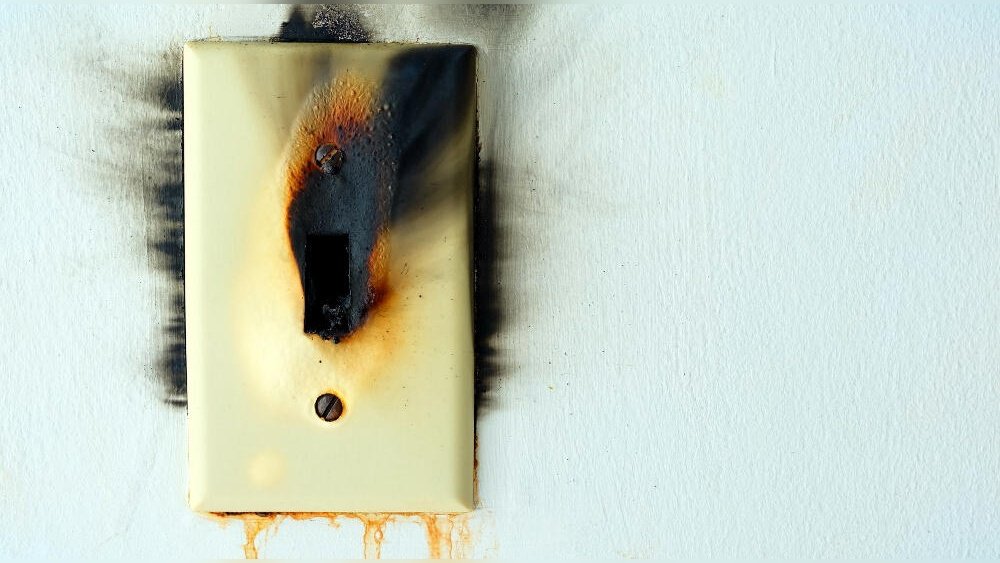
- The fishy smell is often strongest near outlets, switches, or light fixtures.
- Discoloration or scorching around electrical components.
- Flickering lights.
- Action: If you detect this smell, immediately turn off the power to the affected circuit at the breaker box and call a licensed electrician. Do not try to diagnose or fix electrical problems yourself, as they pose a serious fire hazard.
Faulty Appliances
Certain appliances, particularly those with heating elements or motors, can also produce a fishy smell when they malfunction.
- Specific Appliances:
- Dishwashers: Food debris left in the filter or a malfunctioning heating element can cause odors.
- Washing Machines: Lint buildup or electrical issues within the machine.
- Refrigerators: While often related to spoiled food, a malfunctioning compressor or electrical component can also emit odors.
- Computers and Electronics: Overheating components or power supply issues in electronics can sometimes produce this smell.
- Troubleshooting: Unplug the suspect appliance. If the smell disappears, the appliance is likely the culprit. Have it inspected and repaired by a qualified technician.
Credit: www.reddit.com
Mold And Mildew: Dampness And Decay
Mold and mildew thrive in damp, poorly ventilated areas and can produce a wide range of odors, some of which can be mistaken for a fishy smell. This is especially true for certain types of mold that feed on organic materials.
Types Of Mold And Their Odors
While mold is often associated with a musty or earthy smell, some species can produce odors that are more acrid or even fish-like. This can depend on the substrate the mold is growing on and the specific metabolic byproducts it releases.
- Common Areas: Bathrooms, basements, attics, crawl spaces, around windows, and areas with water leaks.
- Identification: Look for visible signs of mold growth, discoloration on walls, ceilings, or fabrics.
- Health Risks: Mold spores can cause allergic reactions, respiratory problems, and other health issues.
Identifying And Remediation
- Locate the Source: The key is to find the source of moisture that is allowing the mold to grow. Check for leaks in pipes, roofs, or windows. Poor ventilation in bathrooms and kitchens can also contribute.
- Small Areas: For small areas of mold (less than 10 square feet), you can often clean it yourself using a mixture of water and detergent or a bleach solution (1 cup bleach per gallon of water). Ensure good ventilation and wear protective gear (gloves, mask).
- Large Infestations: For larger or more widespread mold problems, it’s best to call a professional mold remediation service. They have the expertise and equipment to safely remove the mold and address the underlying moisture issue.
- Prevention: Improve ventilation, fix leaks promptly, and use dehumidifiers in damp areas.
Less Common, But Possible, Causes
Beyond the most frequent culprits, a few other less common issues can contribute to a fishy smell in your home.
Chemical Reactions And Off-gassing
Certain chemical reactions or the off-gassing of specific materials can sometimes produce odors that mimic a fishy smell.
- New Carpeting or Furniture: Some synthetic materials used in manufacturing can release volatile organic compounds (VOCs) that have unusual odors.
- Cleaning Products: Certain cleaning agents, especially when mixed or used improperly, can create unexpected chemical reactions and smells. Always follow product instructions carefully and ensure good ventilation.
- Pesticides or Herbicides: If these have been used recently in or around your home, their chemical breakdown could potentially cause an odor.
Certain Types Of Fish Or Seafood Products
Even without spoilage, some types of fish or seafood products, particularly those that are heavily processed or preserved, can have a strong inherent odor that might linger in the air or on surfaces.
- Fish Oil Supplements: If fish oil capsules leak or break, the oil can be difficult to clean and leave a persistent fishy smell.
- Live Bait: If you use live bait for fishing, the container or residual odor can sometimes transfer.
Bacterial Growth In Humidifiers Or Hvac Systems
Humidifiers, especially portable ones or those integrated into HVAC systems, can become breeding grounds for bacteria and mold if not cleaned regularly. The water and organic matter can decompose, releasing odors into the air, which might be perceived as fishy.
- Maintenance: Clean humidifiers and change filters in HVAC systems according to the manufacturer’s recommendations. Use distilled or demineralized water in portable humidifiers.
Identifying The Source: A Systematic Approach
Pinpointing the exact source of a fishy smell requires a methodical approach. Start with the most likely causes and work your way through the possibilities.
Step-by-step Investigation
- Note the Location and Timing:
- Where in the house is the smell strongest? Is it localized to one room, a specific area (like the kitchen or bathroom), or throughout the house?
- When is the smell most noticeable? Does it appear at certain times of the day, or after specific activities (like running the dishwasher or showering)?
- Check Obvious Food Sources:
- Inspect your refrigerator, pantry, and trash cans thoroughly for spoiled food.
- Run your garbage disposal and clean it if necessary.
- Examine Plumbing Fixtures:
- Pour water down all drains, especially those in infrequently used areas, to ensure P-traps are full.
- Check for slow drains or gurgling sounds.
- If you have a septic system, consider when it was last serviced.
- Investigate Electrical Appliances and Outlets:
- Sniff around outlets, switches, and major appliances.
- If you smell it near an outlet or appliance, try turning off the corresponding breaker. Does the smell disappear?
- Look for Signs of Moisture and Mold:
- Check damp areas like bathrooms, basements, and laundry rooms for visible mold or water damage.
- Sniff around windows and in closets.
- Consider Less Common Causes:
- Think about any recent chemical use, new purchases, or unusual activities.
Using Your Senses: Beyond Smell
While smell is the primary indicator, other senses can help.
- Sight: Look for visible signs of spoilage, mold, water damage, or scorching around electrical components.
- Sound: Listen for gurgling drains, buzzing sounds from outlets, or unusual noises from appliances.
- Touch: Feel for unusual warmth around outlets or appliances (use caution). Check for dampness on walls or floors.
When To Call A Professional
Some smells require expert attention. Don’t hesitate to call a professional if:
- You suspect a sewer gas leak. This is a health and safety hazard.
- You cannot locate the source after a thorough investigation.
- You suspect an electrical problem. Fire risk is significant.
- You find extensive mold growth. Professional remediation is often necessary.
- Plumbing issues persist despite DIY attempts.
Professional Help Options:
- Plumber: For all plumbing-related issues, including clogs, P-trap problems, and sewer line issues.
- Electrician: For any suspected electrical problems, overheating wires, or faulty outlets/appliances.
- HVAC Technician: If the smell seems to come from your air vents or heating/cooling system.
- Mold Remediation Specialist: For significant mold issues.
- Pest Control: If rodent activity is suspected as the cause of damaged wiring.
Prevention: Keeping Your Home Fresh
The best way to deal with a fishy smell is to prevent it from occurring in the first place. Regular maintenance and vigilance are key.
Regular Cleaning And Maintenance Routines
- Kitchen:
- Clean out the refrigerator weekly, discarding old food.
- Clean the garbage disposal regularly.
- Wipe down countertops and sinks daily.
- Empty trash cans frequently.
- Bathrooms:
- Run water in infrequently used drains weekly.
- Clean shower and sink drains to prevent buildup.
- Ensure good ventilation (use exhaust fans).
- General:
- Address any water leaks immediately.
- Keep areas around plumbing fixtures clean and dry.
Proactive Measures
- Appliance Maintenance: Follow manufacturer guidelines for cleaning and servicing appliances like dishwashers, washing machines, and HVAC systems.
- Electrical Safety: Avoid overloading circuits. If you have old wiring, consider having it inspected by an electrician.
- Ventilation: Ensure your home is adequately ventilated, especially in kitchens, bathrooms, and basements.
Frequently Asked Questions
What Is The Most Common Cause Of A Fishy Smell In The Kitchen?
The most common culprits in the kitchen are spoiled food, particularly seafood, left in the refrigerator or trash, and decaying food particles in the garbage disposal. Always check these areas first.
Can A Fishy Smell Be A Sign Of A Serious Problem?
Yes, a persistent fishy smell can indicate serious issues. Electrical malfunctions pose a significant fire risk, and sewer gas leaks can be toxic and indicate major plumbing failures. It’s crucial to address the smell promptly and seek professional help if you suspect these problems.
How Do I Get Rid Of A Fishy Smell In My Bathroom Drain?
Start by running hot water down the drain to clear minor buildup. If the smell persists, try the baking soda and vinegar method, followed by hot water. Ensure the P-trap is not dry by running water in the drain for a minute. If the odor continues, it might indicate a deeper clog or a sewer gas issue requiring a plumber.
Is A Fishy Smell From My Car’s Ac System Related To A House Smell?
While a fishy smell from a car’s AC system is usually due to mold or mildew growth within the vents or evaporator core, it’s generally unrelated to a persistent fishy smell in your house. However, if you notice similar odors in both locations, it might point to a broader issue with humidity control or mold prevention in your environment.
Can Certain Cleaning Products Cause A Fishy Smell?
Yes, some cleaning products, especially when mixed inappropriately or when reacting with other substances, can produce unusual odors, sometimes described as fishy. Always use cleaning products as directed and ensure good ventilation when cleaning. If you suspect a specific product, stop using it and air out the area.
By systematically investigating potential sources, from simple food spoilage to complex plumbing and electrical issues, you can effectively identify and eliminate that unwelcome fishy odor, ensuring your home remains a fresh and safe environment. Regular maintenance and prompt attention to any unusual smells are your best defenses against these pervasive problems.