
The rhythmic hum of a refrigerator is often a background noise we barely notice, a sign that our essential appliance is diligently working to keep our food fresh. However, when that familiar sound escalates into a loud, persistent humming, it can be a source of significant annoyance and a worrying indicator that something is amiss.
Understanding the potential causes behind a noisy refrigerator is the first step toward diagnosing the problem and restoring peace to your kitchen.
This unexpected symphony of buzzing, rattling, or humming can stem from a variety of sources, ranging from simple, easily fixable issues to more complex mechanical failures. Ignoring these sounds can lead to reduced efficiency, spoiled food, and ultimately, a more costly repair or replacement.
This guide aims to demystify the common culprits behind a humming refrigerator, providing you with the knowledge to identify the source and take appropriate action, whether it’s a DIY fix or a call to a professional technician.
Key Takeaways
- A humming refrigerator can be normal, but an unusual or loud hum often signals a problem.
- Common causes include evaporator fan issues, condenser fan problems, compressor troubles, defrost system malfunctions, and loose components.
- Leveling the refrigerator is a simple yet often overlooked fix for vibration-related noise.
- Cleaning the condenser coils can improve efficiency and reduce strain on the compressor, potentially quieting the unit.
- Regular maintenance, including cleaning and checking seals, can prevent many noise issues.
- When in doubt, or if the problem involves electrical components or the sealed system, always consult a qualified appliance repair technician.

Credit: www.youtube.com
Understanding Normal Refrigerator Sounds
Before delving into the causes of an unusually loud hum, it’s crucial to understand what constitutes normal operation. Modern refrigerators employ various components that produce sounds as part of their regular function. These include:
- Compressor: This is the heart of your refrigerator, responsible for circulating refrigerant. When it kicks on, you’ll typically hear a low hum or a buzzing sound. This is completely normal. The frequency and duration of compressor cycles depend on factors like ambient temperature, how often the door is opened, and the thermostat setting.
- Fans: Refrigerators use fans to circulate air within the freezer and refrigerator compartments (evaporator fan) and to cool the condenser coils and compressor (condenser fan). These fans produce a whirring or blowing sound when active.
- Water Valve: If your refrigerator has an ice maker or water dispenser, you might hear a brief buzzing or clicking sound when the water valve opens to fill the ice bin or dispense water.
- Defrost Cycle: Refrigerators with automatic defrost systems periodically heat up elements to melt frost buildup. This can sometimes create popping, cracking, or hissing sounds.
- Refrigerant Flow: As refrigerant circulates through the system, you might hear gurgling or trickling sounds.
These sounds are generally consistent and not excessively loud. The issue arises when the hum becomes jarring, changes in pitch, or is accompanied by vibrations or other disturbing noises.

Credit: www.asurion.com
Common Causes Of A Loud Humming Refrigerator
When your refrigerator starts humming louder than usual, it’s often a sign that one or more of its key components are working harder than they should or are experiencing a malfunction.
Evaporator Fan Motor Issues
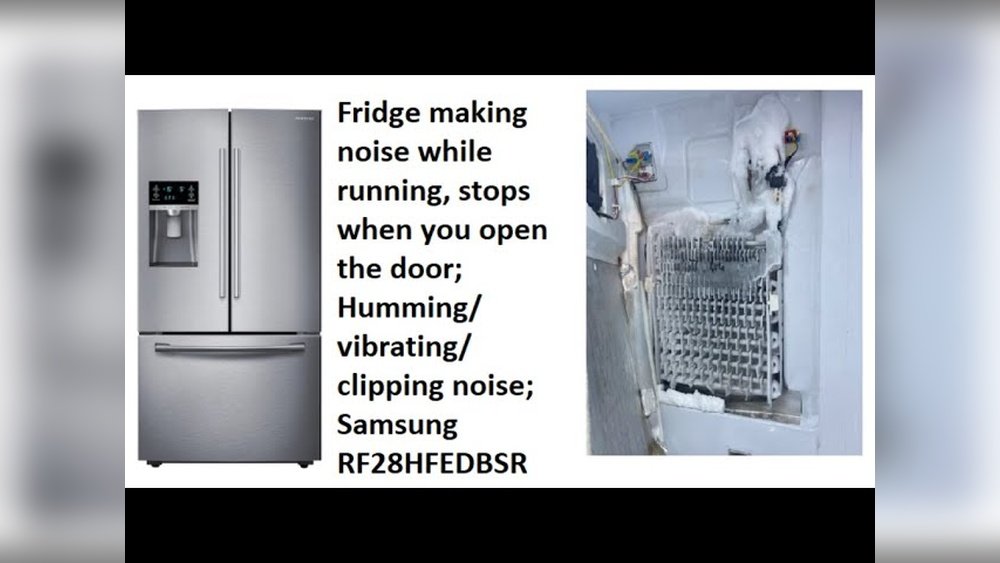
The evaporator fan is located inside the freezer compartment, behind the back panel. Its job is to circulate cold air from the freezer into the refrigerator section and back. If this fan is obstructed, failing, or its motor is weak, it can produce a loud humming or buzzing noise.
- Ice Buildup: The most common reason for an obstructed evaporator fan is excessive ice buildup around it. This can happen if the defrost system isn’t working correctly, leading frost to accumulate on the fan blades. As the blades spin, they hit the ice, creating a loud humming or grinding sound.
- Diagnosis: You might hear the noise most prominently when the freezer door is open. If you can access the fan (after unplugging the unit and removing panels), check for ice.
- Solution: A temporary fix involves unplugging the refrigerator and letting it defrost completely for 24-48 hours with the doors open. For a permanent solution, the defrost system (heater, thermostat, or timer) will likely need repair.
- Worn Motor Bearings: Over time, the bearings in the evaporator fan motor can wear out. This leads to increased friction and a louder humming or whining sound as the motor struggles to turn.
- Diagnosis: The sound will be consistent and might change pitch if you manually try to spin the fan (with the power off).
- Solution: The entire evaporator fan motor assembly will need to be replaced. This is a moderately difficult DIY repair for some, but often best left to a professional.
Condenser Fan Motor Problems
The condenser fan is located near the compressor, usually at the bottom rear of the refrigerator. It blows air over the condenser coils to dissipate heat removed from the inside of the fridge. A malfunctioning condenser fan can cause the unit to overheat and work inefficiently, leading to a louder hum.
- Obstructions: Dust, dirt, pet hair, or debris can accumulate on the fan blades or block airflow. This forces the fan motor to work harder, producing a louder hum and potentially leading to overheating.
- Diagnosis: The noise will likely come from the rear bottom of the refrigerator. You may also notice the refrigerator feeling warmer than usual or running more frequently.
- Solution: Cleaning the condenser coils and fan is a crucial maintenance task. Unplug the refrigerator, locate the fan, and carefully remove any debris. A vacuum cleaner with a brush attachment is useful here.
- Worn Motor: Similar to the evaporator fan, the condenser fan motor can wear out. Worn bearings will result in a loud humming or grinding noise.
- Diagnosis: The noise will be constant when the compressor is running. The fan might also spin slowly or erratically.
- Solution: The condenser fan motor needs to be replaced. This is generally a more accessible repair than the evaporator fan, as it’s often easier to reach.
Compressor Issues
The compressor is the most critical and often the loudest component in a refrigerator. While a normal compressor hum is expected, an unusually loud, rattling, or vibrating hum can indicate a serious problem.
- Aging Compressor: As compressors age, they can become less efficient and noisier. The internal components might wear down, leading to a louder operational hum.
- Diagnosis: The hum is deep, loud, and might be accompanied by significant vibration. The refrigerator may also struggle to maintain temperature.
- Solution: Replacing a compressor is an expensive and complex repair, often involving specialized tools and knowledge of the sealed refrigeration system. In many cases, the cost of a compressor replacement might approach the cost of a new refrigerator, making replacement a more economical option.
- Compressor Mountings: The compressor is mounted on rubber grommets or springs to absorb vibrations. If these mountings become loose or damaged, the compressor can vibrate excessively against its housing, creating a loud humming or rattling sound.
- Diagnosis: The noise is often most noticeable when the compressor kicks on and might lessen slightly as it runs. You might feel excessive vibration at the base of the unit.
- Solution: Inspect the compressor mounting hardware. Tighten any loose bolts or replace damaged grommets or springs. This is a repair that requires caution due to the proximity of electrical components.
- Internal Compressor Problems: Less commonly, internal issues within the compressor, such as failing valves or windings, can cause abnormal noises.
- Diagnosis: These noises can be varied, including buzzing, clicking, or grinding, often accompanied by poor cooling performance.
- Solution: This almost always requires professional diagnosis and repair, and as mentioned, replacement is often the more practical choice.
Defrost System Malfunctions
While the defrost system itself doesn’t typically produce a loud hum, its failure can lead to ice buildup that causes other components, like the evaporator fan, to hum loudly.
- Faulty Defrost Heater: The defrost heater melts frost from the evaporator coils. If it fails, frost will accumulate.
- Defective Defrost Thermostat: This component tells the heater when to turn on and off. If it malfunctions, the heater may not activate.
- Bad Defrost Timer/Control Board: This orchestrates the defrost cycle. A faulty timer or control board can prevent the defrost system from running.
- Diagnosis: The primary symptom is excessive frost buildup in the freezer, particularly around the evaporator coils and fan. This ice buildup then causes the evaporator fan to make noise.
- Solution: The specific faulty component in the defrost system needs to be identified and replaced. This often requires disassembling parts of the freezer compartment.
Loose Components And Vibration
Sometimes, the humming noise isn’t from a failing motor but from something vibrating against the refrigerator or loose within it.
- Refrigerator Not Level: If the refrigerator isn’t perfectly level, it can vibrate against the floor or cabinets, creating a humming or rattling sound. The internal components might also be under more stress.
- Diagnosis: Check if the refrigerator rocks or wobbles. The noise might change if you gently push on the top or sides.
- Solution: Adjust the leveling legs at the bottom of the refrigerator until it sits firmly and evenly on the floor. Use a level to ensure accuracy.
- Items on Top or Inside: Storing items on top of the refrigerator or having items inside vibrate against each other or the walls can create noise.
- Diagnosis: Listen carefully to pinpoint the source. The noise might stop if you remove items from the top or rearrange items inside.
- Solution: Remove any items stored on top. Organize the contents inside the refrigerator to prevent items from rattling against each other.
- Loose Drain Pan: The drain pan at the bottom of the refrigerator collects condensation. If it’s loose or cracked, it can vibrate and produce noise.
- Diagnosis: Inspect the drain pan for secure fitting.
- Solution: Ensure the drain pan is properly seated. If cracked, it may need replacement.
Water Inlet Valve Issues
If your refrigerator has an ice maker or water dispenser, the water inlet valve can sometimes cause humming or buzzing sounds.
- Valve Malfunction: When the refrigerator calls for water (e.g., to fill the ice maker), the valve opens. If the valve is failing, it might buzz loudly as it tries to open or close, or if it’s partially clogged.
- Diagnosis: The sound typically occurs intermittently when the ice maker is supposed to be filling or when the water dispenser is used.
- Solution: The water inlet valve may need to be cleaned or replaced. This involves shutting off the water supply to the refrigerator and disconnecting the water line.
Troubleshooting Steps For A Humming Refrigerator
When faced with an unusually loud hum, a systematic approach to troubleshooting can help you pinpoint the cause and determine the best course of action.
Step 1: Identify The Type And Location Of The Noise
- Characterize the Hum: Is it a steady hum, a buzzing, a rattling, a grinding, or a high-pitched whine? Does it happen constantly, or only when the compressor kicks on, or when the ice maker fills?
- Pinpoint the Source: Carefully listen to identify the general area from which the noise is emanating. Is it from the top, bottom, front, or rear of the refrigerator? Is it inside the freezer or refrigerator compartment?
Step 2: Check For Simple, Non-mechanical Causes
- Leveling: Use a level to check if the refrigerator is sitting evenly. Adjust the leveling legs as needed.
- External Vibrations: Ensure the refrigerator is not touching any walls or cabinets that could amplify its sounds.
- Internal Contents: Remove items from the top of the refrigerator and rearrange items inside to see if the noise changes.
- Drain Pan: Check if the drain pan at the bottom is securely in place.
Step 3: Inspect Accessible Components (with Power Off)
Warning: Always unplug the refrigerator from the power outlet before attempting any internal inspection or cleaning.
- Condenser Coils and Fan: Locate the condenser coils and fan, usually behind a rear access panel at the bottom. Carefully clean the coils and fan blades using a vacuum cleaner and a soft brush. Check if the fan spins freely.
- Evaporator Fan (Internal): If you suspect the evaporator fan, you may need to remove shelves and the rear panel inside the freezer. Look for ice buildup or obstructions around the fan. Check if the fan blades spin freely (after manual defrosting if ice is present).
Step 4: Observe Component Operation (with Power On, Cautiously)
Once you’ve performed basic checks and cleaning, you can cautiously plug the refrigerator back in and listen.
- Compressor: Note the sound and vibration when the compressor engages. Does it sound strained?
- Fans: Listen to the evaporator fan (inside freezer) and condenser fan (rear). Do they sound smooth or are they making irregular noises?
Step 5: Consult Your Refrigerator Manual
Your owner’s manual may contain a troubleshooting section that addresses common noises and their potential causes specific to your model.
Step 6: When To Call A Professional
If you’ve gone through the basic troubleshooting steps and the humming persists, or if you suspect a problem with the compressor, sealed refrigeration system, or complex electronic controls, it’s time to contact a qualified appliance repair technician. Attempting repairs beyond your comfort level or expertise can be dangerous and may cause further damage.

Credit: www.partselect.com
Maintenance Tips To Prevent Humming Noises
Regular maintenance is key to preventing many common refrigerator problems, including excessive noise.
- Clean Condenser Coils Regularly: Aim to clean your condenser coils at least twice a year, or more often if you have pets that shed. Dirty coils force the compressor and condenser fan to work harder, leading to increased noise and reduced efficiency.
- Check Door Seals: Ensure the door gaskets are clean and creating a tight seal. Poor seals allow warm air to enter, making the refrigerator run more often and potentially louder. You can test seals by closing the door on a piece of paper; if you can pull it out easily, the seal might need cleaning or replacement.
- Keep the Refrigerator Level: Periodically check that your refrigerator remains level. Adjust the leveling legs if necessary.
- Allow Proper Air Circulation: Ensure there is adequate space around the refrigerator (sides, back, and top) for proper ventilation. Do not block air vents inside the refrigerator.
- Defrost Manually (if applicable): If you have an older model without automatic defrost, follow manufacturer instructions for periodic manual defrosting to prevent excessive ice buildup.
Case Study: The Persistent Buzzing Freezer
Sarah noticed a persistent, high-pitched buzzing sound coming from her Samsung refrigerator, particularly noticeable at night. Initially, she dismissed it as normal operation. However, the sound grew louder over a few weeks, and she started noticing frost buildup inside the freezer.
Diagnosis: Sarah consulted her refrigerator manual, which suggested checking for ice buildup around the evaporator fan. Unplugging the unit and removing the freezer’s back panel revealed a significant amount of ice encasing the evaporator fan.
Solution: She performed a manual defrost by unplugging the refrigerator and leaving the freezer and fridge doors open for 48 hours with towels to catch melting ice. After thoroughly drying the interior, she reassembled the panel and plugged the unit back in. The buzzing noise disappeared. However, aware that the defrost system might be failing, she scheduled a technician to inspect the defrost heater, thermostat, and timer to prevent the problem from recurring. This proactive step saved her from potential spoilage and a more complex repair later.
Comparison: Common Refrigerator Noises And Their Likely Causes
Understanding the nuances of different sounds can help in diagnosis.
| Sound Type | Location | Possible Cause(s) | Severity | DIY Fix Potential |
|---|---|---|---|---|
| **Steady Hum** | General Unit | Normal operation (compressor, fans) | Low | N/A |
| **Loud Hum/Buzz** | Rear Bottom | Dirty condenser coils, failing condenser fan motor, struggling compressor | Medium-High | Medium |
| **Loud Hum/Grind** | Inside Freezer | Obstructed evaporator fan (ice), failing evaporator fan motor | Medium-High | Medium |
| **Rattling** | Rear Bottom or Base | Loose compressor mountings, loose drain pan, items vibrating against unit | Medium | High |
| **Clicking/Popping** | Inside Freezer/Fridge | Defrost cycle, expansion/contraction of materials | Low | N/A |
| **Gurgling/Trickling** | Within the system | Refrigerant flow, defrost water | Low | N/A |
| **Buzzing (Intermittent)** | Water line connection (rear) | Water inlet valve issue | Medium | Medium |
*Note: This table provides general guidance. Specific sounds and causes can vary greatly by refrigerator model.*
When To Consider Replacement
While many humming noises can be repaired, there comes a point where repair might not be economically viable, especially for older units.
- Cost of Repair: If the estimated cost of repair, particularly for major components like the compressor, is a significant percentage (e.g., 50% or more) of the cost of a new, comparable refrigerator, replacement is often the better long-term investment.
- Age of Appliance: Refrigerators typically have a lifespan of 10-15 years. If your unit is nearing or past this age and requires a major repair, it might be more prone to other issues soon after.
- Frequency of Repairs: If you’ve had multiple repairs in a short period, it might indicate a declining appliance that is becoming increasingly unreliable.
- Energy Efficiency: Newer refrigerators are significantly more energy-efficient than older models. Replacing an old, noisy unit could lead to substantial savings on your electricity bill. For instance, ENERGY STAR certified refrigerators can use 10-15% less energy than standard models. A study by the U.S. Department of Energy indicates that refrigerators manufactured after 2000 are about 20% more efficient than those made in the 1990s.
Frequently Asked Questions
Why Does My Refrigerator Hum Loudly When I First Plug It In?
When a refrigerator is first plugged in after being moved or after a power outage, its components are starting from a standstill. The compressor may work harder initially to reach the set temperature, and fans might spin up. This can result in a louder hum for the first few hours.
However, if the loud hum persists for more than a day or two, it could indicate an underlying issue, such as the need for the unit to fully level itself or a component struggling to start.
Is A Humming Sound From The Bottom Rear Of My Fridge Normal?
A low, steady hum from the bottom rear is typically normal, as this is where the compressor and condenser fan are located. These components are essential for the refrigerator’s cooling process. However, if this hum becomes excessively loud, changes pitch, or is accompanied by significant vibration, it warrants investigation for potential issues like a dirty condenser fan, clogged coils, or a compressor problem.
Can A Refrigerator Humming Loudly Indicate A Coolant Leak?
A coolant (refrigerant) leak itself doesn’t typically cause a loud humming noise directly. Instead, a leak leads to reduced cooling efficiency. To compensate, the compressor and fans will run much longer and harder, which can result in a louder, more persistent hum due to the increased workload.
If you suspect a leak along with poor cooling and a loud hum, it’s crucial to have it inspected by a professional.
How Often Should I Clean My Refrigerator’s Condenser Coils?
It is generally recommended to clean your refrigerator’s condenser coils at least twice a year. If you have pets that shed heavily, live in a dusty environment, or notice significant dust buildup on the coils, you may need to clean them more frequently, perhaps quarterly. Neglecting this maintenance task is a common cause of increased noise, reduced efficiency, and potential component strain.
What Is The Difference Between The Evaporator Fan And The Condenser Fan?
The evaporator fan is located *inside* the freezer compartment, usually behind a panel. Its function is to circulate cold air from the evaporator coils throughout the freezer and refrigerator sections. The condenser fan is located *outside* the sealed system, typically at the *bottom rear* of the refrigerator. Its job is to blow air over the condenser coils and compressor to dissipate heat removed from the inside of the fridge. Both fans produce a whirring or blowing sound during operation, but issues with either can lead to different types of humming noises.
The symphony of a refrigerator is usually a subtle background note, but when it crescendly shifts to a loud hum, it’s a clear signal that attention is required. From simple fixes like leveling the unit and cleaning coils to more complex issues involving fan motors or the compressor, understanding the potential causes empowers you to act.
Regular maintenance remains your best defense against unexpected noises and costly repairs, ensuring your appliance runs efficiently and quietly for years to come.