
Are you wondering which marketing approach will work best for your business—traditional marketing or digital? Choosing the right path can feel overwhelming, especially when both seem powerful in their own way.
But what if understanding the real differences could help you make smarter decisions and get better results? This article will guide you through the key points of traditional marketing vs digital, so you can spot opportunities that fit your goals perfectly.
Keep reading, and you’ll discover how to connect with your audience like never before.
Traditional Marketing Basics
Traditional marketing forms the foundation of advertising. It uses offline channels to reach customers. This method has existed for decades and remains familiar to many businesses. Understanding its basics helps compare it to digital marketing. It also shows why some companies still rely on it today.
Key Channels And Techniques
Traditional marketing uses many well-known channels. These include print ads in newspapers and magazines. Television commercials also play a major role. Radio ads target local or broad audiences. Direct mail sends physical offers to homes. Billboards and posters catch attention in public places. Events and sponsorships build brand presence.
Strengths Of Traditional Marketing
Traditional marketing reaches a wide audience quickly. It builds trust through familiar formats. Physical ads create a lasting impression. It works well for local businesses. Some customers prefer tangible materials. It supports brand recognition over time. Many people still watch TV and listen to radio daily.
Limitations And Challenges
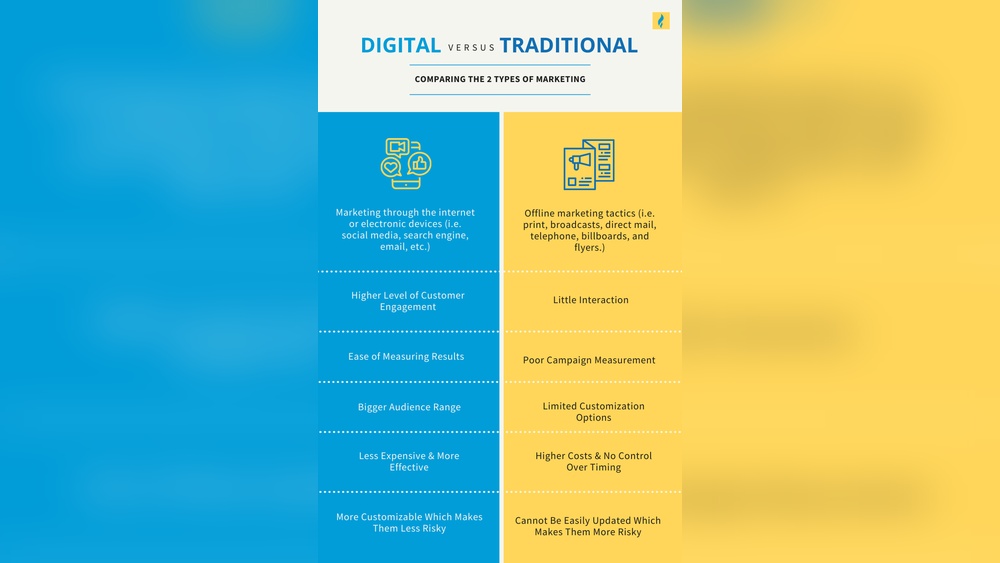
Traditional marketing can be costly. Printing and airtime require large budgets. Measuring results is often difficult. Targeting specific groups is less precise. Campaigns take longer to launch and adjust. It lacks interactive features that engage users. Younger audiences may ignore or avoid it.

Credit: www.reddit.com
Digital Marketing Essentials
Digital marketing is a key part of modern business. It uses the internet to reach customers and promote products. Businesses can target specific groups with digital ads. This makes marketing efforts more focused and cost-effective.
Successful digital marketing requires understanding its tools and platforms. Knowing these basics helps create better campaigns. It also helps avoid common mistakes that waste time and money.
Popular Platforms And Tools
Social media sites like Facebook, Instagram, and Twitter are popular for ads. Google Ads helps place ads on search results and websites. Email marketing tools like Mailchimp send messages to many people fast. Analytics tools track how well campaigns perform. These platforms and tools make digital marketing easier and more efficient.
Advantages Of Digital Marketing
Digital marketing reaches a large audience quickly. It allows precise targeting by age, location, and interests. Costs are often lower than traditional marketing. Results can be measured in real-time. Campaigns can be adjusted instantly for better results. It also offers more ways to interact with customers directly.
Common Obstacles In Digital Campaigns
Many campaigns face issues like low engagement or poor targeting. Competition is high, making it harder to stand out. Ads may get blocked by users or software. Creating quality content requires time and skill. Tracking results can be confusing without the right tools. Overcoming these challenges is part of digital marketing success.
Comparing Reach And Engagement
Reach and engagement are key factors in marketing success. Traditional and digital marketing differ greatly in these areas. Understanding these differences helps businesses choose the right strategy. Reach means how many people see your message. Engagement means how many people interact with it.
Audience Targeting Methods
Traditional marketing targets broad groups through TV, radio, and print. It aims at a general audience based on location or demographics. Digital marketing uses data to target specific users. Ads can reach people by age, interests, behavior, and location. Digital targeting is more precise and flexible than traditional methods. This precision helps deliver messages to the right people.
Measuring Impact And Roi
Traditional marketing impact is hard to measure exactly. Businesses rely on surveys and sales trends to guess results. Digital marketing offers clear data on clicks, views, and conversions. This data shows what works and what does not. Digital ROI measurement is faster and more accurate. Marketers can adjust campaigns quickly to improve results.
Customer Interaction Differences
Traditional marketing is mostly one-way communication. Customers see ads but cannot respond directly. Digital marketing allows two-way interaction through comments and shares. This creates conversations and builds relationships. Customers feel more involved with brands online. Higher engagement helps brands gain trust and loyalty.
Budgeting And Cost Efficiency
Budgeting and cost efficiency are key factors in choosing marketing methods. Businesses must understand where money goes and how much impact it has. Traditional marketing and digital marketing have very different cost models. Knowing these helps plan better and avoid waste.
Cost Structures In Traditional Marketing
Traditional marketing costs often include printing, TV or radio ads, and event sponsorships. These require large upfront payments. Many campaigns need long-term commitments. Costs are fixed and hard to change once started. Tracking exact return on investment is difficult. Unused materials or airtime still cost money. Budgets can quickly rise without clear results.
Digital Marketing Budgeting Strategies
Digital marketing allows flexible spending. Businesses can start small and increase budgets based on results. Pay-per-click and social media ads let companies control daily spend. Data analytics show what works and what does not. This information helps adjust budgets quickly. Digital campaigns often need less initial money. Testing different ads is easier and cheaper.
Maximizing Value From Spending
Effective budgeting means spending on the most effective channels. Traditional marketing works well for broad brand awareness. Digital marketing targets specific groups with precision. Combining both can balance reach and cost. Monitoring performance regularly improves cost efficiency. Avoid spending on low-performing campaigns. Focus funds on strategies that deliver clear returns.
Creative Approaches And Content
Creative approaches and content play a big role in marketing success. They shape how brands talk to their audience. Each method, traditional or digital, demands different tactics. Understanding these helps create better messages.
Crafting Messages For Traditional Media
Traditional media uses clear and direct messages. Print ads, TV, and radio need simple language. Stories must be easy to follow. Visuals are bold and eye-catching. The goal is to make a quick impact. Repetition helps people remember the message. Creativity lies in strong slogans and memorable images.
Content Strategies For Digital Channels
Digital marketing allows more detailed content. Brands can share stories through blogs, videos, and social posts. Content changes fast to keep up with trends. Interaction is key; users can like, comment, or share. This feedback shapes future content. Creativity means using different formats and styles. Personalization makes messages feel unique to each user.
Adapting Creativity Across Platforms
Creative content must fit each platform’s style. A TV ad won’t work the same online. Brands adjust length, tone, and visuals for each channel. Consistency in message is important, though. Creativity means knowing what works where. Testing ideas helps find the best fit. The goal is to engage the audience everywhere.

Credit: digitalmarketinggroup.com
Integrating Both Strategies
Integrating traditional marketing with digital strategies creates a powerful approach. Combining both methods helps reach more people effectively. It also builds stronger brand awareness and trust.
Each strategy has unique strengths. Using them together improves overall marketing impact. The key is knowing when and how to apply each one.
When To Use Traditional Marketing
Traditional marketing works well for local audiences. It suits older demographics who prefer print, TV, or radio. Events, flyers, and billboards create physical presence. These methods build trust through face-to-face or tangible contact. Use traditional marketing for brand recognition in specific regions.
Leveraging Digital For Better Results
Digital marketing reaches people fast and at low cost. It targets specific groups using data and analytics. Social media, email, and search ads boost engagement. Digital tools track results instantly and adjust campaigns. Use digital marketing to reach younger audiences and measure success quickly.
Creating A Cohesive Marketing Mix
Combine traditional and digital channels for a balanced plan. Align messages across print, online, and events for consistency. Use traditional methods to support digital campaigns and vice versa. This mix increases visibility and builds trust with diverse audiences. Plan each channel’s role carefully to avoid overlap or gaps.
Case Studies And Success Stories
Case studies and success stories show how brands use marketing strategies effectively. They help us see what works in real life. Comparing traditional and digital marketing through examples gives clear insights. These stories highlight strengths and challenges of each approach.
Brands Excelling With Traditional Tactics
Some brands still thrive using traditional marketing methods. Coca-Cola, for example, invests heavily in TV ads. Their commercials connect emotionally with viewers worldwide. Local businesses also succeed with flyers and billboards. These methods build strong community ties and trust. Traditional marketing creates a lasting impression in many cases.
Digital Campaigns Driving Growth
Many companies grow fast with digital marketing campaigns. Nike uses social media to reach young audiences. Their online ads and influencer partnerships boost engagement. Small startups gain attention through targeted ads on Google and Facebook. Digital marketing helps track results and adjust strategies quickly. It offers wide reach at lower costs.
Hybrid Approaches That Work
Combining traditional and digital marketing often yields the best results. McDonald’s runs TV ads alongside online promotions. This mix increases brand visibility across different platforms. Local shops use radio ads plus email newsletters for better reach. Hybrid strategies allow brands to connect with more customers. They balance old and new methods effectively.

Credit: www.somsdigital.co.za
Future Trends In Marketing
The marketing world is changing fast. Traditional methods still have value, but digital marketing grows stronger each day. Knowing future trends helps businesses stay ahead. These trends shape how brands connect with customers. Understanding them is key to effective marketing.
Emerging Technologies And Tools
New technology changes marketing strategies. Artificial intelligence helps personalize ads for users. Chatbots provide quick customer support online. Virtual and augmented reality create interactive experiences. These tools make marketing more engaging and efficient. Brands that use these technologies gain an advantage.
Shifts In Consumer Behavior
Consumers expect fast and easy interactions. They use multiple devices to shop and browse. Trust and authenticity influence buying decisions more than before. People prefer brands that show social responsibility. Marketing must focus on building real connections and trust. Understanding these shifts helps create relevant messages.
Preparing For Marketing Evolution
Marketers need to adapt quickly to change. Learning new skills and tools is essential. Data analysis helps make better marketing choices. Flexibility allows brands to respond to trends fast. Investing in digital skills prepares businesses for future challenges. Staying curious and open to change is vital.
Frequently Asked Questions
What Is The Main Difference Between Traditional And Digital Marketing?
Traditional marketing uses offline methods like print, TV, and radio ads. Digital marketing focuses on online channels like websites and social media.
Which Marketing Type Offers Better Targeting Options?
Digital marketing allows precise targeting by age, location, and interests. Traditional marketing targets broader audiences with less accuracy.
How Do Costs Compare In Traditional Vs Digital Marketing?
Traditional marketing often requires higher upfront costs for materials and media space. Digital marketing can be more budget-friendly and flexible.
Can Traditional Marketing Reach A Global Audience Effectively?
Traditional marketing is usually local or regional. Digital marketing easily reaches audiences worldwide through the internet.
Which Marketing Method Provides Faster Results?
Digital marketing often shows quick results with instant feedback. Traditional marketing takes longer to measure impact and response.
Conclusion
Both traditional and digital marketing have clear strengths. Traditional methods build trust with local customers. Digital marketing reaches more people quickly and cheaply. Choosing the right approach depends on your goals. Many businesses find combining both works best. Test and see what fits your audience well.
Marketing is about connecting, not just selling. Keep your message simple and clear. Success comes from knowing your customers and adapting. Keep learning and adjusting to stay effective.