
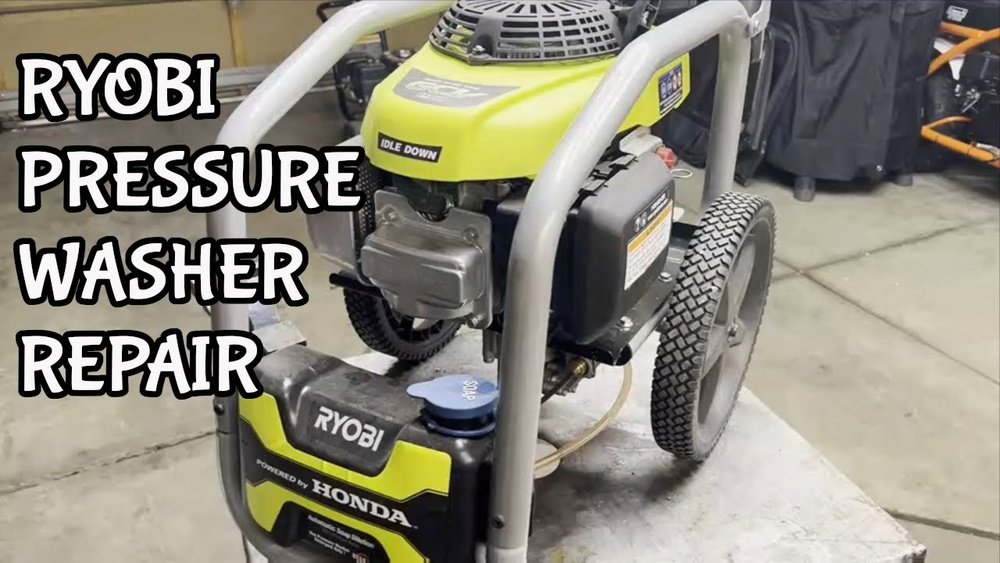
A Ryobi pressure washer is a powerful tool for tackling tough cleaning jobs around your home, from dirty driveways and decks to siding and outdoor furniture. However, like any piece of machinery, it can sometimes refuse to start, leaving you frustrated and your cleaning tasks incomplete. This guide will walk you through the most common reasons why your Ryobi pressure washer might not be starting and provide step-by-step solutions to get it up and running again.
The troubleshooting process for a non-starting pressure washer typically involves checking fuel, air, and spark systems, as well as ensuring proper operational procedures are followed. Understanding the basic mechanics of your pressure washer, whether it’s gas-powered or electric, is crucial.
For gas models, this often means looking at the engine’s components, while electric models require checking power sources and electrical connections. By systematically addressing potential issues, you can often resolve the problem yourself without needing professional assistance, saving you time and money.
Key Takeaways
- Fuel Issues: Ensure you are using fresh gasoline, the correct fuel-to-oil ratio for 2-stroke engines, and that the fuel line and filter are clear.
- Air Intake: Check that the air filter is clean and unobstructed to allow sufficient airflow to the engine.
- Spark Plug: A dirty, fouled, or improperly gapped spark plug is a frequent culprit for no-start conditions.
- Water Supply & Pressure: Verify the water source is adequate, the garden hose is connected securely, and the unloader valve is functioning correctly.
- Safety Features: Confirm that safety mechanisms, such as the trigger lock and low oil shutdown (if applicable), are not preventing startup.
- Carburetor Problems: A clogged carburetor is a common issue, especially after long periods of disuse.
- Prime and Choke: Understand the correct procedure for priming and using the choke for cold starts.

Credit: www.youtube.com
Common Ryobi Pressure Washer Starting Problems And Solutions
When your Ryobi pressure washer refuses to fire up, it can be a perplexing issue. The good news is that most starting problems stem from a few key areas. We’ll break down these common culprits and provide clear, actionable steps to diagnose and fix them.
Fuel System Troubleshooting
The engine needs a proper mixture of fuel and air to combust. If any part of the fuel delivery system is compromised, your pressure washer won’t start.
Using Fresh And Correct Fuel
Gasoline degrades over time, especially when stored for extended periods. Stale fuel can gum up the carburetor and prevent the engine from running.
- Use Fresh Gasoline: Always use gasoline that is less than 30 days old. If you suspect the fuel is stale, drain the tank and refill it with fresh gasoline.
- Fuel Stabilizer: For longer storage, use a fuel stabilizer like STA-BIL to prevent degradation. This is a crucial preventative measure.
- Ethanol Content: Be mindful of ethanol content in gasoline. Many small engines perform best with ethanol-free gasoline or a blend with no more than 10% ethanol (E10). High ethanol blends can damage fuel lines and internal engine components over time. Consult your Ryobi manual for specific recommendations.
- 2-Stroke vs. 4-Stroke: Ryobi offers both 2-stroke and 4-stroke engines on their pressure washers. Crucially, 2-stroke engines require a specific fuel-to-oil mixture. Using straight gasoline in a 2-stroke engine will cause severe engine damage. Always use a high-quality 2-stroke oil mixed at the ratio specified in your owner’s manual (commonly 40:1 or 50:1).
Checking The Fuel Tank And Lines
A blocked fuel path will starve the engine.
- Fuel Tank Vent: Ensure the fuel cap vent is not blocked. A blocked vent can create a vacuum in the tank, preventing fuel from flowing.
- Fuel Filter: Locate the fuel filter, usually found where the fuel line exits the tank. If it appears dirty or clogged, replace it. This is a small, inexpensive part that can prevent many starting issues.
- Fuel Lines: Inspect the fuel lines for kinks, cracks, or blockages. Disconnect the fuel line from the carburetor (have a rag ready for spills) and ensure fuel flows freely from the tank when the valve is open. If no fuel flows, the issue could be a blocked fuel tank outlet or a faulty fuel shut-off valve.
Carburetor Issues
The carburetor precisely mixes air and fuel. It’s a common failure point, especially if the pressure washer has been stored with old fuel in it.
- Clogged Jets: Over time, fuel can leave deposits that clog the tiny jets inside the carburetor. This is the most frequent cause of a no-start condition after storage.
- Cleaning the Carburetor: For minor clogs, you might try a carburetor cleaner spray. For more severe clogs, the carburetor may need to be removed, disassembled, cleaned thoroughly (often with compressed air and specialized tools), and reassembled. If you’re not comfortable with this, consider taking it to a service center.
- Idle Speed Adjustment: While less likely to prevent starting altogether, an improperly adjusted idle screw can cause rough running or stalling.
Air Intake System
The engine needs air to mix with fuel for combustion. A restricted airflow will prevent it from starting.
Air Filter Maintenance
The air filter protects the engine from dirt and debris. A clogged filter restricts airflow.
- Inspection: Remove the air filter cover and inspect the air filter. If it’s visibly dirty, clogged with debris, or oily, it needs cleaning or replacement.
- Cleaning: Foam air filters can often be washed with soap and water, then dried thoroughly before reinstallation. Paper filters usually need to be replaced if dirty.
- Operation: Never run the pressure washer without an air filter, as this can allow damaging debris into the engine.
Ignition System Problems
Even with the correct fuel and air mixture, the engine won’t start if it doesn’t have a spark.
Spark Plug Issues
The spark plug ignites the fuel-air mixture. A faulty spark plug is a very common reason for a gas engine not starting.
- Removal and Inspection: Carefully remove the spark plug using a spark plug wrench. Inspect its condition. Look for signs of fouling (black, sooty deposits), oiliness, or damage to the electrode.
- Cleaning and Gapping: If the plug is fouled, you can try cleaning it with a wire brush and carburetor cleaner. Ensure the electrode gap is set to the manufacturer’s specification (check your manual). You can measure this with a feeler gauge.
- Replacement: Spark plugs are inexpensive. If in doubt, or if cleaning doesn’t help, replace the spark plug with a new one of the correct type specified for your Ryobi model. This is often the easiest and quickest fix for starting problems.
- Testing for Spark: To test if the ignition system is producing a spark, reconnect the spark plug wire to the plug, but leave the plug itself grounded against the engine block (use insulated pliers to hold it). Have someone pull the starter rope. You should see a strong, blue spark jump across the electrode. If the spark is weak, yellow, or non-existent, the problem could be the spark plug, ignition coil, or a faulty kill switch.
Ignition Coil And Kill Switch
The ignition coil generates the high voltage needed for the spark plug. The kill switch, often integrated into the engine housing or a separate wire, grounds the ignition system to stop the engine.
- Kill Switch: Ensure the kill switch is in the “run” or “on” position. Sometimes, a loose wire from the kill switch can cause intermittent spark issues or prevent starting. Trace the kill switch wire back to the ignition coil; if it’s damaged or disconnected, it could be the problem.
- Ignition Coil: If you have good spark from the plug and are sure the kill switch is functional, a faulty ignition coil might be the issue, though this is less common than spark plug problems.
Water System And Pressure Issues
While not directly related to the engine *starting*, issues with the water supply or pressure can sometimes mimic starting problems or prevent the engine from running smoothly once it does fire up.
Water Supply
The pressure washer needs a consistent and adequate water supply to operate.
- Source: Ensure you are connected to a reliable water source, such as a garden spigot.
- Hose Connection: Make sure the garden hose is securely connected to both the spigot and the pressure washer’s inlet. A loose connection can lead to low water flow.
- Water Flow Rate: Ryobi pressure washers require a minimum water flow rate to prevent overheating and damage. Check your manual for the required GPM (gallons per minute). If your water source has low pressure or flow, the machine may not start or may run poorly. You might need a larger diameter garden hose (e.g., 5/8″ or 3/4″) for optimal flow.
- Intake Filter: Some models have a filter screen at the water inlet. Ensure this is clean and free of debris.
Unloader Valve And Pressure Issues
The unloader valve regulates water pressure and flow.
- Stuck Unloader Valve: If the unloader valve is stuck or malfunctioning, it can prevent water from circulating properly, potentially causing the engine to stall or not start. This is more common after the machine has been used.
- Thermal Relief Valve: Many Ryobi pressure washers have a thermal relief valve that opens to release hot water and prevent overheating. If this valve is faulty, it can cause a loss of pressure and potentially affect starting.
Operational Procedures And Safety Features
Sometimes, the issue isn’t a mechanical fault but a misunderstanding of how to operate the machine or a safety feature preventing startup.
Priming The Pump
Gasoline engines require a specific procedure to start, especially when cold.
- Priming Bulb: Many Ryobi engines have a primer bulb. Press the primer bulb 3-5 times until you see fuel moving within it. This draws fuel into the carburetor.
- Choke Operation: For cold starts, the choke should be in the “choke” or “closed” position. This enriches the fuel-air mixture. Once the engine starts, gradually move the choke to the “run” or “open” position as the engine warms up. Never use the choke for a hot restart; the engine is already warm and will flood.
- Throttle Setting: Ensure the throttle is set to the “start” or “fast” position as recommended in your manual.
Safety Interlocks
Ryobi pressure washers are equipped with safety features to protect the user and the machine.
- Trigger Lock: The trigger lock mechanism on the spray gun must be engaged when not actively spraying. If the trigger is not fully released or the lock is engaged improperly, it might prevent the engine from starting or running. Ensure the trigger is relaxed.
- Low Oil Shutdown (4-Stroke Engines): Some 4-stroke Ryobi engines have a low oil sensor. If the oil level is too low, this sensor will prevent the engine from starting. Check the oil level and add the correct type of oil if necessary. Refer to your manual for the correct oil type and capacity.
- Tip Holder/Nozzle: While unlikely to prevent starting, ensure that no nozzle is stuck in the spray gun, which could restrict water flow and indirectly affect engine operation.
Engine-specific Problems
Beyond the common issues, certain engine problems can prevent starting.
Flooded Engine
A flooded engine occurs when too much fuel enters the combustion chamber, preventing ignition. This often happens if the choke is left on too long, or if the primer bulb is overused.
- Symptoms: You might smell raw gasoline. The engine may sputter but not fire, or it might not crank over at all.
- Fixing a Flooded Engine:
- Turn the choke to the “run” or “open” position.
- Move the throttle to the fastest setting.
- Pull the starter rope several times (5-10) to clear excess fuel.
- Attempt to start the engine again. If it starts, immediately move the choke to the “run” position if it was partially closed.
- If it still doesn’t start, you may need to remove the spark plug, dry it, and pull the starter rope a few more times to help ventilate the cylinder before reinserting the dry spark plug and trying again.
Internal Engine Damage
In rare cases, the engine itself may have internal damage, such as a seized piston or damaged valves, which would prevent it from starting. This is usually the result of severe lack of maintenance, improper fuel use (especially in 2-stroke engines), or catastrophic failure.
If you suspect internal engine damage, professional repair is likely required.

Credit: www.allpartsinc.com
Troubleshooting Table: Ryobi Pressure Washer Won’t Start
Here’s a quick reference table to help you diagnose common starting issues.
| Symptom | Possible Cause | Action to Take |
|---|---|---|
| Engine Cranks But Won’t Fire | Stale Fuel | Drain and refill with fresh gasoline. Add fuel stabilizer. |
| Clogged Air Filter | Clean or replace the air filter. | |
| Faulty Spark Plug | Remove, clean, gap, or replace the spark plug. Test for spark. | |
| Engine Won’t Crank | Low Oil Level (4-stroke) | Check oil level and add correct oil if low. |
| Safety Feature Engaged | Ensure trigger lock is disengaged, kill switch is ‘on’. | |
| Engine Starts Then Stalls | Clogged Carburetor | Clean carburetor jets or consider professional cleaning/rebuild. |
| Insufficient Water Supply | Ensure adequate water flow and pressure. Check inlet filter. | |
| Choke Not Adjusted Properly | Gradually move choke to ‘run’ position as engine warms. | |
| Engine Smells of Gas | Flooded Engine | Turn choke to ‘run’, throttle to fast, pull starter rope multiple times. |
| Carburetor Leak/Overflow | Inspect carburetor for damage or faulty float. |
Maintenance Tips To Prevent Starting Issues
Preventative maintenance is key to ensuring your Ryobi pressure washer starts reliably every time you need it.
Regular Cleaning
- Air Filter: Clean or replace the air filter regularly, especially if you operate in dusty conditions. A dirty air filter is one of the most common causes of poor performance and starting problems.
- Spark Arrestor Screen: Some Ryobi engines have a spark arrestor screen in the muffler. This can become clogged with carbon deposits. Check and clean it periodically according to your manual’s instructions.
- Exterior: Keep the exterior of the pressure washer clean. Dirt and debris can clog cooling fins or get into engine components.
Fuel Management
- Use Fresh Fuel: As mentioned, always use fresh gasoline and store it properly.
- Fuel Stabilizer: Use a fuel stabilizer, especially if the pressure washer will be stored for more than a month. This is arguably the single most important preventative measure for gas engines.
- Drain Fuel for Storage: For long-term storage (over 3-6 months), it’s best to either use a fuel stabilizer and run the engine for a few minutes to circulate it through the system, or to drain the fuel tank and carburetor completely. To drain the carburetor, run the engine until it stops from lack of fuel, or disconnect the fuel line and let it drain.
Oil Checks (4-stroke Engines)
- Regular Checks: For 4-stroke engines, check the oil level before each use. Low oil levels can trigger the safety shutoff.
- Oil Changes: Change the oil according to the manufacturer’s recommended intervals (usually annually or after a certain number of operating hours).
Seasonal Maintenance
- Pre-Season Check: Before the start of the pressure washing season, give your machine a thorough check: fresh fuel, clean air filter, good spark plug, and check all fluid levels.
- Post-Season Storage: Properly prepare your pressure washer for winter storage. This typically involves draining fuel or using a stabilizer, cleaning the unit, and storing it in a dry, protected location.

Credit: www.youtube.com
Understanding Different Ryobi Pressure Washer Models
Ryobi offers a range of pressure washers, from compact electric models to powerful gas-powered units. The troubleshooting steps can vary slightly.
Electric Pressure Washers
Electric models are generally simpler and have fewer starting issues related to fuel or ignition.
- Power Source: Ensure the unit is plugged into a properly grounded outlet with an appropriate gauge extension cord (if needed). Check the GFCI (Ground Fault Circuit Interrupter) on the outlet or extension cord; it may have tripped.
- Circuit Breaker: Check your home’s circuit breaker; it may have tripped if the pressure washer drew too much power.
- Hose Connections: Ensure both the water inlet and high-pressure outlet hoses are securely connected. Some electric models have a “water flow sensor” that prevents startup if water isn’t flowing, protecting the pump.
- Overheating: Some electric models have thermal overload protection that will shut the unit down if it overheats. Allow it to cool down before attempting to restart.
Gas-powered Pressure Washers
These models require more maintenance and have more potential starting points for issues, as detailed extensively in the previous sections. Key differences to note are:
- Engine Type: Be aware if you have a 2-stroke or 4-stroke engine, as this dictates fuel mixture requirements.
- Carburetor: Gas engines are more prone to carburetor issues due to fuel gumming.
- Oil Level: 4-stroke engines require regular oil checks.
When To Seek Professional Help
While most Ryobi pressure washer starting problems can be resolved with basic troubleshooting, there are times when professional assistance is necessary.
- Persistent Issues: If you’ve gone through all the troubleshooting steps and the pressure washer still won’t start, it may indicate a more complex internal problem.
- Internal Engine Damage: If you suspect internal engine damage (e.g., strange noises during attempted startup, inability to pull the starter cord, visible damage), do not attempt further repairs yourself.
- Carburetor Rebuild: While some users can rebuild a carburetor, it requires specific tools and knowledge. If you are uncomfortable with this task, a small engine repair shop can handle it.
- Ignition System Issues: If you’ve tested the spark plug and confirmed it’s good, but still have no spark, the issue might be with the ignition coil or other electrical components that require specialized diagnosis.
A qualified small engine mechanic or an authorized Ryobi service center can diagnose and repair more complex issues, ensuring your pressure washer is running safely and efficiently.
Frequently Asked Questions
Why Does My Ryobi Pressure Washer Start Then Immediately Die?
This is often caused by a fueling issue or an improper choke setting. If the engine starts but dies quickly, it means it’s getting some fuel and spark, but not enough to sustain operation. Check that you are using fresh fuel and that the air filter is clean. If you just started a cold engine, ensure you are gradually moving the choke from the “closed” to the “open” (run) position as the engine warms up. If you’re trying to restart a warm engine, ensure the choke is fully in the “run” position. A partially clogged carburetor can also cause this symptom.
My Ryobi Pressure Washer Won’t Start After Sitting All Winter. What Should I Do?
The most common reason for this is stale fuel. Gasoline degrades over time and can turn into a gummy varnish that clogs the fuel system, especially the carburetor.
- Drain the old fuel from the tank and carburetor.
- Refill with fresh gasoline.
- Add a fuel stabilizer to the new fuel.
- Clean or replace the air filter.
- Check and clean/gap the spark plug.
- Follow the correct priming and choke procedure for starting.
Is It Okay To Use Ethanol-free Gasoline In My Ryobi Pressure Washer?
Yes, it is generally recommended, especially if your Ryobi model’s manual advises against high ethanol blends. Ethanol can attract moisture and degrade rubber and plastic components in the fuel system over time. Ethanol-free gasoline is often more stable and better for small engines. Always consult your specific Ryobi owner’s manual for fuel recommendations.
How Do I Know If My Spark Plug Is Bad?
You can tell if a spark plug is bad by visual inspection and testing for spark.
- Visual Inspection: Look for black, sooty deposits (fouling), oiliness, or physical damage to the electrode. If the porcelain insulator is cracked, it’s definitely bad.
- Testing for Spark: Remove the spark plug, reconnect the wire, and ground the plug against the engine block. Pull the starter cord and look for a strong, blue spark across the electrode. A weak, yellow spark or no spark at all indicates a problem with the