
If you notice that your rice smells bad, it’s usually because the grain has begun to spoil due to moisture or bacterial growth. While dry rice can last for years in a pantry, cooked rice becomes a breeding ground for bacteria if it sits at room temperature for more than two hours. Once it develops an off-odor, you must discard it immediately to avoid food poisoning.
Why your rice smells bad

When you store cooked rice, the moisture content makes it susceptible to Bacillus cereus, a common bacterium that produces toxins. If the rice was left out for more than two hours or stored in an airtight container while still steaming hot, condensation forms. This trapped moisture speeds up the growth of mold and bacteria.
Rely on objective indicators; if the rice has been stored improperly, kept too long, or shows visible signs of spoilage, the safest choice is to throw it away. Don’t attempt to reheat spoiled rice to kill the bacteria. The toxins produced by Bacillus cereus are heat-stable, meaning they survive boiling temperatures and will still cause food poisoning.
- Sour or pungent odors: This is a primary sign of bacterial fermentation in cooked rice.
- Slimy texture: If the grains feel slippery or sticky beyond their normal starchiness, bacteria have likely colonized the surface.
- Visible mold: Any fuzzy growth, regardless of color, means the entire batch is contaminated with spores.
- Discoloration: Pink, yellow, or dark spots on cooked grains indicate significant microbial activity that heat can’t fix.
- Dry storage issues: If your raw, uncooked rice smells musty, it has likely been exposed to high humidity or pests. Throw it out immediately, as mold spores can penetrate the grain husks and remain dormant until cooked.
Why Stored Rice Spoils So Quickly
The primary reason rice smells bad after cooking is the presence of Bacillus cereus, a bacterium that survives the high temperatures of boiling. According to the Food Safety and Inspection Service of the USDA, cooked rice must be kept at temperatures below 40°F or above 140°F to stay safe. When rice sits in the “danger zone”—between these two temperatures—the bacteria multiply rapidly.
The structure of rice grains allows them to hold moisture, which is essential for bacterial life. Even if the rice looks fine, the toxins produced by these bacteria are often heat-stable. This means that reheating the rice won’t make it safe to eat. If you detect a strange smell, the toxins are likely already present, and no amount of boiling or frying will remove them.
Beyond biology, physical storage mistakes contribute to these odors. If you place hot rice directly into a sealed container, the trapped steam turns into liquid water as it cools. This excess moisture creates a humid micro-climate inside the container, which is the perfect environment for mold to thrive. Always allow cooked rice to cool spread out on a tray before you pack it for the fridge.
When the Answer is Different

Sometimes the smell isn’t a sign of rot, but a reaction to the storage container or the cooking environment.
If you store cooked grains in plastic, the material often leaches a chemical scent that mimics spoilage. Switch to glass or ceramic to eliminate this interaction entirely. If the rice smells like the contents of your refrigerator, it has absorbed ambient odors through a loose lid. Move the batch into a vacuum-sealed bag to isolate the flavor profile.
Distinguish between musty and sour scents when checking raw grains. A musty smell often indicates insect debris or moisture buildup rather than bacterial growth. Sift through the dry rice; if you see webbing or tiny husks, discard the entire bag.
When you encounter a smoky aroma from a burnt bottom, the rice is safe if the odor is localized. Scrape off the top layer immediately. If the acrid smell has permeated the entire pot, discard the batch to avoid ruining your meal.
Steps to Store Rice Safely
- Cool it quickly: Spread your cooked rice on a wide, shallow baking sheet immediately after cooking. This releases steam and cools the grains below 70°F in under 60 minutes.
- Use shallow containers: Divide the cooled rice into shallow, airtight containers. This ensures the center of the rice cools down at the same rate as the edges inside your refrigerator.
- Seal tightly: Press the lid down firmly or use a vacuum-seal bag to prevent the rice from absorbing the scents of other foods in your fridge, like onions or fish.
- Label the date: Write the date on the container using a piece of masking tape. If you don’t have a label, assume the rice is only safe for 3 to 4 days.
- Reheat thoroughly: When you use the rice, heat it until it reaches an internal temperature of 165°F. Use a food thermometer to ensure the heat penetrates the center of the pile.
- Check for doneness: If the rice is steaming hot throughout and smells neutral, it’s ready. If you detect any sourness during reheating, stop and throw the entire portion away.
Common Mistakes That Ruin Rice
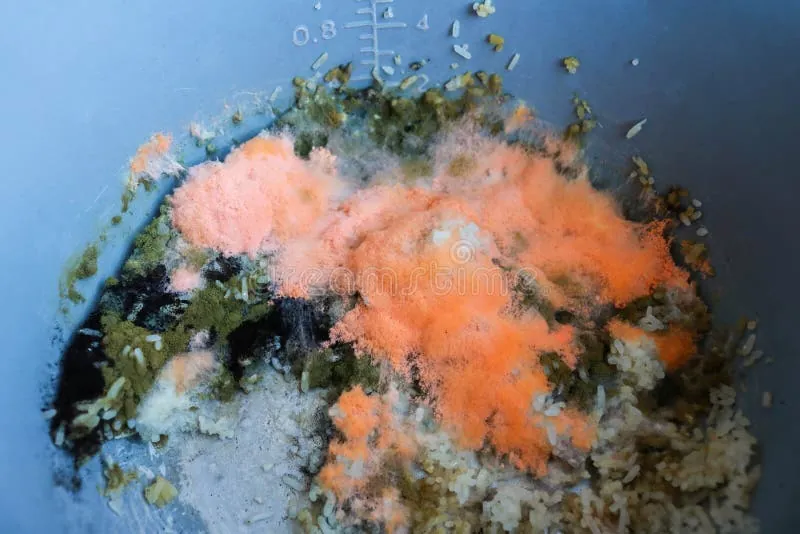
Letting rice sit out for more than two hours leads to rapid bacterial growth. Bacillus cereus spores survive the initial cooking process and germinate quickly as the grain cools. If you leave a pot on the counter, you invite a foodborne illness that often manifests within thirty minutes of eating.
Storing a large mass of rice in a deep container creates a dangerous heat trap. The center remains warm for hours, providing an ideal incubator for toxins. Transfer leftovers into shallow, wide trays instead. This spreads the grains thin, allowing them to reach the refrigerator’s safe zone of 40°F or below within sixty minutes.
Each time you reheat rice, you extend its time in the temperature danger zone. Never reheat the same batch more than once. If you cooked a massive portion, portion it out before chilling. Only pull from the fridge what you intend to eat immediately.
Ignoring the duration of storage or signs of visible spoilage is a critical error. Spices can’t neutralize toxins already produced by bacteria. If the rice has been kept too long or looks spoiled, discard it.
Related guides
Frequently asked questions
Can I fix rice that smells sour?
No, you can’t fix rice that smells sour because bacterial toxins are heat-resistant. Even if you boil the rice again at a high temperature, the toxins produced by Bacillus cereus remain in the grains. If the rice has developed an off-odor, it’s unsafe to eat and must be discarded immediately to prevent foodborne illness.
How long does cooked rice last in the fridge?
Cooked rice lasts for 3 to 4 days in the refrigerator when stored at 40°F or below. This timeline assumes you cooled the rice within two hours of cooking and placed it in an airtight container. If you notice a change in smell or texture before the 4-day mark, throw it away immediately.
Does brown rice spoil faster than white rice?
Yes, brown rice spoils faster than white rice because it still contains the natural oils in the bran layer. These oils can turn rancid, causing an unpleasant smell even if bacteria aren’t yet present. While white rice can last for years in dry storage, brown rice typically stays fresh for about 6 months in a cool, dry pantry.
Is it safe to eat rice that smells like the fridge?
It’s safe to eat if the smell is only from other foods, but you must be certain the rice itself hasn’t turned. If the rice smells like onions or garlic from other containers, it’s likely fine, but if it smells sour, yeasty, or musty, it has spoiled. When in doubt, it’s always safer to discard the rice.
Why does my rice smell like plastic?
Your rice likely smells like plastic because it was stored in a low-quality container while still hot. The heat causes the plastic to off-gas or leach chemicals into the moisture on the surface of the grains. To avoid this, always let your rice cool to room temperature before putting it into plastic storage containers.
How can I tell if raw rice is bad?
Raw rice is bad if it has a musty odor, visible mold, or signs of pantry pests like small webs or insects. Check the grains for clumping, which suggests moisture has entered the bag. If the rice is dry, clear, and smells like nothing, it’s usually safe to cook regardless of how long it has been in your cupboard.
Conclusion
To keep your meals safe in the future, try storing leftovers in shallow, airtight containers in the fridge right after you finish eating. It’s a simple habit that’ll prevent spoilage and keep your food fresh. Don’t take any chances with questionable aromas; when in doubt, it’s always better to start fresh.