
The reason why poop smells bad is that it contains volatile sulfur compounds, indoles, and skatoles produced by bacteria in your gut. These gases are natural byproducts of the digestive process as your body breaks down proteins and fats. While everyone has some odor, the intensity changes based on what you eat, your hydration level, and the specific balance of microbes living in your digestive tract.
Why poop smells the way it does
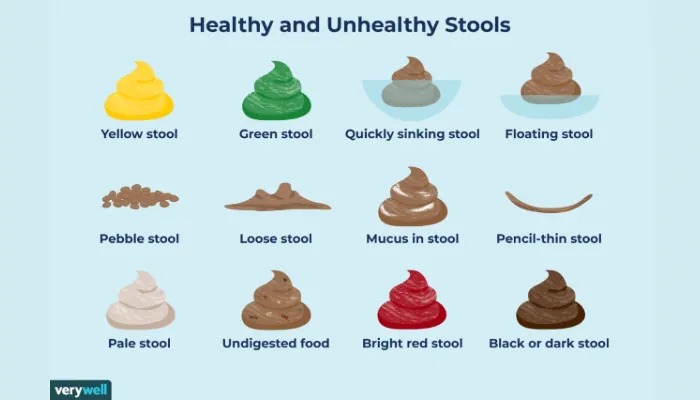
Your digestive system is home to trillions of bacteria that help process the food you eat. When these bacteria ferment dietary fiber and break down proteins, they release gases like hydrogen sulfide, which has a distinct rotten-egg smell. These compounds are a normal result of human biology and aren’t usually signs of a medical emergency.
The intensity of the scent often depends on the specific foods in your recent diet. Foods high in sulfur, such as broccoli, cabbage, onions, and garlic, are well-known for increasing the pungency of these gases. You might notice a change in odor within 12 to 24 hours of consuming these items, as that’s the typical transit time for food to move through your system.
Quick Facts on Odor
- Bacteria source: The human gut microbiome contains over 1,000 species of bacteria that produce gas during digestion.
- Sulfur compounds: Hydrogen sulfide and methanethiol are the primary chemical contributors to the strong smell.
- Dietary impact: High-protein diets often lead to stronger odors due to the breakdown of amino acids.
- Hydration: Drinking at least 2 liters of water daily helps maintain regular digestion, which can minimize odor buildup.
- Medical baseline: According to the National Institute of Diabetes and Digestive and Kidney Diseases, gas is a normal part of the digestive process for everyone.
Why Digestive Gases Have That Smell
The smell is caused by the chemical breakdown of food molecules that your body can’t fully absorb. Proteins, in particular, contain sulfur-bearing amino acids like cysteine and methionine. When your gut bacteria metabolize these proteins, they release sulfur gases that are responsible for the sharp, unpleasant scent associated with waste.
Indole and skatole are two other compounds produced during the breakdown of tryptophan, an amino acid found in many common foods. Even in very small concentrations, these molecules are highly detectable by the human nose. They’re part of the natural chemical profile of human waste and are present in every healthy digestive system.
If you’re wondering why the intensity varies, consider your personal gut flora. Each person has a unique combination of bacteria based on their genetics, age, and long-term diet. If your gut microbiome shifts due to antibiotics or a significant change in eating habits, you may notice a temporary change in the odor of your waste until your system stabilizes.
When the Scent Becomes Concerning

While occasional strong odors are normal, some situations suggest you should speak with a doctor. If the change is sudden and persists for more than a few days, it could indicate a digestive disorder or an infection.
A reliable rule is to track the duration rather than the intensity. If a foul scent lingers for more than 72 hours despite a consistent diet, it warrants a professional assessment. Many people mistakenly assume that fiber supplements will mask these changes, but taking them before identifying the root cause often masks symptoms of an underlying gut imbalance.
| Situation | What changes | What to do instead |
|---|---|---|
| Blood in stool | Color and texture | See a doctor immediately |
| Chronic diarrhea | Consistency and frequency | Track symptoms for 48 hours |
| Severe abdominal pain | Discomfort level | Consult a medical professional |
| Unexplained weight loss | Body mass | Schedule a physical exam |
| Persistent bloating | Gas volume | Review diet with dietitian |
If the odor resembles ammonia or rotting fruit, prioritize a metabolic panel. These specific scents often signal that your body is struggling to process proteins or blood sugar effectively.
How to Manage Digestive Health
You can manage the intensity of your digestion by focusing on fiber intake and hydration. Follow these steps to keep your digestive system running smoothly.
-
Increase fiber intake slowly: Add 5 grams of fiber per day using beans or whole grains to avoid sudden gas spikes. If you experience bloating after three days, cut your intake in half and hold there for a week before trying to increase again.
-
Drink more water: Aim for 2 liters of water daily to help move waste through your colon efficiently. Without this fluid, fiber acts like a sponge that swells and creates painful blockages rather than smooth transit.
-
Track trigger foods: Keep a journal for 7 days to identify which specific foods lead to stronger odors. Note both the item and the time elapsed until you feel discomfort.
-
Chew food thoroughly: Smaller food particles are easier for bacteria to process, which can reduce excessive gas production. Aim for 20 chews per bite.
-
Exercise regularly: Light walking for 20 minutes after meals helps stimulate the digestive tract and prevents gas buildup.
-
Eat consistent meals: Avoid skipping meals, as irregular eating disrupts your gut bacteria balance. If you miss a meal, don’t overeat at the next, as this overwhelms your enzymes.
Common Mistakes That Increase Odor
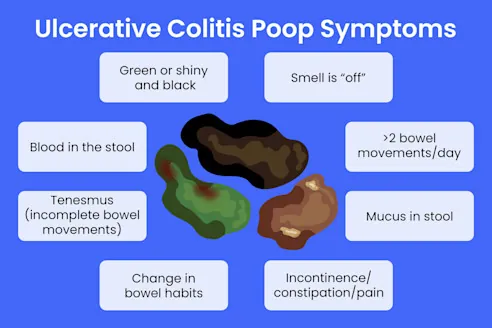
Swallowing air while eating too fast forces excess gas through your system, carrying volatile, smelly compounds out with it. Slow your pace by putting your fork down between bites to ensure you chew thoroughly.
Continuing to consume dairy or gluten despite a known sensitivity triggers chronic inflammation. If you experience bloating within two hours of eating, track your symptoms for a week to identify the specific culprit.
Consuming more than 0.8 grams of protein per kilogram of body weight forces your gut to process excessive sulfur. This metabolic strain significantly intensifies body odor. If you train heavily, increase your intake gradually rather than doubling it overnight.
Relying on processed snacks disrupts your microbiome. High-sugar, low-fiber foods feed harmful bacteria, leading to unpredictable digestive results. Aim for at least 25 grams of fiber daily to stabilize your gut. If your digestion remains erratic, swap one processed snack for a whole fruit or vegetable.
Related guides
Frequently asked questions
Can diet changes stop the smell entirely?
No, it’s impossible to stop the smell entirely because it’s a byproduct of normal biological processes. You can only reduce the intensity by adjusting your diet to include more fiber and fewer high-sulfur protein sources. Your body needs these bacteria to function, and the smell is an unavoidable part of their work.
How long does it take for food to affect the smell?
You’ll typically notice a change in odor within 12 to 24 hours of eating. This timeframe covers the transit period for food to pass through the small intestine and reach the colon. If you eat a high-sulfur meal for dinner, you may notice the change by the next morning.
Is it safe to use charcoal tablets for odor?
Activated charcoal is sometimes used to reduce gas, but you should speak with a doctor before starting it. It can interfere with the absorption of medications or essential nutrients if taken too often. If you have chronic issues with gas, it’s better to identify the dietary cause rather than masking the symptom.
Does the smell indicate a health problem?
The smell alone is rarely an indicator of a health problem unless it’s accompanied by other symptoms. If you experience persistent diarrhea, blood, or severe pain, those are the signs that require a medical check. A simple change in odor is usually just a reaction to something you ate recently.
Why does it smell worse when I am stressed?
Stress impacts the speed of your digestion, which changes how bacteria interact with your food. When your gut moves slower due to the “fight or flight” response, bacteria have more time to ferment your food. This extra time allows for more gas production and a stronger, more intense odor than when you’re relaxed.
Does the smell change with age?
Yes, digestive function and the composition of your gut bacteria change as you get older. Many people find their digestion slows down or becomes more sensitive to certain foods as they age. If you notice a persistent change, it’s worth reviewing your current diet to see if your body’s needs have evolved.
Conclusion
If you’re worried about persistent, unpleasant odors, don’t hesitate to track your meals for a few days. Keeping a simple food diary can help you spot which ingredients trigger the strongest reactions. If things don’t improve, it’s a good idea to talk with your doctor about your gut health.