
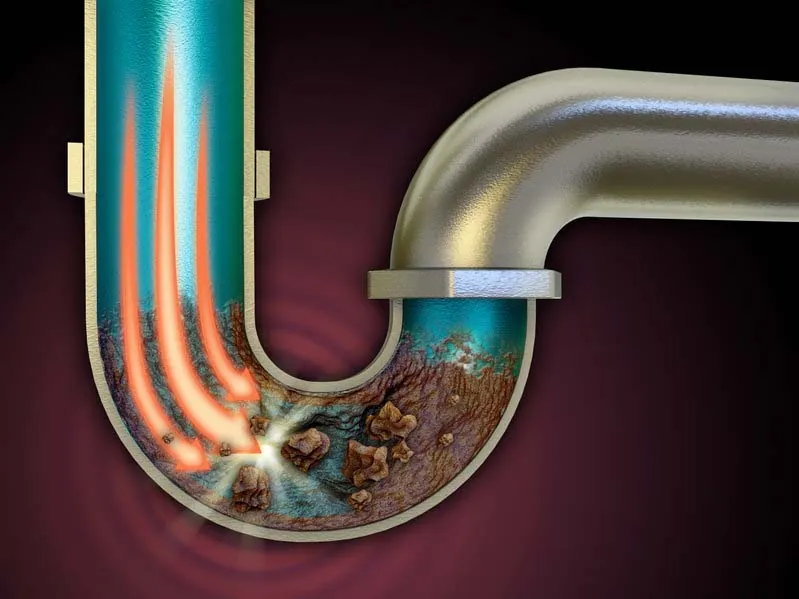
You can fix the problem when your pipes smell bad by pouring a mixture of baking soda and white vinegar down the drain to clear organic buildup. The most common cause for this odor is trapped food waste or hair decaying inside the P-trap, which is the U-shaped pipe under your sink. This trap holds a small amount of water to block sewer gases from entering your home.
Why your pipes smell bad

The most frequent source of a foul smell is the accumulation of grease, soap scum, and food particles within your pipes. These materials trap bacteria, which grow and produce gas as they break down the organic matter. If you have a kitchen sink, food scraps are the primary culprit, while bathroom sinks usually suffer from hair and skin cell buildup.
Another reason involves the P-trap itself. If you haven’t used a specific sink in several weeks, the water inside the U-bend can evaporate. Once that water seal is gone, sewer gases flow directly through the pipe into your room.
You might also have a blocked vent pipe on your roof. This pipe allows air to enter the system so water flows smoothly; if it gets clogged by leaves or nests, it creates a vacuum that pulls the water out of your traps.
Flush the drain with natural cleaners
This method is best for minor odors caused by daily use. Start by pouring one-half cup of baking soda into the drain, followed by one-half cup of white vinegar. Cover the drain with a cloth or stopper to keep the fizzing action inside the pipe for 15 minutes. After the time passes, pour a kettle of boiling water down the drain to wash away the loosened debris.
If the smell remains, repeat the process. This approach is safe for most standard PVC and metal pipes, but don’t use it if you have just poured commercial chemical drain cleaners into the sink, as the combination can cause a dangerous reaction. If you notice leaks under the sink during this process, stop immediately and contact a licensed plumber to prevent water damage to your cabinets or flooring.
Clean the P-trap manually
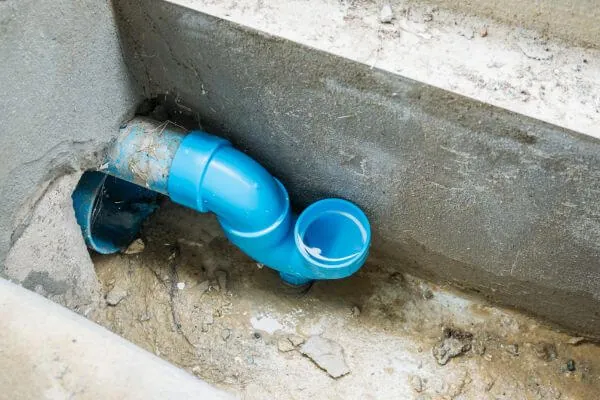
If the drain remains smelly after a flush, you must remove the physical blockage from the P-trap. Place a bucket under the U-shaped pipe to catch the stagnant water and sludge that will spill out once you loosen the slip nuts. Use your hands or a pair of adjustable pliers to unscrew the nuts on both sides of the trap.
Once you have removed the pipe, scrub the inside with a long-handled bottle brush and hot soapy water to remove the black slime. Rinse the pipe thoroughly before reattaching it.
Tighten the nuts by hand until they’re snug; don’t overtighten them, as this can crack plastic fittings or strip metal threads. This fix isn’t for those who are uncomfortable working with tools or who have fragile, older plumbing that might break during disassembly. If you see rusted or cracked pipes, consult a professional plumber for a replacement.
Use a drain snake for deep clogs
For odors coming from deep inside the wall, a manual drain snake is the most effective tool. Insert the end of the snake into the drain opening and feed it down until you feel resistance from a clog. Rotate the handle to hook the debris and pull it back out through the drain. This process works well for hair clogs that sit beyond the reach of the P-trap.
If you have a modern sink with a built-in stopper, you may need to remove the stopper mechanism first to gain access. This tool is worth the effort when simple cleaning fails, but it requires patience to avoid scratching your porcelain or metal sink finish. If you can’t clear the obstruction after two attempts, avoid forcing the snake, as you could puncture the pipe wall. Seek help from a professional if the snake doesn’t move freely.
Avoid harmful drain maintenance habits
Pouring grease or oil down the sink creates a solid mass that traps every other piece of food. Instead, pour cooled grease into a sealable container and toss it in the trash.
Using harsh chemical drain cleaners often damages older pipes and causes severe chemical burns during splash-back. If your drain is fully stopped, use a plastic zip-tool or a plumber’s snake rather than caustic liquids.
Ignoring slow drains is a mistake that costs you a professional service call later. A slow drain indicates a partial clog that will eventually turn into a full, foul-smelling blockage. If water takes longer than ten seconds to clear, clear the trap immediately.
Overloading the garbage disposal with fibrous vegetables like celery causes tangles and rot. If you must process fibrous scraps, feed them in small, one-inch segments to ensure the blades can break them down completely.
Keep your drains smelling fresh
You should replace old habits with better maintenance to keep your pipes clear. The following table shows how to adjust your daily routine to prevent odors from returning.
| If you’re doing this | Do this instead | Why |
|---|---|---|
| Pouring used cooking fat down the drain | Pour fat into a jar for the trash | Fat solidifies and creates a permanent trap for debris |
| Letting hair go down the shower drain | Use a mesh hair catcher | Hair creates a net that catches soap and skin cells |
| Using chemical cleaners weekly | Flush with hot water and baking soda | Natural cleaners don’t corrode your pipe seals |
| Ignoring a sink you rarely use | Run water through it once a week | This keeps the P-trap filled and blocks sewer gas |
Related guides
Frequently asked questions
Can I use bleach to remove pipe smells?
No, you should avoid using bleach, as it doesn’t break down the organic grease and hair that cause the smell. Bleach only masks the odor temporarily and can react poorly with other chemicals left in the drain. It may also damage your septic system or corrode metal pipes if used frequently. Stick to baking soda and vinegar for safer, more effective results.
How long does it take for a P-trap to dry out?
It typically takes about 4 to 6 weeks for the water in a P-trap to evaporate, depending on the humidity and temperature of your home. If you’re going away for a long trip, you can prevent this by pouring a tablespoon of mineral oil into the drain. The oil sits on top of the water and prevents it from evaporating into the air.
Is it safe to use a plunger on a smelly drain?
Yes, you can use a plunger, but ensure you cover the overflow hole with a wet rag first to create a good seal. The pressure from a plunger can dislodge small clogs that are trapping odor-causing bacteria. If you have a double-basin sink, you must block the second drain with a stopper while you plunge the first one to create the necessary suction.
Why does my sink smell like rotten eggs?
A rotten egg smell usually indicates that sewer gas is escaping through a dry P-trap or a damaged vent pipe. Sewer gas contains hydrogen sulfide, which creates that distinct sulfur odor. If you smell this throughout your house, ensure all your drain traps have water in them and check that your roof vent isn’t blocked by debris or ice.
How often should I clean my drains?
You should perform a maintenance flush regularly to prevent buildup from becoming a permanent clog, though the frequency depends on your specific usage and the guidelines provided in your owner’s manual. Regular cleaning keeps the pipes smooth so that food and hair wash away easily instead of clinging to the pipe walls.
Conclusion
Maintaining your plumbing is a simple task once you identify the source of the blockage. By keeping your P-traps full and avoiding the disposal of grease, you can keep your home smelling clean and avoid the need for expensive emergency plumbing repairs.