
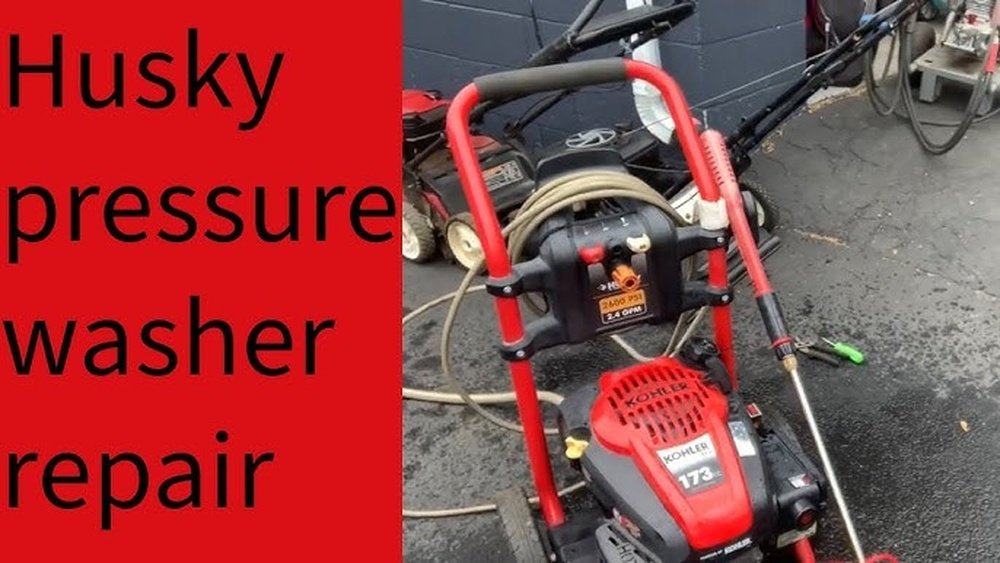
A Kohler pressure washer is a powerful tool for tackling tough cleaning jobs, from grimy driveways to weathered siding. However, like any complex piece of machinery, it can sometimes refuse to start. When your Kohler pressure washer won’t start, it can be incredibly frustrating, leaving you with unfinished tasks and a sense of helplessness.
Understanding the common culprits and the systematic approach to diagnosing and fixing the problem is key to getting your equipment back up and running quickly.
This guide will walk you through the most frequent reasons why a Kohler pressure washer might fail to ignite, offering practical, step-by-step solutions. We’ll cover everything from simple checks like fuel and spark plug issues to more complex problems involving the carburetor or water flow.
By following this comprehensive troubleshooting process, you’ll be equipped to identify the root cause and perform the necessary repairs, saving you time and the expense of a service call.
Key Takeaways
- Fuel is Fundamental: Ensure you’re using fresh, clean fuel mixed correctly, especially for 2-stroke engines. Stale fuel is a primary cause of starting issues.
- Spark is Essential: A fouled, damaged, or improperly gapped spark plug will prevent ignition. Regular inspection and replacement are crucial.
- Airflow Matters: Blocked air filters restrict the air-fuel mixture, hindering combustion. Keep your air filter clean.
- Water Flow is Required: Most pressure washers have safety features that prevent starting without water pressure. Check your water source and hose connections.
- Carburetor Clogs: Gummed-up carburetors, often due to old fuel, are a common problem. Cleaning or rebuilding may be necessary.
- Safety First: Always disconnect the spark plug wire before performing any maintenance or inspection to prevent accidental starts.

Credit: www.youtube.com
Troubleshooting Common Kohler Pressure Washer Starting Problems
When your Kohler pressure washer refuses to start, it’s often a sign of a simple, fixable issue. The key is to approach the problem methodically, checking the most common culprits first. This systematic approach will save you time and prevent unnecessary component replacements.
1. Fuel System Issues: The Most Frequent Offenders
The fuel system is arguably the most common source of starting problems for any gasoline-powered engine, including those on Kohler pressure washers. Issues here range from the type of fuel used to the delivery mechanism.
Freshness And Type Of Fuel
Pro Tip: Always use fresh gasoline that is no more than 30 days old. Ethanol in gasoline can absorb moisture over time, leading to corrosion and performance issues. If your pressure washer has been sitting for longer, it’s best to drain the old fuel and refill with fresh.
- Stale Fuel: Gasoline degrades over time, especially when exposed to air. This degradation leads to the formation of varnish and gum deposits that can clog fuel lines and the carburetor. If your pressure washer was stored with fuel in the tank for several months, this is a prime suspect.
- Ethanol Contamination: While most modern gasoline contains ethanol, higher concentrations can be problematic for some engines and fuel system components. If possible, use ethanol-free gasoline for your pressure washer.
- Incorrect Fuel-Oil Mixture (2-Stroke Engines): If your Kohler engine is a 2-stroke model, using the wrong fuel-oil ratio is critical. Too much oil can cause excessive smoke and fouling, while too little oil can lead to engine damage. Always refer to your owner’s manual for the precise mixture recommended by Kohler. A common ratio is 40:1 or 50:1, but always verify.
Fuel Delivery Problems
- Empty Fuel Tank: It sounds obvious, but double-check that the fuel tank is not empty.
- Clogged Fuel Filter: Many pressure washers have an inline fuel filter between the tank and the carburetor. If this filter becomes clogged with debris, it will restrict fuel flow to the engine. Inspect and replace the fuel filter if it appears dirty or damaged.
- Kinked or Blocked Fuel Line: Ensure the fuel line is not kinked, pinched, or obstructed. Sometimes, debris can lodge in the fuel line itself. You can test this by disconnecting the fuel line from the carburetor (with a catch pan underneath) and seeing if fuel flows freely when the fuel valve is open.
2. Ignition System Problems: No Spark, No Start
For an engine to start, it needs a spark at the right time to ignite the fuel-air mixture. If your Kohler pressure washer isn’t getting a spark, it won’t run.
Spark Plug Issues
The spark plug is a small but vital component. It’s exposed to high temperatures and combustion forces, making it prone to wear and fouling.
- Fouled Spark Plug: Carbon deposits, oil, or fuel residue can build up on the spark plug’s electrodes, preventing a strong spark. If the plug looks black, oily, or wet, it’s likely fouled.
- Damaged Spark Plug: The ceramic insulator can crack, or the electrodes can become worn or damaged.
- Incorrect Spark Plug Gap: The gap between the electrodes is crucial for a proper spark. If the gap is too wide or too narrow, the spark may not be strong enough to ignite the fuel. Refer to your owner’s manual for the correct gap specification, typically measured in millimeters (mm) or inches (in). You can adjust the gap using a feeler gauge.
- Loose or Disconnected Spark Plug Wire: Ensure the spark plug wire is securely attached to the spark plug terminal. A loose connection will prevent the spark from reaching the plug.
How to Inspect and Replace a Spark Plug:
- Disconnect: Crucially, disconnect the spark plug wire from the spark plug to prevent accidental starting.
- Remove: Use a spark plug socket wrench to carefully unscrew the spark plug.
- Inspect: Examine the plug for signs of fouling, wear, or damage.
- Clean/Gap: If the plug is only slightly fouled, you can try cleaning it with a wire brush and carburetor cleaner. Then, use a feeler gauge to check and adjust the gap according to your manual’s specifications.
- Replace: If the plug is heavily fouled, damaged, or shows significant wear, it’s best to replace it with a new one. Ensure the new plug is the correct type and heat range for your Kohler engine.
- Install: Screw the new or cleaned plug in by hand to avoid cross-threading, then tighten it with the socket wrench. Reconnect the spark plug wire firmly.
Ignition Coil Or Magneto Failure
If the spark plug appears to be in good condition and properly gapped, the issue might lie with the ignition coil (also known as the magneto). This component generates the high voltage needed for the spark.
- Testing the Ignition Coil: Testing an ignition coil typically requires a multimeter and knowledge of electrical testing procedures. You would check for resistance across specific terminals as outlined in the Kohler service manual. If the resistance readings are outside the specified range, the coil may need replacement.
- Symptoms of a Bad Coil: A failing ignition coil might cause intermittent starting problems or a complete lack of spark.
3. Air Intake System: The Engine Needs To Breathe
Just as a car needs air to run, so does your pressure washer’s engine. A restricted air intake can starve the engine of the necessary oxygen for combustion.
Clogged Air Filter
The air filter prevents dirt and debris from entering the engine, but it can become clogged over time.
- Symptoms of a Clogged Air Filter: A dirty air filter can cause the engine to run rich (too much fuel, not enough air), leading to rough idling, reduced power, and difficulty starting. In severe cases, it can prevent the engine from starting at all.
- Inspection and Cleaning: Most Kohler engines have an accessible air filter housing. Remove the cover, take out the filter, and inspect it. If it’s a foam filter, wash it with soap and water, dry it thoroughly, and re-oil it lightly with a clean engine oil (check your manual for specific instructions). Paper filters are typically replaced if they are dirty or damaged.
- Replacement: If the air filter is heavily soiled, damaged, or falling apart, replace it with a new, genuine Kohler part or a quality aftermarket equivalent.
Carburetor Air Bleed Issues
Some carburetors have small air bleed passages that can become clogged. If these are blocked, it can affect the air-fuel mixture.
4. Carburetor Problems: The Engine’s Fuel Mixer
The carburetor is responsible for mixing the correct amount of fuel and air to create the combustible mixture. A dirty or malfunctioning carburetor is a frequent cause of starting issues.
Gummed-up Carburetor
This is a very common problem, especially if the pressure washer has sat for extended periods with old fuel.
- Varnish and Deposits: As fuel ages, it breaks down, leaving behind sticky varnish and gummy deposits. These deposits can clog the tiny jets and passages within the carburetor, disrupting fuel flow.
- Symptoms: Difficulty starting, rough idling, engine cutting out, or complete failure to start.
- Cleaning the Carburetor:
- Removal: You’ll need to remove the carburetor from the engine. This usually involves disconnecting the fuel line, throttle linkage, and any mounting bolts.
- Disassembly: Carefully disassemble the carburetor, noting the position of each part. A carburetor rebuild kit often includes a diagram.
- Cleaning: Use a dedicated carburetor cleaner spray and compressed air to thoroughly clean all passages, jets, and the float bowl. Pay special attention to the main jet and pilot jet. Ensure all passages are completely clear.
- Reassembly: Reassemble the carburetor using new gaskets and seals if you have a rebuild kit.
- Reinstallation: Reinstall the carburetor onto the engine, reconnecting all lines and linkages.
Float Issues
The float within the carburetor regulates the fuel level in the float bowl. If the float is stuck or improperly adjusted, it can lead to flooding (too much fuel) or starvation (too little fuel).
Choke Malfunction
The choke restricts airflow when starting a cold engine, enriching the fuel mixture. If the choke is stuck open, the engine might not start easily, especially when cold. Conversely, if it’s stuck closed, it can lead to a flooded engine.
Ensure the choke plate moves freely and is correctly positioned.
5. Compression Issues: The Engine’s Power Source
While less common than fuel or ignition problems, a lack of compression can prevent an engine from starting. Compression is the pressure built up inside the cylinder as the piston moves up.
- Worn Piston Rings: Over time, piston rings can wear down, allowing combustion gases to escape past the piston into the crankcase, reducing compression.
- Damaged Cylinder or Piston: Scratches or damage to the cylinder wall or piston can also lead to compression loss.
- Leaking Valves: Valves that don’t seal properly in the cylinder head can cause compression to leak out.
- Blown Head Gasket: A damaged head gasket can allow compression to escape between the cylinder head and the engine block.
Testing for Compression:
- Compression Tester: The most accurate way to check compression is with a compression tester. This tool screws into the spark plug hole, and you pull the starter cord to measure the pressure buildup. You’ll need to compare the reading to the specifications in your Kohler engine manual.
- Manual Check (Less Reliable): You can sometimes get a rough idea by pulling the starter cord. If it feels unusually easy to pull with very little resistance, it might indicate a compression problem.
If you suspect a compression issue, it often indicates significant internal engine wear or damage, which may require professional repair or engine replacement.
6. Water System Problems: Pressure Washer Specifics
Unlike a standalone engine, a pressure washer has a water system that is integral to its operation and can sometimes prevent starting.
No Water Supply Or Low Water Pressure
Most pressure washers are designed to not start or run dry because this can quickly damage the pump.
- Check Water Source: Ensure your garden hose is fully connected to a water spigot that is turned on.
- Adequate Flow Rate: Verify that the water source provides sufficient flow rate (gallons per minute – GPM) and pressure (pounds per square inch – PSI) as recommended by your Kohler pressure washer manual. Running the unit with insufficient water can cause overheating and pump damage.
- Kinked Hose: Inspect the garden hose for kinks or blockages that might restrict water flow.
Water Inlet Filter Clogged
Many pressure washers have a small filter screen at the water inlet where the garden hose connects. This filter prevents debris from entering the pump.
- Inspection: Disconnect the garden hose from the pressure washer and check the inlet screen for dirt, sand, or debris.
- Cleaning: Carefully remove the screen and clean it thoroughly with water. Reinstall it securely.
Pump Issues
While less common as a *starting* issue (more common as a *no pressure* issue once running), a severely damaged or seized pump could potentially put enough drag on the engine to prevent it from turning over and starting.
7. Oil Level And Low-oil Sensor
Some Kohler engines are equipped with a low-oil sensor. If the oil level drops too low, this sensor will prevent the engine from starting as a safety measure.
- Check Oil Level: Locate the oil dipstick, remove it, wipe it clean, reinsert it fully, and then remove it again to check the oil level. If it’s below the minimum mark, add the recommended type and amount of oil specified in your owner’s manual.
- Sensor Malfunction: In rare cases, the low-oil sensor itself might malfunction, falsely indicating a low oil level. If the oil level is correct and the engine still won’t start, this sensor could be the culprit, though diagnosing this typically requires consulting the service manual.
8. Safety Features And Interlocks
Modern pressure washers often incorporate various safety features that can prevent starting if not engaged correctly.
- Brake/Trigger Lock: Ensure the trigger lock on the spray gun is disengaged.
- Positioning: Some units may have tip sensors or other interlocks that require specific configurations.
- Engine Kill Switch: Verify that the engine kill switch is in the “run” or “on” position.

Credit: www.youtube.com
Troubleshooting Table: Common Kohler Pressure Washer Problems And Solutions
Here’s a quick reference guide to help you diagnose why your Kohler pressure washer won’t start.
| Problem | Likely Cause(s) | Solution(s) |
|---|---|---|
| **Engine Cranks but Won’t Fire** | Stale fuel, fouled spark plug, clogged air filter, incorrect fuel-oil mix | Drain and refill with fresh fuel, inspect/clean/replace spark plug, clean/replace air filter, verify fuel-oil ratio (2-stroke). |
| **Engine Won’t Crank (No Sound)** | No fuel, dead battery (if electric start), faulty ignition switch, seized engine | Check fuel level, check battery/connections, check kill switch, investigate for mechanical seizure (requires professional diagnosis). |
| **Engine Cranks Slowly or Unreliably** | Weak spark, low compression, incorrect spark plug gap, carburetor issue | Check spark plug condition/gap, test compression, clean carburetor, check fuel flow. |
| **Engine Starts then Stalls Immediately** | Fuel delivery issue (clogged filter/line), choke issue, faulty idle jet | Check fuel filter and lines, ensure choke is fully open after starting, clean idle jet in carburetor. |
| **Engine Smells like Gas / Flooded** | Choke stuck on, carburetor flooding, excessive priming | Ensure choke is fully open, check float needle valve in carburetor, do not over-prime the fuel bulb. |
| **No Spark at Spark Plug** | Fouled/damaged spark plug, loose wire, faulty ignition coil, kill switch issue | Inspect/clean/replace spark plug, secure wire, check ignition coil resistance, verify kill switch function. |
| **No Water Pressure (Once Started)** | Clogged nozzle, pump issue, air in system, low water supply | Clean nozzle, check pump seals/oil, bleed air from system, ensure adequate water supply. (Note: This is *after* it starts). |
| **Engine Refuses to Start When Hot** | Vapor lock, carbon buildup, overheating | Allow engine to cool, check for excessive carbon deposits, ensure proper cooling fins are clear, check fuel quality. |
Examples Of Real-world Scenarios
Scenario 1: The Weekend Warrior’s Frustration
John hadn’t used his Kohler pressure washer since last fall. He hooked it up, pulled the cord, and. . . nothing. He pulled again, and again, getting increasingly frustrated. In my experience, this is a classic case of stale fuel.
The gasoline from last year had likely formed varnish deposits in the carburetor. The solution? Drain the old fuel, add fresh fuel, and then clean the carburetor. After a thorough cleaning and reassembly, his pressure washer fired up on the second pull.
Scenario 2: The Overzealous Cleaner
Sarah was in a hurry to clean her deck. She hooked up the pressure washer, turned on the water, and pulled the starter cord. The engine sputtered but wouldn’t catch. She tried again, this time noticing the water hose seemed a bit kinked.
She straightened the hose, ensuring a robust flow of water to the inlet, and the engine started up smoothly. This highlighted the importance of adequate water supply before attempting to start the pressure washer.
Maintaining Your Kohler Pressure Washer For Reliable Starts
Preventative maintenance is the best way to avoid starting problems. Regular checks and cleaning will ensure your Kohler pressure washer is always ready when you need it.
Regular Cleaning And Inspections
- After Each Use:
- Wipe down the engine and pump to remove dirt and debris.
- Check the oil level and top up if necessary.
- Flush the system with clean water to remove any residual detergent or debris.
- Monthly or Every 25 Hours of Operation:
- Inspect and clean or replace the air filter.
- Check the spark plug for fouling or damage.
- Inspect fuel lines for cracks or leaks.
- Annually or Every 100 Hours of Operation:
- Change the engine oil.
- Replace the spark plug.
- Replace the fuel filter.
- Service the pump according to the manufacturer’s recommendations (e.g., checking/changing pump oil).
Proper Storage
- Fuel Stabilization: If storing the pressure washer for more than 30 days, use a fuel stabilizer. Run the engine for a few minutes after adding the stabilizer to ensure it circulates through the fuel system.
- Drain Fuel (Optional but Recommended): For long-term storage (over 6 months), consider draining the fuel tank and running the engine until it stops. This prevents stale fuel from gumming up the carburetor.
- Clean and Protect: Clean the entire unit thoroughly. Protect metal parts from rust with a light coating of oil or a protectant spray.
- Store in a Dry Place: Keep the pressure washer in a dry, sheltered location, protected from extreme temperatures and moisture.

Credit: www.reddit.com
When To Call A Professional
While many starting issues can be resolved with basic troubleshooting, some problems may require specialized knowledge or tools.
- Internal Engine Damage: If you suspect a lack of compression or other serious internal engine problems, it’s best to consult a qualified small engine mechanic.
- Complex Carburetor Issues: While cleaning a carburetor is often a DIY task, if the problem persists after cleaning, or if you’re uncomfortable with the disassembly process, a professional can rebuild or replace it.
- Ignition System Diagnosis: Diagnosing faulty ignition coils or other electrical components can be complex and may require specific testing equipment.
- Pump Problems: If you suspect issues with the high-pressure pump itself, especially if it’s seized or leaking significantly, a professional service center is recommended.
Consulting the official Kohler service manual for your specific engine model is always advisable for detailed diagnostic procedures and repair instructions. You can often find these manuals on the Kohler Engines official website.
Frequently Asked Questions
Why Does My Kohler Pressure Washer Start With Starting Fluid But Then Die?
This is a classic indication that the problem lies with the fuel delivery system. Starting fluid provides a highly volatile fuel source that allows the engine to fire up briefly. If the engine dies immediately after, it means the engine is not receiving gasoline from its normal fuel source.
This points to issues like a clogged fuel filter, blocked fuel line, a dirty carburetor, or a faulty fuel pump (if applicable).
My Kohler Pressure Washer Starts, But It Runs Rough And Lacks Power. What Could Be Wrong?
Rough running and lack of power usually stem from an incorrect air-fuel mixture. Common causes include:
- Clogged Air Filter: Restricts airflow.
- Dirty Carburetor: Clogged jets prevent proper fuel atomization.
- Stale Fuel: Degraded fuel doesn’t combust efficiently.
- Incorrect Spark Plug Gap: Affects the strength and timing of the spark.
- Low Compression: Worn engine components can lead to poor combustion.