
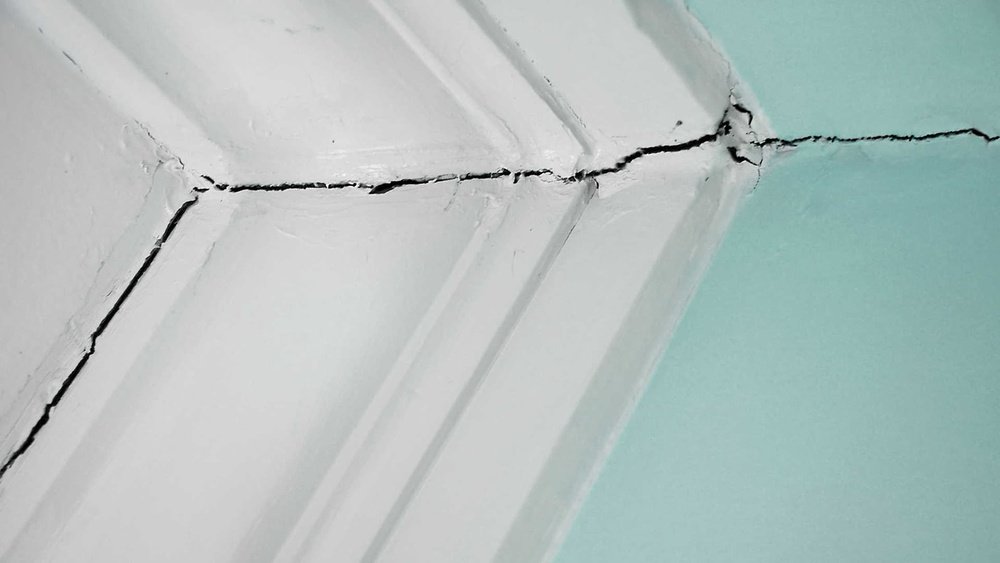
The excitement of moving into a new house is often accompanied by a flurry of activity and the anticipation of making a space truly your own. However, alongside the joy, new homeowners might notice subtle changes in their property, particularly small cracks appearing in walls or ceilings.
This can be a cause for concern, leading many to wonder if their dream home is already developing serious structural issues.
Understanding the natural processes a new building undergoes is key to distinguishing between minor cosmetic imperfections and genuine problems. The materials used in construction, the surrounding soil conditions, and even the weather can all contribute to these changes. Fortunately, for the vast majority of new homes, the settling and cracking observed are a normal part of the building’s life cycle, rather than an indication of imminent failure.
This article will explore why new houses settle, the types of cracks that are typically considered normal, and when it might be time to seek professional advice.
Key Takeaways
- Settling is a natural process: Newly constructed homes will inevitably settle as materials compress and the building adjusts to its environment.
- Minor cracks are common: Hairline cracks in plaster, drywall, or paint are usually cosmetic and a normal consequence of settling.
- Factors influencing settling: Soil type, moisture levels, construction materials, and seasonal temperature changes all play a role.
- Distinguishing normal from serious: The size, location, and pattern of cracks are key indicators of whether a crack is cosmetic or a structural concern.
- When to worry: Large, expanding, or stair-step cracks, especially those accompanied by other issues like sticking doors or windows, warrant professional inspection.
- Proactive measures: Proper landscaping, drainage, and regular maintenance can help mitigate excessive settling and cracking.
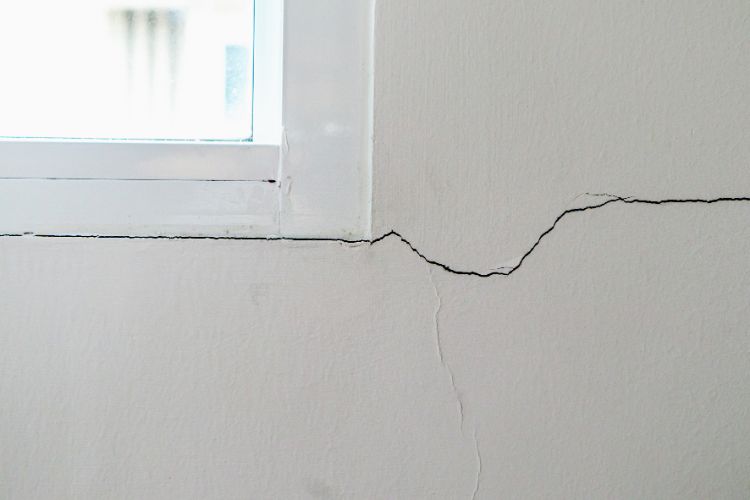
Credit: edensstructural.com
Understanding House Settling
The term “house settling” refers to the gradual sinking or shifting of a building’s foundation and structure. This phenomenon is not exclusive to new homes; older houses can also experience settling. However, it is particularly noticeable in new constructions because the materials are still adapting to their new environment and the loads placed upon them. The primary driver behind settling is the compression of building materials and the soil beneath the foundation.
Soil Compression And Expansion
The ground beneath a house is rarely perfectly uniform or static. Soil composition varies significantly, and its ability to support a structure depends on its density and moisture content. When a new home is built, the weight of the structure compacts the soil beneath the foundation. This soil compression is a natural process. Different soil types behave differently. For instance, clay soils are notorious for expanding when wet and shrinking when dry. This cyclical expansion and contraction exert pressure on the foundation, leading to movement. Sandy soils tend to drain well and are generally more stable, while organic soils can decompose and lead to significant settlement.
The moisture content of the soil is a critical factor. Heavy rainfall can saturate the soil, increasing its volume and buoyancy, potentially lifting parts of the foundation. Conversely, prolonged dry spells can cause the soil to shrink and pull away from the foundation, leading to voids and subsequent sinking. This is why homes in areas with fluctuating water tables or significant seasonal weather changes are more prone to settling.
Material Properties And Curing
The materials used in home construction also contribute to settling. Concrete, a staple in foundations and slabs, undergoes a curing process that involves chemical reactions. During curing, concrete shrinks slightly as it hardens. This initial shrinkage is a normal part of the material’s lifecycle. Wood, another primary construction material, expands and contracts with changes in humidity. While modern lumber is kiln-dried, it still retains some moisture and will continue to adjust to the ambient humidity levels over time. This subtle movement in structural components can translate into stress points in finishes like drywall and plaster, leading to cracks.
Construction Loads And Adjustments
During construction, a house is subjected to various loads. Once the building is complete and occupied, these loads change. The weight of furniture, appliances, and occupants adds to the structural load. The building’s frame, walls, and roof will naturally adjust and settle under this combined weight. This adjustment period is crucial, and minor shifts are expected as the structure finds its equilibrium.
In my experience as a homeowner and someone who has followed construction trends, I’ve observed that the initial year or two after moving into a new build is when most of these minor settling signs appear. It’s a period of adjustment for both the house and its inhabitants.
Types Of Normal Cracks
Not all cracks are created equal. While some indicate potential structural problems, many are benign and simply a sign that your new home is settling into its place. Understanding the characteristics of these normal cracks can save you unnecessary worry and expense.
Hairline Cracks In Drywall And Plaster
The most common type of crack found in new homes is the hairline crack. These are very fine fissures, often no wider than a human hair, that typically appear in drywall or plaster finishes. They often occur at joints between drywall panels or around corners and openings like doors and windows. These cracks are usually caused by the slight movement of the building’s frame, the drying and shrinking of joint compound (mud) used to finish the drywall, or minor expansion and contraction of building materials due to temperature and humidity fluctuations.
Paint And Finish Cracks
Sometimes, you might notice cracks that appear in the paint layers rather than the underlying drywall. This can happen when the drywall or plaster shifts slightly, causing the paint to stretch and eventually crack. These are purely cosmetic and do not indicate any structural compromise. They are often easily repaired with a bit of spackling and a fresh coat of paint.
Minor Gaps Around Trim And Doors
As the house settles, slight shifts can cause small gaps to appear around door frames, window casings, and baseboards. This is because the framing members might move independently of the trim. These gaps are typically narrow and can be filled with caulk or paintable filler. Significant gaps or doors and windows that no longer function properly, however, could point to a more serious issue.
Small Cracks In The Foundation (surface Level)
It’s not uncommon to find very fine, superficial cracks on the surface of a concrete foundation. These are often referred to as “crazing” or shrinkage cracks. They occur as the concrete cures and loses moisture, causing it to contract slightly. If these cracks are very narrow (less than 1/16th of an inch) and do not penetrate deeply into the concrete, they are generally not a cause for concern. They are more of a cosmetic issue for the foundation.
A useful way to think about these normal cracks is that they are like wrinkles that appear on a person’s skin as they age; they are a natural part of the process, not indicative of a critical health issue.
Factors Influencing Settling And Cracking
Several environmental and construction-related factors can influence the extent and type of settling and cracking a new house experiences. Understanding these can help homeowners anticipate potential issues and take appropriate measures.
Soil Conditions
As mentioned earlier, the type of soil on which a house is built is a major determinant of settling.
- Clay soils: Highly expansive and prone to significant shrinking and swelling with moisture changes. This can cause uneven settlement.
- Sandy soils: Generally good drainage and less prone to swelling, offering more stable support.
- Loam soils: A mix of sand, silt, and clay, offering moderate stability.
- Peaty or organic soils: Can decompose over time, leading to substantial settlement.
The load-bearing capacity of the soil is also crucial. If the soil is too soft or poorly compacted, it may not adequately support the weight of the house, leading to excessive sinking.
Moisture And Drainage
The amount of water in the soil surrounding the foundation directly impacts its stability. Improper drainage can lead to water pooling around the foundation, saturating the soil and causing it to expand or exert hydrostatic pressure. Conversely, dry conditions can cause the soil to shrink.
- Poor drainage: Gutters that don’t direct water away from the foundation, or landscaping that slopes towards the house, can exacerbate moisture-related soil issues.
- High water table: Areas with a consistently high water table can lead to buoyancy issues and increased soil moisture.
- Drought conditions: Extended dry periods can cause significant soil shrinkage, particularly in clay-rich soils, leading to foundation settlement.
Climate And Seasonal Changes
The climate plays a significant role, especially the fluctuations between seasons.
- Freeze-thaw cycles: In colder climates, water in the soil can freeze and expand, lifting the soil (frost heave), and then thaw, causing it to settle. This repeated cycle can stress foundations.
- Seasonal moisture variations: Wet springs followed by dry summers can cause significant soil expansion and contraction, leading to movement.
- Temperature extremes: Rapid temperature changes can cause building materials to expand and contract at different rates, stressing finishes.
Construction Quality And Materials
While settling is natural, the quality of construction and the materials used can influence its severity.
- Foundation type and depth: A properly designed and constructed foundation, appropriate for the soil conditions and depth, is crucial.
- Drying of lumber: Lumber used in framing will continue to dry and shrink over time, especially in arid climates or heated homes.
- Quality of drywall finishing: The skill of the drywall installers and the quality of the joint compound used can affect the likelihood of cracks appearing.
Load Distribution
The way weight is distributed across the foundation and the structure can also contribute to settling patterns. Uneven loads or concentrated stress points can lead to differential settlement, where one part of the house sinks more than another.
When To Be Concerned About Cracks
While minor cracks are normal, certain types and patterns of cracks can signal more serious underlying issues that require attention from a qualified professional. It’s important to differentiate between cosmetic imperfections and potential structural problems.
Size And Width Of Cracks
The width of a crack is a primary indicator.
- Hairline cracks (less than 1/16 inch): Generally considered normal, especially in finishes.
- Cracks between 1/16 and 1/4 inch: Warrant closer observation. If they are growing, they could be a concern.
- Cracks wider than 1/4 inch: Often indicate a more significant issue and should be investigated.
Crack Patterns
The pattern of a crack can reveal its cause.
- Vertical or diagonal hairline cracks: Often related to drywall finishing or minor settling.
- Stair-step cracks: Typically appear in masonry (brick or block) walls and follow the mortar lines. These can indicate differential settlement of the foundation.
- Horizontal cracks: In foundation walls, these can be a sign of excessive soil pressure (hydrostatic pressure or expansive soils) pushing the wall inward.
- Cracks radiating from corners of windows or doors: Can be caused by framing settling or the house “racking” (leaning to one side).
Crack Progression
The most critical factor is whether a crack is getting worse over time.
- Monitoring cracks: Use a pencil to mark the ends of a crack and note its width. Periodically check if the marks have moved or if the crack has grown.
- Seasonal changes: Some minor cracks might appear or widen during dry seasons and narrow during wet seasons due to material expansion. This can be normal. However, consistent widening in any season is a red flag.
Associated Problems
Cracks are often accompanied by other symptoms that can indicate a structural issue.
- Sticking doors or windows: If doors or windows no longer open or close smoothly, it suggests the frame is out of square due to foundation movement.
- Gaps appearing or widening: Significant gaps forming between walls and ceilings, or around door/window frames, beyond what is expected from minor settling.
- Bowing or bulging walls: Walls that appear to be leaning inward or outward.
- Cracked tiles: Tiles in floors or walls cracking or becoming loose.
- Water intrusion: Water seeping into the basement or crawl space, especially if cracks are present in the foundation walls.
- Uneven floors: Floors that slope noticeably or feel soft.
A crack is not just a crack; it’s a symptom. The art of diagnosing its significance lies in observing its characteristics, pattern, progression, and any accompanying signs of distress in the building.
Comparison: Normal Vs. Serious Cracks
To help homeowners distinguish between benign cosmetic cracks and potentially serious structural issues, here’s a comparative table.
| Characteristic | Normal/Cosmetic Crack | Serious Structural Crack |
|---|---|---|
| Width | Hairline (less than 1/16 inch) | Wider than 1/4 inch, or widening significantly |
| Depth | Superficial, only in paint or plaster | Appears to go through the material (e.g., concrete, brick) |
| Pattern | Random, at drywall joints, around corners | Stair-step in masonry, horizontal in foundation walls, radiating from corners |
| Progression | Stable or minor seasonal changes | Consistently growing wider or longer over time |
| Associated Signs | None, or very minor cosmetic imperfections | Sticking doors/windows, bowing walls, water intrusion, uneven floors, large gaps |
| Material | Drywall, plaster, paint | Foundation, structural beams, load-bearing walls (masonry or framing) |
| Repair Approach | Spackling, caulking, painting | Requires professional assessment and potentially structural repair |
This table provides a quick reference, but it’s crucial to remember that context is key. A professional inspection is always recommended if you have any doubts about the severity of a crack.
Mitigating Settling And Cracking
While you can’t entirely prevent a new house from settling, there are several proactive steps homeowners can take to minimize excessive movement and potential cracking. These measures focus on maintaining a stable environment around the foundation and ensuring the building’s structure is sound.
Proper Landscaping And Drainage
The area immediately surrounding your home’s foundation is critical for managing moisture.
- Slope away from the foundation: Ensure the ground slopes downwards away from your house for at least 5-10 feet. This directs rainwater and snowmelt away, preventing saturation.
- Gutter maintenance: Keep gutters clean and ensure downspouts extend at least 4-6 feet away from the foundation. Consider installing splash blocks or underground drainage pipes.
- Avoid planting large trees too close: Large trees near the foundation can have extensive root systems that absorb significant moisture from the soil, leading to shrinkage and settlement, especially during dry periods. Their roots can also potentially damage the foundation over time.
- Mulch responsibly: While mulch helps retain soil moisture, avoid piling it directly against the foundation, as this can trap moisture and encourage pests.
Regular Inspections And Maintenance
Consistent monitoring of your home’s exterior and interior can help catch issues early.
- Exterior checks: Periodically inspect the foundation walls for new cracks, signs of moisture, or bowing. Check the grading around the house.
- Interior checks: Monitor walls, ceilings, and around windows and doors for new or expanding cracks.
- Address small issues promptly: Repair minor cracks in paint or plaster as they appear. This prevents them from becoming larger and can sometimes mask underlying minor movements.
Controlling Interior Humidity
Maintaining a consistent indoor humidity level can help minimize the expansion and contraction of building materials like wood framing.
- Use of humidifiers/dehumidifiers: Especially important in climates with very dry winters or humid summers. Aim for a relative humidity level between 30% and 50%.
- Ventilation: Ensure proper ventilation in bathrooms and kitchens to remove excess moisture.
Understanding Your Home’s Construction
Knowing how your home was built can provide valuable insights.
- Foundation type: Understanding whether you have a slab, crawl space, or basement foundation and its specifics can help you identify potential vulnerabilities.
- Soil report (if available): If you have access to the original soil report from the builder, it can provide information about the soil’s properties and any special foundation considerations.
Professional Advice
Don’t hesitate to consult professionals if you have concerns.
- Builder’s warranty: New homes often come with a builder’s warranty that covers structural defects. Understand the terms and duration of your warranty.
- Structural engineer: For significant cracks or persistent concerns, a structural engineer can provide an expert assessment of your home’s condition and recommend solutions. This is a critical step before undertaking any major repairs.
By implementing these preventative measures, homeowners can contribute to the long-term stability of their new house and minimize the visual impact of normal settling processes.
Case Study: The Expanding Crack
Sarah and Tom purchased a new build in a suburban area known for its clay-rich soil. Within six months of moving in, they noticed a fine crack running diagonally from the top corner of their living room window. Initially, they dismissed it as typical settling.
However, over the next year, they observed the crack slowly widening, reaching about 1/8th of an inch. More concerningly, they started experiencing difficulty closing their front door, which had previously operated smoothly.
Alarmed, they contacted their builder, who initially suggested it was just cosmetic. However, Sarah and Tom insisted on a more thorough inspection. The builder agreed to send a structural consultant. The consultant noted the stair-step pattern of the crack in the drywall, which, while not in masonry, mimicked the stress points caused by differential settlement.
Crucially, the consultant also observed that the front door frame was visibly out of square.
The consultant recommended a more detailed foundation inspection. It was discovered that due to a particularly wet spring followed by a dry summer, the clay soil on one side of the house had shrunk more significantly than on the other, causing the foundation to tilt slightly.
This minor tilt was enough to stress the framing and cause the door to stick.
The solution involved a combination of exterior drainage improvements to ensure consistent moisture levels around the foundation and interior drywall repair. The door was planed to operate smoothly again. The crack was repaired and repainted, but Sarah and Tom were advised to continue monitoring it. This case highlights how seemingly minor cracks, when accompanied by functional issues, can point to underlying soil-related problems that require professional intervention.
Frequently Asked Questions
What Is The Difference Between Settlement Cracks And Structural Cracks?
Settlement cracks are typically superficial, hairline fissures that appear due to the natural compression of soil and materials as a new house settles. They often occur in drywall, plaster, or paint finishes and are usually cosmetic. Structural cracks, on the other hand, are wider, deeper, and often follow specific patterns (like stair-step in brick or horizontal in foundation walls).
They indicate a problem with the home’s foundation or structural integrity and are often accompanied by other issues like sticking doors or bowing walls.
How Long Does It Typically Take For A New House To Stop Settling?
Most significant settling occurs within the first one to two years after construction. During this period, the building’s materials compress, and the soil beneath the foundation adjusts to the load. While minor movements and occasional hairline cracks might appear for longer, the most noticeable settling typically stabilizes within this timeframe. However, environmental factors like extreme drought or heavy rainfall can cause further, albeit usually minor, movement at any time.
Can I Repair Settlement Cracks Myself?
Yes, minor hairline cracks in drywall, plaster, or paint are usually safe for homeowners to repair themselves. This typically involves cleaning the crack, applying spackling or joint compound, sanding it smooth, and repainting. For cracks wider than 1/16th of an inch, or if you see multiple cracks appearing, it’s advisable to monitor them first. If they grow or are accompanied by other signs of structural distress, professional assessment is recommended before attempting repairs.
What Are The Signs Of Foundation Problems In A New House?
Signs of foundation problems in a new house include:
- Wide cracks (over 1/4 inch) in foundation walls or slabs.
- Stair-step cracks in brickwork or block walls.
- Horizontal cracks in foundation walls, indicating inward pressure.
- Bowing or bulging walls.
- Doors and windows that stick or won’t open/close properly.
- Gaps appearing between walls and ceilings or around window/door frames.
- Uneven or sloping floors.
- Water seeping into the basement or crawl space.
- Cracked tiles on floors or walls.
If you notice any of these, it’s crucial to consult a professional.
How Does Soil Type Affect Settling?
Soil type significantly impacts how a house settles. Clay soils are highly expansive; they swell when wet and shrink when dry, leading to uneven movement and potential cracking. Sandy soils generally drain well and are more stable, resulting in less settlement. Organic soils (like peat) can decompose over time, causing significant sinking. The load-bearing capacity of the soil is also critical; if the soil is too soft or poorly compacted, it may not adequately support the house’s weight, leading to excessive settlement. Understanding the soil composition is key to anticipating and managing settling issues.
The journey of a new house settling is a complex interplay between construction, materials, and the environment. While the appearance of cracks can be unnerving