
Drying out sawdust involves removing excess moisture through evaporation, mechanical separation, or heat exposure to ensure the material is suitable for fuel, animal bedding, or garden mulch. Achieving the right moisture content requires understanding the starting volume and the desired end use, as damp wood particles can lead to mold growth or poor combustion efficiency. Depending on the scale of your operation, you can expect to spend between $15 and $150 for basic DIY equipment, or up to $5,000 for industrial-grade drying machinery.
Key Takeaways
- Air drying is the most cost-effective method but requires significant space and time.
- Solar drying utilizes passive heat to accelerate moisture evaporation without electricity costs.
- Mechanical screening removes large debris and clumped, wet material to improve airflow.
- Proper storage in breathable bags prevents re-absorption of ambient moisture from the air.
- Always monitor moisture levels to avoid spontaneous combustion risks in large, compressed piles.
How to Dry Out Sawdust Effectively
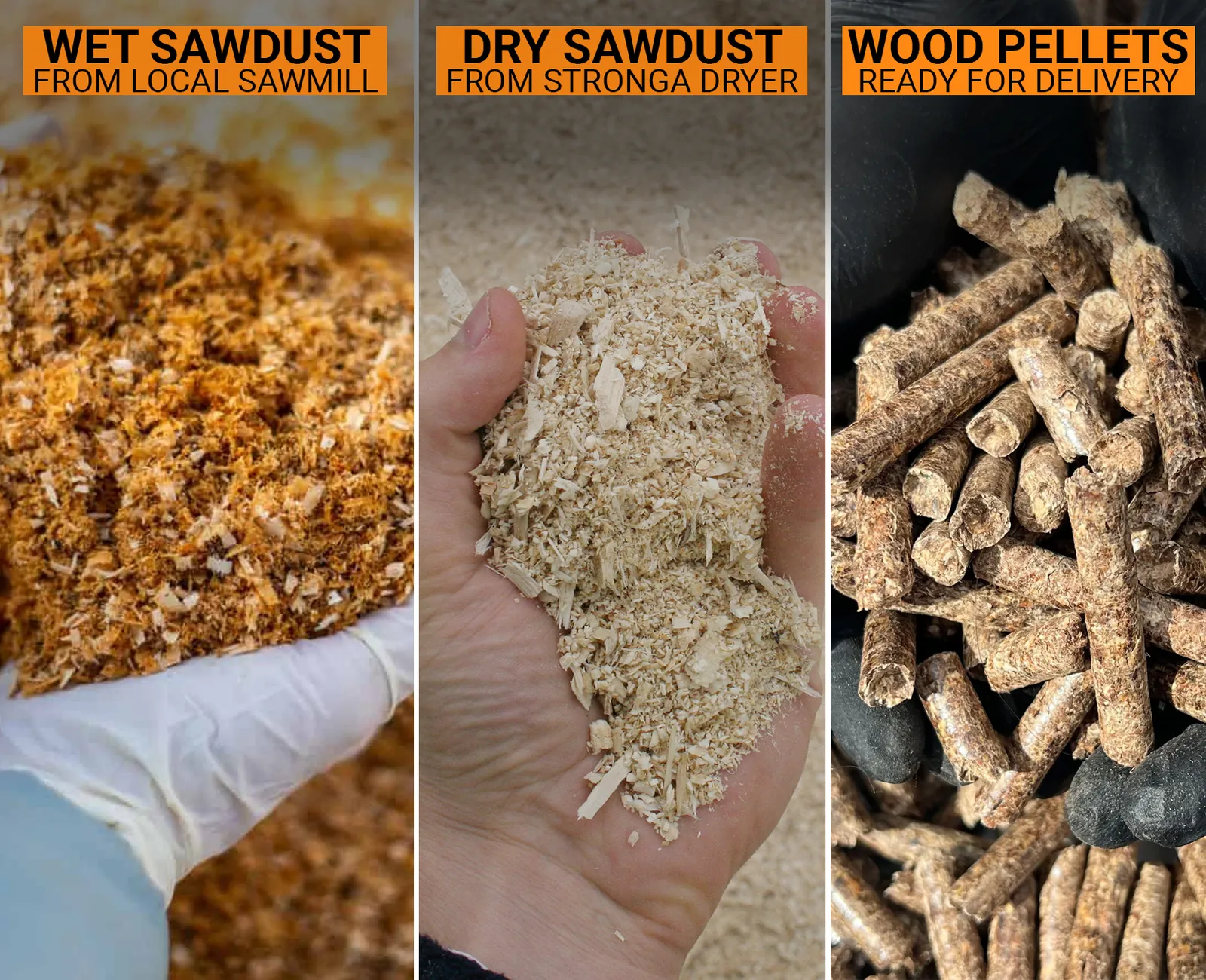
To remove moisture from your sawdust, you must maximize the surface area exposed to dry air or heat. The primary mechanism is evaporation; therefore, spreading the material thin is the most fundamental step regardless of the technology used. If you’re dealing with small quantities from a home workshop, simple air-drying techniques will suffice. For large-scale operations, such as pellet production or biomass heating, more aggressive thermal methods are necessary to reach the target moisture content of below 15 percent.
Preparing the Material
Before beginning the drying process, clear the area of any contaminants like metal shavings, plastic, or oily rags. These items don’t dry and can become fire hazards or damage machinery if you later attempt to compress the sawdust into fuel logs.
Use a coarse screen to sift out large wood chips, which hold moisture longer than fine sawdust. Separating the particles by size ensures that your final batch dries evenly, preventing the frustration of having some parts bone-dry while others remain damp.
What Are the Best Drying Methods?
Selecting the right method depends on your volume and available infrastructure. The following table outlines the most common approaches used by hobbyists and small-scale operations.
| Method | Speed | Cost | Best For |
|---|---|---|---|
| Air Drying | Very Slow | Low | Small batches |
| Solar Drying | Moderate | Low-Medium | Garden mulch |
| Forced Air | Fast | Medium | Heating fuel |
| Tumble Drying | Very Fast | High | Industrial use |
Utilizing Passive Solar Drying
Solar drying is an excellent intermediate step for those who want faster results than air drying without the high energy costs of a kiln. By constructing a simple shallow tray with a clear polycarbonate lid, you create a greenhouse effect that traps heat and forces moisture out of the wood fibers.
This setup works best during peak daylight hours. Ensure the lid has small vents at the top to allow humid air to escape, otherwise, the moisture will simply condense back onto the sawdust.
Solar exposure is the key factor here. Place your drying trays in an area that receives direct sunlight for at least eight hours a day. Using a dark-colored tray, such as black plastic or painted metal, will help absorb additional thermal energy, further accelerating the evaporation process.
Is Forced Air Drying Necessary?

If you’re processing large volumes of sawdust for use in a wood pellet stove, air drying alone is rarely sufficient. Forced air drying involves using a high-volume fan to push air through a perforated floor or a container of sawdust. This constant movement of air prevents the humidity levels from stagnating near the surface of the wood particles.
Warning: When forcing air through large piles of sawdust, ensure the airflow is consistent throughout the entire volume. Dead spots in the pile can become breeding grounds for mold or, in extreme cases, lead to internal heating due to biological decomposition.
Industrial Tumble Drying Systems
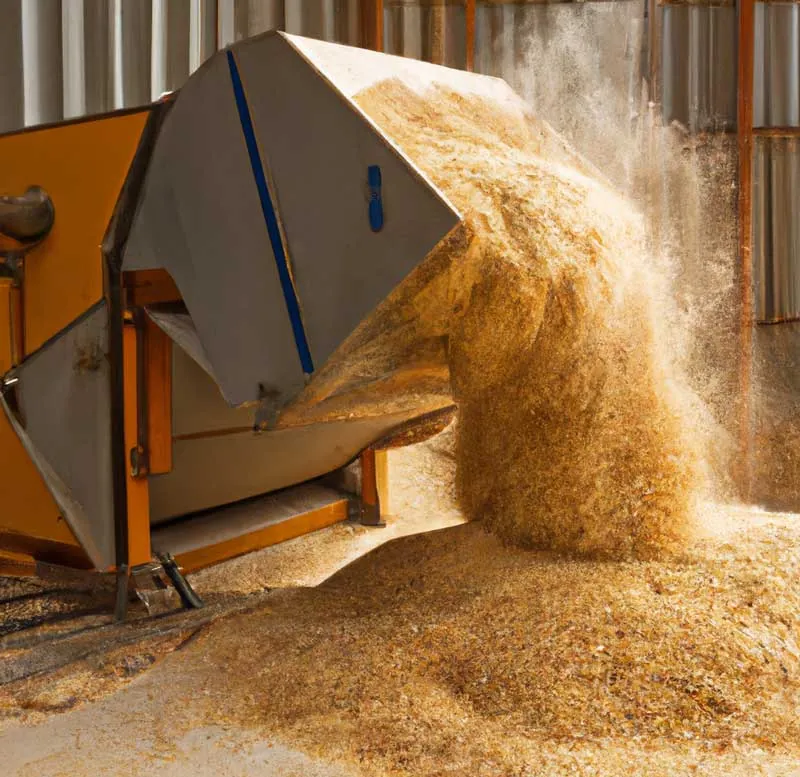
For those looking to process sawdust commercially, rotary drum dryers are the industry standard. These machines consist of a large, rotating cylinder that lifts and drops the sawdust through a stream of hot air. This constant agitation exposes every particle to the heat, resulting in extremely uniform moisture levels. While these systems are highly efficient, they require significant capital investment and a reliable fuel source to heat the air.
Rotary agitation provides the most consistent output quality. These systems are often paired with cyclone separators to collect the dried material while exhausting the moisture-laden air outside. If you’re considering this route, ensure your facility meets local fire safety codes, as fine sawdust suspended in air can pose a significant explosion risk.
Managing Fire Safety Hazards
One of the most critical aspects of handling large quantities of sawdust is understanding the risks associated with heat and moisture. According to the Occupational Safety and Health Administration, combustible dust can present a severe explosion hazard if not managed with proper ventilation and housekeeping. When sawdust is stored in large, damp piles, it can undergo exothermic reactions, where biological activity generates internal heat.
- Keep storage areas clean and free of ignition sources.
- Use explosion-proof electrical equipment in dusty environments.
- Monitor internal pile temperatures regularly with a probe thermometer.
- Ensure adequate airflow around and through storage containers.
Optimizing Storage After Drying
Once your sawdust is dry, you must protect it from the environment. Dry sawdust is hygroscopic, meaning it will readily absorb moisture from the surrounding air if left uncovered. Use moisture-resistant containers like sealed plastic drums or heavy-duty polyethylene bags. If you’re storing the material in a shed, keep it off the concrete floor using wooden pallets, as concrete often wicks moisture from the ground.
Moisture control relies on maintaining a dry environment. If you notice the sawdust clumping together after it has been dried, it’s an indicator that your storage method is failing and the material is re-absorbing water.
Comparing Drying Techniques
When choosing a strategy, consider the total time investment versus the quality of the final product.
- Air Drying: Best for mulch or animal bedding where 20-30% moisture is acceptable.
- Solar Drying: Ideal for garden compost additives or small-scale heating.
- Forced Air: Necessary for high-efficiency stoves or pellet manufacturing.
- Mechanical Drying: Essential for commercial production lines where speed is the priority.
Always start with the simplest method before investing in equipment. If your needs are small, you might find that spreading the sawdust on a tarp in a breezy, shaded area provides enough drying over a few days to meet your requirements without any specialized tools.
Troubleshooting Common Drying Issues
If you find that your sawdust isn’t drying as expected, check your environmental conditions. High humidity levels in your workspace can stall the evaporation process entirely. In such cases, you may need to move your drying operation to a climate-controlled room or a dehumidified space.
Why is my sawdust still wet?
- Saturation: The sawdust might be too thick; spread it into a thinner layer.
- Humidity: Ambient air is too wet to absorb more moisture; use a dehumidifier.
- Compaction: The pile is too dense; turn it over frequently to expose new surfaces.
- Resin content: Some woods, like pine, hold moisture in resins that require higher temperatures to release.
Frequently Asked Questions
How long does it take to air dry sawdust?
Air drying time depends heavily on the ambient temperature, humidity, and the depth of the sawdust layer. In warm, dry weather with a thin layer of two inches, sawdust can reach a usable moisture level in three to five days. In cool or humid climates, this process can take two weeks or longer. Always use a moisture meter to verify the dryness before storing it in sealed containers.
Can I use a microwave to dry small amounts?
Yes, you can use a microwave for small, test-sized batches of sawdust, but you must be extremely careful. Use a low power setting and heat in short 30-second bursts, stirring in between to prevent scorching. Never leave the microwave unattended, as dry sawdust can ignite very quickly. This method isn’t practical for large volumes but works well for verifying the moisture content of a sample.
Does the species of wood affect drying time?
Yes, the wood species significantly impacts how quickly sawdust releases water. Hardwoods like oak and maple are denser and often retain moisture longer than softwoods like pine or cedar. Furthermore, the resin content in softwoods can act as a barrier to evaporation. If you’re working with a mix of species, expect a longer drying time to ensure the denser particles are fully processed.
What is the ideal moisture content for burning?
For most wood-burning appliances, including pellet stoves and wood boilers, the ideal moisture content for sawdust is between 10 and 15 percent. If the moisture is higher than 20 percent, the energy produced during combustion is wasted on evaporating the remaining water, leading to lower heat output, excessive smoke, and the buildup of creosote in your chimney, which increases the risk of a flue fire.
Is kiln drying necessary for sawdust?
Kiln drying is only necessary if you’re manufacturing professional-grade wood pellets or high-quality compressed logs. For home use, such as garden mulch, animal bedding, or DIY firewood projects, air or solar drying is usually sufficient. Kiln drying provides consistency and speed that hobbyists rarely need, and the high energy costs associated with running a kiln often outweigh the benefits for small-scale operations.
Conclusion
To begin the drying process, start by spreading a small sample of your sawdust on a flat, non-porous surface in a well-ventilated area to monitor how quickly the moisture dissipates under your local environmental conditions. By observing this initial trial, you can determine if passive air drying is sufficient or if you need to construct a solar collector to accelerate the evaporation rate.