
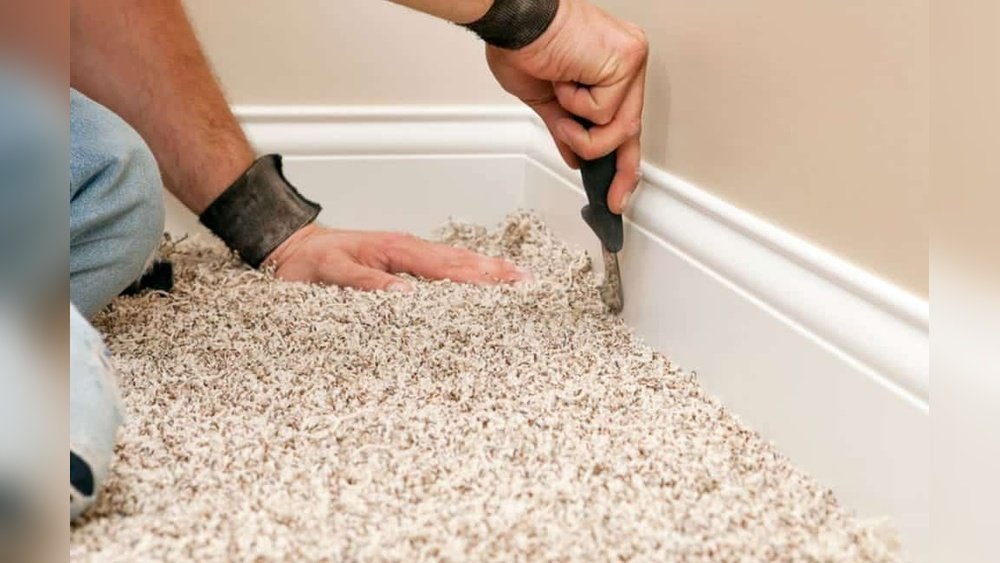
The fresh scent of new carpet can be a welcome signal of a home improvement project completed. It evokes feelings of cleanliness, new beginnings, and a beautifully updated living space. However, for many homeowners, this initial pleasant aroma quickly turns into a lingering, sometimes overwhelming, chemical odor that can detract from the enjoyment of their new flooring.
Understanding why this smell occurs and, more importantly, how long it typically lasts is crucial for managing expectations and ensuring a healthy indoor environment.
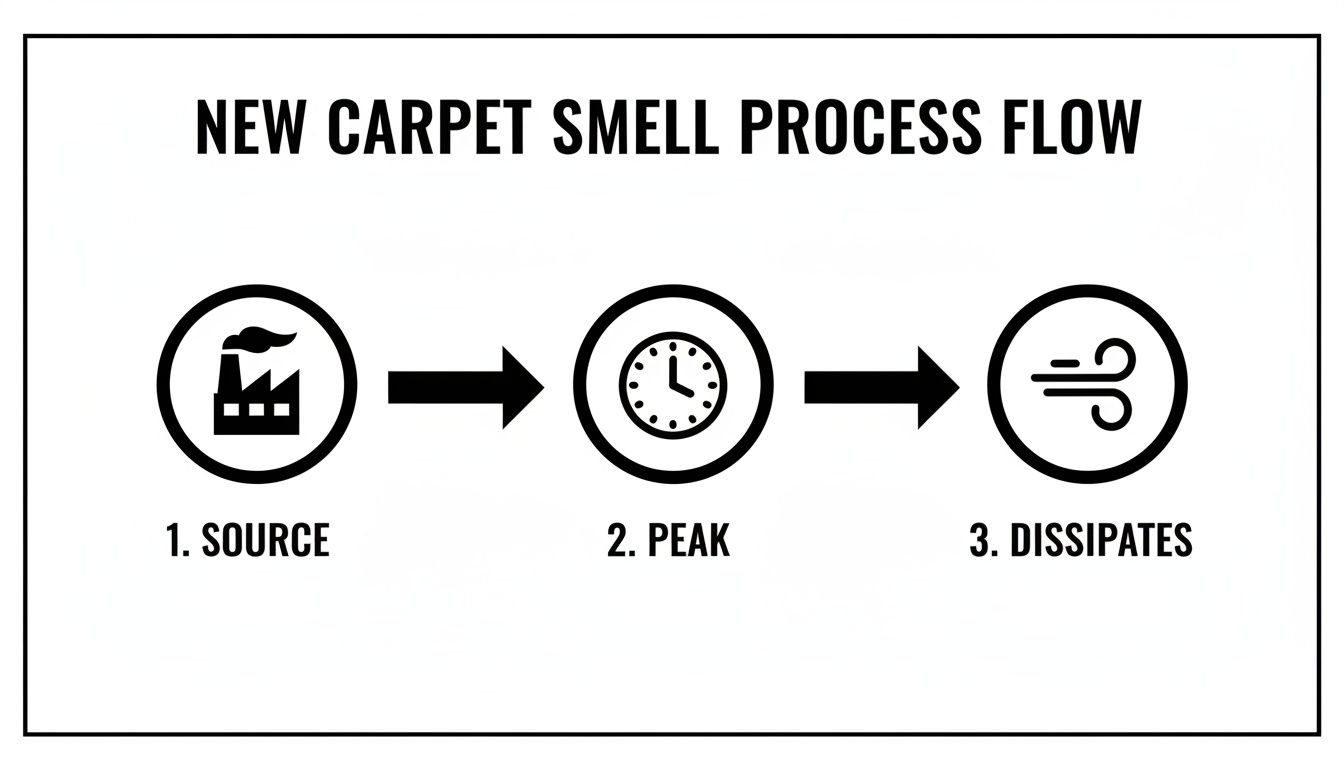
This pervasive smell is often attributed to Volatile Organic Compounds (VOCs), chemicals released from the carpet fibers, backing, adhesives, and installation materials. While manufacturers are increasingly focusing on low-VOC options, many carpets still contain these compounds. The rate at which these VOCs dissipate is influenced by a variety of factors, from the materials used in the carpet to the ventilation in your home.
This article aims to provide a comprehensive guide to understanding and mitigating the new carpet smell, offering practical advice and insights to help you breathe easier in your refreshed space.
Key Takeaways
- New carpet smell is primarily caused by VOCs released from materials like synthetic fibers, adhesives, and backing.
- The typical duration for the smell to fade is between 24 hours and 2 weeks, but can extend longer in some cases.
- Factors influencing smell duration include carpet material, adhesive type, installation quality, and home ventilation.
- Low-VOC or eco-friendly carpets can significantly reduce or eliminate strong odors.
- Proper ventilation is the most effective method for dissipating the smell.
- Air purifiers and natural methods can help accelerate the process.
- Always check manufacturer guidelines for specific recommendations.
Understanding The Source Of New Carpet Smell
The distinct odor associated with new carpet is not merely a fragrance; it’s a chemical signature. This smell is primarily a result of Volatile Organic Compounds (VOCs) being released into the air. VOCs are organic chemicals that have a high vapor pressure at ordinary room temperature, meaning they readily evaporate and can become airborne. When you install new carpet, these compounds are off-gassed from various components of the carpet system.
What Are Volatile Organic Compounds (vocs)?
VOCs encompass a wide range of chemicals, many of which are commonly found in household products, building materials, and furnishings. In the context of carpeting, the main culprits include:
- Carpet Fibers: Synthetic fibers like nylon, polyester, and polypropylene can contain residual chemicals from their manufacturing process. Even natural fibers, if treated with dyes or finishes, can contribute.
- Carpet Backing: The underside of the carpet, often made from materials like polypropylene or jute, can be treated with latex or other adhesives that emit VOCs.
- Adhesives and Glues: The glues used to bind carpet fibers to the backing and the adhesives used to secure the carpet to the floor are significant sources of VOCs, particularly formaldehyde and styrene.
- Dyes and Treatments: Chemicals used in dyeing and stain-proofing treatments can also release VOCs.
The specific blend and concentration of these VOCs will vary greatly depending on the manufacturer, the type of carpet, and the quality of the materials used. Manufacturers are increasingly developing low-VOC or zero-VOC carpets to address health and environmental concerns, but many standard options still contain these compounds.
Common Vocs Found In Carpets
While the exact chemical makeup is proprietary, some of the commonly identified VOCs found in new carpets include:
- Formaldehyde: A known irritant and carcinogen, often used in adhesives and as a preservative.
- Styrene: Used in the production of synthetic fibers and latex backing.
- Toluene: A solvent that can be found in adhesives and dyes.
- Xylene: Similar to toluene, used as a solvent.
- 4-PC (4-Phenylcyclohexene): A VOC specifically associated with latex-based carpet backing.
The presence and concentration of these chemicals directly impact the intensity and duration of the new carpet smell.
Credit: flacksflooring.com
How Long Does The Smell Typically Last?
The question on most people’s minds is: when will this smell go away? The timeframe for new carpet smell to dissipate is not a single, fixed period. It’s a range, influenced by numerous factors. However, a general expectation can be set.
The General Timeframe
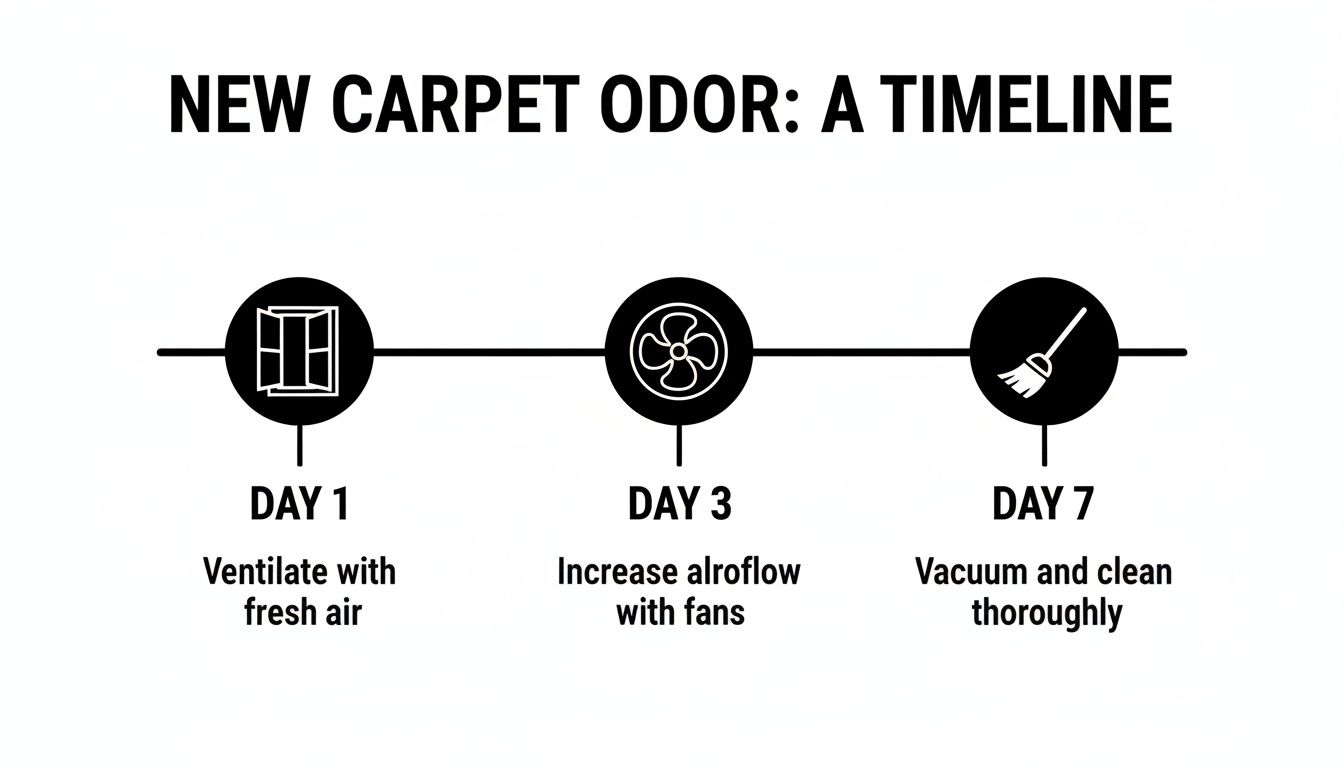
In most cases, the new carpet smell will significantly fade within 24 to 72 hours. For many homeowners, the odor becomes barely noticeable after a few days. A more extended period of up to two weeks is also common for the smell to completely disappear to the point where it’s no longer detectable by most people.
However, it’s not unheard of for the smell to linger longer. In some instances, particularly with cheaper carpets or those installed in poorly ventilated spaces, the odor can persist for several weeks or even a couple of months. This prolonged smell is often a sign of higher VOC emissions.
Factors Influencing Smell Duration
Several variables play a critical role in how quickly the VOCs off-gas and the smell dissipates:
- Carpet Material and Quality: Carpets made from natural fibers like wool tend to have less of a chemical smell than synthetic counterparts. Higher quality synthetic carpets may also use lower-VOC manufacturing processes.
- Adhesives and Backing: The type and amount of adhesive used in the carpet backing and for installation are major contributors. Latex-based backings, for example, are known to release 4-PC.
- Installation Method: If carpet tiles are used, the adhesive strips or spray used can also emit VOCs. Wall-to-wall carpeting often involves tack strips and potentially adhesive in seams, which can contribute.
- Home Ventilation: This is arguably the most significant factor. A well-ventilated home allows fresh air to circulate, carrying away VOCs. A poorly ventilated home traps these odors.
- Temperature and Humidity: Higher temperatures can accelerate the release of VOCs, making the smell stronger initially. High humidity can also sometimes trap odors.
- Room Size and Airflow: Larger rooms with better natural airflow will dissipate odors faster than smaller, enclosed spaces.
When To Be Concerned
While a lingering smell is common, an extremely strong, persistent odor that doesn’t diminish after a few weeks, or one that causes immediate health symptoms like headaches, nausea, or respiratory irritation, warrants further investigation. This could indicate unusually high VOC levels, necessitating a discussion with the carpet manufacturer or installer.
Credit: flacksflooring.com
Strategies To Speed Up The Smell Dissipation
Waiting for the new carpet smell to fade naturally is the simplest approach, but if you’re eager to enjoy your new flooring without the chemical aroma, several strategies can help accelerate the process. These methods focus on increasing airflow, absorbing odors, and neutralizing VOCs.
Maximizing Ventilation
The most effective way to get rid of any lingering smell is through consistent and robust ventilation. The goal is to replace the indoor air, which contains VOCs, with fresh outdoor air.
- Open Windows and Doors: As much as weather and security permit, open windows and doors in the room with the new carpet and in adjacent areas to create cross-ventilation. Do this daily, especially during the first few days after installation.
- Use Fans: Place fans strategically to enhance airflow. Box fans placed in windows can help draw fresh air in or push stale air out. Ceiling fans can help circulate air throughout the room.
- Run Exhaust Fans: Utilize bathroom and kitchen exhaust fans to pull air out of the house.
- Consider HVAC System: If your HVAC system has a fresh air intake, ensure it’s operational. Running the fan on your HVAC system (without heating or cooling) can also help circulate air.
Air Purifiers And Filtration
Air purifiers equipped with activated carbon filters are highly effective at removing VOCs and other airborne pollutants.
- Activated Carbon Filters: These filters contain porous carbon that adsorbs (traps) VOC molecules from the air. Look for air purifiers specifically advertised as effective against chemical fumes or VOCs.
- Placement: Place the air purifier in the room with the new carpet and run it continuously, especially during the initial days.
- HEPA Filters: While HEPA filters are excellent for trapping particulate matter like dust and allergens, they are less effective against gases and odors. However, many purifiers combine HEPA with activated carbon, offering a dual benefit.
Natural Odor Absorbers
Certain natural materials are known for their ability to absorb odors from the air. While they may not be as potent as activated carbon filters, they can provide a supplementary benefit.
- Baking Soda: Place open boxes or bowls of baking soda around the room. Baking soda is a well-known odor absorber. Replace it every few days.
- Activated Charcoal: Similar to activated carbon filters, loose activated charcoal (available in pouches or briquettes) can be placed in bowls to absorb odors.
- Vinegar: While vinegar itself has a strong smell, it can help neutralize other odors. Place bowls of white vinegar in the room. The vinegar smell will dissipate relatively quickly once removed.
- Houseplants: Some houseplants are known for their air-purifying qualities, potentially helping to filter certain VOCs. Examples include Spider Plants, Snake Plants, and Peace Lilies. However, their impact on strong chemical odors from new carpet is likely minimal compared to ventilation or purifiers.
Cleaning And Maintenance
Regular cleaning can also help remove any residual VOCs that might be settling on the carpet surface.
- Vacuuming: Frequent vacuuming helps remove loose particles and can aid in air circulation within the carpet pile. Ensure your vacuum has a good filter.
- Light Cleaning (with caution): Some sources suggest a very light cleaning with a mild detergent solution or a mixture of water and white vinegar. Always test any cleaning solution on an inconspicuous area first, as it could potentially affect the carpet’s color or texture. Ensure the carpet dries thoroughly afterward, as moisture can exacerbate odor issues or lead to mold.
Manufacturer Recommendations
Always refer to the carpet manufacturer’s specific care and maintenance instructions. They may have recommendations for initial airing out or specific cleaning products to use or avoid. Some manufacturers offer specialized carpet cleaners designed to break down or neutralize VOCs.

Credit: flacksflooring.com
Comparing Carpet Types And Their Odor Potential
The type of carpet you choose significantly impacts the initial smell and how long it lingers. Understanding the differences between synthetic and natural fibers, as well as the backing materials, can help you make a more informed decision if odor is a primary concern.
Synthetic Carpets
Synthetic carpets, such as nylon, polyester, and olefin (polypropylene), are popular due to their durability, stain resistance, and affordability. However, they are also more prone to off-gassing VOCs.
- Nylon: Generally considered durable and resilient. Some nylon carpets, especially those with certain treatments or backing systems, can have a noticeable smell.
- Polyester: Often softer than nylon and can be made from recycled materials (PET). Polyester carpets can release VOCs, particularly if they have a latex backing.
- Olefin (Polypropylene): Highly resistant to moisture and staining, making it a good choice for high-traffic areas. Olefin itself has low toxicity, but the dyes and backing can be sources of VOCs.
Natural Fiber Carpets
Carpets made from natural fibers like wool, jute, or sisal are often perceived as more eco-friendly and may have a different type of odor, or less of a chemical one.
- Wool: A premium choice known for its softness, durability, and natural flame resistance. Wool carpets generally have a much milder, often earthy smell compared to synthetics. However, some wool carpets may be treated with anti-stain or moth-proofing chemicals that can emit VOCs.
- Jute and Sisal: These are natural plant-based fibers that offer a distinct texture. They typically have a more natural, plant-like aroma rather than a chemical one. However, they can be more prone to staining and wear.
Carpet Backing Materials
The backing is a critical component that holds the carpet fibers together and provides stability. It’s a significant source of VOCs.
- Latex Backing: Often made from natural or synthetic rubber latex, this is a common backing material. It is known to be a primary source of the VOC 4-PC, which has a distinct chemical odor.
- Polyurethane Backing: Can be more durable and offer better stain resistance than latex. Its VOC emissions vary by formulation.
- ActionBac® (Polypropylene): A woven polypropylene primary backing, often used in commercial carpets. It’s generally considered to have lower VOC emissions than latex.
Low-voc And Eco-friendly Options
Many manufacturers now offer “low-VOC” or “zero-VOC” certified carpets. These products have been tested and meet specific standards for chemical emissions, such as those set by the Carpet and Rug Institute (CRI) Green Label Plus program. Opting for these certified carpets can drastically reduce or even eliminate the new carpet smell. When shopping, look for these certifications and inquire about the backing materials and adhesives used.
Data Table: Common Carpet Materials And Potential Odor Factors
Here’s a comparison of common carpet materials and their typical odor-related characteristics:
| Carpet Material | Primary Odor Source | Typical Odor Intensity | Typical Smell Duration | Notes |
|---|---|---|---|---|
| Nylon (Synthetic) | Manufacturing residues, dyes, backing, adhesives | Moderate to High | 1-2 weeks | Durability varies by type. Look for low-VOC certifications. |
| Polyester (Synthetic) | Manufacturing residues, dyes, backing (especially latex), adhesives | Moderate | 1-2 weeks | Often softer. PET options are eco-friendlier but can still off-gas. |
| Olefin (Polypropylene) | Dyes, backing, adhesives | Moderate | 1-2 weeks | Moisture resistant. Odor primarily from non-fiber components. |
| Wool (Natural) | Natural lanolin, treatments, dyes, backing | Low to Moderate (earthy/mild) | A few days to 1 week | Generally less chemical smell. Treatments can add VOCs. |
| Latex Backing | 4-PC, other VOCs | High | 1-3 weeks (can be longer) | Common in many synthetic carpets. |
| Polyurethane Backing | Formulation-dependent VOCs | Low to Moderate | 1-2 weeks | Can offer enhanced durability. |
Real-world Examples And Case Studies
To illustrate the variability of new carpet smell duration, consider these hypothetical scenarios based on common homeowner experiences.
Example 1: The Quick Fade
Sarah and Tom recently had a mid-range nylon carpet installed in their living room. They chose a carpet with a CRI Green Label Plus certification, hoping to minimize odors. After installation, there was a faint chemical smell. They diligently opened their windows for several hours each day for the first three days and used their ceiling fan.
By the end of the first day, the smell was barely noticeable. By day three, they couldn’t detect it at all. Their experience highlights the effectiveness of low-VOC certified products combined with good ventilation.
Example 2: The Persistent Odor
Maria and David opted for a budget-friendly polyester carpet with a standard latex backing for their basement den. Due to the basement’s limited window access, ventilation was poor. Immediately after installation, a strong chemical odor filled the space. They opened the basement windows when possible and ran a portable air conditioner with a fan, but the smell persisted.
After two weeks, the odor had lessened considerably but was still detectable, especially when the weather was warm. They eventually purchased an air purifier with an activated carbon filter, which helped significantly reduce the smell over the next month. This case demonstrates how lower-quality materials and poor ventilation can lead to a longer-lasting odor.
Example 3: The Natural Aroma
The Chen family chose a 100% wool carpet with a simple felt backing for their master bedroom. The carpet had a subtle, natural scent, not a strong chemical one. They aired out the room for a day before sleeping in it.
The natural aroma was present for about two days and then dissipated entirely, leaving no chemical trace. This exemplifies how natural fiber carpets, especially those with simpler backings, often have a much shorter and less offensive smell duration.
Health Considerations Associated With New Carpet Smell
While the smell itself might be an annoyance, the underlying VOCs can also pose health risks, especially for sensitive individuals. Understanding these risks is important for taking appropriate precautions.
Vocs And Indoor Air Quality
The Environmental Protection Agency (EPA) identifies VOCs as significant contributors to poor indoor air quality. Prolonged exposure to elevated levels of certain VOCs can lead to a range of health issues.
Potential Health Effects
Short-term exposure to VOCs can cause:
- Headaches
- Nausea
- Dizziness
- Irritation to the eyes, nose, and throat
Longer-term or higher-level exposure to specific VOCs has been linked to more serious health problems, including:
- Damage to the liver, kidneys, and central nervous system
- Respiratory problems, such as asthma exacerbation
- Certain types of cancer (e.g., formaldehyde is classified as a human carcinogen)
Sensitive Populations
Certain groups are more vulnerable to the effects of VOCs:
- Infants and Children: Their developing bodies are more susceptible to the harmful effects of toxins.
- Elderly Individuals: May have pre-existing health conditions that are aggravated by VOC exposure.
- Individuals with Respiratory Conditions: People with asthma, allergies, or other breathing difficulties can experience exacerbated symptoms.
- Individuals with Chemical Sensitivities: Some people have heightened sensitivities to chemicals and may experience adverse reactions even at low concentrations.
Recommendations For Sensitive Individuals
If you or someone in your household falls into a sensitive category, it is highly recommended to:
- Choose Low-VOC or Zero-VOC Carpets: Prioritize carpets certified by reputable organizations like CRI Green Label Plus.
- Ventilate Extensively: Maximize airflow for an extended period after installation.
- Use Air Purifiers: Employ high-quality air purifiers with activated carbon filters.
- Consider Alternative Flooring: If possible, explore options like hardwood, tile, or natural linoleum, which generally have lower VOC emissions.
- Consult Professionals: If you have severe sensitivities or health concerns, consult with an allergist, environmental health specialist, or your physician before installing new carpeting.
Frequently Asked Questions
What Is The Fastest Way To Get Rid Of New Carpet Smell?
The fastest way is through aggressive ventilation. Open windows and doors as much as possible to create strong cross-breezes. Use fans to enhance airflow, pushing stale air out and drawing fresh air in. Running your HVAC system’s fan can also help circulate air.
Combining this with an air purifier equipped with an activated carbon filter will further accelerate the removal of VOCs.
Can New Carpet Smell Make Me Sick?
While the smell itself is an indicator of VOCs, mild exposure from typical new carpet installation is unlikely to cause serious long-term illness. However, short-term exposure can lead to symptoms like headaches, nausea, and respiratory irritation, especially in sensitive individuals.
If you experience severe or persistent symptoms, it’s advisable to increase ventilation, consider an air purifier, and consult a healthcare professional. Choosing low-VOC carpets can significantly mitigate these risks.
Is The Smell Of New Carpet Harmful?
The smell is caused by Volatile Organic Compounds (VOCs), some of which can be harmful with prolonged or high-level exposure. While the immediate smell is usually an irritant, certain VOCs like formaldehyde are classified as carcinogens. The level of risk depends on the concentration of VOCs, the duration of exposure, and individual sensitivity.
Manufacturers are increasingly offering low-VOC options to reduce potential harm.
Should I Leave My House After New Carpet Installation?
It is not strictly necessary to leave your house unless you or family members experience significant discomfort or adverse health reactions to the smell. However, maximizing ventilation by keeping windows open and using fans is highly recommended. If the smell is very strong and causes concern, spending less time in the newly carpeted area and ensuring good airflow can help.
For highly sensitive individuals, temporarily relocating might be considered for the first few days.
How Can I Tell If My Carpet Has A Low-voc Rating?
Look for certifications from reputable organizations. The Carpet and Rug Institute (CRI) offers the Green Label Plus (GLP) program, which certifies carpets that meet stringent indoor air quality standards for VOC emissions. Many manufacturers will clearly advertise if their products meet these or similar standards (e.g., FloorScore® certification). Always check product specifications or ask the retailer or manufacturer directly about VOC content and certifications.