
A rotten-egg smell in your house usually means a gas leak or a plumbing problem, and you should treat it as urgent until you know which one it is. House smells like rotten eggs most often comes from one of two places: natural gas, which utility companies give a sulfur odor so you can notice it, or sewer gas escaping through a dry drain or a cracked pipe. Both smell similar, but they aren’t the same problem, and the first thing you do next depends on which one you have.
Why your house smells like rotten eggs

One lead sentence names every item this page covers, then a table matches each cause to what it’s best for.
| Cause | Best for identifying | Common example |
|---|---|---|
| Natural gas leak | Strong sulfur smell near gas appliances or pipes | Stove left on without a flame |
| Dry drain trap | Smell from one sink, shower, or floor drain | Guest bathroom unused for weeks |
| Sewer line problem | Smell across several drains at once | Tree roots in the main sewer line |
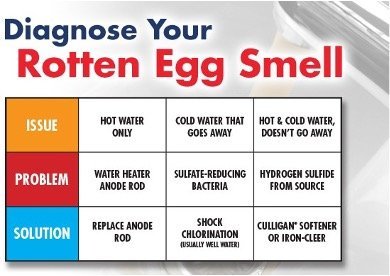
| Water heater anode rod | Smell only from hot water taps | Magnesium rod reacting with water |
| Well water bacteria | Smell only in homes on private wells | Sulfur bacteria in groundwater |
| Drywall off-gassing | Smell from walls, worse in warm rooms | Imported drywall in newer homes |
Natural gas leak
A natural gas leak is gas escaping from a pipe, appliance, or fitting inside your home. Utility companies add a sulfur odorant so people can notice it before it builds to a dangerous level. It suits anyone with gas service, and it’s the only cause on this list that can explode.
- It warns you with a strong, sudden rotten-egg smell.
- It often appears near stoves, water heaters, furnaces, or gas meters.
- It can make you feel dizzy or nauseous if it builds up.
A concrete example: you walk into the kitchen and smell sulfur right beside the stove, and you notice one burner knob was left on but no flame is lit.
If X, do A; if Y, do B. If the smell is strong, near a gas appliance, or you can’t tell where it comes from, leave the house right away and call your gas utility or emergency services from outside. If the smell is faint and only at one drain, you can check that drain yourself first.
Dry drain trap

A dry drain trap is a U-shaped pipe under a sink, shower, or floor drain that has lost its water seal. It occurs in homes with a bathroom or drain left stagnant for weeks or months. Unlike a gas leak that permeates an entire house, this odor stays localized to the specific room where the fixture sits.
If you smell sulfur in a guest bathroom but not in the kitchen, check the floor drain or shower first. Pour one quart of water into the drain to replenish the trap. If the smell persists after an hour, the issue is likely a cracked vent pipe rather than a dry trap.
People often mistakenly dump harsh chemicals down these drains to mask the scent. This is a waste of money that can damage older plumbing seals. If you plan to leave a home for a long trip, pour two tablespoons of mineral oil into the drain to prevent evaporation.
Sewer line problem
A sewer line problem is a break, blockage, or vent issue in the pipe that carries waste out of your house. It most often plagues homes built before 1970, where clay pipes have become brittle or infiltrated by aggressive tree roots.
If you notice a foul odor, check your basement floor drain first. If that drain is dry, pour a gallon of water into it to seal the trap. If the smell persists after the trap is full, the issue is likely a breach in the main line.
This problem differs from a localized clog because it affects multiple fixtures simultaneously. When the main line is obstructed, the air pressure has nowhere to go. Consequently, flushing a toilet often forces air back through the sink or shower drains. If you hear gurgling in the bathtub while the washing machine drains, you’re dealing with a main line blockage that requires professional hydro-jetting rather than a simple plunger.
Water heater anode rod
A water heater anode rod is a sacrificial metal rod inside your tank that protects the steel walls from rust. It functions by corroding itself instead of the tank lining. If you notice a sulfurous, rotten egg smell only when running hot water, the rod is likely reacting with sulfate-reducing bacteria.
Test your water by filling two glasses: one from the cold tap and one from the hot. If the cold water is odorless but the hot water reeks, your anode rod is the culprit.
Most homeowners make the mistake of replacing the entire water heater when a simple rod swap would suffice. A magnesium rod is common, but if your water is high in sulfur, switch to an aluminum or zinc alloy rod to neutralize the odor. If the smell persists after the swap, flush the tank with a hydrogen peroxide solution to kill the remaining bacteria. This simple maintenance can significantly extend your tank’s lifespan.
How to choose between them

The right cause depends on where the smell is, when it happens, and what you already have in your home. These three things about you settle which item above is yours:
- If you have gas service and the smell is near a stove, furnace, or water heater, treat it as a natural gas leak first.
- If the smell is at one unused drain, it’s likely a dry trap.
- If several drains smell at once or the water smells only when hot, look at the sewer line or the water heater rod.
These causes aren’t combined. You pick the one that matches your symptoms, then act on it. A strong gas smell means leaving and calling for help; a single dry drain means running water down it.
Related guides
- Dog Smells Like Fish From Back End: Causes and Solutions
- How to Tell if Wood Is Rotten: Simple Screwdriver Test in 2026
Frequently asked questions
Is a rotten-egg smell in the house dangerous?
It can be. Natural gas is flammable and can build up indoors, so treat any strong sulfur smell as an emergency until you rule it out.
Can I check for a gas leak myself?
No. Don’t flip switches, light matches, or use a phone inside. Leave the house and call your gas utility or emergency services from outside.
How do I fix a dry drain trap?
Run water down the unused drain for about a minute to refill the U-shaped pipe, which blocks sewer gas from rising.
Does the smell only from hot water mean the water heater?
Usually yes. Cold water that smells fine but hot water that smells of sulfur points to the anode rod inside the tank.
When should I call a plumber?
Call a plumber when several drains smell at once, drains gurgle, or running water doesn’t clear the smell from one drain.
Can well water cause this?
Yes. Sulfur bacteria in well water can create the smell, and a water test from your local health department confirms it.
What to do next
Start by deciding where the smell is strongest and whether you have gas appliances. If it’s near gas or you can’t tell, leave and call your gas utility or emergency services from outside.
If the scent originates from one unused drain, pour a gallon of water into the trap to restore the water seal. Expect the odor to fade within ten minutes. If the stench persists, the trap may be damaged or improperly vented.
If several drains smell simultaneously or only the hot water produces an odor, call a plumber. A smell limited to hot water often indicates a failing anode rod in your tank. Replacing this rod costs significantly less than replacing the entire unit. If you ignore this, the sulfurous reaction will eventually corrode your tank, leading to a costly leak.