

Stop all electrical equipment immediately if your house smells like burning, as this is the primary sign that a house smells like burning due to an active electrical fault or overheated component. Turn off the main power at your breaker panel if you suspect a fire is starting. Evacuate all people and pets from the building at once and call emergency services from a safe distance if you see smoke or flames.
Taking emergency action for burning smells
Turn off the main breaker switch immediately to cut power to the entire house. This stops the flow of electricity to potentially arcing wires or failing components.
Unplug any devices that were running when you first noticed the odor. If the smell persists after the power is cut, the issue likely lies within your permanent wiring rather than a single appliance.
Check all visible outlets and light switches for signs of melting, yellowing, or black char marks. If an outlet feels warm to the touch, don’t attempt to unscrew it.
Move to a safe location outside if the smell is strong or getting worse. If you see visible smoke or active flames, call your local fire department from your neighbor’s home. Never re-enter the structure until a professional electrician or fire official confirms it’s safe.
Why electrical hazards create burning odors
A burning smell in your home almost always points to insulation melting, dust burning on heating elements, or loose electrical connections. When wires inside a wall or an appliance get too hot, the plastic coating—known as wire insulation—begins to degrade. This chemical reaction releases a sharp, acrid scent that’s distinct from wood or paper smoke. If the smell is constant, it often means a high-resistance connection is generating heat at a junction box or outlet.
In other cases, the issue isn’t a wiring fault but a build-up of debris on a heating device. Dust, pet hair, or lint often settles on space heaters, oven heating elements, or hair dryers. When these devices turn on, the trapped material burns off, creating a temporary smell.
You can usually tell the difference because the odor from debris will fade after a few minutes of operation, whereas an electrical fault odor will persist or intensify as long as the power is connected. According to the Electrical Safety Foundation International, overloaded circuits are a common cause of home fires, so any persistent burning smell must be treated as a serious fire risk.
Investigating why your house smells like burning
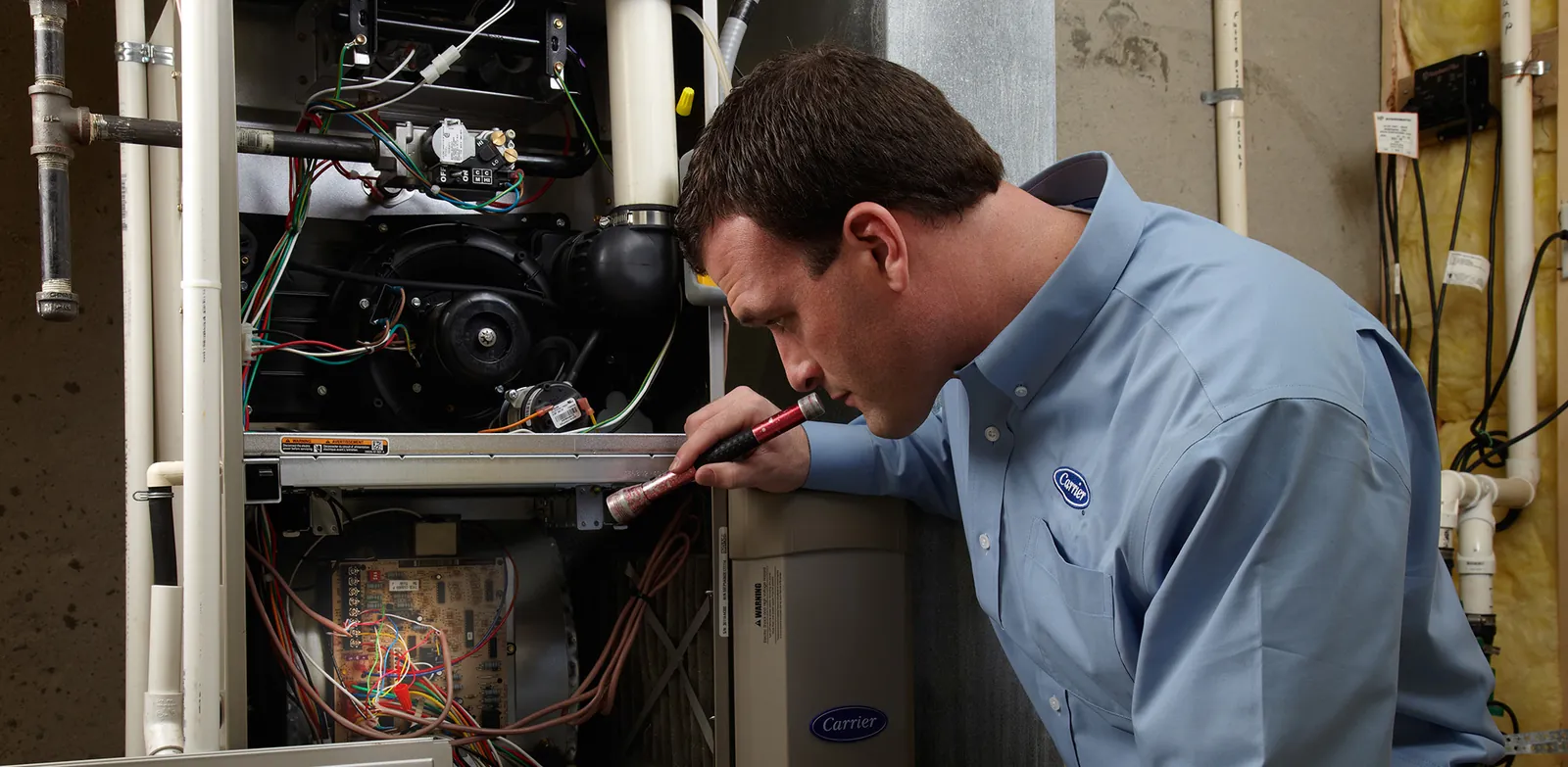
You should prioritize checks based on how much risk they pose and how easy they’re to perform.
Check the circuit breaker panel
Look for tripped breakers or any smell coming directly from the box. A breaker that feels hot to the touch or shows burn marks indicates a serious internal short. Stop here and call a professional if you see this.
Inspect all wall outlets
Check for darkened plastic, melting, or scorch marks around the slots. If an outlet feels warm when you place your hand near it, the wiring behind the wall is likely failing. Don’t plug anything else into this specific outlet.
Examine small portable heaters
Look for dust or fabric trapped against the heating coils or the rear intake vent. If you find debris, unplug the unit and wait for it to cool before removing the material. Never operate a heater that shows visible heat damage to the casing.
Review light fixture connections
Check for flickering bulbs or dark spots on the ceiling surrounding recessed lights. Loose bulb bases cause arcing, which creates heat and a metallic burning smell. Turn the light off and leave it off until you can replace the fixture.
Fixing the underlying electrical problem
The repair for a burning smell depends entirely on whether the source is a faulty appliance or your home’s fixed wiring. If an appliance is the culprit, the most effective fix is to unplug it and stop using it until a qualified technician can inspect the internal wiring.
If the smell comes from an outlet or switch, the repair involves replacing the device and inspecting the wires behind it for heat damage. This is a common point where people make a mistake; they replace the outlet but fail to cut back the damaged, brittle wire ends. If you don’t remove the heat-damaged section of the copper wire, the new outlet will likely fail again within a few weeks due to high resistance.
If the smell persists after you have ruled out all portable devices, the issue is likely inside your walls.
When to call a licensed electrician
If you can’t find a clear source for the smell, or if the odor is coming from inside your walls or the main electrical panel, stop all DIY efforts immediately. These areas require specialized training to avoid the risk of electric shock or hidden fire propagation.
A licensed electrician will use tools like thermal imaging cameras to see heat signatures behind walls without needing to tear them open first. When you call, describe exactly which rooms have the smell and whether it happens only when specific lights or appliances are turned on. This information helps the professional narrow down the specific circuit that’s failing, which saves significant time during the initial diagnostic visit.
Related guides
Frequently asked questions
Is it safe to stay in the house if I smell burning?
It isn’t safe to remain inside if the smell is strong, persistent, or accompanied by visible smoke. If you can’t identify a harmless source like a dusty heater, evacuate the building immediately and contact professional help to ensure the structure isn’t actively catching fire.
How long does it take for a burning smell to go away?
A smell caused by dust burning off a heater will usually disappear within 5 to 10 minutes of the device reaching its operating temperature. If the smell doesn’t vanish after this time, or if it returns later, it’s likely an electrical fault that won’t go away on its own.
Can a burning smell be caused by a bad light bulb?
A burning smell can be caused by a light bulb if the bulb is the wrong wattage for the fixture or if the socket is loose. Check the base of the bulb for signs of melting or charring, and ensure the bulb rating matches the maximum wattage listed on the fixture label.
Does a burning smell always mean there’s a fire?
A burning smell doesn’t always mean there’s an open flame, but it always indicates that something is overheating. While it may be a minor issue like a failing component in a toaster, it’s a precursor to a fire and should never be ignored or left unattended.
How do I know if the burning smell is from the wires?
The smell of burning plastic or ozone is a strong indicator that the insulation on your electrical wires is melting. This often happens inside walls or junction boxes, so if you can’t find an external source, assume the wiring is the problem and turn off the power at the main breaker.
What should I tell the electrician when they arrive?
Tell the electrician exactly which rooms have the smell and list every appliance you were using when you first noticed it. Mention if the lights were flickering or if you heard any popping sounds, as these details help the professional locate the faulty circuit or connection much faster.
Is it okay to reset a tripped breaker if it smells like burning?
It’s never okay to reset a breaker that smells like burning, as this indicates a severe short circuit or an overloaded wire. Resetting the power in this condition can cause the wires to heat up rapidly and lead to a structural fire behind your walls.
Conclusion
If you smell burning, treat the situation as an urgent electrical emergency. Don’t attempt to repair internal wiring or electrical panels yourself, as these tasks require professional expertise and carry significant risks of fire or fatal shock. Shut off the power, clear the area, and contact a licensed electrician who can perform a safe, thorough inspection of your home’s electrical system.