
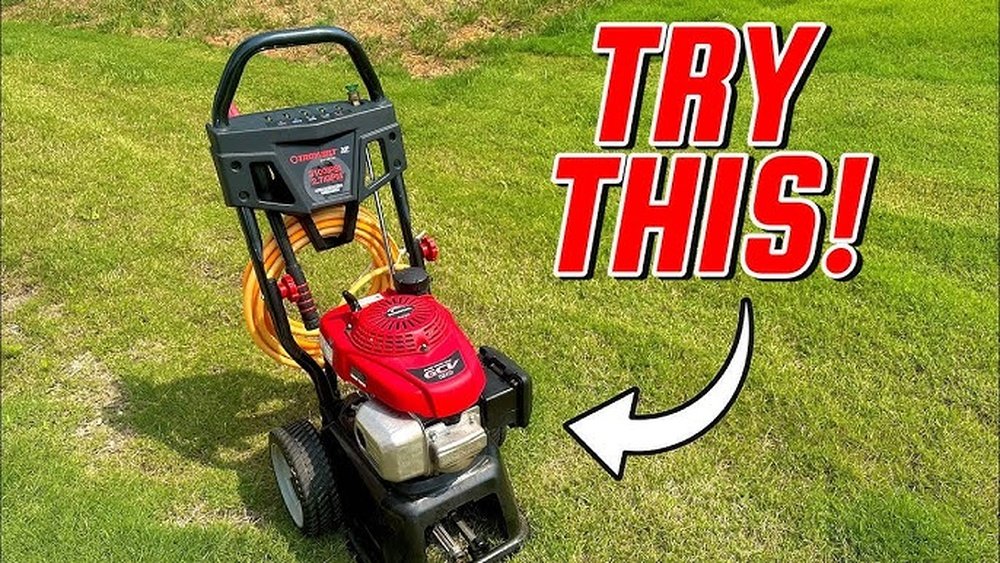
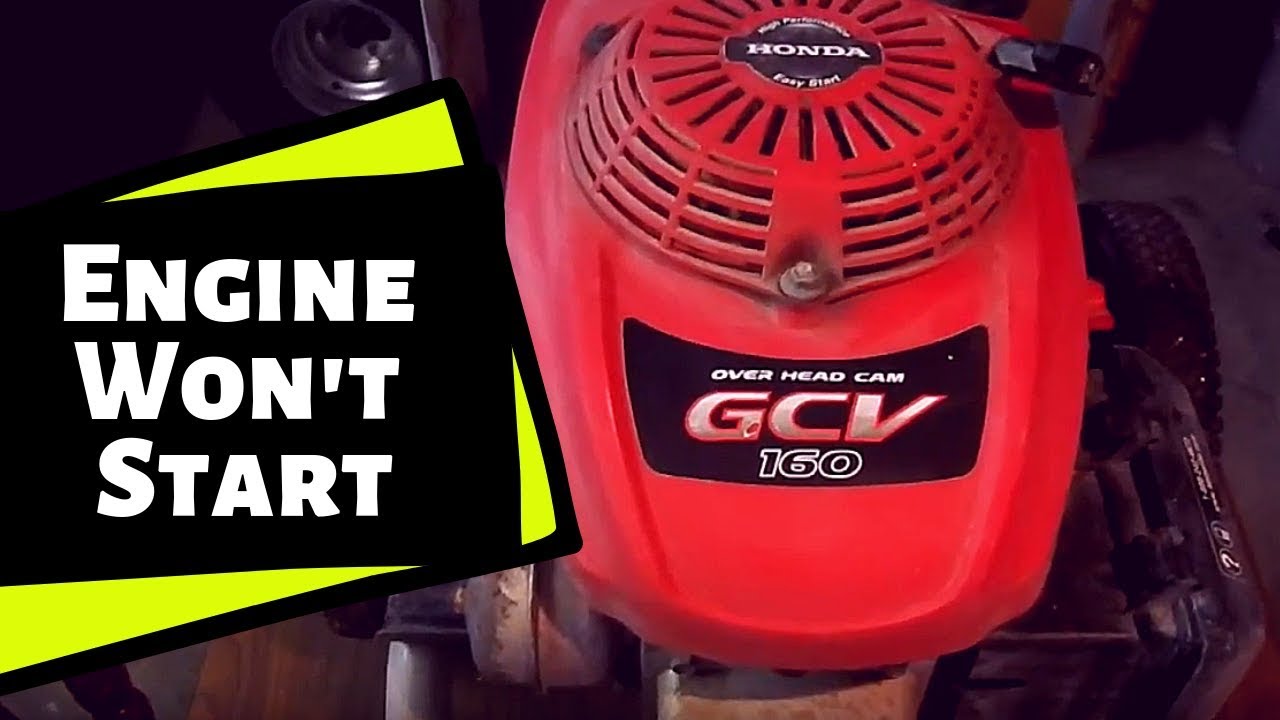
The Honda GCV160 is a powerhouse engine, widely recognized for its reliability and performance in a variety of outdoor power equipment, most notably pressure washers. When this dependable engine sputters and refuses to start, it can bring your cleaning tasks to an abrupt halt.
The frustration of a non-starting pressure washer, especially one powered by the robust GCV160, is a common issue for homeowners and professionals alike. Understanding the potential culprits behind this problem is the first step toward a swift resolution, allowing you to get back to tackling tough grime and restoring the pristine look of your property.
This comprehensive guide aims to demystify the common reasons why a Honda GCV160 pressure washer might refuse to start. We will systematically explore the engine’s fuel system, ignition components, air intake, and mechanical aspects, providing a clear, step-by-step troubleshooting process.
By the end of this article, you’ll be equipped with the knowledge to diagnose and, in many cases, resolve the starting issues, ensuring your Honda GCV160-powered pressure washer returns to its optimal operational state.
Key Takeaways
- Fuel System Issues: Stale fuel, clogged fuel filters, or a faulty fuel pump are primary reasons for a GCV160 not starting.
- Ignition Problems: Worn spark plugs, incorrect spark plug gap, or issues with the ignition coil can prevent combustion.
- Airflow Obstructions: A dirty air filter or a blocked carburetor can starve the engine of necessary air.
- Safety Features: Ensure all safety interlocks, such as the trigger lock or low oil sensor, are correctly disengaged.
- Mechanical Issues: Less common but possible are problems like low compression or incorrect valve timing.
- Maintenance is Key: Regular maintenance, including fuel stabilization and air filter cleaning, prevents many starting issues.

Credit: www.allpartsinc.com
Common Honda Gcv160 Pressure Washer Starting Problems
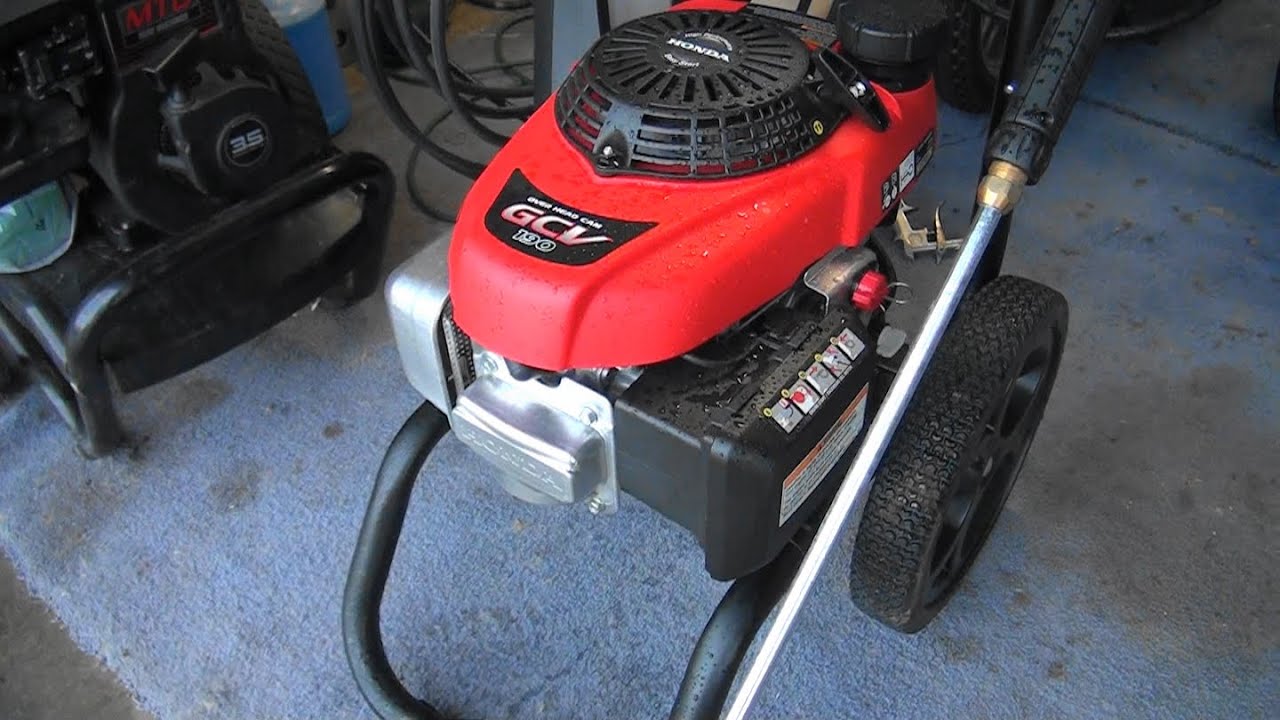
The Honda GCV160 engine is a popular choice for pressure washers due to its durability and consistent power output. However, like any mechanical device, it can encounter starting issues. These problems often stem from a few core areas: the fuel delivery system, the ignition system, and the air intake. Before diving into specific troubleshooting steps, it’s crucial to understand the basic requirements for an internal combustion engine to start: it needs the right mixture of fuel and air, a spark at the precise moment, and adequate compression to ignite the mixture.
When your Honda GCV160 pressure washer won’t start, it’s usually because one or more of these essential elements are missing or compromised. The symptoms can range from the engine not cranking at all to it sputtering and dying immediately after a pull.
Identifying the specific symptoms can often point you in the right direction for diagnosis. For instance, if you hear the engine trying to turn over but not catching, it suggests a fuel or ignition problem. If there’s no sound of the engine attempting to start, it might be an electrical or safety switch issue.
Fuel System Troubleshooting
The fuel system is arguably the most common area for starting problems in small engines. The GCV160 relies on a steady supply of clean fuel to operate. Any disruption in this supply can prevent it from starting.
Stale Or Contaminated Fuel
Gasoline degrades over time, especially when exposed to air and moisture. Ethanol in modern gasoline also attracts water, leading to phase separation. Stale fuel loses its volatility, meaning it won’t vaporize properly in the combustion chamber, and can leave gummy deposits that clog fuel lines and the carburetor.
- Diagnosis: If the fuel in your tank has been sitting for more than 30 days, especially without a fuel stabilizer, it’s likely stale. Look for a cloudy appearance or a distinct varnish-like smell.
- Solution: Drain the old fuel completely from the tank. Dispose of it responsibly. Refill the tank with fresh gasoline. For future storage, always use a fuel stabilizer and run the engine for a few minutes to ensure the treated fuel circulates through the carburetor.
Clogged Fuel Filter
The fuel filter is a small but vital component designed to catch debris before it enters the carburetor. Over time, this filter can become saturated with contaminants, restricting fuel flow.
- Diagnosis: Locate the fuel filter, usually found in the fuel line between the fuel tank and the carburetor. If it appears discolored, dirty, or if fuel flow seems restricted when disconnected, it may be clogged.
- Solution: Replace the fuel filter. This is a relatively inexpensive part and a straightforward replacement. Ensure you use the correct filter model for your GCV160.
Issues With The Fuel Pump (if Applicable)
Some GCV160 models, particularly those used in higher-end pressure washers, may incorporate a fuel pump to ensure consistent fuel delivery, especially when the engine is under load or the tank is low. A faulty fuel pump can lead to an insufficient fuel supply.
- Diagnosis: Check for fuel flow from the fuel line leading to the carburetor. If you pull the starter cord and no fuel is coming out, the pump might be the issue. You can sometimes test fuel pump operation by disconnecting the fuel line after the pump and seeing if fuel is delivered when the engine is cranked.
- Solution: If the fuel pump is determined to be faulty, it will need to be replaced. Consult your pressure washer’s manual for the specific location and replacement procedure.
Carburetor Problems
The carburetor is responsible for mixing the correct ratio of fuel and air for combustion. It’s a complex component with many small jets and passages that can easily become clogged by stale fuel or debris.
- Diagnosis: If you have fresh fuel, a clean filter, and the engine still won’t start or runs erratically, the carburetor is a likely suspect. Symptoms include hard starting, engine sputtering, or the engine only running with the choke fully engaged.
- Solution:
- Cleaning: The carburetor can often be cleaned. You may need to remove it from the engine. Using a carburetor cleaner spray and compressed air, carefully clean out all jets and passages. Pay special attention to the main jet and pilot jet.
- Rebuild: If cleaning doesn’t resolve the issue, a carburetor rebuild kit, containing new gaskets and seals, might be necessary.
- Replacement: In some cases, especially if the carburetor is severely damaged or corroded, replacement may be the most practical solution.
Ignition System Faults
A spark is essential for igniting the fuel-air mixture. If the ignition system isn’t functioning correctly, the engine won’t start, even if it’s receiving fuel and air.
Spark Plug Issues
The spark plug is the component that generates the spark. It’s subject to wear and fouling.
- Diagnosis:
- Fouling: Remove the spark plug. If it’s black, oily, or covered in carbon deposits, it’s fouled and needs cleaning or replacement.
- Damage: Inspect the plug for cracks in the ceramic insulator or bent electrodes.
- Gap: The gap between the electrodes is critical for a strong spark. Use a feeler gauge to check if the gap is within the manufacturer’s specifications (typically around 0.025-0.030 inches for the GCV160, but always refer to your manual).
- Solution:
- Cleaning: You can try cleaning a fouled spark plug with a wire brush and carb cleaner.
- Replacement: It’s generally recommended to replace the spark plug if it shows signs of wear, damage, or significant fouling. Ensure you use the correct type of spark plug specified in your owner’s manual (e.g., NGK BPR5ES or equivalent).
- Gapping: Adjust the gap if it’s incorrect. If the electrodes are severely worn, replace the plug.
Faulty Ignition Coil
The ignition coil (also known as the magneto) generates the high voltage needed to create a spark at the spark plug. If the coil fails, no spark will be produced.
- Diagnosis: This is more difficult to diagnose without specialized tools. A common test is to remove the spark plug wire, insert a spare spark plug into the wire, ground the plug against the engine block, and pull the starter cord. If there’s no spark, the ignition coil could be faulty. Check the gap between the ignition coil and the flywheel.
- Solution: If the ignition coil is suspected to be bad, it will need to be replaced. This is a more involved repair and may require removing the engine shroud.
Loose Or Damaged Spark Plug Wire/cap
The spark plug wire and cap conduct the high voltage from the ignition coil to the spark plug. A loose connection, crack, or damage to the wire or cap can prevent a spark from reaching the plug.
- Diagnosis: Inspect the spark plug wire and cap for any visible damage, cracks, or signs of corrosion. Ensure the cap is firmly seated on the spark plug and the wire is securely connected to the ignition coil.
- Solution: Clean any corrosion from the terminals. If the wire or cap is damaged, it needs to be replaced.
Air Intake Issues
An engine needs a constant supply of air to mix with fuel for combustion. Obstructions in the air intake system can starve the engine and prevent it from starting.
Clogged Air Filter
The air filter prevents dirt and debris from entering the engine. A dirty or clogged air filter restricts airflow, leading to a rich fuel mixture and starting problems.
- Diagnosis: Locate the air filter housing. Remove the cover and inspect the air filter. If it appears dirty, clogged with dust, or saturated with oil, it’s restricting airflow.
- Solution:
- Paper Filters: If it’s a paper filter, it usually needs to be replaced.
- Foam Filters: Foam filters can often be cleaned. Wash them with mild soap and water, rinse thoroughly, and allow them to dry completely before reinstalling. Lightly oil the foam filter with clean engine oil (squeeze out excess) as per your manual’s instructions.
- Frequency: Clean or replace the air filter regularly, especially if operating in dusty conditions.
Blocked Carburetor Air Intake
While less common than a clogged air filter, the carburetor’s air intake port itself can become blocked, either internally by debris or externally by obstructions.
- Diagnosis: Visually inspect the air intake port on the carburetor for any signs of blockage. Ensure nothing is obstructing the path from the air filter to the carburetor.
- Solution: Clean any visible obstructions. If the internal passages of the carburetor are suspected to be blocked, it points back to carburetor cleaning or rebuilding.
Mechanical And Other Issues
While fuel, ignition, and air are the most frequent culprits, other mechanical issues or safety features can also prevent your Honda GCV160 pressure washer from starting.
Low Oil Level Or Faulty Low Oil Sensor
Many engines, including the GCV160, are equipped with a low oil sensor that prevents the engine from starting or running if the oil level is too low. This is a crucial safety feature to prevent engine damage.
- Diagnosis: Check the engine oil level using the dipstick. If it’s below the minimum mark, add the correct type of oil. If the oil level is correct but the engine still won’t start, the low oil sensor itself might be malfunctioning, or its wiring could be damaged.
- Solution: Maintain the correct oil level as specified in your owner’s manual. If the sensor is suspected to be faulty, it may need to be tested and potentially replaced.
Safety Interlocks Engaged
Pressure washers have various safety features to prevent accidental starting or operation. These can sometimes prevent a legitimate start if not properly disengaged.
- Trigger Lock: Ensure the trigger lock mechanism on the spray gun is disengaged.
- Brake/Parking Lever: Some units have a brake or parking lever that must be in the ‘off’ or ‘release’ position.
- Water Supply: While not directly preventing the engine from starting, ensure the water supply is connected and the hose is not kinked, as some systems may have a water pressure sensor that could indirectly affect starting.
- Tip: Always refer to your specific pressure washer model’s manual for all safety features and their correct operation.
Flooded Engine
An engine becomes flooded when there’s too much fuel in the combustion chamber, preventing ignition. This can happen if you try to start the engine multiple times with the choke on without it firing.
- Diagnosis: You might smell raw fuel. If you remove the spark plug, it might be wet with gasoline.
- Solution:
- Turn the choke to the ‘off’ or ‘run’ position.
- Move the throttle to the fastest speed setting.
- Pull the starter cord several times (5-10 pulls) to clear the excess fuel.
- Reinstall the spark plug (or a known good one).
- Attempt to start the engine normally, with the choke in the appropriate position for a cold start.
Compression Issues
Engine compression is the pressure built up in the cylinder when the piston moves up. Insufficient compression means the fuel-air mixture won’t be compressed enough to ignite effectively.
- Diagnosis: This is a more serious mechanical issue. A compression tester can be used to measure the compression. A healthy GCV160 should have a specific compression reading, which you can find in the service manual. Low compression can be caused by worn piston rings, damaged cylinder walls, or leaking valves.
- Solution: If low compression is diagnosed, it usually requires significant engine repair, such as a rebuild. This is often beyond the scope of a DIY fix and may necessitate professional service.
Incorrect Valve Timing
The valve timing ensures the intake and exhaust valves open and close at the correct moments during the engine cycle. If the timing is off (e.g., due to a jumped timing belt or chain, though the GCV160 typically uses a gear-driven camshaft), it can cause poor performance or prevent starting.
- Diagnosis: This is a complex internal engine problem that typically requires disassembly to diagnose. Symptoms can include backfiring, lack of power, or inability to start.
- Solution: Correcting valve timing requires expert knowledge and specialized tools. This is a job for a qualified small engine mechanic.
Troubleshooting Steps In Order
When your Honda GCV160 pressure washer won’t start, following a logical troubleshooting sequence can save you time and effort. Start with the simplest and most common issues and progress to more complex ones.
Step 1: Check The Basics
- Fuel Level: Ensure there is enough fresh fuel in the tank.
- Oil Level: Verify the oil level is within the recommended range and the low oil sensor isn’t being triggered.
- Choke Position: For a cold engine, ensure the choke is in the ‘on’ or ‘cold start’ position. For a warm engine, the choke should be in the ‘off’ or ‘run’ position.
- Throttle Position: The throttle should generally be set to a medium or fast position for starting.
- Safety Features: Confirm all safety interlocks (trigger lock, etc.) Are disengaged.
- Water Supply: Ensure the water inlet is connected and the faucet is fully open.
Step 2: Inspect The Fuel System
- Fresh Fuel: If the fuel is old, drain and replace it with fresh gasoline. Add a fuel stabilizer if storing for extended periods.
- Fuel Filter: Inspect the fuel filter. If it looks dirty or clogged, replace it.
- Fuel Line: Check the fuel line for kinks or damage. Ensure it’s securely connected.
Step 3: Examine The Ignition System
- Spark Plug:
- Remove the spark plug.
- Check for fouling, damage, or correct gap.
- Clean or replace the spark plug as needed.
- Test for spark by grounding the plug against the engine block while pulling the starter cord (wear gloves and be cautious).
- Spark Plug Wire/Cap: Ensure the wire and cap are securely attached and free from damage.
Step 4: Assess The Air Intake
- Air Filter: Remove and inspect the air filter. Clean or replace it if it’s dirty or clogged.
Step 5: Address Potential Flooding
- If you suspect a flooded engine, follow the procedure outlined in the “Flooded Engine” section above.
Step 6: Consider Carburetor Issues
- If the above steps don’t resolve the issue, the carburetor is the next likely culprit. Attempt to clean it or consider a rebuild/replacement.
Step 7: Seek Professional Help
- If you’ve gone through these steps and the engine still won’t start, or if you suspect a mechanical issue like low compression or valve timing problems, it’s time to consult a qualified small engine mechanic.
Credit: www.youtube.com
Maintenance For Prevention
The best way to avoid a non-starting Honda GCV160 pressure washer is through regular preventative maintenance. Adhering to the maintenance schedule outlined in your owner’s manual will significantly reduce the likelihood of starting problems.
- Fuel Management:
- Always use fresh gasoline.
- Use a fuel stabilizer, especially before storing the pressure washer for more than 30 days. Run the engine for a few minutes after adding stabilizer to ensure it circulates through the fuel system.
- Empty the fuel tank for long-term storage if recommended by the manufacturer.
- Air Filter: Clean the air filter regularly, and replace it annually or more often if operating in dusty conditions.
- Spark Plug: Inspect and clean the spark plug annually. Replace it every 100-200 hours of operation or if signs of wear or fouling are present. Check and adjust the gap as part of regular maintenance.
- Oil Changes: Change the engine oil according to the manufacturer’s recommendations (typically based on operating hours or annually). Using the correct type and grade of oil is crucial.
- Carburetor Cleaning: While not always part of a routine schedule, periodic cleaning of the carburetor, especially before long storage periods, can prevent gumming and clogging.
- General Inspection: Regularly check for loose connections, damaged wires, or any signs of wear and tear on the engine and pressure washer components.
Credit: www.youtube.com
Specific Scenarios And Solutions
Let’s look at a few specific scenarios that might occur with a Honda GCV160 pressure washer.
Scenario 1: Engine Cranks But Won’t Start
This is the most common symptom. It means the starter motor is engaging (or you’re getting compression on a pull start), but the combustion process isn’t happening.
- Likely Causes:
- Fuel Delivery: Stale fuel, clogged fuel filter, or a carburetor issue.
- Ignition: Fouled or improperly gapped spark plug, faulty spark plug wire, or a weak spark from the ignition coil.
- Airflow: Severely clogged air filter.
- Troubleshooting Approach: Start with fresh fuel, check the spark plug for spark and condition, and inspect the air filter. If these are good, move to checking fuel flow and then consider carburetor cleaning.
Scenario 2: Engine Starts Briefly Then Dies
This often indicates an intermittent fuel supply problem or an issue with the engine management system.
- Likely Causes:
- Fuel Cap Vent: A blocked vent in the fuel cap can create a vacuum in the tank, stopping fuel flow. Loosen the cap slightly and see if the engine runs. If it does, clean or replace the fuel cap.
- Carburetor Issues: The carburetor might be partially clogged, providing enough fuel for a brief start but not sustained running.
- Low Oil Sensor: If the oil level is borderline, the sensor might intermittently cut the engine.
- Overheating: Though less likely to cause a complete stop immediately after starting, an engine that overheats quickly can shut down.
- Troubleshooting Approach: Check the fuel cap vent first. Then, focus on carburetor cleaning and ensuring the oil level is consistently correct.
Scenario 3: Engine Won’t Crank At All (electric Start Models)
If your pressure washer has an electric start and it doesn’t crank, it points to an electrical issue.
- Likely Causes:
- Battery: Dead or low battery.
- Connections: Loose or corroded battery terminals or starter connections.
- Starter Motor: Faulty starter motor.
- Safety Switches: A safety switch (like the brake lever or trigger lock) is preventing the starter from engaging.
- Fuse: A blown fuse in the starting circuit.
- Troubleshooting Approach: Check battery charge and terminal connections. Ensure all safety interlocks are off. Check for a fuse. If all electrical connections and the battery are good, the starter motor may need professional inspection.
Comparison Of Common Issues And Solutions
To help visualize the problem-solving process, here’s a table comparing common starting issues with their most probable causes and recommended solutions.
| Symptom | Most Likely Cause(s) | Primary Solution(s) | Difficulty Level (DIY) |
|---|---|---|---|
| Engine cranks but won’t start | Stale fuel, clogged fuel filter, fouled spark plug |