
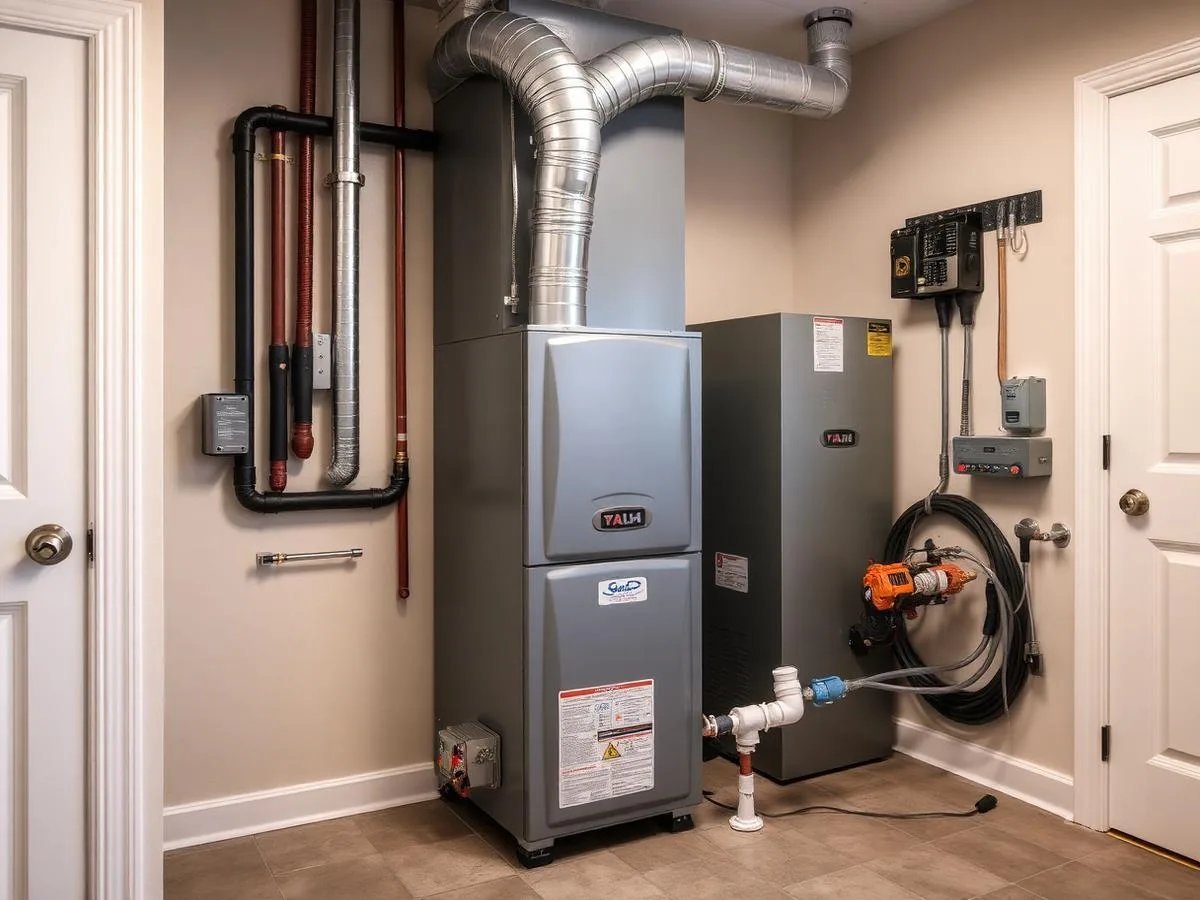
If you smell rotten eggs near your furnace, leave the house right away and call your gas company or emergency services from outside. A furnace smells like rotten eggs because natural gas is odorless, and gas companies add a sulfur-smelling chemical so leaks can be detected. That smell means gas may be escaping before it ever reaches the burner, which can cause a fire or an explosion.
Why your furnace smells like rotten eggs
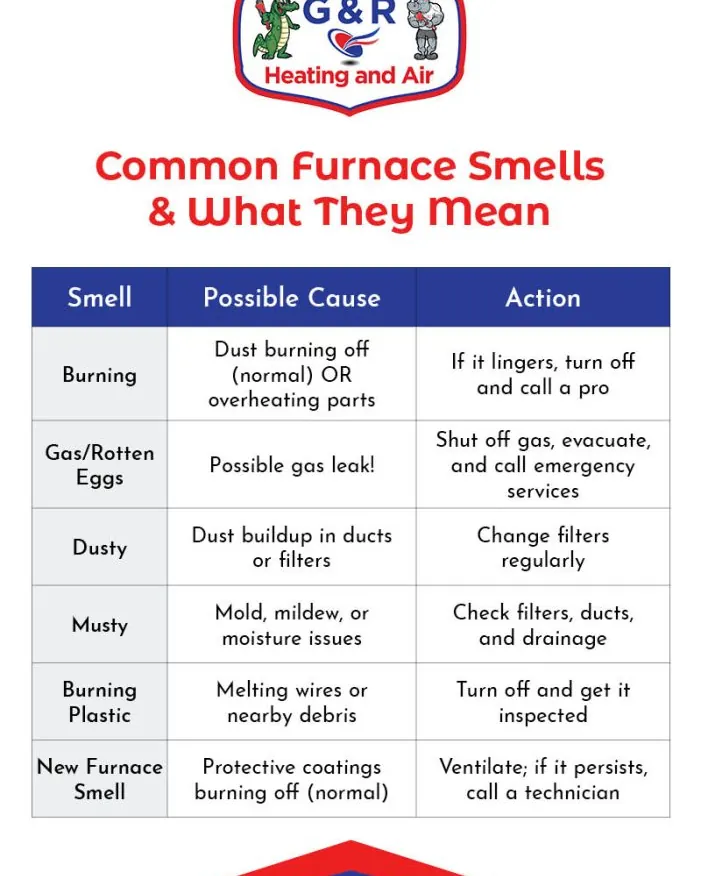
A rotten egg smell from your furnace almost always points to one thing: a gas leak. Utility companies add mercaptan to natural gas so people can smell it, since pure gas has no scent at all. When you notice that odor, treat it as an emergency until someone confirms it’s safe.
If you smell gas, leave the building immediately. Don’t touch light switches, use your phone, or start your car while inside. These actions can create tiny electrical sparks that ignite the gas.
If the smell is faint and only near the furnace, check if the pilot light has blown out. If the burner is off but the gas valve is open, you have found the source. Otherwise, call your utility provider from a safe distance.
Safety: Inside a mains-powered machine, the parts behind the outer cover can hold a dangerous electrical charge even after it has been unplugged — that’s why they sit behind a cover. Opening the housing, or testing or replacing anything behind it, is a job for a qualified technician, never a home repair.
Common causes at a glance
Here are the most likely causes, ranked from most urgent to least.
| Cause | What it means | What to do |
|---|---|---|
| Gas leak | Gas escaping from pipes or the furnace | Leave and call the gas company |
| Pilot light out | Unburned gas building up | Relight only if you know how |
| Cracked heat exchanger | Combustion gases leaking into air | Call a technician |
| Dust burning off | Dust on burners after long idle | Runs for a short time |
| Dead animal in ducts | Something trapped and rotting | Have ducts cleaned |
Gas leak
A gas leak is the most dangerous cause. Natural gas itself has no smell, so the rotten egg odor comes from the odorant added by the gas company. If you smell it near the furnace, at a pipe joint, or anywhere in the house, don’t flip light switches, don’t use a phone inside, and don’t light anything. Get everyone out and call your gas utility or 911 from outside. Wait for them to say it’s safe before going back in.
Pilot light out
If the pilot light goes out, gas can keep flowing without burning, and the odorant makes it smell like rotten eggs. You might hear a faint hissing near the furnace. Only relight it if you have the manufacturer’s instructions and feel confident. Otherwise, turn the gas off at the valve and call a technician. A pilot that won’t stay lit usually means a deeper problem that needs professional repair.
Cracked heat exchanger

The heat exchanger keeps combustion gases separate from the air circulating through your home. If it cracks, those gases leak into your ductwork and create a sharp sulfur or rotten egg smell. This isn’t a repair for a homeowner. Turn the furnace off immediately and call a heating technician.
Carbon monoxide is the primary danger here, as it’s odorless, colorless, and deadly. If your carbon monoxide detector triggers, evacuate the house before doing anything else.
To test for a crack, watch the burner flame when the blower motor kicks on. If the flame flickers or changes shape, air is likely pushing through a breach in the metal. A technician should then perform a combustion analysis to confirm the leak before you authorize an expensive replacement.
Dust burning off
When a furnace sits unused for months, dust collects on the burners and heat exchanger. The first time you run it in fall, that dust burns off and can smell like sulfur or rotten eggs for a short time.
This odor typically dissipates within thirty minutes of active heating. If the smell persists beyond an hour, or if it grows noticeably sharper, shut the system off immediately and call a technician.
A lingering scent often indicates a cracked heat exchanger leaking combustion gases into your ductwork. Don’t confuse this with the faint, metallic scent of settling dust. If your carbon monoxide detector triggers, evacuate the home at once. Never assume a persistent smell is just seasonal buildup.
Dead animal in ducts
Small animals sometimes get into ductwork and die there. As the body decays, it produces a pungent, rotten egg smell that blows through the vents when the fan runs. You’ll usually notice the smell only when the furnace is on, and it may be stronger in rooms closest to the carcass.
Don’t attempt to mask the scent with air fresheners, as they won’t address the source of the odor. Contact a duct cleaning professional immediately to sanitize the system and prevent respiratory irritation.
Rare causes
Sewer gas near the intake. A cracked sewer line or dry drain near the furnace’s air intake can pull sewer gas into the system, which can smell like rotten eggs.
Chinese drywall. Some homes built or remodeled around 2001 to 2009 contain drywall that releases sulfur gases, corroding metal and creating odors.
Sulfur bacteria in a water heater. If your furnace is tied to a water system, bacteria can create a rotten egg smell in hot water, though this is separate from the furnace itself.
How to choose between them
The deciding factor is where the smell is strongest and whether you have gas service. If you have natural gas and smell rotten eggs anywhere near the furnace or pipes, treat it as a gas leak first — leave and call the gas company. If the smell only comes through the vents when the fan runs and you have no gas appliances, a dead animal in the ducts or sewer gas near the intake is more likely.
If the smell appears only the first time you run the furnace each season and fades quickly, it’s probably dust burning off. You can combine some of these — for example, dust can burn off while a separate gas leak exists — so never assume one cause rules out another. When in doubt, call a professional rather than guessing.
Related guides
Frequently asked questions
Can I keep running the furnace if it smells like rotten eggs?
No. Shut it off and leave the house. A rotten egg smell can mean gas is leaking, which can lead to fire or explosion.
Why does my furnace smell like rotten eggs only when it first turns on?
It’s likely dust burning off the burners after sitting idle. If the smell doesn’t fade quickly, shut it off and call a technician.
Is it safe to relight the pilot myself?
Only if you have the manufacturer’s instructions and feel confident. Otherwise, turn the gas off and call a technician.
What happens if I ignore the smell?
Gas can build up and ignite, or combustion gases can leak into your home. Both create serious danger.
Does the smell mean carbon monoxide is present?
Not necessarily. Carbon monoxide has no smell, so you can’t detect it by odor. A working carbon monoxide detector is the only way to know.
Is a rotten egg smell from the furnace ever normal?
A brief dust smell at the start of the season can be normal. A strong sulfur odor isn’t normal and should be checked.
What to do next
Leave the house immediately if you smell gas and call your gas company or emergency services from outside. Don’t go back in until they say it’s safe.
If the visit turns up no leak, call a licensed heating technician to inspect the furnace before you use it again. Most leaks originate at the flexible connector behind the unit, which degrades over time. If you see a yellow flame instead of a crisp blue one, shut off the gas valve and keep the system off.
Don’t attempt to tighten gas fittings yourself; leave all repairs to a licensed professional. If you smell gas, evacuate the building immediately and call your gas utility or emergency services from a safe location.