

It can be incredibly alarming to walk into your laundry room and realize your dryer smells like burning, but this is a common issue that typically points to a few specific maintenance-related culprits. Whether the odor is sharp, acrid, or reminiscent of scorched fabric, the scent is almost always a signal that something is obstructing airflow or coming into contact with a heating element. By addressing these issues early, you can often resolve the problem yourself without needing an expensive professional repair service.
Key Takeaways

- Clean your lint filter after every single drying cycle to prevent airflow blockages.
- Inspect the external dryer vent pipe for obstructions like bird nests or lint buildup.
- Ensure your dryer isn’t overloaded, as excessive weight puts strain on the motor.
- Disconnect the power source before attempting any internal cleaning or part inspection.
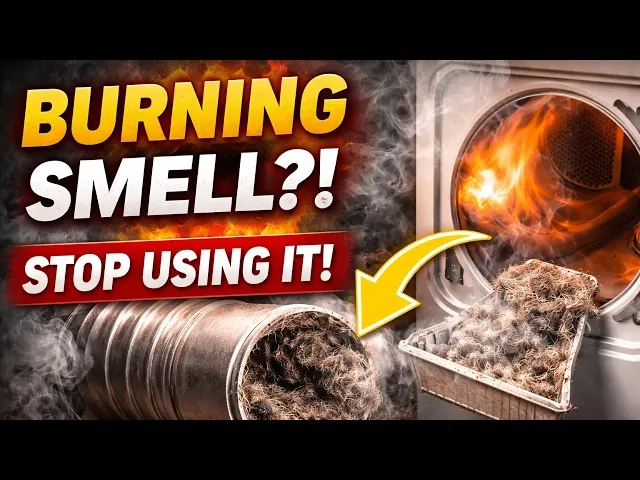
- If you smell burning, stop the machine immediately to prevent potential fire hazards.
Safety: Inside a mains-powered machine, the parts behind the outer cover can hold a dangerous electrical charge even after it has been unplugged — that’s why they sit behind a cover. Opening the housing, or testing or replacing anything behind it, is a job for a qualified technician, never a home repair.
Why Does My Dryer Smell Burning?
When a dryer produces a burning odor, it’s usually because lint has migrated into areas where it doesn’t belong. Lint is highly flammable and acts as an insulator; when it builds up around the heating element or the motor, it can scorch.
Other common causes include a worn-out drive belt that’s slipping, a malfunctioning thermostat, or a blocked exhaust system that forces the machine to overheat. Identifying the specific source of the smell is the first step in restoring your appliance to a safe working state.
Immediate Steps for Safety
Warning: Always unplug your dryer from the wall outlet or flip the circuit breaker before you begin any inspection to avoid the risk of electrical shock. Once the power is cut, pull the unit away from the wall to get a clear view of the back. Check the vent hose for any visible kinks or crushed sections that might be restricting airflow. If you notice a heavy accumulation of dust or debris on the exterior of the machine, vacuum it away before opening any panels to prevent internal contamination.
| Action Step | Priority Level | Estimated Time |
|---|---|---|
| Clean lint screen | High | 1 minute |
| Inspect vent hose | High | 10 minutes |
| Vacuum internal cabinet | Medium | 30 minutes |
| Check motor/belt | Low | 60 minutes |
Inspecting the Lint Trap
The lint screen is the first line of defense against overheating. If this filter is clogged, the air can’t circulate properly, causing the internal temperature of the drum to spike. Over time, this intense heat can singe the remaining lint stuck to the screen or the housing.
Use a soft-bristled brush to scrub the mesh screen clean, ensuring that you remove any waxy residue left behind by dryer sheets. If the screen is damaged or has holes, replace it immediately to keep debris out of the blower housing.
Clearing the Exhaust Vent
A blocked exhaust vent is one of the most frequent reasons for a persistent burning smell. If the air can’t exit the building, the heat reflects back into the dryer cabinet. Use a long-handled dryer vent brush to snake through the entire length of the pipe from the back of the dryer to the exterior wall cap.
Is the Drive Belt Failing?
If the burning smell is accompanied by a squealing or thumping noise, the drive belt may be the culprit. The belt wraps around the drum and rotates it; if it begins to fray or slip, the friction creates significant heat. This friction often produces a distinct rubbery, burning scent.
To check this, you’ll need to remove the front or top panel of your dryer to inspect the belt for signs of cracking or stretching. If the belt looks worn, it must be replaced to prevent it from snapping mid-cycle.
How to Check Internal Components
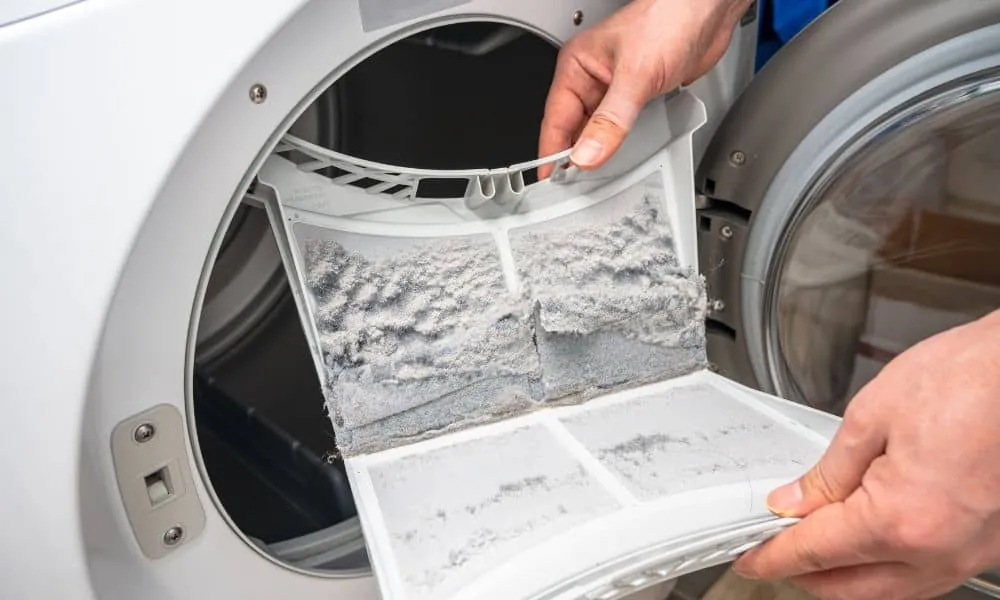
If the exterior vent and lint trap are clean, you may need to look inside the cabinet. Dust and lint often settle on the heating element or the motor assembly. Use a vacuum with a narrow crevice tool to carefully remove any debris from the bottom of the cabinet.
Be extremely gentle around the heating coils, as they’re fragile. If you see signs of charring on the wiring or the heating element housing, contact a professional technician, as this indicates a more serious electrical fault that could lead to a fire.
Common Dryer Maintenance Costs
Repairing a dryer typically costs between $100 and $400 depending on the parts required and whether you perform the labor yourself. If you’re doing the work, parts like a new lint screen or a vent cleaning kit are very affordable.
| Repair Category | Low Cost | High Cost |
|---|---|---|
| DIY Cleaning Kit | $15 | $40 |
| Replacement Lint Filter | $20 | $60 |
| Professional Service Call | $80 | $250 |
| New Drive Belt/Parts | $30 | $150 |
Could It Be the Electrical?
Sometimes the burning odor is electrical in nature, often caused by loose connections or a failing terminal block. If you smell something acrid like burning plastic, it’s highly likely that a wire has overheated or a terminal has melted.
Check the back of the dryer where the power cord enters the machine; if the cord or the terminal block shows signs of discoloration or melting, stop using the dryer immediately. This is a fire hazard that requires an electrician or a specialized appliance repair person to rectify.
When to Call a Pro
Pro Tip: If you’re uncomfortable working with electrical components or mechanical assemblies, don’t hesitate to call a certified technician. While simple cleaning is a great DIY task, internal electrical repairs or motor replacements require specialized knowledge to ensure the machine remains safe for use. If you have cleaned the vents and the lint trap, but the smell persists, the issue likely lies deep within the motor or the internal wiring, which requires professional diagnostic tools.
Troubleshooting Motor Issues
If the dryer motor is struggling, it may overheat and emit a burning smell. This often happens if the motor is forced to work against a heavy, wet load or if the blower wheel is jammed with lint.
Listen for a humming sound when the dryer is turned on but the drum isn’t rotating. If the motor is hot to the touch, it’s likely failing and will need to be replaced. Ensure the dryer isn’t being overloaded, as this is the primary cause of premature motor fatigue.
Preventing Future Odors
- Routine Cleaning: Establish a schedule to clean the vent pipe every six months.
- Proper Loading: Never stuff the drum beyond three-quarters full to allow for proper airflow.
- Check Fabric: Ensure you aren’t drying items with rubber backings or oil-stained materials, as these can easily scorch.
- Vent Path: Keep the vent path as straight as possible, avoiding excessive bends or long runs of flexible plastic tubing.
- Inspection: Periodically check the exterior vent hood to ensure it opens freely when the dryer is running.
Related guides
Frequently Asked Questions
Can I use the dryer if it smells like burning?
No, you should stop using the dryer immediately if you detect a burning smell. This odor is a significant warning sign that something is overheating or that lint is catching fire inside the machine. Continuing to run the dryer puts your home at risk of a fire. Unplug the unit, investigate the source, and don’t resume operation until the problem has been fully identified and repaired.
How often should I clean my dryer vents?
You should aim to have your dryer vents cleaned at least once every twelve months. However, if you notice your clothes are taking longer than one cycle to dry or if the dryer feels excessively hot to the touch, you should clean them more frequently. Homes with high laundry volumes or long, winding vent pipes may require more frequent maintenance to prevent dangerous lint buildup.
What does a burning rubber smell mean?
A burning rubber smell usually indicates that the drive belt is slipping or rubbing against a component. This friction generates intense heat, which produces the rubbery scent. It can also occur if a piece of clothing has become caught between the drum and the housing or if a wire insulation is beginning to melt. Inspect the belt and internal drum area for any signs of friction damage.
Is it normal for a new dryer to smell?
Yes, it’s common for a brand-new dryer to emit a slight burning or metallic odor during the first few cycles. This is often caused by the factory-applied protective coatings or lubricants on the heating elements burning off for the first time. The smell should dissipate after the first two or three uses. If the odor continues past this point, investigate it as a potential maintenance issue.
Can dryer sheets cause burning smells?
Yes, dryer sheets can contribute to burning odors if they leave a waxy, sticky residue on the lint screen. This buildup restricts airflow, forcing the dryer to work harder and run hotter than intended. Over time, this residue can trap lint and eventually scorch. To prevent this, wash your lint screen with warm water and a little dish soap every few months to remove any accumulated film.
Conclusion
If you have completed the cleaning steps and the burning odor persists, the safest course of action is to schedule a professional inspection with a licensed appliance repair technician to identify any hidden electrical or motor faults. Keeping your venting clear and your lint trap pristine will significantly extend the life of your machine and keep your household safe.