
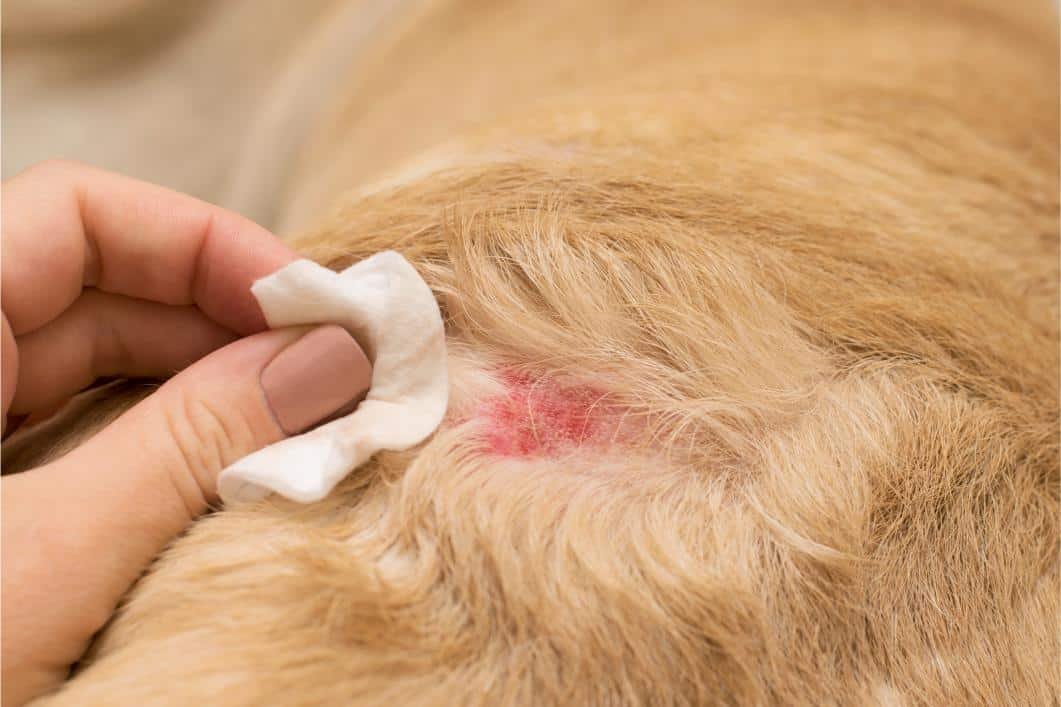
If you have noticed that your dog smells like yeast, you’re likely dealing with an overgrowth of Malassezia pachydermatis, a fungus that naturally lives on canine skin. When the balance of your pet’s skin flora is disrupted, this yeast multiplies rapidly, producing a distinct, musty odor often compared to corn chips, old gym socks, or sourdough bread. While this smell is a common nuisance, it’s frequently a secondary symptom of an underlying health issue that requires professional attention to resolve.
Key Takeaways

- Identify the root cause, such as allergies or hormonal imbalances, to prevent recurring infections.
- Consult a veterinarian for an accurate diagnosis before attempting to treat the skin with home remedies.
- Use medicated shampoos containing chlorhexidine or ketoconazole as directed by your vet to reduce fungal populations.
- Keep skin folds, ears, and paws clean and dry to minimize the environment yeast needs to thrive.
- Monitor your dog for signs of excessive scratching, redness, or skin thickening that indicate worsening irritation.
Why Does My Dog Smell Yeasty?
The primary reason your dog has that characteristic odor is an overpopulation of yeast. While Malassezia is a normal resident of healthy skin, it thrives in warm, moist, and dark environments. When your dog’s immune system is compromised or their skin barrier is damaged, the yeast population explodes. This is rarely a primary infection; it’s almost always a sign of a deeper problem.
Common Underlying Causes
Understanding why the yeast is overgrowing is the first step toward a permanent cure. If you don’t address the trigger, the smell will likely return shortly after you finish a round of treatment.
- Environmental Allergies: Pollen, dust mites, and mold can cause skin inflammation, creating the perfect breeding ground for yeast.
- Food Sensitivities: Protein sources like chicken or beef can trigger systemic inflammation that manifests on the skin.
- Hormonal Disorders: Conditions like hypothyroidism or Cushing’s disease can alter the skin’s oil production, feeding the yeast.
- Ear Infections: The ear canal is a common site for yeast, often caused by poor ventilation or excess wax.
- Antibiotic Use: Long-term use of antibiotics can kill off the “good” bacteria that normally keep yeast populations in check.
Recognizing Symptoms of Infection
A yeasty smell is often the first sign, but you should look for physical indicators on the skin.
- Redness and Inflammation: Look for pink or red skin, especially between toes or in skin folds.
- Greasy Texture: Excessive oil production is a classic sign of a Malassezia overgrowth.
- Thickened Skin: Chronic infections cause skin to become leathery or dark, a condition known as lichenification.
- Itching and Scratching: Dogs will often rub their faces on carpets or chew their paws incessantly.
- Hair Loss: Constant scratching and licking can lead to patches of thinning fur.
Veterinary Diagnostic Methods

To get a definitive answer, your vet will perform specific tests. Don’t guess the treatment; diagnostic confirmation ensures you’re using the right medication.
| Diagnostic Test | What It Identifies | Cost Range |
|---|---|---|
| Skin Cytology | Microscopic yeast presence | $45 – $120 |
| Skin Scraping | Presence of mites or parasites | $50 – $130 |
| Blood Panel | Underlying hormonal issues | $150 – $400 |
| Allergy Testing | Specific environmental triggers | $250 – $600 |
Warning: Never use human anti-fungal creams or home-made vinegar solutions on open sores or broken skin, as these can cause severe burning and further damage the delicate skin barrier.
Effective Treatment Strategies
Treatment usually involves a multi-pronged approach. You must treat the skin topically while addressing the internal cause.
- Medicated Shampoos: Products containing 2-4% chlorhexidine or miconazole are standard. You must let the lather sit on the dog’s skin for at least 10 minutes to be effective.
- Topical Creams: For localized spots, your vet may prescribe antifungal ointments.
- Oral Medications: In severe or widespread cases, oral antifungals like fluconazole or terbinafine may be necessary.
- Dietary Adjustments: Switching to a hydrolyzed protein diet may help if the yeast is allergy-driven.
Managing Paws and Ears
The paws and ears are the most common hotspots for yeast. Because these areas are dark and trap moisture, they require daily attention.
- Paw Soaks: Use a mild, vet-approved antiseptic solution to soak paws after walks.
- Ear Cleaning: Use a gentle ear cleanser to remove debris, but never insert cotton swabs deep into the canal.
- Drying: After baths or walks in the rain, ensure your dog is thoroughly dried, especially between the toes and within skin folds.
Creating a Maintenance Schedule
Consistency is the secret to preventing the yeast smell from returning.
| Task | Frequency | Goal |
|---|---|---|
| Medicated Bath | 2 times per week | Reduce fungal load |
| Paw Inspection | Daily | Catch redness early |
| Ear Cleaning | 1-2 times per week | Prevent wax buildup |
| Brushing | 3 times per week | Improve skin aeration |
Pro Tip: If your dog has deep skin folds, such as a Bulldog or Pug, use a clean, dry cloth to wipe those areas daily to prevent moisture from accumulating.
When to See a Professional
You should seek veterinary care if the odor is accompanied by lethargy, weight changes, or if the skin appears crusty or bleeding. Always prioritize evidence-based veterinary medicine over anecdotal advice found online.
Related guides
Frequently Asked Questions
Is the yeasty smell contagious to humans?
No, Malassezia pachydermatis is a canine-specific yeast. While humans have their own strains of Malassezia that cause dandruff or skin conditions, the yeast causing your dog’s odor isn’t transmissible to you or other family members. However, maintain good hygiene by washing your hands after handling your pet’s infected skin or applying their medicated treatments to avoid transferring debris.
Can I just use apple cider vinegar?
While vinegar is acidic and can change the skin’s pH, it’s rarely sufficient to treat a clinical overgrowth. Furthermore, if your dog has any raw, inflamed, or broken skin, applying vinegar will be extremely painful and may lead to a secondary bacterial infection. It’s much safer and more effective to use veterinary-grade products formulated specifically for canine skin health.
How long does treatment typically take?
Most cases of yeast dermatitis require at least two to four weeks of consistent treatment. Some chronic cases may require longer durations or maintenance therapy once or twice a week to keep the yeast in check. If you stop treatment as soon as the smell disappears, the yeast often regrows quickly, leading to a frustrating cycle of recurring infections.
Does diet play a role in yeast?
Yes, diet is a significant factor. High-carbohydrate diets are often blamed for feeding yeast, though the link is complex. More commonly, a dog with food allergies will have a compromised immune system and inflamed skin, which creates the perfect environment for yeast. A hypoallergenic or limited-ingredient diet, prescribed by your veterinarian, can help reduce the systemic inflammation that fuels yeast outbreaks.
Will this go away on its own?
It’s very unlikely that a yeast infection will resolve without intervention. Because yeast thrives in specific conditions, those conditions must be altered to stop the growth. Without treatment, the skin will likely become thicker, darker, and more painful. The dog will continue to scratch, potentially causing secondary bacterial infections that are much harder and more expensive to treat than a simple yeast overgrowth.
Conclusion
If you’re struggling to manage the odor, your next step is to schedule an appointment with your veterinarian for a skin cytology test. This simple procedure will confirm the presence of yeast and rule out bacterial infections or parasites, allowing your vet to prescribe the exact medication needed to restore your dog’s skin health and eliminate that persistent, musty smell for good.