
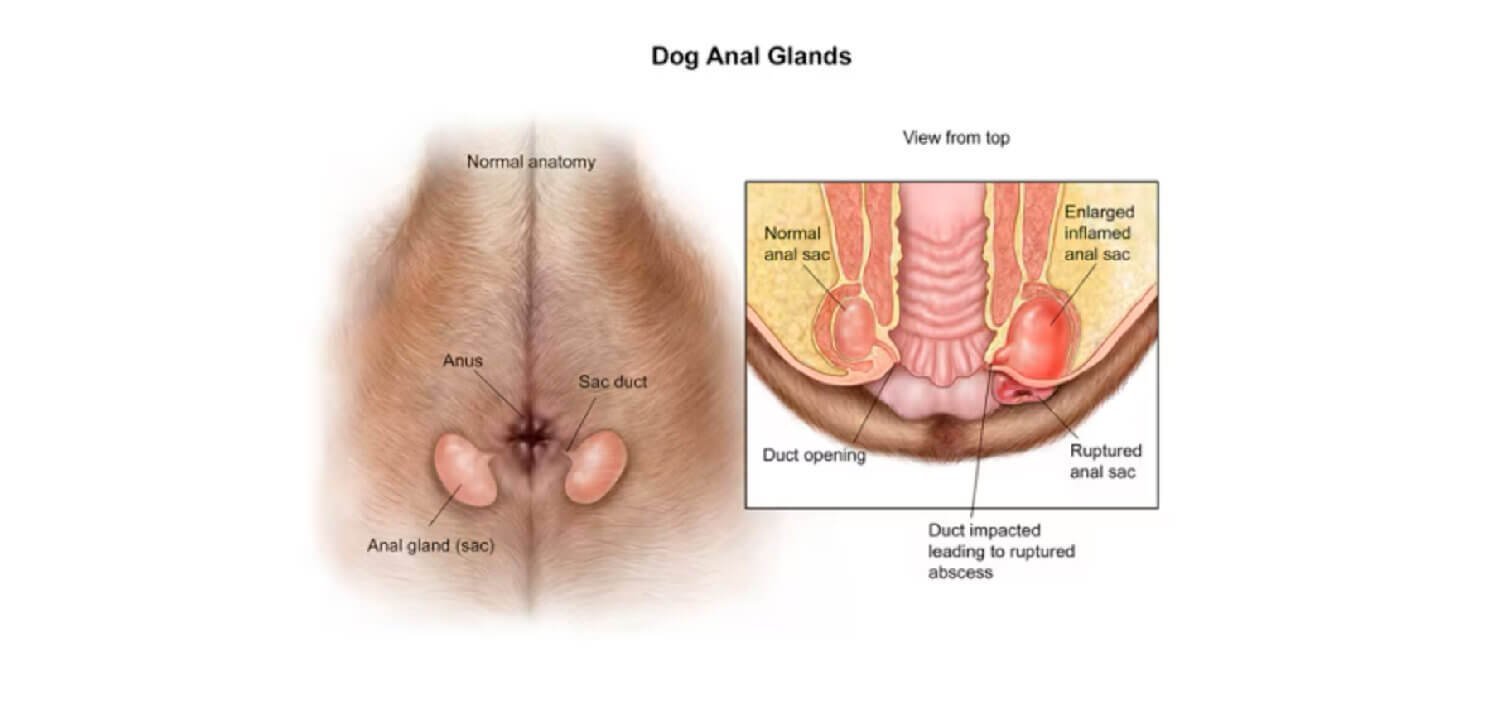
Discovering that your dog smells like fish can be an unsettling experience, especially if the odor is sudden or particularly pungent. While it might be tempting to reach for a bottle of dog shampoo and hope for the best, this scent is rarely coming from the fur itself. In most cases, the fishy aroma is a distinct chemical signal indicating that something is happening within your pet’s body, often related to the anal glands, dietary habits, or even a localized skin infection. Identifying the specific source of this smell is the first step toward relief for both you and your canine companion.
Key Takeaways

- The most common cause of a fishy odor is the expression or impaction of the anal sacs.
- Dietary choices, specifically low-quality fish-based proteins, can sometimes influence skin and breath odor.
- Persistent odors accompanied by redness or itching often point to underlying bacterial or yeast infections.
- Consult a veterinarian if the smell persists for more than 48 hours or if your dog seems in pain.
- Never attempt to manually express anal glands at home without professional training to avoid causing injury.
Why Does My Dog Smell Fishy?
The primary reason a dog emits a fish-like scent is the release of fluid from the anal sacs. These two small glands are located on either side of the dog’s anus. They naturally produce a pungent, oily secretion that serves as a unique scent marker for other dogs.
When a dog is stressed, frightened, or suffering from digestive issues, these glands may empty unexpectedly. This fluid is naturally strong-smelling, and to the human nose, it’s frequently described as smelling exactly like rotting fish.
Anal sac health is vital for your dog’s comfort. If the glands don’t empty correctly, they can become impacted, leading to pain, swelling, and a much more intense odor. If you notice your dog “scooting” their bottom across the floor or excessively licking their hindquarters, it’s a strong indicator that the anal glands are the culprit.
Is It The Anal Glands?
You can determine if the anal glands are the source by checking for common behavioral and physical symptoms. While the smell is the most obvious sign, the physical manifestation of discomfort is usually present. If your dog is healthy, the glands should empty during a normal bowel movement without you ever noticing.
| Symptom | Indicates | Action Required |
|---|---|---|
| Scooting on floor | Impacted glands | Veterinary exam |
| Excessive rear licking | Irritation/Infection | Clean area gently |
| Swelling near anus | Abscess formation | Immediate medical care |
| Fishy breath | Dental issues/Diet | Brush dog teeth |
Could Diet Be The Cause?
Sometimes, the answer to why a dog smells like fish is found in their food bowl. If you have recently switched your dog to a diet high in fish oils or fish-based proteins, the oils can sometimes be excreted through the skin’s pores, leading to a lingering fishy scent. While omega-3 fatty acids are excellent for coat health, an imbalance or a low-quality source can result in a less-than-pleasant aroma.
Dietary fat content plays a major role in how your dog smells. If you suspect the food is the issue, try transitioning back to a previous diet or choosing a high-quality protein source like chicken or lamb. Always consult with a professional regarding the nutritional requirements for dogs to ensure you’re meeting their physiological needs without causing secondary issues. Keep a log of your dog’s food intake for one week to identify any correlations between specific ingredients and the onset of the odor.
When To See A Veterinarian

If the fishy smell is persistent or accompanied by other concerning symptoms, a trip to the clinic is necessary. A veterinarian can perform a physical examination to rule out systemic issues.
- Signs of infection: Redness, heat, or discharge around the anal area.
- Behavioral changes: Lethargy, loss of appetite, or aggression when the hindquarters are touched.
- Persistent odor: A smell that doesn’t dissipate after a standard bath.
- Stool changes: Blood or mucus in the stool, which can indicate gastrointestinal distress affecting the glands.
Warning: Don’t attempt to pop or squeeze a suspected anal gland abscess. This can cause the tissue to rupture internally, leading to severe infection and extreme pain for your pet.
Managing Oral Hygiene Issues
While less common, bad breath can sometimes mimic a fishy scent. If your dog has significant tartar buildup or periodontal disease, the accumulation of bacteria in the mouth can create sulfur-based compounds that smell fishy or metallic. Regular dental care isn’t just for fresh breath; it’s a critical component of your dog’s overall longevity.
- Dental chews: Use veterinarian-approved chews to reduce plaque.
- Toothbrushing: Use canine-specific toothpaste daily.
- Professional cleaning: Schedule an annual dental exam under anesthesia.
Oral health maintenance is often overlooked by pet owners until a serious problem arises. If your dog’s breath is the source of the fishy smell, you’ll likely notice it most when they pant or lick you.
Skin Infections And Yeast
Sometimes the fishy smell is actually emanating from the skin rather than the rear end. Yeast infections, particularly in the ears or between the toes, can produce a musty, sometimes fishy odor. This is often caused by an overgrowth of Malassezia yeast, which thrives in warm, moist environments.
- Ear infections: Look for dark discharge or redness inside the ear flap.
- Interdigital dermatitis: Check the skin between the toes for pink or brown staining.
- Skin folds: Inspect the wrinkles of breeds like Bulldogs for moisture buildup.
Pro Tip: If you notice your dog constantly scratching their ears or shaking their head, the smell is likely coming from an ear infection rather than the anal glands.
Comparison Of Common Odor Causes
Understanding the root cause helps in choosing the right remedy. Use this table to differentiate between the most common sources of the smell.
| Source | Primary Symptom | Secondary Symptom |
|---|---|---|
| Anal Glands | Scooting | Oily discharge |
| Oral Cavity | Bad breath | Tartar buildup |
| Yeast Infection | Musty skin smell | Redness/Itching |
| Dietary Oils | General body odor | Greasy coat |
How To Bathe Your Dog Properly

If the fishy odor is external, a thorough bath can help neutralize the scent. However, ensure you’re using the right products to avoid drying out their skin. Avoid human shampoos, as the pH balance is different and can strip natural oils, leading to more skin issues.
- Brush the dog thoroughly to remove loose fur.
- Use warm water to wet the coat completely.
- Apply a gentle, soap-free dog shampoo.
- Focus on areas prone to odor, such as the base of the tail.
- Rinse until the water runs completely clear.
- Dry thoroughly, especially in skin folds.
Related guides
- Can You Use Oil Based Primer Over Latex Paint? The Fix in 2026
- Dog Smells Like Fish From Back End: Causes and Solutions
Frequently Asked Questions
Can I express my dog’s anal glands myself?
It isn’t recommended unless you have been trained by a veterinarian. Improper technique can cause permanent damage to the anal sphincter or lead to severe infection. If your dog is scooting, it’s safer to have a professional groomer or your veterinarian handle the expression to ensure it’s done correctly and safely without causing your pet any additional pain or distress.
Why does my dog smell like fish after being scared?
When dogs experience sudden fear or high stress, their muscles contract, including those surrounding the anal sacs. This contraction forces the fluid out of the glands as a natural defense or stress response. It’s a biological reaction similar to how some animals release scent markers when threatened. The smell is unpleasant for humans but is a normal physiological process for the dog.
Does a fishy smell mean my dog has worms?
While a fishy smell isn’t a direct symptom of intestinal worms, chronic gastrointestinal issues—including parasites—can cause loose stools. Soft stools don’t provide enough pressure to naturally express the anal glands during defecation. Consequently, the glands become full, leading to the fishy odor. If you suspect worms, look for weight loss or changes in stool consistency and consult your veterinarian for testing.
How often should anal glands be emptied?
There’s no set schedule for emptying anal glands. Most healthy dogs naturally express them during normal bowel movements. If your dog requires manual expression, it’s usually because they have an anatomical issue or a chronic health condition. Only empty them if your veterinarian has confirmed that the glands aren’t emptying on their own, as unnecessary expression can actually cause the glands to stop functioning properly.
Will changing my dog’s food stop the smell?
If the smell is caused by a poor-quality diet or an excess of fish-based oils, then changing to a balanced, high-quality diet will likely resolve the issue. However, if the smell is caused by anal sac impaction or a skin infection, a diet change won’t be enough to fix the underlying medical problem. Always consult your veterinarian before making significant changes to your dog’s nutritional intake.
Conclusion
Addressing this issue promptly ensures that your dog stays comfortable and free from the pain of impacted glands or skin irritation. Start by observing your dog’s behavior to identify if the scent is localized to the rear or if it’s a broader body odor.
Once you have pinpointed the source, take the necessary steps to soothe the irritation or adjust their care routine. If the symptoms persist, prioritize a visit to your veterinarian to rule out infections that require medical treatment.