
Discovering that your dog smells like death is an alarming experience that often points to an underlying health issue requiring prompt medical attention. While a “doggy odor” is common, a scent resembling rotting flesh, decay, or extreme putrefaction is distinct and typically indicates that your pet is suffering from a localized or systemic infection, severe dental disease, or a necrotizing tissue injury. Understanding why this happens and how to identify the source is the first step in helping your companion return to health.
Key Takeaways
- A foul, death-like odor is almost always a sign of bacterial infection or tissue necrosis.
- The mouth, ears, and anal glands are the three most common anatomical sources of extreme odors.
- Dental disease is the leading cause of “rotting” breath in dogs.
- You should avoid using heavy perfumes or grooming sprays, as these only mask odors without addressing the pathological cause.
- A physical examination by a veterinarian is necessary to determine if the smell is caused by a treatable infection or a more complex systemic condition.
When Is the Smell an Emergency?
While many causes of foul odors are chronic, certain signs transform the situation into an urgent medical event. If the odor is accompanied by lethargy, refusal to eat, extreme pain when touched, or visible discharge from a wound, you must seek veterinary care immediately. Necrotic tissue releases toxins into the bloodstream, which can lead to sepsis if left untreated. Don’t wait for the smell to dissipate; it will likely worsen as the bacterial population multiplies.
| Symptom Category | Potential Cause | Urgency Level |
|---|---|---|
| Oral Cavity | Periodontal disease or abscess | Moderate to High |
| Skin/Coat | Hot spots or infected wounds | High |
| Ears | Yeast or bacterial infection | Moderate |
| Anal Glands | Impaction or rupture | High |
Is It Your Dog’s Breath?
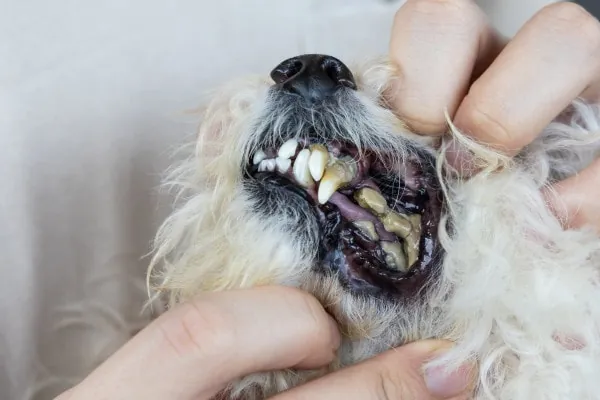
The most frequent culprit behind a putrid smell is severe periodontal disease. When bacteria build up in the mouth, they form plaque and tartar that eventually lead to gingivitis and abscesses. An infected tooth root can create a pocket of pus that emits a distinct, sickly-sweet or rotting odor.
You can check this by gently lifting your dog’s lip to inspect the gums for inflammation, bleeding, or exposed tooth roots. If you see dark tartar or swelling, your dog requires a professional dental cleaning under anesthesia.
Problems With Ears and Skin
If the smell isn’t coming from the mouth, check the ears and skin. Chronic ear infections, particularly those involving Pseudomonas bacteria, produce a smell that many owners describe as rotting or metallic. The ears may appear red, swollen, or contain a dark, waxy discharge.
Similarly, skin folds or “hot spots” (acute moist dermatitis) can become infected. These areas trap moisture and bacteria, leading to tissue damage that smells like decay. According to the American Veterinary Medical Association, ear infections are among the most common reasons owners bring their pets to a clinic.
Anal Gland Issues Explained
The anal glands are two small sacs located on either side of the anus that secrete a pungent fluid. If these glands become impacted or infected, the fluid can thicken and become trapped, eventually leading to an abscess that ruptures. This rupture releases a foul, fishy, or death-like smell that’s unmistakable. If you notice your dog “scooting” across the floor or biting at their hindquarters, the anal glands are likely the source of the odor and the discomfort.
Identifying Why Your Dog Smells Like Death

Sometimes, a dog has a wound that’s hidden by thick fur. A puncture from a fight, a thorn, or a surgical site that has become infected can develop a pocket of pus beneath the skin.
As the tissue dies, it produces a foul odor. Because the fur covers the site, the infection can grow for days before you notice it. You should perform a “scent test” by smelling different parts of the dog’s body to localize the area where the odor is strongest.
Diagnostic Steps for Owners
To help your veterinarian diagnose the issue, keep a log of when the smell started and if it has changed in intensity. Take note of any changes in behavior, such as hiding, irritability, or decreased appetite. You can use the following table to organize your findings before your appointment.
| Observation Area | What to Look For | Potential Finding |
|---|---|---|
| Oral Cavity | Loose teeth, red gums | Periodontal disease |
| Skin Folds | Redness, hair loss, pus | Moist dermatitis |
| Ears | Dark discharge, swelling | Bacterial infection |
| Anal Area | Scooting, swelling, blood | Impacted glands |
Common Treatment Options
Treatment depends entirely on the source of the smell. If the cause is dental, the vet will perform a professional cleaning, potentially extract damaged teeth, and prescribe antibiotics. For skin infections, treatment often involves medicated shampoos and oral antibiotics. Ear infections are typically managed with topical drops and cleaning solutions. Never attempt to treat these conditions with human medications, as many are toxic to dogs.
Why Home Remedies Usually Fail
Many owners attempt to mask the smell with dog-friendly colognes or frequent bathing. Unfortunately, this is a counterproductive approach. If the smell is caused by a deep-seated infection or necrosis, washing the surface of the skin will provide only minutes of relief. Furthermore, frequent bathing can disrupt the natural oils of the skin, potentially worsening hot spots or skin irritation. Focus on identifying the root cause rather than masking the symptoms.
Pro Tips for Daily Care
Warning: Never attempt to express your dog’s anal glands yourself unless you have been trained by a professional, as improper technique can cause significant internal damage or rupture. Pro Tip: To keep your dog’s oral health in check, introduce daily tooth brushing using a canine-specific enzymatic toothpaste, which helps break down the plaque-forming bacteria that cause bad breath.
When to See a Specialist
If your veterinarian treats the infection but the smell returns, or if the initial treatment is ineffective, you may need a referral to a veterinary internal medicine specialist or a dermatologist. Sometimes, chronic foul odors are a symptom of an underlying metabolic disease, such as kidney failure or diabetes, which can alter the body’s chemistry and breath. A specialist can perform advanced diagnostics, such as blood panels or biopsies, to rule out more serious systemic conditions.
Related guides
Frequently Asked Questions
Can a dog’s diet cause a death-like smell?
Yes, certain low-quality diets or foods that are difficult for your dog to digest can contribute to systemic odors. If a dog is experiencing chronic gas or digestive distress, the smell may permeate their skin and breath. However, a “death-like” odor specifically usually indicates an infection rather than just poor diet, so you should prioritize a vet visit to rule out medical pathology first.
Is the smell a sign of cancer?
In some cases, yes. Oral tumors or skin cancers that become ulcerated and infected can produce a very strong, necrotic odor. As the tumor grows, it may outstrip its own blood supply, causing the tissue to die and decay while still attached to the dog. This is why any persistent, foul-smelling mass or growth must be evaluated by a professional immediately.
Should I use hydrogen peroxide on the smell?
No, never use hydrogen peroxide on your dog’s skin or in their mouth. It’s too harsh for canine tissue, can delay the healing process, and may cause chemical burns. It’s also toxic if ingested in significant quantities. Stick to clean, lukewarm water for minor surface cleaning until you can see your veterinarian for an appropriate, safe, and effective treatment plan.
Does a bad smell always mean the dog is sick?
Not always, but it’s rarely normal. While a dog’s natural musk can be strong after playing outside or getting wet, a “death-like” odor is a clear red flag. If your dog smells like decay, something is biologically wrong. Even if your dog is acting normally, the smell is a warning sign that an infection is present and likely spreading, so prompt medical investigation is warranted.
How much will a vet visit cost?
You should expect to pay a range of $80 to $350 for an initial consultation and basic diagnostic testing. If the issue requires deeper treatment, such as dental surgery or extensive wound care, the total cost could rise to a range of $450 to $1,500. Prices vary significantly based on your geographic location and the specific medical services required to resolve the odor.
Conclusion
The most effective way to resolve this issue is to schedule a professional veterinary examination as soon as possible. Don’t wait for the smell to disappear on its own, as the underlying infection will likely progress and cause your pet unnecessary pain. Contact your local clinic today to describe the symptoms and secure an appointment, ensuring your dog receives the necessary care to restore their health and comfort.