
The most likely cause is a hidden moisture problem, such as damp carpet, wet subfloors, or old pet stains, which can release an ammonia smell matching cat urine. To confirm, sniff around baseboards and floor edges in a closed room, looking for discoloration or tacky surfaces. If the source remains elusive, test your nose in each room after keeping windows shut for an hour.
Likely causes of a urine smell with no cats
A table ranks the causes by how often each is the real one. The last column tells you whether a normal person can safely handle it or should call someone qualified.
| Cause | How common | How to confirm it | Fix it yourself? |
|---|---|---|---|
| Damp or wet subfloor | Most of the time | Smell near floor edges after rain or a spill | Yes, with care |
| Old pet stain in carpet or padding | In a small number of cases | Blacklight shows a glow in darkened room | Yes |
| Mold growing behind walls | Less common | Musty note under the ammonia smell | No |
| Sewer gas from a dry drain trap | Rare | Smell strongest near a sink or floor drain | Yes |
| Freon leak from an appliance | Very rare | Sweet chemical note alongside the urine smell | No |
| Rodent urine in insulation or vents | Rare | Droppings or nesting material nearby | Yes, with care |
Damp subfloor or wet carpet
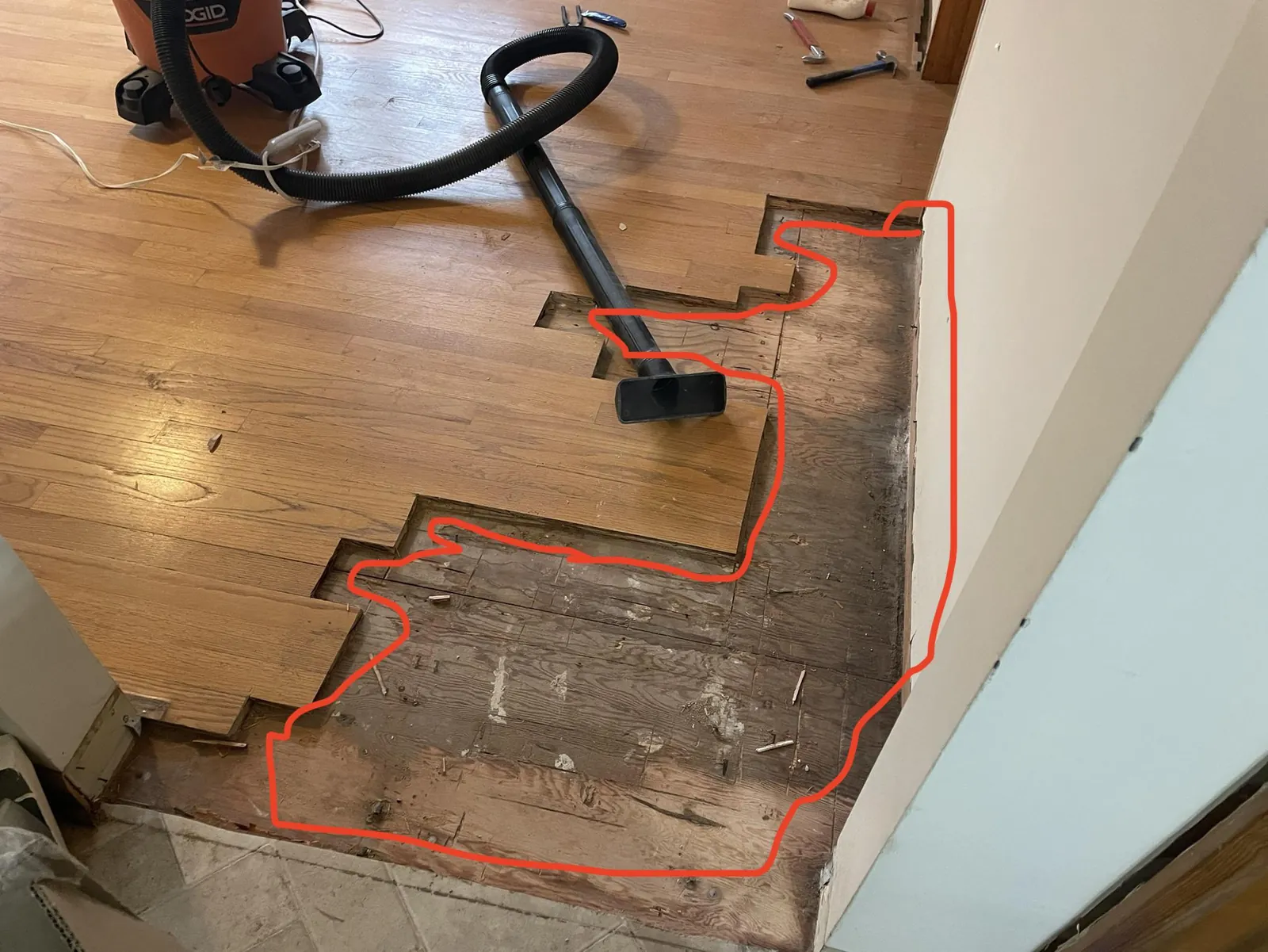
Moisture trapped under flooring breaks down and releases ammonia, which smells almost identical to cat urine. It happens most often after a spill, a leak, or flooding that soaked the padding but never fully dried. You confirm it by pressing a clean white cloth against the carpet near walls and checking for dampness, then sniffing the cloth. Lift a floor vent or the edge of baseboard trim and smell the gap underneath.
If the subfloor is wet, dry the area with fans and a dehumidifier for as many days as it takes to feel dry to the touch. Replace carpet padding that stays damp, because it won’t dry out on its own. The cost depends on whether you rent equipment or pay someone to pull up flooring, and you can read the rental rates at your local hardware store.
Mold inside a wall or ceiling
Mold produces a sharp, ammonia-like stench that people often mistake for urine, especially in bathrooms, kitchens, or rooms with poor airflow. You tell it apart from a damp floor because the smell is strongest at wall height, not down at the floorboards.
Look for peeling paint, dark speckles, or soft drywall, and sniff around electrical outlets and corners. If you see a slight bulge in the plaster or wallpaper, press it gently with a gloved finger. If the surface feels spongy or gives way, you have a structural moisture issue rather than a surface stain.
Don’t cut into a wall yourself. Opening it releases concentrated spores into your living space, which can trigger severe respiratory reactions. If you see visible growth, treat the area as a health hazard. A mold inspector or remediation company handles testing and removal. The work takes longer when the mold is hidden, and you can find licensed professionals through your state or local health department.
Old pet stain from a previous owner
A former cat or dog may have urinated on carpet or padding years ago, and the salts left behind absorb moisture in humid weather, which releases trapped odors. You confirm it by turning off the lights and scanning the floor with a blacklight; old urine glows pale yellow or green.
The stain may be under a rug or behind furniture you haven’t moved since moving in. If the odor persists after a surface cleaning, pull back the carpet corner to inspect the pad. If the padding is stained dark or feels crusty, the urine has reached the subfloor.
Treat the spot with an enzymatic cleaner made for pet stains, saturating the area and letting it dry fully before walking on it. Don’t use steam cleaners on these spots, as the heat can set the stain and make it more difficult to remove. If the padding underneath is soaked, replacing it’s the only sure fix. Most homeowners attempt to scrub the carpet surface for hours, only to realize the source remains trapped in the foam pad below.
Less likely sources
Sewer gas from a dry drain trap occurs when water in a rarely used sink or floor drain evaporates, breaking the seal. If you smell rot near a drain, pour a quart of water down it to refill the trap. If the odor persists, the vent stack on your roof may be blocked by debris.
Rodent urine in insulation or vents creates a pungent, ammonia-like scent. Check your attic or crawl space for droppings or nesting materials. If you find them, don’t disturb the area, as stirring up dried waste can release harmful pathogens into your air.
A Freon leak from a refrigerator or air conditioner carries a faint, sweet, or chemical note. If your cooling appliance struggles to maintain temperature or runs constantly, shut it off immediately.
If the smell originates inside a wall, a hidden drain, or sealed cooling equipment, call a professional. Never cut into finished walls or open pressurized systems yourself. These repairs require specialized tools to prevent structural damage or chemical exposure.
What fixing it usually takes
Each fix asks for something different. A damp floor needs fans and a dehumidifier running for days, plus the time to move furniture and lift edges. Mold removal demands a professional with testing gear and protective equipment, and the job takes longer when the mold sits behind finished walls. An old stain needs an enzymatic cleaner and several hours of drying time per room, and it costs more when padding must be replaced.
A dry drain trap only needs water poured down it, which costs nothing. What you pay depends on the cause, the size of the area, and whether you do the work or hire someone. Get a real quote from a local contractor after they see the space, and check the official page of your state licensing board to confirm whoever you hire is qualified.
Frequently asked questions
Can mold smell like cat urine?
Yes. Some molds release an ammonia-like odor that’s easy to mistake for urine, especially in damp rooms. If the smell is strongest at wall height and you see discoloration or peeling paint, mold is the likely cause.
Why does the smell get worse in humid weather?
Humidity causes dried urine salts in old carpet or padding to absorb moisture, which releases trapped odors, and it also feeds mold growth behind walls. More moisture in the air means more odor released into the room.
How long does it take to dry out a wet subfloor?
It takes as many days as the water allows, which depends on airflow, temperature, and how deep the moisture went. Run fans and a dehumidifier and check the floor daily until it feels dry.
Is it safe to stay in the house while it smells?
Usually yes, but a strong sewer gas or mold smell can irritate breathing. If you feel headaches, dizziness, or throat irritation, leave and call a professional.
What happens if I ignore it?
A wet floor keeps rotting, mold spreads through drywall, and an old stain never goes away on its own. The longer you wait, the more the repair grows.
Does it matter that I never owned a cat?
No. Previous owners, pets, rodents, or moisture can all create the smell without any cat ever living in the house.
Can an air conditioner leak smell like urine?
A refrigerant leak can carry a sharp chemical note that some people describe as urine-like, but it usually comes with poor cooling. Turn the unit off and call a technician.
Conclusion
If the source is hidden inside walls, under floors, or inside appliances, stop and bring in someone qualified. The checks above are all a homeowner can safely do; anything past that line belongs to a plumber, mold specialist, or appliance repair person.