
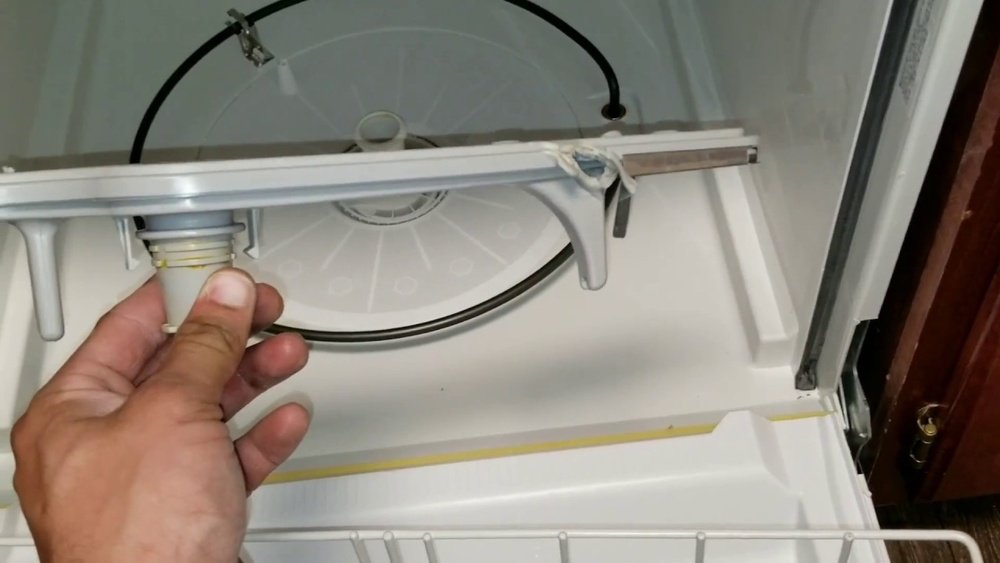
The acrid smell of burning plastic emanating from your dishwasher can be alarming, conjuring images of melted components and potential fire hazards. This distinct odor isn’t just unpleasant; it’s a clear signal that something is amiss within the appliance. Ignoring it can lead to more significant damage, reduced efficiency, and even safety risks.
Understanding the potential causes behind this smell is the first step toward diagnosing and resolving the issue, ensuring your dishwasher continues to operate safely and effectively.
This comprehensive guide will walk you through the most common reasons your dishwasher might smell like burning plastic, from simple obstructions to more complex electrical issues. We’ll cover troubleshooting steps, maintenance tips, and when it’s time to call in a professional, empowering you to tackle this smoky situation with confidence.
Key Takeaways
- Foreign Objects: Small plastic items accidentally left in the dishwasher are a frequent culprit for burning plastic smells.
- Heating Element Issues: A malfunctioning or obstructed heating element can overheat and melt nearby plastic components.
- Motor Problems: Overheating motor bearings or electrical faults within the motor can produce burning smells.
- Pump or Filter Blockages: Clogged pumps or filters can cause components to overheat due to increased strain.
- Electrical Wiring: Damaged or loose electrical wiring is a serious hazard and a potential source of burning plastic odors.
- Regular Maintenance is Crucial: Cleaning filters, inspecting spray arms, and performing occasional deep cleans can prevent many common issues.
- Safety First: If the smell is strong, persistent, or accompanied by smoke, disconnect power immediately and consult a professional.

Credit: www.youtube.com
Common Causes Of Burning Plastic Smell In Dishwashers
The appearance of a burning plastic smell from your dishwasher often points to a localized overheating event. This heat can be generated by friction, electrical malfunction, or obstruction causing components to work harder than intended. Identifying the source requires a systematic approach, moving from the simplest explanations to more complex ones.
Foreign Objects In The Dishwasher
One of the most common and easily rectifiable causes of a burning plastic smell is the presence of foreign objects, particularly small plastic items that have fallen from dishes or utensils.
- What to Look For: This could include plastic lids from food containers, small plastic toys that somehow found their way into the wash, pieces of plastic cutlery, or even plastic labels that have detached from dishes. These items can fall to the bottom of the dishwasher tub, often near the heating element or the drain pump.
- Why it Smells: During the wash or dry cycle, the dishwasher’s heating element, designed to heat water and air, can come into direct contact with these plastic items. The intense heat causes the plastic to melt and burn, releasing the characteristic acrid odor. This can also happen if a plastic item obstructs the circulation pump or drain pump, causing them to work harder and potentially overheat.
- Troubleshooting Steps:
- Unplug the Dishwasher: Always disconnect the power supply before performing any inspection.
- Empty the Dishwasher: Remove all racks and dishes.
- Inspect the Tub Bottom: Carefully examine the bottom of the dishwasher tub, paying close attention to the area around the heating element (if visible) and the drain cover.
- Check the Filter: Remove and clean the dishwasher’s filter. Small plastic debris can get lodged here.
- Look Under Racks: Sometimes items can get caught on the rack wheels or slide underneath them.
- Remove and Discard: If you find any foreign plastic objects, remove them immediately.
- Run a Cleaning Cycle: After removing the obstruction, run an empty hot water cycle with a dishwasher cleaner to help remove any residue or lingering smell.
Malfunctioning Heating Element
The heating element is crucial for both heating the wash water and often for drying dishes. When it malfunctions, it can become a source of the burning plastic smell.
- Overheating Element: In some cases, the heating element itself might overheat due to an internal fault or a faulty thermostat controlling its temperature. This can cause the element’s protective coating to break down or even melt surrounding plastic components if they are too close.
- Obstruction on the Element: As mentioned, foreign objects can rest on the heating element. However, sometimes food debris or mineral buildup can accumulate on the element, causing it to heat unevenly and potentially char or melt nearby plastic seals or parts.
- Signs of a Faulty Element:
- The smell is strongest during or immediately after the heating cycle.
- Dishes are not getting hot enough or are not drying properly.
- Visible discoloration or damage to the heating element itself.
- A persistent burning smell even after removing obvious obstructions.
- What to Do: If you suspect the heating element is the culprit, it’s generally best to leave this repair to a qualified appliance technician. Replacing a heating element involves working with electrical components and requires specific knowledge and tools.
Issues With The Circulation Or Drain Pump
The pumps are vital for moving water through the dishwasher. If they become clogged or their motors fail, they can generate heat and odors.
- Clogged Pumps: The circulation pump disperses water through the spray arms, while the drain pump removes dirty water. If either pump is blocked by debris (food particles, glass shards, plastic fragments), it has to work harder to push water. This increased strain can cause the motor to overheat, leading to a burning smell, often described as electrical or plastic.
- Motor Bearings: The motors that drive these pumps have bearings. If these bearings become worn or dry, they can create friction and heat, which can melt plastic casings or insulation nearby.
- Electrical Faults: The motor itself could have an electrical fault, such as a short circuit or failing windings, which can generate excessive heat and a burning odor.
- Identifying Pump Problems:
- The smell might be accompanied by unusual noises during the wash or drain cycles (grinding, whining).
- Water may not be circulating properly, leading to poor cleaning.
- The dishwasher may not be draining effectively.
- The smell might be more pronounced when the pump is actively running.
- Professional Diagnosis: Like the heating element, pump issues often require professional diagnosis and repair. Accessing and replacing pumps can be complex and involve disconnecting water lines and electrical connections.
Motor Overheating
The main motor in a dishwasher is typically responsible for driving the circulation pump. If this motor overheats, it can produce a distinct burning smell.
- Causes of Motor Overheating:
- Worn Bearings: Similar to pump motors, the main motor’s bearings can wear out, increasing friction and heat.
- Electrical Issues: Faulty windings, a failing capacitor, or internal shorts can cause the motor to draw too much current and overheat.
- Ventilation Blockage: Dishwashers have vents to help cool the motor. If these vents become blocked by dust, debris, or insulation, the motor can’t dissipate heat effectively.
- Excessive Strain: If the dishwasher is consistently overloaded or if there are blockages in the water circulation system, the motor may be under constant strain, leading to overheating.
- Symptoms to Watch For:
- A persistent burning smell that doesn’t seem tied to the heating element.
- The smell might be stronger when the dishwasher is in the main wash cycle.
- The dishwasher might stop mid-cycle or fail to start.
- Unusual humming or grinding noises from the motor area.
- Safety and Repair: Motor issues are serious. If you suspect motor overheating, turn off the power immediately. Attempting to repair a motor without proper training can be dangerous and may cause further damage. A qualified technician will need to diagnose the specific fault, which could range from cleaning vents to replacing the motor.
Damaged Or Loose Electrical Wiring
Faulty electrical connections are one of the most dangerous reasons for a burning plastic smell. This indicates a potential short circuit or arcing, which poses a fire risk.
- How it Happens: Over time, wires can become brittle, insulation can crack due to heat and vibration, or connections can loosen. If a wire’s insulation melts or a connection becomes loose, it can cause arcing (sparks jumping across a gap) or a short circuit, generating intense heat and melting the surrounding plastic insulation.
- Where to Look: This is often harder for a homeowner to diagnose safely. Potential areas include:
- Connections to the heating element.
- Connections to the motor.
- Connections within the control panel.
- The main power supply cord connection.
- Warning Signs:
- A strong, acrid burning smell, sometimes accompanied by visible smoke.
- The smell might be strongest near the control panel or the base of the appliance.
- The dishwasher may fail to power on or operate erratically.
- Tripped circuit breakers when the dishwasher is used.
- Immediate Action Required: If you smell burning plastic and suspect faulty wiring, immediately shut off the power to the dishwasher at the circuit breaker. Do not attempt to operate the appliance. Contact a qualified appliance repair technician or an electrician experienced with appliance repair. This is a critical safety issue.
Other Less Common Causes
While the above cover the most frequent culprits, a few other less common issues can lead to a burning plastic smell.
- Control Panel Malfunction: The electronic control board or its associated wiring can overheat due to a fault, melting nearby plastic components or insulation. This often results in erratic operation of the dishwasher.
- Ventilation System Issues: Some dishwashers have specific ventilation systems, often involving a fan. If this fan motor overheats or if the vent is blocked, it can cause a burning smell.
- Detergent Buildup: While less likely to cause a strong “burning plastic” smell, excessive buildup of detergent or rinse aid residue, especially if it gets onto the heating element, can sometimes char and produce an unpleasant odor. This is usually more of a chemical or acrid smell than distinctly plastic.

Credit: blog.rentacenter.com
Troubleshooting Steps: A Practical Guide
When faced with the disconcerting smell of burning plastic, a methodical troubleshooting process can help pinpoint the issue and, in many cases, resolve it. Always prioritize safety by ensuring the appliance is powered off before you begin.
Safety First: Power Down And Disconnect
Before attempting any inspection, the most critical step is to disconnect the power supply to the dishwasher. This can be done by unplugging the unit from the wall outlet (if accessible) or, more commonly, by switching off the corresponding circuit breaker in your home’s electrical panel. This prevents electrical shock and reduces the risk of fire if the issue involves wiring.
Step-by-step Inspection
- Visual Inspection of the Interior:
- Empty Everything: Remove all dishes, cutlery baskets, and dishwasher racks. This provides a clear view of the tub’s interior.
- Check for Foreign Objects: Carefully examine the bottom of the tub, the door seal, and the areas around the spray arms and heating element. Look for any small plastic items, food debris, or foreign materials. Pay special attention to the drain filter area.
- Inspect the Door Seal: Check the rubber gasket around the door for any signs of melting, discoloration, or damage. Sometimes, a piece of plastic can get caught here during the cycle.
- Examine the Filter and Drain Area:
- Locate the Filter: Most dishwashers have a removable filter at the bottom of the tub, often under the lower spray arm. Consult your dishwasher’s manual if you’re unsure how to access it.
- Clean Thoroughly: Remove the filter and wash it under running water. Use a soft brush to remove any trapped food particles, glass shards, or plastic debris.
- Inspect the Drain Pump Inlet: With the filter removed, look into the opening for the drain pump. You might be able to see if any obstructions are visible near the pump inlet. Do not reach into the pump housing unless you are certain the power is off and you know what you are doing, as there can be sharp objects.
- Inspect the Heating Element:
- Locate the Element: The heating element is typically a U-shaped metal coil at the bottom of the tub.
- Look for Damage or Debris: Check if any plastic items are resting directly on the element. Also, look for any signs of damage, corrosion, or melted insulation on the element itself or its connections.
- Clean Gently: If debris is present, carefully remove it once the element has cooled. Avoid scrubbing aggressively, which could damage the element.
- Check the Spray Arms:
- Remove and Inspect: Unscrew or unclip the upper and lower spray arms. Check the small holes for clogs (food particles, mineral buildup).
- Look for Damage: Inspect the spray arms themselves for any cracks or signs of melting, particularly near their connection points.
- Inspect the Door and Interior Plastics:
- Look for Melting: Examine the plastic components inside the dishwasher door, the detergent dispenser housing, and any other plastic liners or parts for signs of warping, melting, or discoloration.
Running A Test Cycle (with Caution)
After performing a thorough visual inspection and cleaning, you can cautiously attempt to run a test cycle.
- Ensure Safety: Double-check that all tools are removed, the filter is reinstalled correctly, and the racks are properly placed.
- Run an Empty Hot Cycle: Select a high-temperature, empty wash cycle.
- Monitor Closely: Stay near the dishwasher during the cycle, especially during the heating and drying phases.
- Listen and Smell: Pay attention to any unusual noises or returning smells. If the burning plastic smell reappears, note when it occurs (e.g., during heating, draining, or washing) as this can provide clues.
- Power Off Immediately: If the smell returns or you notice any smoke or alarming sounds, turn off the power at the breaker immediately.
Maintenance Tips To Prevent Future Smells
Preventative maintenance is key to avoiding issues like burning plastic smells and ensuring the longevity of your dishwasher. Regular cleaning and attention can save you from costly repairs and unpleasant odors.
Regular Cleaning Schedule
- After Every Wash: Scrape off large food debris from dishes before loading. This is the most effective way to prevent clogs and buildup.
- Weekly:
- Wipe Down Door Seals: Use a damp cloth to clean the rubber gasket around the door. This removes food particles and prevents mold growth.
- Check Filter: Give the filter a quick rinse if you notice significant debris.
- Monthly:
- Clean the Filter Thoroughly: Remove and wash the filter with warm, soapy water and a soft brush.
- Clean Spray Arms: Remove spray arms and clear any blocked holes with a toothpick or needle. Rinse them thoroughly.
- Wipe Down Interior: Use a damp cloth to wipe down the interior walls and door.
Deep Cleaning And Deodorizing
- Monthly or Bi-Monthly: Run an empty hot cycle with a specialized dishwasher cleaner or a cup of white vinegar placed securely on the top rack. Vinegar helps break down grease and mineral deposits.
- Baking Soda Treatment: For lingering odors, sprinkle a half cup of baking soda on the bottom of the dishwasher tub and run a short, hot cycle. Baking soda is a natural deodorizer.
Professional Servicing
- Annual Check-up: Consider having a qualified technician perform an annual check-up. They can inspect internal components, check electrical connections, and ensure everything is functioning optimally. This is especially recommended for older appliances.
Proper Loading Techniques
- Avoid Overcrowding: Ensure water and detergent can reach all surfaces.
- Secure Small Items: Place small plastic items (like lids or utensils) in the cutlery basket and ensure they are secured so they don’t fall through and interfere with the heating element or pump.
- Check for Obstructions: Make sure no items are blocking the spray arms’ rotation.

Credit: www.youtube.com
When To Call A Professional
While many minor issues can be resolved with DIY troubleshooting, certain situations warrant professional attention. Attempting complex repairs without the necessary expertise can be dangerous and may lead to further damage.
Signs You Need A Technician
- Persistent Smell After Cleaning: If you’ve thoroughly cleaned the dishwasher, removed all visible debris, and the burning plastic smell returns, it likely indicates a more serious internal problem.
- Visible Smoke or Sparks: If you see smoke emanating from the dishwasher or notice sparks, immediately shut off the power at the breaker and call for professional service. This is a critical fire hazard.
- Electrical Issues: Any suspected problems with wiring, the motor, the heating element, or the control board should be handled by a qualified appliance repair technician. They have the tools and knowledge to diagnose and safely repair electrical faults.
- Unusual Noises: Grinding, squealing, or loud humming noises, especially when accompanied by a burning smell, often point to motor or pump bearing failure.
- Complete Malfunction: If the dishwasher fails to turn on, stops mid-cycle, or exhibits other severe operational problems along with the smell, it’s time to call a pro.
- Water Leaks: While not directly related to the smell, significant water leaks combined with a burning odor could indicate a more complex issue involving heating elements or seals.
Choosing A Repair Service
- Look for Certified Technicians: Opt for technicians certified by appliance manufacturers or reputable organizations.
- Read Reviews: Check online reviews and ask for recommendations from friends or neighbors.
- Get Quotes: Obtain estimates from multiple service providers if possible, especially for more significant repairs.
- Inquire About Warranties: Ask about the warranty on parts and labor for the repair.
A professional diagnosis ensures the problem is correctly identified and fixed safely, preventing potential hazards and further damage to your appliance.
Dishwasher Smell Troubleshooting Table
This table summarizes common smells and their likely causes, helping you diagnose issues more effectively.
| Smell | Likely Cause(s) | What to Check First | When to Call a Professional |
|---|---|---|---|
| **Burning Plastic** | Foreign plastic object, faulty heating element, motor issue, electrical wiring fault | Foreign objects, filter, heating element for debris. | If smell persists after cleaning, or if suspecting motor/wiring issues. **Immediate call if smoke or sparks are present.** |
| **Rotten Eggs / Sulfur** | Bacteria buildup in standing water, food debris, hard water deposits | Filter, drain pump, tub interior, door seal. Run a cleaning cycle with vinegar or a specialized cleaner. | If smell persists after thorough cleaning and running deodorizing cycles. May indicate a persistent drain blockage or pump issue. |
| **Musty / Mildew** | Mold and mildew growth due to moisture and lack of ventilation | Door seal, interior walls, racks, filter. Clean regularly, leave door ajar after cycles. | If smell is strong and doesn’t dissipate after cleaning and airing out the dishwasher. Could indicate mold growth in less accessible areas. |
| **Chemical / Bleach-like** | Overuse of detergent, rinse aid, or cleaning products; reaction with certain foods. | Check detergent dispenser, ensure proper dosage, avoid mixing cleaners. Run rinse cycles. | If smell is very strong and persists, or if accompanied by unusual residue. Could indicate a faulty dispenser or unexpected chemical reaction. |
| **Greasy / Rancid Oil** | Trapped grease and food oils in filters, pump, or tub | Filter, pump inlet, interior walls. Run hot cycles with a degreasing cleaner or vinegar. | If smell persists after deep cleaning. May indicate grease buildup in the pump or drain lines that requires professional cleaning or component replacement. |
Frequently Asked Questions
What Should I Do If I Smell Burning Plastic Immediately After Installing A New Dishwasher?
If you detect a burning plastic smell from a brand-new dishwasher, it’s crucial to stop the cycle immediately and unplug the unit. While minor odors from new components burning off are sometimes possible, a distinct burning plastic smell is not typical and could indicate a manufacturing defect or damage during shipping.
Contact the retailer or manufacturer’s customer support right away to discuss the issue. Do not continue using the appliance until it has been inspected.
Can A Simple Plastic Lid Cause Significant Damage?
Yes, even a small plastic lid can cause damage if it interferes with critical components. If a plastic lid falls onto the heating element, it can melt and damage the element itself. If it gets into the pump mechanism, it can obstruct the pump, causing the motor to overheat and potentially burn out.
The melted plastic residue can also be difficult to remove and may affect performance.
How Often Should I Clean My Dishwasher Filter?
It’s recommended to clean your dishwasher filter at least once a month. However, if you frequently wash heavily soiled dishes or notice slower draining, you may need to clean it more often, perhaps even weekly. A clogged filter is a common cause of poor performance and can contribute to odors and component strain.
Is It Safe To Run The Dishwasher If I Smell A Faint Burning Plastic Odor?
While a very faint smell might be attributed to initial run-off from new parts, it’s generally not