
An infection or a change in your natural bacterial balance is usually why discharge smells bad. This is often a sign of bacterial vaginosis (BV) or a yeast infection, and you shouldn’t ignore it if it comes with itching or pain. A quick way to check is to look for a change in the color or consistency of the fluid, which often happens when your normal flora is disrupted.
Why your discharge smells different
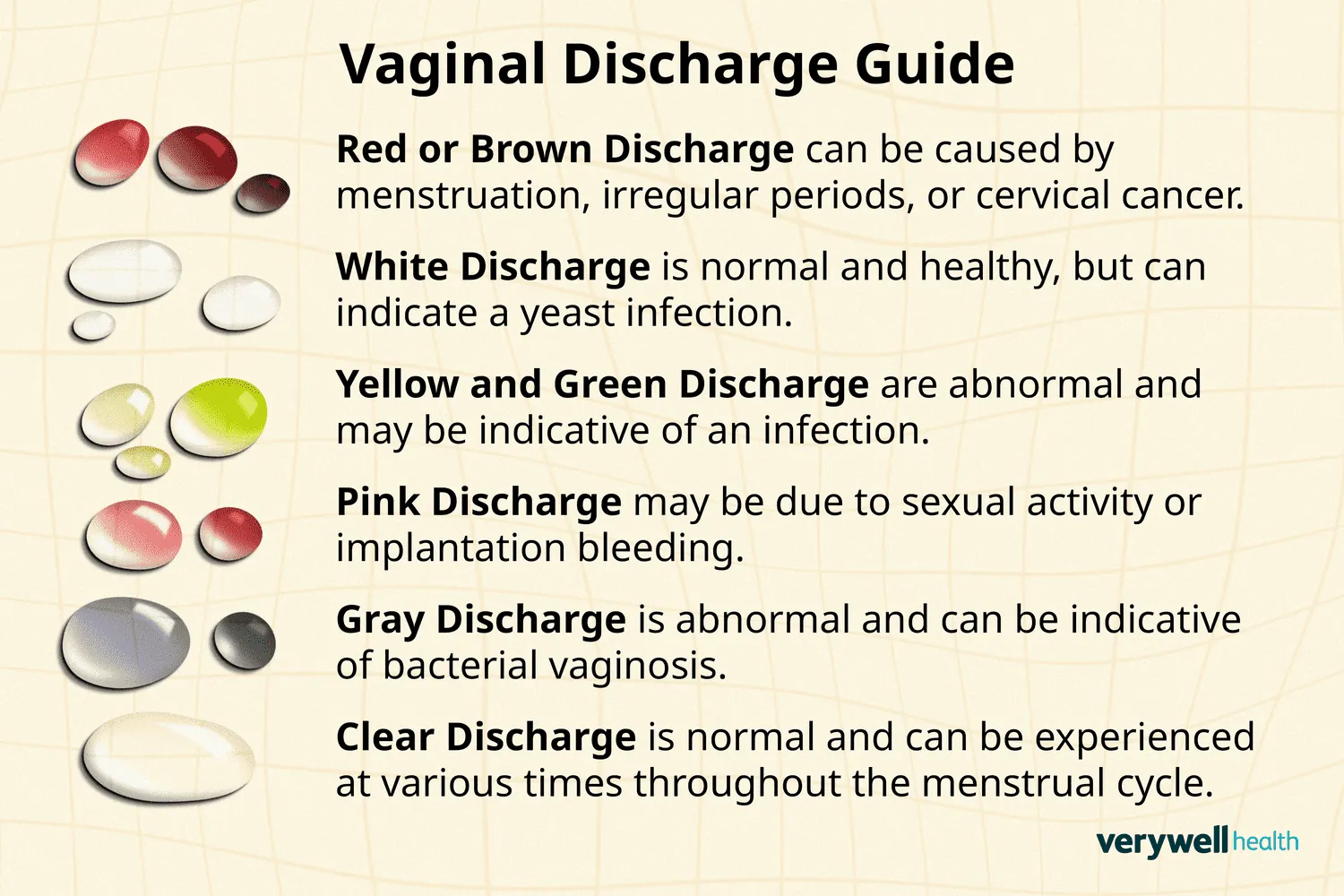
You can often identify the cause by looking at how your discharge looks and feels compared to your usual cycle. If your discharge is thin, grey, or white and has a fishy odor, it’s likely bacterial. If it’s thick and white like cottage cheese, it’s more often a yeast issue.
| What you notice | What it usually means | What to do first |
|---|---|---|
| Fishy odor | Bacterial vaginosis | Visit a clinic |
| Cottage cheese texture | Yeast infection | Consult a pharmacist |
| Green or yellow color | Trichomoniasis | See a doctor |
| Strong, foul odor | Retained foreign object | Seek medical help |
| Itching and burning | Infection or irritation | Avoid scented soaps |
| Spotting between periods | Hormonal fluctuation | Track your cycle |
Distinguish between normal shifts and genuine concerns by checking the duration. A healthy cycle typically produces clear or milky fluid that varies in consistency throughout the month. If the change persists or causes physical pain, consult a healthcare provider for an accurate diagnosis.
Many people mistake simple irritation for an infection and over-treat with antifungal creams. This often worsens the underlying issue by altering your natural pH balance. If you feel burning but see no change in discharge, switch to fragrance-free cleansers for forty-eight hours. If the sensation remains, you need a professional evaluation.
Bacterial imbalance and common causes
A disruption in the natural balance of your vaginal bacteria is the most frequent reason for an unpleasant scent. When the good bacteria, known as lactobacilli, decrease, other types of bacteria can overgrow and lead to a condition called bacterial vaginosis. You can confirm this if the discharge appears thin and grey and the odor becomes more noticeable after sexual activity.
Many people mistakenly assume that scrubbing the area with scented soaps or frequent douching will neutralize the smell. These habits actually strip away the protective acidic environment, allowing harmful bacteria to thrive more aggressively. If you’re currently experiencing active symptoms, stop all external cleansing agents immediately.
The fix involves medical treatment, usually in the form of antibiotics prescribed by a healthcare provider. If you suspect this condition, avoid douching because it washes away the remaining good bacteria and makes the imbalance worse.
You’ll know the treatment is working when the odor fades and your discharge returns to its normal clear or milky appearance. If the symptoms persist after a full course of medication, you must return to your doctor for a follow-up test to rule out a resistant strain.
Yeast overgrowth and irritation
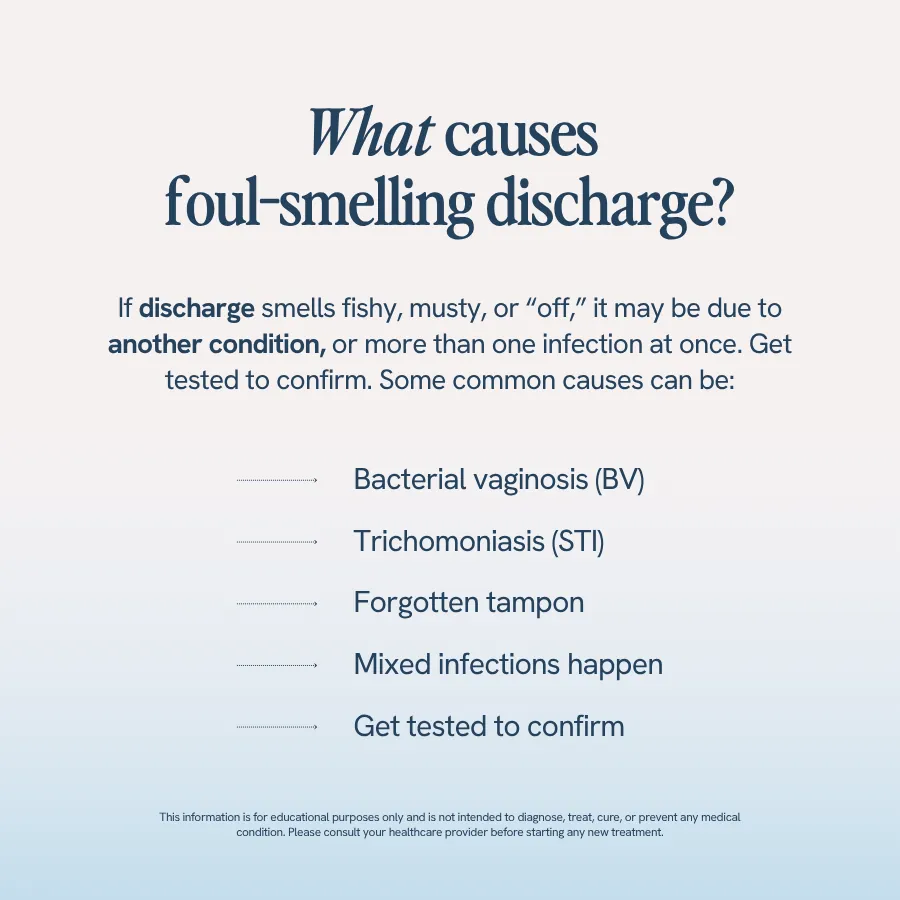
A yeast infection occurs when a fungus called Candida grows too much, which often changes the scent and texture of your discharge. Unlike bacterial issues, this often feels like a thick, white, clumping substance that’s similar to cottage cheese. You can tell this apart from other infections because it’s usually accompanied by intense itching and redness around the vulva.
The fix typically involves antifungal creams or pills that you can get from a pharmacy or a doctor. First-time sufferers should see a doctor to confirm the diagnosis before using over-the-counter medicine. According to the Office on Women’s Health, these infections aren’t classified as sexually transmitted infections, though they can cause significant discomfort. You’ll know it’s clearing up when the itching stops and the discharge returns to its normal consistency.
External factors and hygiene habits
Sometimes an odor isn’t caused by an internal infection but by external factors or trapped moisture. This can happen if you wear tight, non-breathable synthetic underwear that traps sweat and bacteria near the skin. If you notice the smell is only present after long periods of exercise or on very hot days, it’s likely related to sweat rather than an infection.
The fix is simple: switch to loose-fitting cotton underwear to allow your skin to breathe and keep the area dry. If the odor goes away after a day of wearing breathable clothing and washing with water only, it was likely just sweat.
However, if the smell is persistent or foul regardless of your clothing choices, it isn’t just a hygiene issue and requires a professional check. This isn’t for people who have sudden, sharp pelvic pain, as that requires emergency care rather than a change in underwear.
When to see a professional

You must stop trying to manage this at home if you notice specific warning signs that point to a more serious health issue. A doctor is necessary to provide the right diagnosis and treatment plan for your specific case.
Fever or chills accompanying the discharge often indicate a systemic pelvic infection requiring immediate antibiotics. If you experience severe pelvic or abdominal pain, seek immediate medical attention.
Discharge that’s bright green, yellow, or grey with a strong, foul smell suggests a bacterial imbalance or STI. Don’t wait for these symptoms to resolve on their own. If you have tried over-the-counter treatments for one full week without improvement, stop usage; continuing longer risks masking a condition that requires prescription-strength intervention.
Finally, if you develop hives, swelling, or raw skin irritation, you’re likely reacting to the product rather than the infection. Switch to plain water for hygiene and consult a provider immediately.
Related guides
Frequently asked questions
How long does it take for an infection to clear up?
Most vaginal infections clear up within 7 to 10 days of starting the correct medication prescribed by a doctor. You must finish the entire course of antibiotics or antifungals, even if the symptoms disappear early, to ensure the bacteria or yeast is fully eliminated from your system.
Is it safe to use scented soaps to hide the smell?
No, it isn’t safe to use scented soaps because they disrupt your natural pH balance and often make the odor worse. You should only wash the external area with warm water or a very mild, fragrance-free cleanser to avoid further irritation of the sensitive skin.
Can diet change the smell of my discharge?
Yes, your diet can influence your natural body scent, though it rarely causes a foul or fishy odor. If you notice a change, consider if you have recently increased your intake of pungent foods like garlic, onions, or asparagus, which can temporarily alter your body’s natural secretions.
What happens if I ignore the smell?
If you ignore the smell, an underlying infection can worsen or spread to your upper reproductive tract. Untreated infections like bacterial vaginosis or trichomoniasis can increase your risk of other health complications, so you should always seek a professional diagnosis to get the correct treatment.
How often should I change my underwear?
You should change your underwear at least once a day, or more often if you’re sweating or notice excess moisture. Keeping the area dry is the best way to prevent the growth of odor-causing bacteria and yeast in the warm, enclosed environment of your pelvic region.
Does the smell indicate a sexually transmitted infection?
An unusual smell may indicate an infection, but it isn’t a reliable way to identify a sexually transmitted disease. Many infections don’t cause a strong odor and can only be detected through professional lab tests, so you should seek a screening if you have had unprotected sex.
Conclusion
It’s natural to feel concerned, but you don’t have to guess what’s going on. If the odor doesn’t go away after a few days, it’s best to schedule an appointment with your doctor. They’ll help you get the right treatment so you can start feeling like yourself again very soon.