
The most common cause when a dog ears smell is a buildup of yeast or bacteria inside the ear canal. It’s usually safe to clean the outer ear, but you shouldn’t insert anything deep into the canal. You can confirm this by gently lifting the ear flap to check for redness, swelling, or a dark, waxy discharge that looks like coffee grounds.
Why your dog ears smell
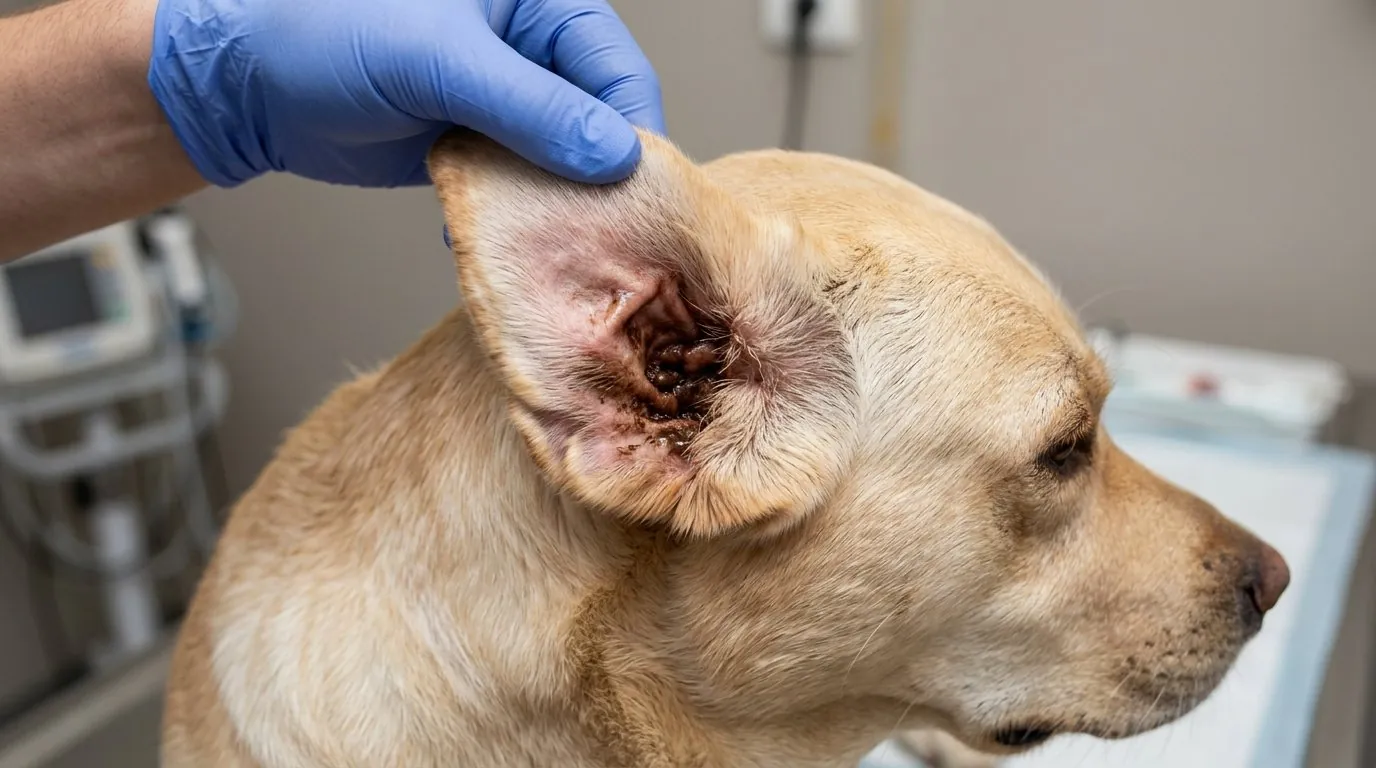
If your dog shakes its head often or rubs its ears against furniture, it’s likely dealing with irritation. Use this table to identify what your dog might be experiencing based on the signs you see.
| What you notice | What it usually means | What to do first |
|---|---|---|
| Dark, crumbly discharge | Yeast infection | Clean outer ear gently |
| Yellow or green pus | Bacterial infection | See a veterinarian |
| Constant head shaking | Ear mites or debris | Check for redness |
| Strong, sweet odor | Yeast overgrowth | Wipe with soft cloth |
| Red, swollen skin | Allergic reaction | Stop using current treats |
| Thick, crusty scabs | Skin condition or mites | Call your vet clinic |
A simple test determines if the issue is moisture or a deeper infection. Gently fold the ear flap back and look deep into the canal. If you see only surface debris, a routine cleaning solution will suffice. If the tissue appears angry, weeping, or inflamed, stop cleaning immediately. Pushing a swab into an inflamed canal often packs debris against the eardrum, which can lead to permanent hearing loss.
Many owners mistake seasonal allergies for ear mites. If the ears are red but lack the characteristic dark, coffee-ground discharge, the problem is likely systemic. In these cases, switching to a limited-ingredient diet for fourteen days often resolves the inflammation without medication. If the behavior persists after two weeks, consult a professional to rule out a ruptured eardrum.
Yeast and bacterial infections
An overgrowth of yeast or bacteria often happens because the ear environment is warm and moist. If your dog has floppy ears, the lack of airflow makes this problem much more likely. You can check for this by smelling the ear; a yeasty smell is often described as musty or like corn chips. If the smell is faint, use a cotton ball dampened with a mild, alcohol-free ear cleaner to wipe the visible parts of the ear flap.
If the ear is red or painful to the touch, don’t try to clean it yourself, as this can cause more harm. According to the American Veterinary Medical Association, owners should look for signs of pain or discharge and consult a professional if the condition persists. If you see improvement after a gentle wipe, keep the area dry after baths. If the smell remains or gets worse after 24 hours, you need a professional diagnosis.
Ear mites and foreign objects
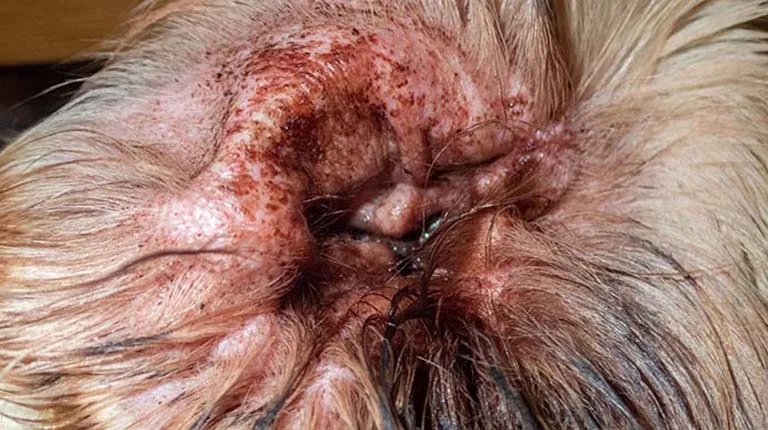
Ear mites are tiny parasites that cause intense itching and produce a dry, dark discharge. These mites are highly contagious between pets, so if you have multiple animals, check all of them for signs of scratching. To check for mites, look for movement in the ear wax or dark debris that resembles coffee grounds. Unlike a simple yeast infection, mites require specific medication to kill the parasites and their eggs.
Foreign objects like grass seeds or small twigs can also get trapped in the ear canal. If your dog suddenly starts tilting its head to one side or pawing at one ear specifically, a foreign object is a strong possibility. You should never try to pull anything out of the ear canal with tweezers, as you might push it deeper. If you suspect an object is stuck, take your dog to the vet immediately to avoid damage to the eardrum.
Allergic reactions and inflammation
Chronic allergies to food or environmental factors often show up as recurring ear infections. When a dog has an allergy, the skin inside the ear becomes inflamed, which creates the perfect conditions for yeast to grow. You can tell if allergies are the cause if the ear problem happens alongside itchy paws or a red belly. If you change your dog’s diet, it can take up to 8 weeks to see if the symptoms clear up.
If your dog is on a strict diet and still has smelly ears, the issue may be environmental, such as pollen or dust. If the ear looks inflamed but has no discharge, it’s likely irritation rather than an infection. Use a damp cloth to wipe away pollen after walks to reduce the load on your dog’s skin. If the redness doesn’t go away after a few days of keeping the area clean, see a vet for a formal diagnostic workup.
When to see a veterinarian
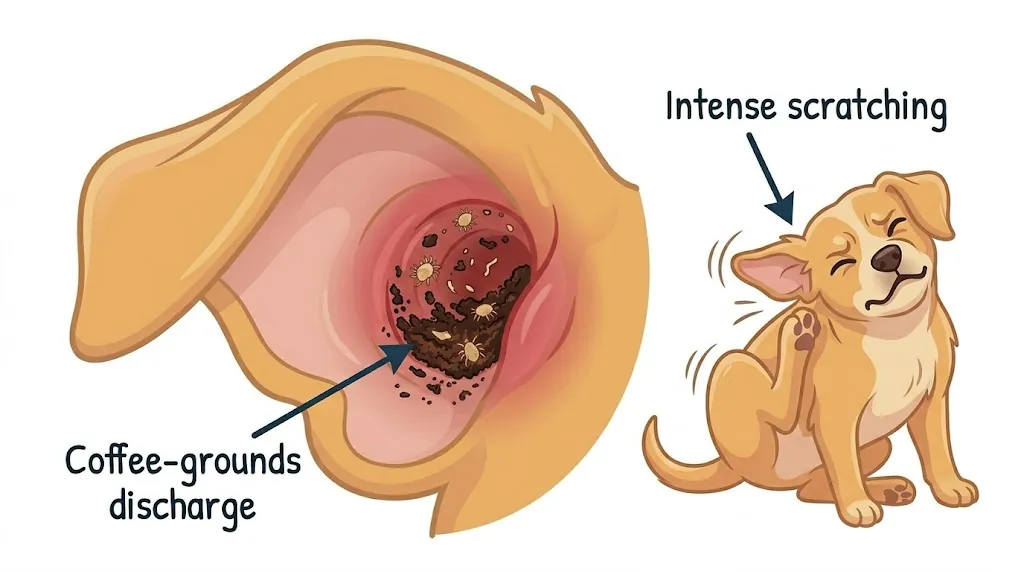
You must stop home treatment and contact a professional if you notice any of the following signs. These indicate that the issue is beyond simple cleaning and requires medical intervention:
The dog cries or whimpers when you touch the ear, which suggests deep pain. You see blood or thick, foul-smelling pus coming from the canal. The ear canal appears swollen shut, making it impossible to see inside. Your dog loses its balance or tilts its head constantly, which can indicate an inner ear issue. The symptoms don’t improve after 48 hours of keeping the ear clean and dry.
If you notice your dog scratching at the ear until it bleeds, seek help immediately. This behavior often points to a ruptured eardrum, which makes standard cleaning solutions dangerous. If the eardrum is compromised, certain medicated drops can cause permanent deafness.
If a vet prescribes drops, follow the exact dosage and duration they provide. Never use human ear drops or leftover medicine from a previous infection. These substances often contain ingredients that are toxic to a dog’s delicate inner ear structure. Always finish the full course of medication, even if the ear looks healthy after two days. Stopping early allows resistant bacteria to thrive.
Related guides
- Can You Cut MDF With a Table Saw: Tips for Clean Results in 2026
- How to Seal Burnt Wood: Step-by-Step Guide for a Clean Finish in 2026
- How to Use Mineral Spirits on Wood for Cleaning and Prep in 2026
Frequently asked questions
Can I use vinegar to clean my dog’s ears?
You shouldn’t use vinegar because it’s acidic and can sting or damage the sensitive skin inside an inflamed ear. Use a cleaner specifically designed for dogs, which is balanced to the correct pH level. If you don’t have a cleaner, use a clean, dry cloth for now.
How often should I clean my dog’s ears?
You should clean them once every 2 to 4 weeks if your dog is healthy and doesn’t have an active infection. Dogs that swim often or have long, floppy ears may need cleaning more frequently. Check the ears weekly to determine if they look dirty or smell unusual.
Is it safe to use Q-tips in dog ears?
It’s never safe to use cotton swabs or Q-tips inside the ear canal of a dog. You can only use them to wipe the outer flap, but inserting them into the canal risks pushing debris deeper or puncturing the eardrum. Always use a cotton ball or soft gauze instead.
Why does my dog have a head tilt?
A consistent head tilt is a sign of an inner ear infection or a foreign body pressing against the eardrum. This is a serious symptom that requires an immediate visit to the veterinarian. Don’t wait to see if it goes away, as it can indicate a balance problem.
How do I know if my dog has ear mites?
You know your dog has ear mites if the ear contains a dark, dry, coffee-ground-like discharge and the dog is scratching constantly. Mites are microscopic, so you’ll see the debris they create rather than the bugs themselves. A vet will confirm this with a quick ear swab test.
What happens if I ignore the smell?
If you ignore the smell, the infection can move deeper into the ear and cause permanent hearing loss or severe tissue damage. An untreated infection often turns into a chronic condition that’s much harder and more expensive to treat later. Early action is the best way to help.
Conclusion
The best way to maintain your dog’s ear health is to keep the area clean and dry. Regular checks will help you catch small issues before they become painful infections for your pet. If you’re ever unsure about what you see, call your veterinarian for advice.