
If you have stepped into your backyard only to be greeted by a pungent, sulfurous odor, it’s likely that your compost smells bad because the biological process has shifted from aerobic to anaerobic decomposition. While a healthy pile should have a pleasant, earthy scent reminiscent of a forest floor, an imbalance in your materials or moisture levels can quickly turn your bin into a source of frustration. Understanding why this shift occurs is the first step toward restoring the delicate balance required for efficient nutrient recycling.
Key Takeaways
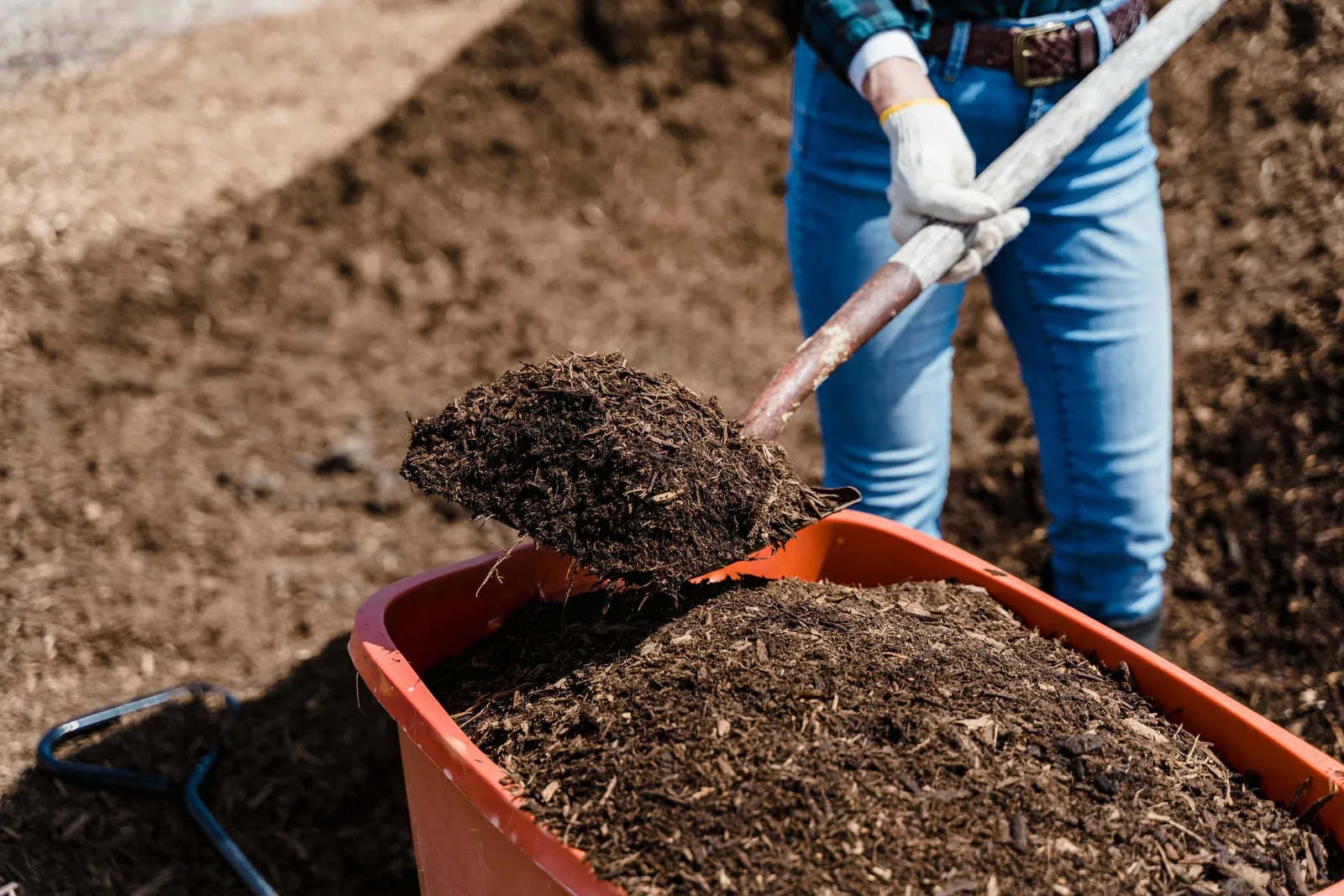
- Ensure your pile has a ratio of approximately three parts brown material to one part green material.
- Excessive moisture is the leading cause of foul odors; cover your bin during heavy rains.
- Lack of oxygen forces microbes to switch to anaerobic respiration, which produces methane and hydrogen sulfide.
- Turn your pile regularly using a pitchfork or a dedicated compost aerator to introduce fresh oxygen.
- Avoid adding meat, dairy, or oily foods, as these attract pests and create significant odor issues.
Why Does My Compost Smell?
The primary reason a compost pile releases offensive odors is the lack of proper oxygen circulation. When microbes are deprived of air, they can’t process organic matter through the standard aerobic pathway. Instead, they switch to anaerobic respiration, a process that produces volatile gases like hydrogen sulfide, which smells exactly like rotten eggs. This situation usually stems from a combination of excessive water, compacted materials, or an overabundance of nitrogen-rich ingredients that have begun to rot rather than decompose.
| Common Odor | Likely Cause | Immediate Fix |
|---|---|---|
| Rotten Eggs | Anaerobic conditions | Turn the pile to aerate |
| Ammonia | Too much nitrogen | Add carbon-rich brown material |
| Putrid/Sour | Excessive moisture | Add dry leaves or straw |
| Sewage | Prohibited waste | Remove dairy or meat items |
Assessing Your Moisture Levels
Moisture is essential for microbial activity, but there’s a fine line between a damp sponge and a waterlogged heap. If your pile is dripping liquid or feels slimy to the touch, it’s far too wet. Excess water fills the air pockets between organic particles, essentially drowning the beneficial bacteria and creating the perfect environment for odor-producing pathogens. According to the United States Environmental Protection Agency, maintaining the proper moisture content is critical to preventing the pile from becoming a nuisance.
The Importance of Carbon Ratios
A healthy compost system relies on a balance between “greens” and “browns.” Greens provide nitrogen, which fuels microbial growth, while browns provide carbon, which serves as the energy source and provides structure for airflow. If you add too many kitchen scraps without balancing them with dry, woody material, the pile becomes a dense, soggy mass.
Recommended Material Balance
- Greens (Nitrogen): Grass clippings, vegetable peels, coffee grounds, and fruit scraps.
- Browns (Carbon): Dried leaves, shredded cardboard, straw, sawdust, and small woody twigs.
Pro Tip: Always keep a bag of dry, shredded cardboard or autumn leaves stored next to your bin so you can immediately add a layer of carbon every time you dump your kitchen scraps.
How to Aerate Your Pile
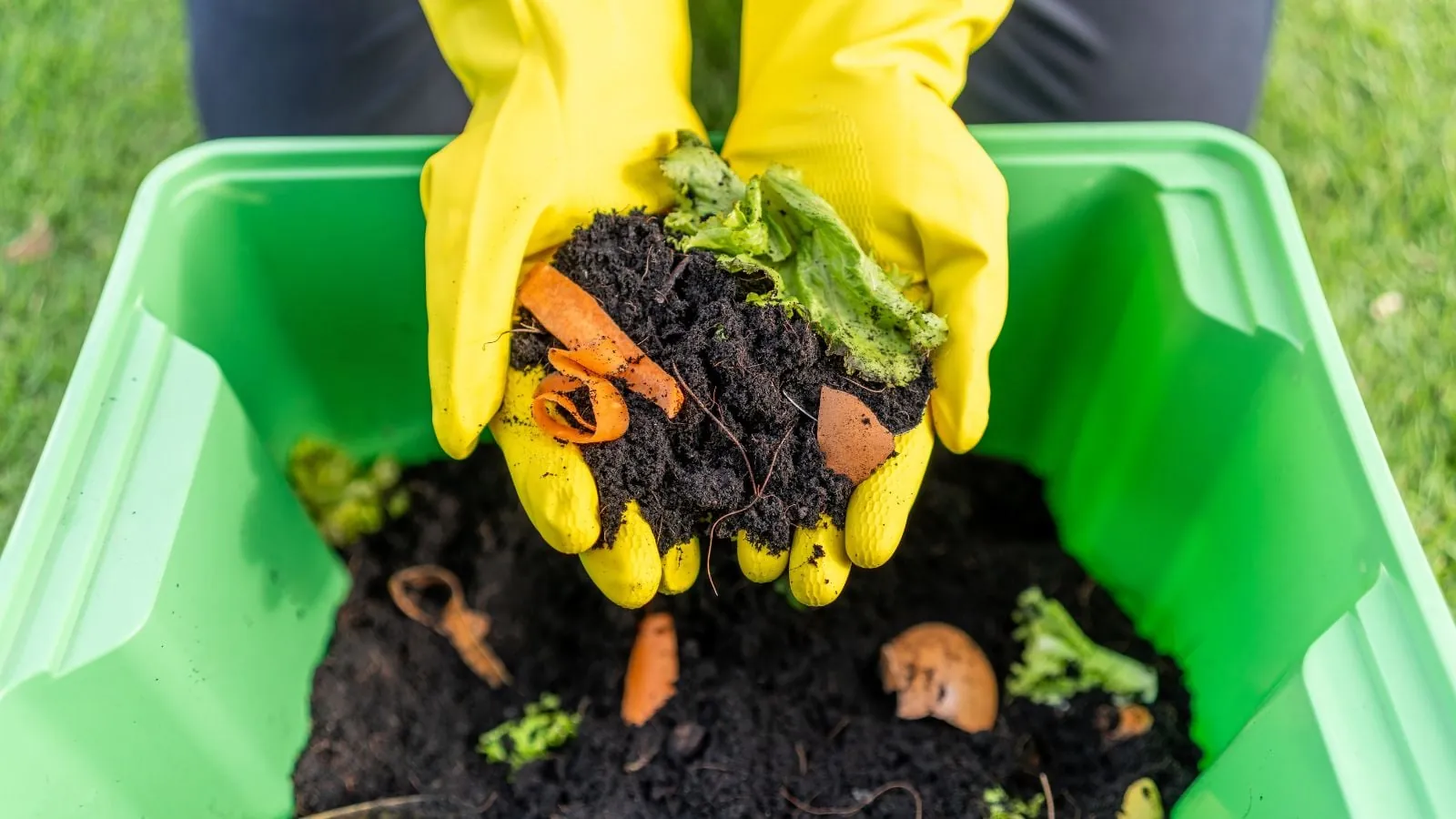
If your pile has become compacted, simply adding more material won’t solve the problem. You must physically move the contents to introduce oxygen. Use a pitchfork to turn the outer material toward the center, ensuring that everything gets exposed to the air.
If you have a large tumbler, rotate it at least three times a week. For stationary bins, consider using a compost aerator tool, which is a long rod with folding wings that opens up air pockets deep within the heap when pulled upward.
Can I Use Compost Additives?
Many gardeners wonder if commercial products can speed up the process or mask unpleasant scents. While some microbial inoculants or “compost starters” can help jumpstart a slow pile, they’re generally unnecessary if your balance of carbon and nitrogen is correct. Avoid using chemical deodorizers, as these can kill the beneficial fungi and bacteria that are actually doing the work of breaking down your yard waste. Focus instead on physical maintenance rather than chemical intervention.
Managing Prohibited Food Items
One of the most common mistakes beginners make is tossing everything from the kitchen into the bin. While vegetable scraps are excellent, certain items are “odorous magnets” that invite pests and create strong smells as they decay.
Never Add These Items:
- Meat and Fish: These create intense odors and attract rodents or stray animals.
- Dairy Products: Milk, cheese, and yogurt will turn rancid and create a foul, sour smell.
- Oils and Fats: Grease creates a waxy coating on other materials, preventing airflow and trapping moisture.
- Pet Waste: Dog or cat feces can introduce harmful pathogens into your garden soil.
Troubleshooting Your Bin Setup
If you have addressed the materials and the moisture but the odor persists, examine the structure of your bin itself. A bin that sits directly on solid concrete or plastic might not have adequate drainage, causing liquid to pool at the bottom.
Ensure your bin is placed on bare soil so excess liquid can leach into the ground. If you live in a region with heavy rainfall, you may need to place a lid or a tarp over your pile to prevent it from becoming waterlogged during storms.
| Troubleshooting Step | Action Required | Expected Outcome |
|---|---|---|
| Check Drainage | Move bin to soil | Liquid drains naturally |
| Assess Density | Shred larger items | Improved airflow pathways |
| Monitor Temperature | Add more greens | Increased internal heat |
| Check Materials | Remove all dairy | Reduction in putrid smell |
The Role of Particle Size
The physical size of the items you throw into your compost significantly impacts how quickly they break down and how much odor they produce. Large chunks of melon, whole stalks of broccoli, or thick branches take much longer to decompose. During that extended time, they can sit in the pile and begin to ferment.
Use a pair of garden shears or a dedicated shredder to break down large items into pieces no bigger than two or three inches. This creates more surface area for microbes to work on, speeding up decomposition and preventing the “stagnant” phase that leads to bad smells.
Related guides
Frequently Asked Questions
Is a bad smell dangerous to inhale?
Generally, the odors from a home compost pile are unpleasant rather than toxic. However, if the pile is heavily anaerobic, it may release hydrogen sulfide or methane. These gases can cause headaches or nausea in confined spaces. If you experience these symptoms, step away from the pile, ensure the area is well-ventilated, and begin the aeration process to restore aerobic conditions as quickly as possible.
Does a smelly pile mean I must throw it out?
No, you don’t need to discard your compost. A smelly pile is simply a sign that the biological process has stalled or skewed toward anaerobic decomposition. By turning the pile to introduce oxygen and adding a significant amount of dry, carbon-rich material like brown leaves or straw, you can correct the imbalance and successfully finish the composting process within a few weeks.
How long does it take for the smell to go away?
Once you have corrected the moisture levels and properly aerated the pile, the offensive odor should subside significantly within 24 to 48 hours. As the aerobic bacteria begin to thrive again, they will consume the volatile compounds that were causing the smell. If the odor persists beyond three days, you likely need to add more dry brown material to absorb the excess moisture.
Can I add lime to stop the smell?
Adding garden lime or wood ash is generally discouraged in most composting systems. While these can help neutralize acidic odors, they often raise the pH level too high, which can kill off beneficial composting bacteria and lead to a release of ammonia gas. It’s far safer and more effective to manage odors through physical aeration and the addition of carbon-rich brown materials rather than attempting to alter the chemistry with additives.
Should I cover my compost bin?
Yes, covering your bin is a great way to control the environment. A lid or a tarp prevents the pile from becoming waterlogged during heavy rain, which is a major cause of anaerobic odors. Additionally, a cover helps retain heat, which accelerates the decomposition process. Just ensure the cover allows for some airflow so the pile doesn’t become completely airtight, as oxygen is still required for success.
Conclusion
To get your system back on track, start by turning your pile today to introduce fresh air. If it feels wet or slimy, mix in a generous amount of dry, shredded cardboard or fallen leaves until the texture resembles a wrung-out sponge. By consistently balancing your greens and browns, you’ll quickly eliminate the odors and produce nutrient-rich soil for your garden.