
If you have reached for a package of poultry in your refrigerator only to realize the chicken smells bad, you’re likely experiencing a moment of hesitation regarding food safety. Dealing with raw meat requires a cautious approach, as the presence of an off-putting odor is often the first indicator that bacteria have begun to compromise the integrity of the product. Understanding the difference between normal packaging aromas and signs of actual spoilage is essential for protecting your health and preventing foodborne illness in your home kitchen.
Key Takeaways
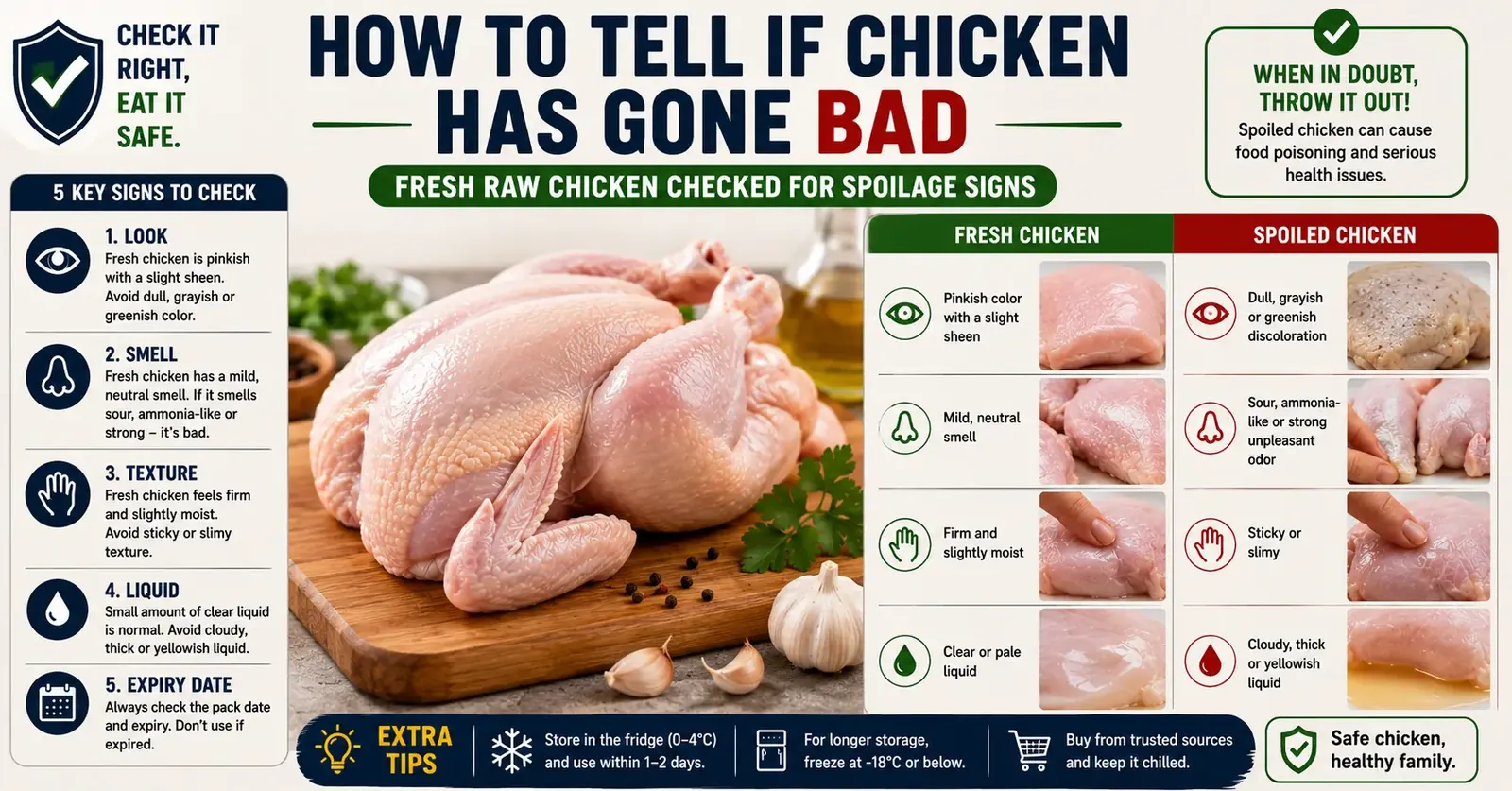
- Raw chicken should have a neutral, mild scent; any pungent or sour odor indicates bacterial growth.
- Slimy or tacky textures on the surface of the meat are clear signs that it should be discarded.
- Discoloration, such as a gray or greenish tint, is a primary indicator of spoilage.
- Always check the “sell-by” or “use-by” date on the packaging to gauge freshness.
- When in doubt, it’s safer to throw the meat away than to risk a foodborne infection.
Why Does My Chicken Smell?
When you notice that your chicken smells bad, the culprit is almost always the rapid proliferation of spoilage bacteria. While fresh chicken is generally odorless, the breakdown of proteins and fats by microorganisms like Pseudomonas or Lactobacillus creates volatile organic compounds.
These byproducts release gases that your nose detects as sour, ammonia-like, or overly funky. While some specific types of spoilage bacteria don’t cause illness, their presence suggests that the meat has been stored in conditions that also allow dangerous pathogens to thrive.
Is the Odor Normal or Spoiled?
It’s important to distinguish between the natural scent of vacuum-sealed meat and genuine spoilage. Sometimes, chicken packaged in a modified atmosphere may emit a faint, slightly acidic smell immediately upon opening, which dissipates within a few minutes of exposure to air. However, if the smell is strong, persists after airing out the meat, or is accompanied by other physical changes, you must treat the product as spoiled.
| Indicator | Fresh Chicken | Spoiled Chicken |
|---|---|---|
| Odor | Neutral or faint | Sour, ammonia, or sulfur |
| Texture | Moist but firm | Slimy, tacky, or sticky |
| Appearance | Pinkish, translucent | Gray, dull, or greenish |
Does Packaging Affect the Smell?
The way your poultry is wrapped significantly impacts how it smells when you open it. Vacuum-sealed bags often concentrate odors that would otherwise dissipate, leading to a “trapped” smell that might alarm you. If the meat appears pink and feels firm, you can let it rest for five to ten minutes. If the smell fades, the meat is likely safe. If the odor remains sharp or offensive, the product has likely exceeded its shelf life.
How to Assess Meat Texture
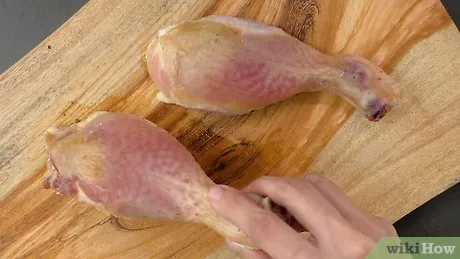
Beyond the scent, your sense of touch is a powerful tool for safety. A slimy surface is a definitive red flag. If you run a finger across the meat and it feels tacky or covered in a film that doesn’t rinse off easily, you’re touching a bacterial colony. This biofilm is a byproduct of high-level spoilage and indicates that the meat is no longer fit for consumption.
Identifying Visible Signs of Spoilage
Color changes are often the most reliable visual cues. Fresh, raw chicken should be a light pink or white color. If you notice a dull gray tone, yellow patches, or greenish hues, these are visual indicators that the meat has begun to decompose. According to the United States Department of Agriculture food safety guidelines, you should never taste or consume poultry that shows these signs of degradation, as cooking won’t always destroy the toxins produced by certain bacteria.
Can Cooking Remove the Smell?
Many people wonder if high-heat cooking can neutralize an unpleasant odor. The answer is a definitive no. While cooking to an internal temperature of 165 degrees Fahrenheit will kill active bacteria, it doesn’t remove the toxins already secreted by those bacteria during the spoilage process.
These heat-stable toxins can still cause severe food poisoning, leading to symptoms like nausea, vomiting, and diarrhea. If the meat smells bad before it goes into the pan, it will taste bad and potentially cause illness after it comes out.
Proper Storage and Shelf Life
To avoid these issues, you must manage your refrigerator environment effectively. Fresh chicken should be kept at or below 40 degrees Fahrenheit. Storing raw meat in the coldest part of your fridge, usually the bottom shelf, prevents cross-contamination.
- Refrigerator storage: 1-2 days maximum.
- Freezer storage: 9-12 months for best quality.
- Temperature control: Keep your fridge at 40°F or below.
Pro Tip: Place your chicken on a plate or in a sealed container to prevent juices from leaking onto other foods in your refrigerator, which can spread bacteria and create cross-contamination risks.
Handling Meat After Purchase
The journey from the grocery store to your home is a critical window for food safety. If you leave raw chicken in a hot car, you’re accelerating bacterial growth exponentially. Always use a thermal insulated bag during transit, especially if you have multiple errands to run. Once home, refrigerate the meat immediately. If you don’t plan to cook the chicken within 48 hours, move it directly to the freezer to halt the spoilage process.
Signs You Should Discard Meat
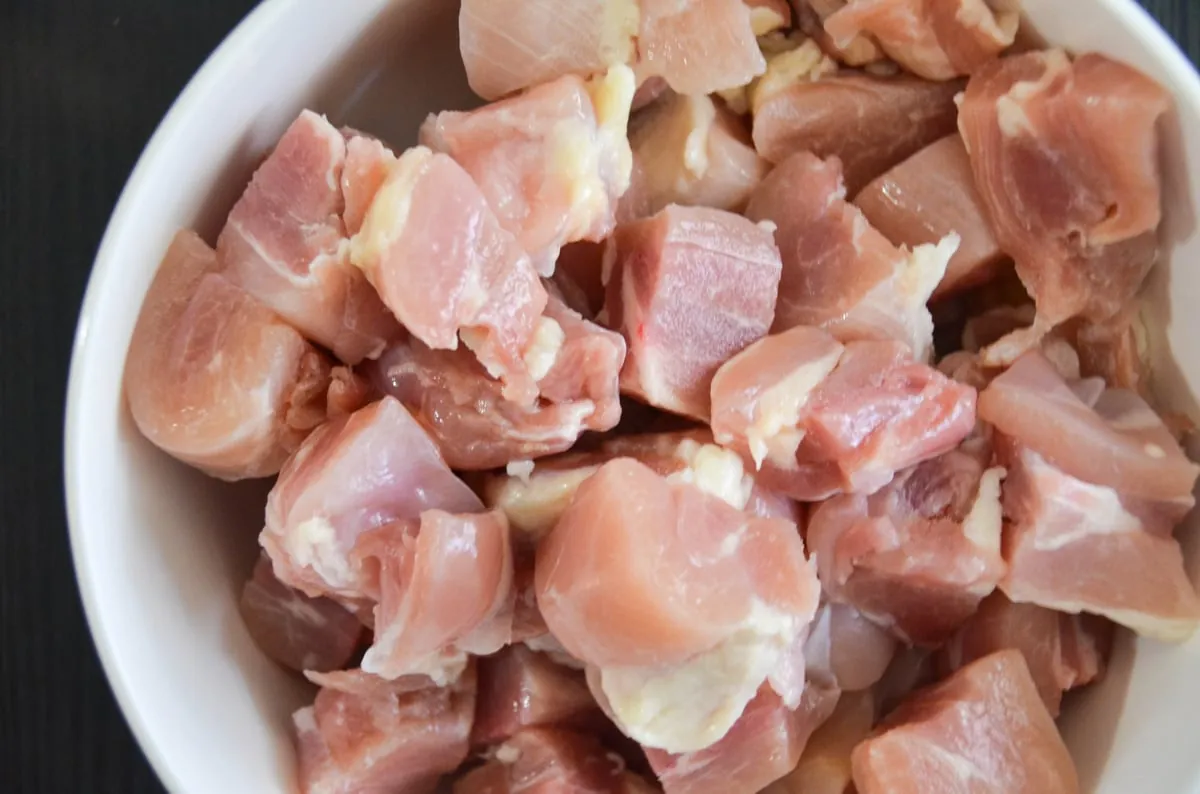
When you’re unsure, follow the “when in doubt, throw it out” rule. It’s never worth the risk of a foodborne illness to save a few dollars on a package of poultry. You should immediately discard the chicken if you notice any of these signs:
- A strong, sour, or ammonia-like smell.
- A thick, slimy film on the meat surface.
- Visible gray or greenish discoloration.
- An expiration date that passed more than 24 hours ago.
Warning: Never attempt to “wash” slimy chicken with water or vinegar. This action actually spreads bacteria across your sink, countertops, and nearby utensils, increasing the risk of contaminating your entire kitchen workspace.
Related guides
- Dog Smells Like Fish From Back End: Causes and Solutions
- How to Tell if Wood Is Rotten: Simple Screwdriver Test in 2026
Frequently Asked Questions
Is it safe to eat chicken that smells a little bit?
No. If the chicken has a noticeable odor, it’s likely contaminated with spoilage bacteria. Even if the meat appears fine otherwise, the smell is a strong indicator that the product is no longer fresh. Consuming such meat significantly increases your risk of food poisoning. It’s always better to discard the product than to risk your health for the sake of one meal.
Why does chicken smell like eggs?
If your raw chicken has a sulfurous or “rotten egg” smell, it’s a primary sign of spoilage. While raw poultry should be relatively neutral, sulfur-based compounds are created by bacteria as they break down the proteins in the meat. This specific odor is a clear warning that the chicken has gone bad and should be thrown away immediately without hesitation.
Does chicken smell bad after being frozen?
Frozen chicken shouldn’t smell bad once thawed. If you thaw your chicken and it emits a foul odor, it likely spoiled before it was frozen or during the thawing process. If you notice a “freezer burn” smell, which is usually a dry or cardboard-like scent, the meat is technically safe but will have a poor texture and flavor quality.
How do I know if chicken is bad if it’s vacuum sealed?
Vacuum-sealed chicken can have a slight odor upon opening due to the lack of oxygen during storage. If the smell dissipates within ten minutes of exposure to air and the meat color is consistent, it’s usually safe. However, if the smell is pungent, sour, or persists after airing, or if the packaging was bloated, discard the meat immediately.
Can I feed bad-smelling chicken to pets?
No. You should never feed spoiled meat to pets. Animals are just as susceptible to the toxins and bacteria found in rotten chicken as humans are. Feeding them spoiled food can lead to serious gastrointestinal distress, vomiting, and diarrhea in dogs and cats. If the chicken isn’t safe for human consumption, it isn’t safe for your pets either.
Conclusion
If you find yourself holding a package of chicken that fails these safety tests, wrap it securely in a plastic bag before placing it in your outdoor trash bin to prevent odors and pests. Moving forward, ensure you prioritize the cold chain from the store to your home and always respect the storage timelines to keep your meals fresh and safe.