
When you notice your urine smells like plastic, it’s often caused by chemical compounds from your diet, dehydration, or the breakdown of certain medications. This scent is rarely a sign of a medical emergency, though it can indicate that your body is processing substances differently than usual. Most people find that the smell disappears after they adjust their fluid intake or wait for a specific food to pass through their system completely.
Why urine smells like plastic
The following table summarizes common reasons for a change in urine scent. If your symptoms persist for more than a few days, consult a primary care provider to rule out underlying conditions.
| Cause | Likely reason for smell | Typical example |
|---|---|---|
| Dehydration | Concentrated waste products | Low daily water intake |
| Dietary intake | Compound breakdown | Asparagus or processed snacks |
| Medications | Chemical metabolite excretion | Vitamin B complex supplements |
| Urinary infection | Bacterial byproduct release | Urinary tract inflammation |
| Metabolic issue | Rare chemical processing | Genetic enzyme deficiency |
Dehydration and concentrated waste
Dehydration is the most frequent reason for a sharp or chemical-like odor in your urine. When you don’t drink enough water, your kidneys produce highly concentrated urine, which makes normal waste products smell much stronger. This isn’t a disease but a sign that your body needs more fluids to flush its systems effectively.
- Drink 8 to 10 glasses of water daily if you’re active.
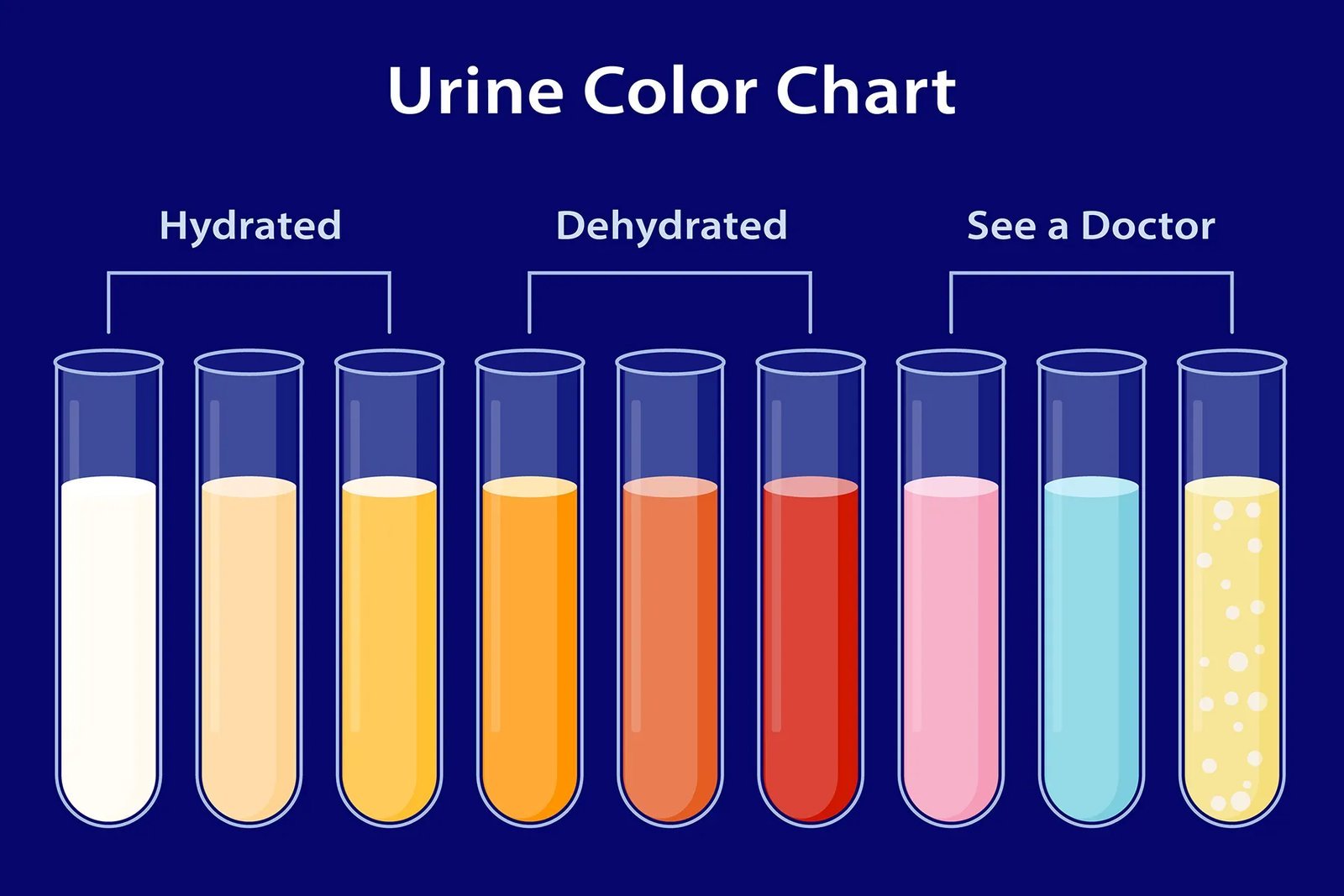
- Check the color of your urine; it should be pale yellow.
- Increase fluid intake immediately if your urine is dark amber.
If you find that your urine remains dark and smelly even after drinking plenty of water, you should speak with a doctor. This could suggest that your kidneys aren’t filtering waste as they should. For guidance on maintaining healthy hydration levels, you can review the National Institute of Diabetes and Digestive and Kidney Diseases resources on how the urinary tract functions.
Dietary influences on urine scent
Certain foods contain volatile organic compounds that pass through your digestive system and end up in your urine. If you recently ate processed foods, artificial flavorings, or specific vegetables, these chemicals can create a synthetic or plastic-like smell. This effect is temporary and usually fades within 24 hours as your body clears the substances.
- Limit your intake of highly processed snacks for 48 hours to see if the odor stops.
- Monitor if the smell happens only after eating specific meals.
- Keep a food diary to identify potential triggers if the scent returns often.
If the smell only appears after you eat a specific food, you can simply avoid that item. If the smell persists regardless of your diet, it’s time to look at other possible factors like medication or hydration.
Medications and supplement side effects
Some medications and vitamins can change the chemical profile of your urine, resulting in an unusual smell. Vitamin B complex supplements and certain antibiotics are known to cause strong, sometimes chemical-like odors as they’re excreted by the kidneys. This is a common side effect and doesn’t necessarily mean the medication is causing harm.
- Review the labels of any new supplements you have started recently.
- Note if the smell started at the same time you began a new prescription.
- Talk to your pharmacist about whether the smell is a known side effect.
If you’re concerned, don’t stop taking prescribed medication without talking to your doctor first. If the smell is caused by a supplement, you might try stopping it for a few days to see if the odor resolves.
Urinary tract infections
A urinary tract infection (UTI) can sometimes cause urine to have a foul or chemical-like smell due to the presence of bacteria and inflammatory cells. This is different from dietary causes because it’s often accompanied by other physical symptoms. You should pay close attention to your body and look for signs that require medical help.
- Watch for a persistent burning sensation when you urinate.
- Check for a frequent, urgent need to use the bathroom.
- Notice if you have any pain in your lower abdomen or back.
If you have these symptoms, you need to see a doctor for testing. A UTI requires antibiotics to clear, and ignoring it can lead to more serious kidney involvement.
Other potential health factors
Several other conditions might cause changes in urine odor that you should be aware of:
- Diabetes: High blood sugar levels can lead to sweet or fruity-smelling urine, which is sometimes described by patients as having a chemical or plastic-like edge.
- Liver issues: If your liver isn’t filtering waste correctly, it may alter the composition of your urine, resulting in a musty or chemical scent.
- Ketosis: When your body burns fat for fuel, it produces ketones that can leave a distinct, sharp odor in your urine.
How to determine the cause

Deciding whether to see a doctor depends on how long the scent lasts and whether you have other symptoms. If you’re well-hydrated and the smell appeared after starting a new supplement or eating a new food, it’s likely a temporary reaction. If you have pain, fever, or cloudy urine, you should seek medical advice promptly.
If the smell has lasted more than three days, make an appointment with your doctor. If you have sharp pain or a fever, go to an urgent care clinic or your primary doctor as soon as possible. These two factors—duration and accompanying symptoms—are the best ways to decide if you need professional testing. Mixing home remedies like drinking more water is generally safe, but it can’t replace a medical diagnosis if an infection is present.
Related guides
Frequently asked questions
Can dehydration make my urine smell like plastic?
Yes, dehydration causes urine to become highly concentrated, which intensifies the smell of waste products and can result in a sharp, plastic-like odor. The best check is to increase your water intake for 24 hours; if the smell fades as your urine becomes clear, dehydration was the likely cause.
Is it safe to wait if my urine smells like plastic?
It’s safe to wait for 24 to 48 hours if you have no other symptoms like pain or fever. If the smell persists after two days of increased water intake, or if you develop burning or pelvic pain, you should schedule a visit with your doctor for a urinalysis.
Does diabetes cause urine to smell like plastic?
Diabetes can cause urine to smell different, often described as sweet, fruity, or chemical, due to high levels of glucose or ketones. If you have other signs like increased thirst, frequent urination, or unexplained weight loss, you should see a doctor to have your blood sugar levels checked.
How long does it take for food to affect urine smell?
Food-related odor changes usually appear within 4 to 12 hours after eating, depending on your digestion speed. The smell should disappear within 24 hours once the food has been fully processed and passed through your system.
Can vitamins cause a chemical smell in urine?
Yes, certain vitamins, particularly B-complex vitamins, are excreted through urine and can cause a strong, synthetic odor. This is normal and harmless, but if the smell is very strong, you may want to reduce your dosage or consult with your doctor about your supplement routine.
What should I do if the smell is very strong?
A very strong or foul odor, especially if it’s accompanied by cloudy urine, is a common sign of a bacterial infection. You should collect a sample for your doctor to test, as you may need a round of antibiotics to clear the infection.
Does the color of my urine matter?
Yes, the color is a primary indicator of your hydration status and overall health. If your urine is dark orange or red, or if it remains dark even after you have increased your water intake, you should consult a doctor to rule out kidney issues or the presence of blood.
Conclusion
Start by tracking your fluid intake and any new foods or supplements you have started in the last few days. If the smell goes away after 24 hours of proper hydration and avoiding potential triggers, you likely have your answer. If you develop a fever, back pain, or persistent burning, stop self-monitoring and call your doctor immediately to prevent potential complications.