

If your car smells like burning plastic, treat it as a warning, not a nuisance. That odor usually means something is overheating, melting, or wearing down under the hood, inside the cabin, or around the wheels. Because the cause can range from a loose plastic bag to a failing brake caliper or an electrical short, you need to find the source quickly rather than mask the smell with air freshener.
Key Takeaways
- Pull over safely and turn off the engine if the smell is strong or you see smoke.
- Check for plastic bags or debris caught on the exhaust or undercarriage before assuming a mechanical fault.
- Inspect the brakes, wheels, and tires for overheating or rubbing after any drive where the smell appeared.
- Look under the hood for oil or coolant leaks dripping onto hot engine parts.
- Have a professional diagnose electrical burning smells immediately, since wiring faults can start a fire.
- Don’t keep driving if the smell gets worse or warning lights appear on the dashboard.
Common Causes of a Burning Plastic Smell
Several specific problems can create this odor. Each one leaves a different clue, so matching the smell to the situation helps you narrow it down.
Plastic Bag or Debris on the Exhaust
A plastic shopping bag, wrapper, or piece of road debris can stick to the hot exhaust system or catalytic converter. As it melts, it produces a sharp, acrid burning plastic smell that often comes through the vents. This is one of the most harmless causes, but it can still damage exhaust components if the plastic hardens around them.
Brakes and Wheels Overheating
Brake pads, rotors, and calipers generate intense heat. If a caliper sticks or a parking brake is left partially engaged, the brake assembly can overheat and melt nearby rubber or plastic components. You may also notice a burning smell after hard braking on a long downhill stretch. The odor often smells like hot metal mixed with plastic or rubber.
Clutch Slipping (Manual Transmissions)
In a manual car, a slipping clutch creates friction and heat that can smell like burning plastic or burnt toast. This usually happens when the clutch is worn out or when the driver rides the clutch pedal. The smell is often strongest when pulling away from a stop or accelerating up a hill.
Electrical Wiring or Component Failure
Wiring insulation, fuse box components, or electrical connectors can overheat and melt if there’s a short circuit, loose connection, or overloaded circuit. This smell is often sharp and chemical, and it may come with flickering lights, dead accessories, or a warning light on the dashboard. Electrical faults are a fire risk and should be checked by a professional right away.
Oil or Coolant Leaking onto Hot Parts
Engine oil, transmission fluid, or coolant can leak onto the exhaust manifold or other hot engine surfaces. When it burns off, the smell can resemble burning plastic, especially if the fluid contacts plastic engine covers or wiring looms. You might see smoke under the hood or notice fluid levels dropping between services.
Heater or AC Blower Motor Issues
The blower motor, resistor, or cabin air filter housing can overheat if debris gets inside or if the motor is failing. Because the air passes directly into the cabin, the smell can be intense and immediate when you turn on the heat or air conditioning. Leaves, dust, or a rodent nest in the ductwork can also burn when the fan runs.
How to Diagnose the Source
Work through these checks in order, starting with the safest and easiest steps.
Step 1: Pull Over and Observe
Stop the car in a safe location and turn off the engine. Note whether the smell is stronger outside the car, inside through the vents, or near one wheel. Look for smoke under the hood or around the wheels. If you see flames or heavy smoke, move away and call emergency services.
Step 2: Check for Debris
Look under the front and rear bumpers, around the exhaust pipe, and beneath the car for plastic bags, cardboard, or other road debris. Use a flashlight if it’s dark. Remove anything you find only after the exhaust has cooled completely.
Step 3: Inspect the Wheels and Brakes
Carefully place your hand near—not on—each wheel after a short drive. Excessive heat at one corner often points to a stuck brake caliper or a dragging parking brake. Look for smoke coming from a wheel or discoloration on the rotor.
Step 4: Look Under the Hood
Open the hood and inspect for oil or coolant leaks, especially around the valve cover, hoses, and exhaust manifold. Check for melted plastic covers, frayed wiring, or burnt connectors near the battery and fuse box. Don’t touch anything until the engine has cooled.
Step 5: Test the Climate Control
Turn the heater and air conditioning on and off while the car is parked. If the burning plastic smell gets stronger when the fan runs, the issue is likely in the blower motor, resistor, or ductwork. Replace the cabin air filter if it’s dirty or clogged.
When the Smell Comes From the Brakes
Brake-related odors are among the most common reasons a car smells like burning plastic or rubber. New brake pads sometimes smell during the first hundred miles as the material beds in, but a persistent smell means something is wrong.
Stuck Caliper or Dragging Brake
A caliper that doesn’t release fully keeps the pad against the rotor, creating constant friction. This overheats the brake assembly and can melt rubber dust boots or plastic hardware. You may feel the car pull to one side or notice reduced fuel economy.
Parking Brake Left On
Driving with the parking brake even partially engaged generates enough heat to smell like burning plastic. Release it fully and see if the odor disappears after the brakes cool down.
Overheated Brakes From Hard Use
Repeated hard braking, especially on steep descents, can overheat pads and rotors. Use a lower gear to let engine braking help, and give the brakes time to cool if you notice the smell.
Electrical Smells and Fire Risk
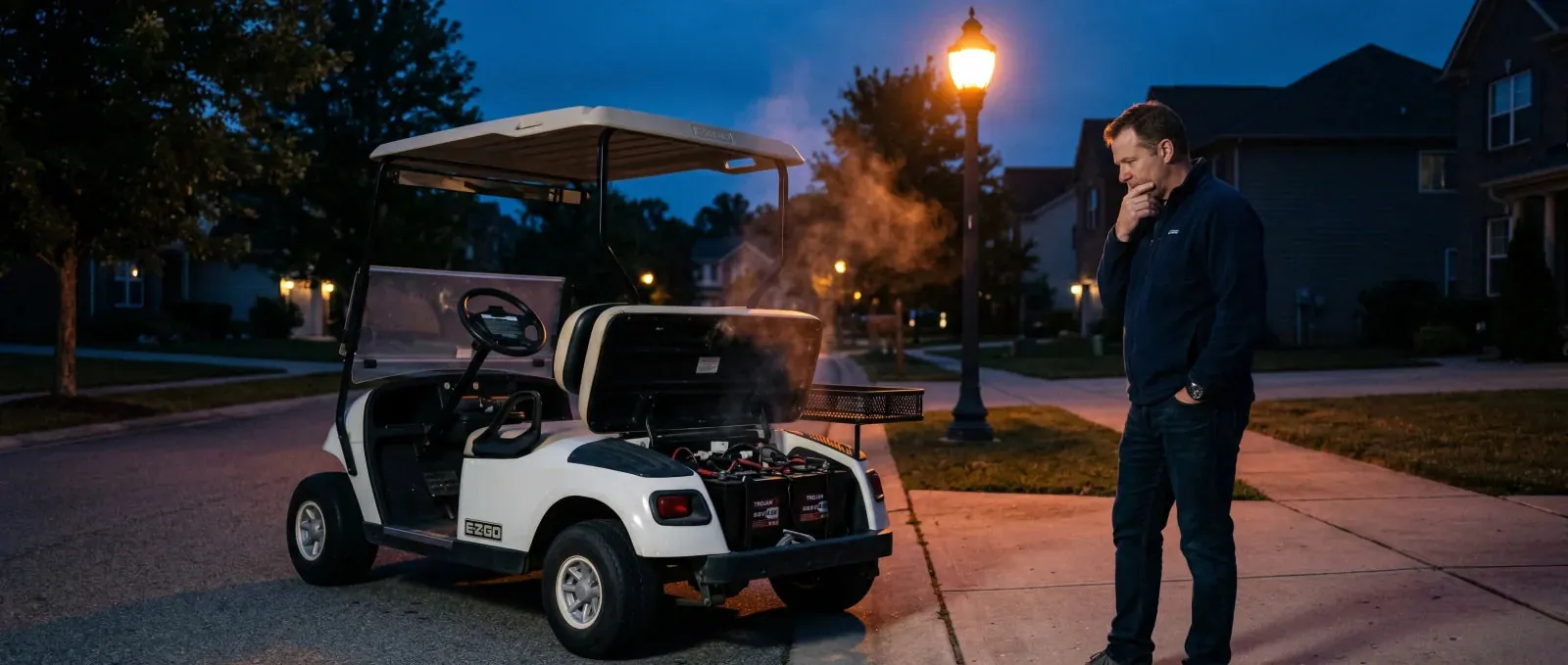
A burning plastic smell from the dashboard, steering column, or under the seats often signals an electrical problem. Wiring insulation melts at relatively low temperatures, and a short circuit can ignite surrounding materials.
Warning Signs to Watch For
- Flickering headlights or interior lights
- Power windows or locks that stop working
- A blown fuse that keeps recurring
- A warning light on the instrument cluster
- Smoke or a visible melted wire
If you notice any of these, turn off non-essential electronics and drive directly to a repair shop or call for roadside assistance. Don’t ignore an electrical burning smell, because it can escalate quickly.
What It Typically Costs to Fix
Repair costs depend heavily on the cause. A plastic bag removal costs nothing if you do it yourself, while electrical diagnosis and brake work require labor and parts.
| Cause | Typical DIY Cost | Typical Shop Cost |
|---|---|---|
| Remove plastic debris | $0 | $50–$100 |
| Replace cabin air filter | $15–$40 | $40–$80 |
| Brake pad replacement (one axle) | $40–$120 | $150–$300 |
| Brake caliper replacement | $60–$150 per part | $300–$600 |
| Electrical wiring repair | $20–$80 in parts | $150–$500+ |
| Oil or coolant leak repair | $15–$60 in parts | $200–$800+ |
These are typical ranges, not exact quotes. Labor rates and parts prices vary by location, vehicle make and model, and shop.
Drive or Tow: Making the Call
You don’t always need a tow truck, but some situations call for one.
| Situation | Recommended Action |
|---|---|
| Faint smell, no smoke, car drives normally | Drive cautiously to a shop |
| Strong smell, visible smoke, or warning lights | Stop and call for a tow |
| Smell only when braking, pedal feels normal | Drive short distance to a shop |
| Smell with loss of power or electrical failure | Stop and call for assistance |
When in doubt, have the car towed. A tow fee is cheaper than an engine fire or a collision caused by brake failure.
Prevention and Regular Maintenance

Regular checks reduce the chance of a burning plastic smell returning.
- Inspect wheel wells and the exhaust area for debris after driving on roads with litter or construction.
- Replace the cabin air filter every 15,000 to 30,000 miles, or as recommended in your owner’s manual.
- Have brake pads and rotors inspected during every tire rotation or oil change.
- Check fluid levels monthly and look for fresh leaks under the car.
- Avoid riding the clutch pedal in manual transmission vehicles.
- Address warning lights and electrical glitches before they worsen.
Related guides
Frequently Asked Questions
Is it safe to drive if my car smells like burning plastic?
Not if the smell is strong or you see smoke. Pull over safely, turn off the engine, and check for obvious causes such as debris or overheating wheels. If you can’t find the source or the smell persists, have the car towed to a repair shop rather than continuing to drive.
Can a plastic bag stuck under my car cause damage?
Yes. A bag melted onto the exhaust or catalytic converter can damage heat shields or exhaust components, and the smell can enter the cabin through the ventilation system. Remove it only after the exhaust has cooled, or ask a shop to do it safely.
Why does my car smell like burning plastic when I use the heater or AC?
The blower motor, resistor, or ductwork may be overheating, or debris such as leaves may be burning inside the vents. A dirty cabin air filter can restrict airflow and make the motor work harder. Replace the filter and have the blower system inspected if the smell continues.
How much does it cost to fix a burning plastic smell?
There’s no single price because the cause varies. Removing debris may cost nothing at a shop’s minimum labor charge, while brake repairs often run from about $150 to $600 and electrical diagnosis can exceed $150. Ask for an inspection estimate before authorizing work.
Should I use an air freshener to cover the smell?
No. Masking the odor hides a warning sign and delays repairs. Burning plastic can indicate overheating brakes, leaking fluids, or an electrical fault, all of which can become safety hazards if ignored.
Can the National Highway Traffic Safety Administration help with vehicle safety concerns?
Yes. The National Highway Traffic Safety Administration publishes vehicle safety information and recall data that owners can check by make, model, and year NHTSA vehicle safety resources.
Conclusion
If the smell comes back after a short drive, don’t wait. Book an inspection with a qualified mechanic and describe exactly when the odor appears—after braking, with the climate control on, or right after startup. Giving the technician those details helps them find the problem faster and keeps you and your passengers safer on the road.