

If your car ac smells like vinegar, the cause is usually biological growth inside the heating and cooling system. Moisture collects on the evaporator core every time you run the air conditioner, and dust, pollen, and organic debris stick to that damp surface. In a warm, enclosed space, mold, mildew, and bacteria multiply quickly, and their metabolic byproducts release a sharp, sour odor that smells remarkably like vinegar. The smell is often strongest when you first turn on the AC or after the car has sat in the sun, because the initial burst of air blows across the contaminated coil and pushes spores and gases into the cabin. Left untreated, the growth can spread to the cabin air filter and the ductwork, making the odor harder to remove and potentially irritating allergies or asthma.
Key Takeaways
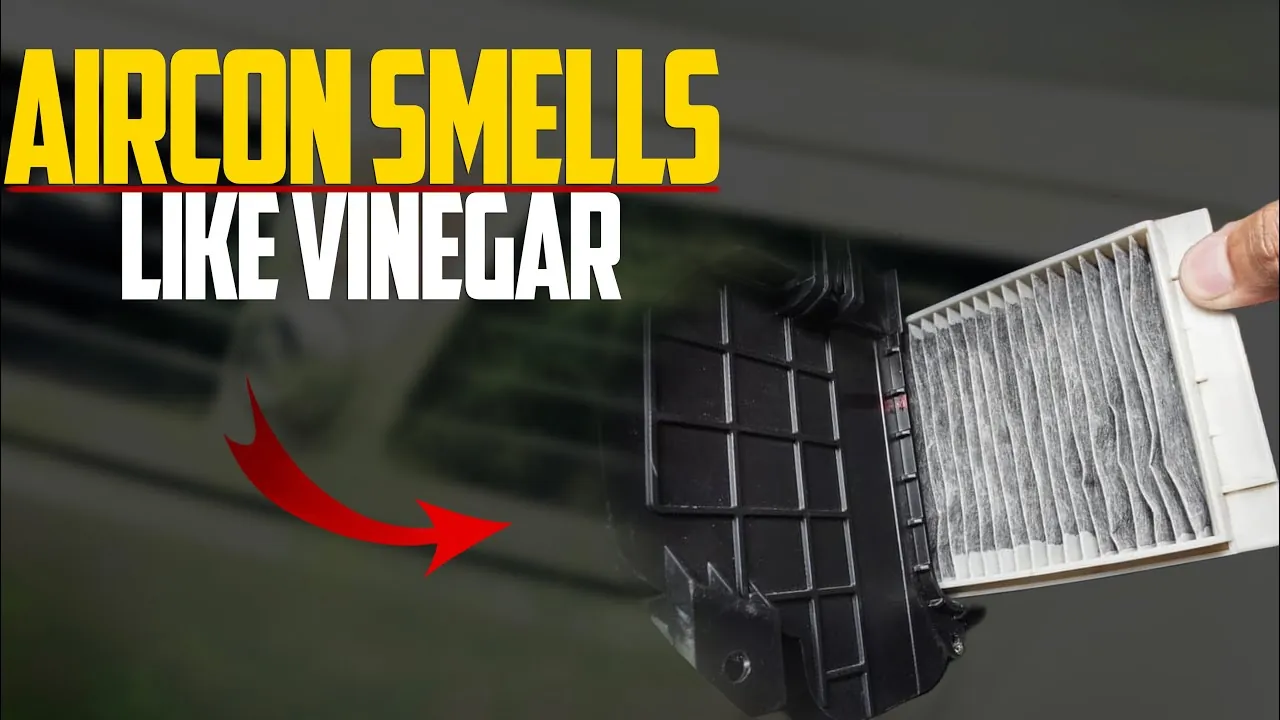
- Replace a dirty or damp cabin air filter; most cost between $15 and $45 for the part.
- Run the fan on high with the AC off for two to five minutes before parking to dry the evaporator.
- Use an evaporator cleaner or foam treatment designed for automotive HVAC systems.
- Spray an antimicrobial treatment into the air intakes at the base of the windshield.
- If the smell persists after cleaning and filter replacement, have a shop inspect the evaporator core and drain tube.
Common Causes Why Your Car AC Smells Like Vinegar
Mold and Mildew on the Evaporator Core
The evaporator core sits inside the HVAC box behind the dashboard. It stays wet after you shut off the car, creating an ideal breeding ground for mold and mildew. As microbes grow on the coil and fins, they release volatile organic compounds that produce a sour, vinegar-like stench. This is the most common reason a car ac smells like vinegar.
Clogged or Damp Cabin Air Filter
The cabin air filter traps dust, pollen, and debris before air enters the passenger compartment. When it becomes damp or loaded with organic matter, it can harbor mold and bacteria. A wet filter not only smells bad but also restricts airflow, which makes the evaporator stay damp longer.
Blocked AC Drain Tube
The evaporator produces condensation that should drip out through a small drain tube under the vehicle. If leaves, dust, or debris clog that tube, water pools in the HVAC housing. Standing water quickly turns musty and sour, feeding microbial growth that smells like vinegar.
Bacteria in the Air Ducts
Even after the evaporator is clean, odor-causing bacteria can live in the ductwork and blend doors. Air blowing through contaminated vents redistributes the smell every time you run the system.
How to Find the Source
Sniff Test by Vent
Turn the AC to high and set it to recirculate. Smell the air at each vent. If the odor is strongest at the front dash vents, the evaporator core is the likely source. If it comes mainly from the floor or rear vents, the ducts or cabin filter may be the culprit.
Check the Cabin Air Filter
Locate the filter, usually behind the glove box or under the dash on the passenger side. Pull it out and inspect it. A filter that’s dark, damp, or packed with leaves and debris should be replaced. Even a dry filter can hold odor if it has been in service for more than a year.
Look for Water Under the Car
After running the AC, check the ground beneath the passenger side. You should see a small puddle or drip from the condensate drain. If the ground is dry, the drain tube may be blocked and water may be sitting inside the HVAC box.
Cleaning Methods That Work
Replace the Cabin Air Filter
Start with the easiest fix. Buy a filter matched to your vehicle’s year, make, and model. Slide out the old filter, note the airflow direction arrows, and install the new one the same way. This alone sometimes removes the smell if the filter was the main reservoir.
Use an Evaporator Cleaner
Evaporator cleaners come as foams or aerosols with an applicator tube. You spray the product into the air intake at the base of the windshield or through the blower motor opening, following the product directions. The foam expands to coat the evaporator core, killing mold and neutralizing odor. Let it sit for the recommended time, then run the fan to dry the coil.
Apply an Antimicrobial HVAC Treatment
After cleaning, an antimicrobial spray helps prevent regrowth. These products are made for car HVAC systems and are safe for the evaporator and cabin materials. Avoid household bleach or general-purpose cleaners, which can damage the coil or leave toxic fumes.
Flush the Drain Tube
If the drain is blocked, locate the tube under the vehicle and gently clear it with a flexible pipe cleaner or compressed air. Don’t poke anything sharp into the tube. Once clear, water should flow freely when the AC runs.
DIY vs. Professional Cleaning

| Option | Typical Cost Range | What You Get | Best For |
|---|---|---|---|
| Cabin air filter replacement | $15 – $45 | New filter, easy install | Mild odor, routine maintenance |
| DIY evaporator foam cleaner | $10 – $25 | Aerosol cleaner, applicator tube | Early-stage smell, accessible intakes |
| Professional AC cleaning service | $100 – $250 | Coil cleaning, duct treatment, drain check | Strong or recurring odor |
| Evaporator core replacement | $600 – $1,200 | New core, labor, system recharge | Contaminated or leaking core |
Prevention Schedule
| Task | Frequency | Why It Helps |
|---|---|---|
| Replace cabin air filter | Every 12,000 to 15,000 miles | Removes trapped debris and moisture |
| Run fan with AC off before parking | Every trip | Dries the evaporator coil |
| Inspect AC drain tube | Every oil change | Prevents standing water in the housing |
| Apply antimicrobial treatment | Once or twice per year | Suppresses mold and bacteria regrowth |
Products and Brands to Consider
Look for products labeled specifically for automotive evaporator or HVAC cleaning. Brands such as Griot’s Garage, Chemical Guys, and Armor All make evaporator foam or odor eliminator sprays sold at auto parts stores and online retailers. For cabin filters, brands including FRAM, Bosch, and K&N offer vehicle-specific replacements. Always match the product to your car’s make, model, and year.
Pro Tip: Turn the temperature to hot and run the fan on high for a few minutes before you shut off the engine. Heat dries the evaporator and makes it harder for mold to grow overnight.
When to See a Mechanic

If you replace the filter, clean the evaporator, and clear the drain but the vinegar smell returns within days, the problem may be deeper inside the HVAC box. A shop can inspect the evaporator core for heavy contamination or a small leak, check the blend door seals, and verify that the drain tube is routed correctly. Persistent odors sometimes mean the core itself must be removed and replaced, which is a dashboard-level job.
Warning: Don’t run the AC continuously on recirculate with a strong sour smell. Mold spores and bacterial byproducts can aggravate allergies, asthma, and other respiratory conditions.
Related guides
- Dog Smells Like Fish From Back End: Causes and Solutions
- How to Remove Gorilla Glue From Wood: A Simple Step-by-Step Fix in 2026
Frequently Asked Questions
Why does my car ac smell like vinegar only when I first turn it on?
The evaporator core stays damp after the last use, and microbes have had time to grow. The first blast of air pushes concentrated spores and gases into the cabin before the airflow dilutes them.
Can a cabin air filter cause a vinegar smell?
Yes. A damp or clogged filter traps organic debris and can grow mold and bacteria, which release a sour odor every time air passes through.
How much does it cost to fix a vinegar smell in a car AC?
Expect to spend $15 to $45 for a cabin air filter, $10 to $25 for a DIY evaporator cleaner, $100 to $250 for a professional cleaning, or $600 to $1,200 if the evaporator core needs replacement.
Is the vinegar smell dangerous?
It’s usually not dangerous in small amounts, but mold and bacterial spores can irritate allergies and asthma. If the smell is strong or you feel congestion, headaches, or breathing irritation, have the system cleaned.
Will running the fan dry out the evaporator?
Yes. Running the fan on high with the AC off for two to five minutes before parking blows air across the coil and removes excess moisture, which helps prevent mold growth.
Conclusion
Don’t mask the smell with air fresheners; find and treat the source. Start with a new cabin air filter and an evaporator cleaner, keep the drain clear, and dry the coil after each trip. If the odor comes back, book a professional inspection before the problem spreads deeper into the HVAC system.