
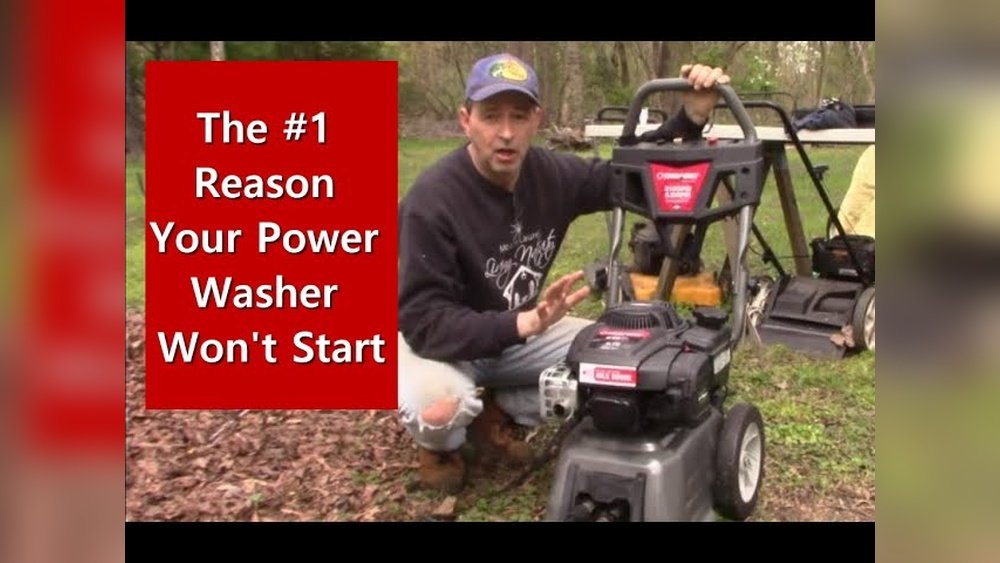
When your Briggs and Stratton pressure washer won’t start, it can bring your outdoor cleaning tasks to an immediate halt. Whether you’re tackling stubborn grime on your driveway, preparing your deck for a fresh coat of stain, or cleaning your car, a non-starting pressure washer is a significant setback. Briggs and Stratton is a renowned name in small engines, and their pressure washers are generally reliable. However, like any piece of machinery, they can encounter issues. Understanding the common reasons why a Briggs and Stratton pressure washer might refuse to start is the first step toward a swift and effective resolution, allowing you to get back to your projects without unnecessary delays.
This comprehensive guide will walk you through the most frequent culprits behind a Briggs and Stratton pressure washer not starting. We’ll cover everything from basic maintenance checks to more complex troubleshooting steps, empowering you to diagnose and fix the problem yourself, saving you time and money.
We’ll explore fuel, air, spark, and water system issues, providing clear, actionable advice for each.
Key Takeaways
- Fuel Issues: The most common reason for a no-start is stale fuel, an empty tank, or a clogged fuel filter. Always use fresh fuel and check the fuel lines for blockages.
- Spark Plug Problems: A dirty, fouled, or improperly gapped spark plug will prevent ignition. Inspect, clean, or replace it as needed.
- Air Filter Blockage: A clogged air filter restricts airflow, starving the engine. Regular cleaning or replacement is crucial.
- Water System Checks: Ensure the water supply is adequate, the inlet hose isn’t kinked, and the unloader valve isn’t stuck.
- Safety Features: Verify that safety mechanisms like the trigger lock and low oil sensor are not preventing startup.
- Carburetor Issues: A dirty or clogged carburetor is a frequent cause of starting problems, especially after long periods of disuse.
- Prime and Choke Settings: Incorrect choke or prime settings can prevent the engine from firing up.
Common Briggs And Stratton Pressure Washer Starting Problems And Solutions
Troubleshooting a pressure washer that won’t start requires a systematic approach. It’s essential to rule out the simplest issues before moving on to more complex ones. We’ll break down the potential problems by system: fuel, ignition, air, and water.
Fuel System Troubleshooting
The fuel system is often the primary suspect when an engine fails to start. Without the correct fuel mixture reaching the combustion chamber, ignition is impossible.
Stale Fuel And Contamination
Pro Tip: Gasoline can degrade over time, especially ethanol-blended fuels. Ethanol absorbs moisture, leading to phase separation and gumming up the fuel system.
- The Problem: Fuel left in the tank for more than 30 days can become stale. Stale fuel loses its ignitable properties and can leave deposits that clog fuel lines, filters, and the carburetor.
- The Solution:
- Drain the Tank: If you suspect stale fuel, drain the entire fuel tank. You can use a siphon pump to remove the old fuel into an approved container.
- Flush the System: After draining, you may need to flush the fuel line. Some users pour a small amount of fresh fuel into the tank, let it sit for a few minutes to dissolve deposits, and then drain again.
- Use Fresh Fuel: Always use fresh gasoline. For seasonal storage, it’s highly recommended to use a fuel stabilizer to prevent degradation. Add it to fresh fuel before putting it into the tank.
- Consider Ethanol-Free Fuel: If available in your area, ethanol-free gasoline is less prone to absorbing moisture and degrading.
Empty Fuel Tank
This might seem obvious, but it’s a common oversight. Always ensure there’s sufficient fuel in the tank before attempting to start the pressure washer.
Clogged Fuel Filter
The fuel filter is designed to catch debris before it enters the carburetor. A clogged filter restricts fuel flow.
- Location: The fuel filter is typically located in the fuel line between the fuel tank and the carburetor.
- Inspection: Locate the filter. If it appears dirty or clogged with sediment, it needs replacement.
- Replacement:
- Ensure the fuel shut-off valve (if present) is closed or the fuel line is pinched to prevent fuel spillage.
- Disconnect the fuel line from the filter.
- Remove the old filter.
- Install the new filter, ensuring the arrow on the filter (if present) points towards the carburetor.
- Reconnect the fuel line.
- Open the fuel valve and check for leaks.
Fuel Line Blockage
Debris or degraded fuel can also clog the fuel lines themselves.
- Inspection: Disconnect the fuel line from the carburetor side. If fuel doesn’t flow freely when the tank is full and the valve is open, the line is likely blocked.
- Clearing: You can try to blow compressed air through the line (with the carburetor disconnected) or use a flexible cleaning tool. If persistent, the fuel line may need to be replaced.
Ignition System Issues
The ignition system provides the spark needed to ignite the fuel-air mixture. Problems here directly prevent the engine from starting.
Spark Plug Problems
The spark plug is critical for ignition. It can fail due to fouling, wear, or improper gap.
- Inspection:
- Disconnect the spark plug wire from the spark plug.
- Use a spark plug socket to remove the spark plug.
- Examine the plug’s tip. It should be a light tan or grayish-brown color. Black, oily, or white deposits indicate issues.
- Black, sooty deposits: Indicate a rich fuel mixture or a weak spark.
- Oily deposits: Suggest oil is entering the combustion chamber.
- White, blistered deposits: Indicate the engine is running too hot or has excessive carbon buildup.
- Cleaning and Gapping:
- If the plug is dirty but not heavily damaged, you can clean it with a wire brush and carb cleaner.
- Check the spark plug gap using a feeler gauge. The correct gap is usually specified in your pressure washer’s manual, but for many Briggs and Stratton engines, it’s around 0.030 inches (0.76 mm). Adjust the gap by carefully bending the ground electrode.
- Replacement: If the plug is heavily fouled, the electrodes are worn down, or the porcelain insulator is cracked, it’s best to replace it with a new, correctly gapped plug. Use a plug recommended by Briggs and Stratton for your specific engine model.
Faulty Ignition Coil
The ignition coil (or magneto) generates the high voltage needed to create a spark. If it fails, there will be no spark.
- Testing: Testing an ignition coil typically requires specialized tools like a spark tester or a multimeter to check for resistance. This is often a more advanced troubleshooting step.
- Symptoms: A failing coil might cause intermittent starting problems or a weak spark.
- Replacement: If the ignition coil is suspected to be faulty, it will need to be replaced by a qualified technician or if you are comfortable with engine repair.
Loose Or Damaged Spark Plug Wire
The wire connecting the ignition coil to the spark plug can become loose, corroded, or damaged.
- Inspection: Ensure the spark plug wire is firmly attached to both the spark plug and the ignition coil. Check for any cracks, cuts, or signs of corrosion on the wire and its boots.
- Solution: If loose, reattach it securely. If damaged, replace the wire.
Air System Problems
The engine needs a steady supply of clean air to mix with fuel for combustion. Blockages in the air intake system can prevent starting.
Clogged Air Filter
This is one of the most common causes of starting issues, especially after periods of storage or use in dusty conditions.
- The Problem: A dirty air filter restricts airflow, leading to a rich fuel mixture that can prevent ignition or cause the engine to run poorly.
- Location: The air filter is usually housed in a plastic or metal casing on the side of the engine.
- Inspection and Cleaning:
- Remove the air filter cover.
- Carefully remove the air filter.
- Paper Filters: If the filter is made of paper, it cannot be effectively cleaned. If it looks dirty or clogged, it must be replaced.
- Foam Filters: If it’s a foam filter, you can often wash it with soap and water. Rinse it thoroughly and allow it to air dry completely before reinstallation. Some foam filters require light oiling after cleaning; check your manual.
- Replacement: Always replace a damaged or excessively dirty paper filter. Ensure the new filter fits snugly to prevent dirt from bypassing it.
Blocked Air Intake
Even with a clean filter, the intake port itself could be obstructed.
- Inspection: Visually inspect the air intake opening and the area around the air filter housing for any blockages, such as debris, insect nests, or dirt buildup.
- Clearing: Remove any obstructions found.
Water System And Unloader Valve Issues
While not directly related to engine ignition, problems within the water system can prevent the engine from running or the pump from operating correctly, sometimes mimicking starting issues.
Insufficient Water Supply
Pressure washers require a constant supply of water to operate.
- The Problem: If the water source is turned off, the hose is kinked, or the flow rate is too low, the pump can overheat and potentially shut down or fail to engage properly.
- Checklist:
- Ensure the water faucet is fully turned on.
- Inspect the inlet hose for kinks or blockages.
- Verify that the water supply meets the minimum flow rate requirements specified in your manual (often around 2-3 GPM).
Kinked Or Blocked Inlet Hose
A kinked or blocked inlet hose restricts water flow to the pump.
- Solution: Straighten any kinks and ensure the hose is clear of debris. Check the filter screen on the inlet connection if your model has one.
Stuck Unloader Valve
The unloader valve regulates water pressure and flow. If it’s stuck in a position that bypasses water internally, it can cause the pump to overheat and the engine to struggle.
- Symptoms: A stuck unloader valve might cause the engine to run rough or stall, especially when the trigger is released.
- Troubleshooting: This is a more advanced issue that may require consulting your manual or a service professional. Sometimes, cycling the trigger repeatedly can free a slightly stuck valve.
Safety Features And Other Mechanical Issues
Modern pressure washers incorporate safety features that can prevent operation if not engaged correctly.
Low Oil Level Sensor
Many Briggs and Stratton engines are equipped with a low oil sensor that will prevent the engine from starting (or running) if the oil level is too low.
- Check: Locate the oil dipstick, remove it, and check the oil level. If it’s below the minimum mark, add the recommended type and amount of oil for your engine.
- Sensor Malfunction: In rare cases, the sensor itself might malfunction, falsely indicating a low oil level.
Trigger Lock Engaged
Most pressure washers have a trigger lock to prevent accidental spraying. If this is engaged, it can sometimes interfere with the engine’s ability to start or run smoothly.
- Solution: Ensure the trigger lock is disengaged before attempting to start the engine.
Carbon Buildup In The Engine
Over time, carbon deposits can build up in the combustion chamber and on the piston, which can affect compression and starting.
- Symptoms: Hard starting, loss of power, rough running.
- Solution: This often requires a more thorough engine cleaning or decarbonization service. Using a quality fuel stabilizer can help prevent excessive buildup.
Internal Engine Damage
While less common, internal issues like low compression due to worn piston rings or valves can prevent the engine from starting.
- Diagnosis: This usually requires a compression test and is best diagnosed by a professional.

Credit: www.youtube.com
Carburetor Problems: A Deep Dive
The carburetor is the heart of the fuel delivery system, mixing air and fuel in the correct ratio for combustion. It’s a frequent source of starting problems, especially after the pressure washer has been stored for an extended period.
How The Carburetor Works (briefly)
The carburetor uses the Venturi effect. As air rushes through a constricted passage (the Venturi), its speed increases, and its pressure drops. This low-pressure area draws fuel from the fuel bowl through small jets and passages, atomizing it into the airflow before it enters the combustion chamber.
Common Carburetor Issues Leading To No-start
- Clogged Jets: The small passages (jets) within the carburetor are easily clogged by dried fuel residue, varnish, or debris. This is the most common carburetor problem.
- Stuck Float: The float in the carburetor bowl maintains a consistent fuel level. If it gets stuck, it can cause the fuel level to be too high (flooding) or too low (starvation).
- Dirty Needle Valve: The needle valve controls fuel flow into the bowl. If it’s dirty or stuck, it can prevent the bowl from filling or cause it to overfill.
- Gasket or Diaphragm Issues: Worn or damaged gaskets or diaphragms can cause fuel leaks or improper air-fuel mixing.
Troubleshooting And Cleaning The Carburetor
Warning: Carburetor cleaning can be a delicate process. If you are not comfortable with small engine mechanics, it’s best to have a professional service your carburetor.
- Initial Checks:
- Fuel: Ensure fresh fuel is in the tank and the fuel filter is clean.
- Choke/Primer: Make sure the choke is set correctly for starting (usually closed/full choke when cold) and the primer bulb (if present) is functioning and being used.
- Carburetor Removal:
- Disconnect the fuel line from the carburetor.
- Remove any linkages or cables attached to the carburetor (e.g., throttle cable).
- Unbolt the carburetor from the engine. It’s usually held on by two bolts or nuts.
- Disassembly and Cleaning:
- Fuel Bowl: Carefully remove the carburetor’s fuel bowl. It’s typically held on by a nut or screws. Be prepared for a small amount of residual fuel.
- Jets: Locate the main jet (usually in the center of the bowl nut) and any pilot jets. Use a carburetor cleaning spray and a very fine wire (like a single strand from a wire brush or a guitar string) to clean out these passages. Do NOT enlarge the holes.
- Float and Needle: If your carburetor has a float, carefully remove it and the associated needle valve. Clean them thoroughly. Ensure the needle valve moves freely.
- Primer Bulb: If your model has a primer bulb, check its diaphragm for cracks or damage.
- General Cleaning: Spray carburetor cleaner through all passages and openings in the carburetor body. Allow it to soak for a few minutes if necessary.
- Reassembly:
- Reassemble the carburetor in reverse order of disassembly.
- Ensure all parts are correctly seated and tightened.
- Reinstallation and Testing:
- Reattach the carburetor to the engine.
- Reconnect fuel lines, linkages, and cables.
- Attempt to start the engine using fresh fuel and the correct choke/primer procedure.
If cleaning the carburetor doesn’t resolve the issue, the carburetor may be faulty and require replacement.

Credit: www.youtube.com
Prime And Choke Settings: The Basics Of Starting
Incorrectly setting the choke or failing to prime the engine can be simple reasons for a no-start condition.
Understanding The Choke
The choke restricts airflow into the carburetor, creating a richer fuel-air mixture that is easier to ignite when the engine is cold.
- Cold Start: When the engine is cold, the choke should be set to the “Full Choke” or “Start” position (usually indicated by a closed butterfly valve in the carburetor throat).
- Warm Start: Once the engine has started and warmed up slightly, the choke needs to be gradually opened to the “Run” or “Half Choke” position, and then fully opened as the engine continues to warm up. If you leave the choke on too long, the engine will become “flooded” with too much fuel and may stall or refuse to start.
- Troubleshooting: If the engine sputters but doesn’t run, try moving the choke lever slightly towards the “Run” position. If it starts immediately when the choke is fully open, it indicates a possible carburetor issue causing it to run too rich.
Using The Primer Bulb
Many smaller Briggs and Stratton engines on pressure washers are equipped with a primer bulb. This manually forces fuel into the carburetor to aid starting.
- How to Use:
- Press the primer bulb 3-5 times until you feel resistance. You should see fuel being drawn into the bulb.
- Do NOT over-prime, as this can flood the engine.
- When to Use: Use the primer bulb when the engine is cold or hasn’t been run for a while. You don’t typically need to use it for a warm restart.
- Faulty Primer: If the primer bulb doesn’t seem to draw fuel or feels mushy, the bulb itself or the associated check valves might be faulty and need replacement.

Credit: www.youtube.com
Water System Checks: Beyond The Engine
While the engine needs to start, the entire pressure washer system needs to function. Issues with water flow can sometimes prevent the engine from running correctly or lead to the perception of a starting problem.
Water Inlet And Hose
- Flow Rate: As mentioned earlier, a minimum water flow rate is essential. Check your manual for specifications. A typical requirement is 2-3 GPM (gallons per minute).
- Hose Diameter: Using a garden hose that is too narrow can restrict flow. A 5/8-inch or 3/4-inch hose is generally recommended.
- Connection: Ensure the hose is securely connected to the water source and the pressure washer inlet.
Inlet Filter Screen
Many pressure washers have a small filter screen at the water inlet connection to prevent debris from entering the pump.
- Inspection: Disconnect the garden hose and check the screen for clogs. Clean it thoroughly if necessary.
Pump Issues Mimicking Starting Problems
- Overheating: If the pump runs dry or with insufficient water flow, it can overheat. Many pressure washers have thermal relief valves that release hot water to protect the pump. If this activates, it might seem like the unit is malfunctioning.
- Unloader Valve: A stuck unloader valve can cause the pump to recirculate water continuously, leading to overheating and excessive backpressure that can strain the engine.
Advanced Troubleshooting And When To Seek Professional Help
If you’ve gone through the basic fuel, air, and spark checks, and your Briggs and Stratton pressure washer still won’t start, it’s time to consider more advanced diagnostics.
Compression Test
Low compression means the engine cannot effectively compress the fuel-air mixture, which is vital for ignition and power.
- How it’s Done: A compression tester screws into the spark plug hole. You then pull the starter cord several times while the engine is in the “run” position (choke open). The gauge on the tester will indicate the compression pressure.
- What to Look For: Compare the reading to the manufacturer’s specifications. Significantly low readings often indicate internal engine wear (piston rings, valves, cylinder head gasket).
- Note: This is a more technical test, often performed by mechanics.
Governor Issues
The governor maintains a consistent engine speed under varying loads. While rare, a malfunctioning governor linkage could theoretically cause starting issues, though it’s more likely to affect running speed.
Electrical System Issues (beyond Spark Plug)
- Kill Switch: Ensure the engine kill switch or any remote shut-off mechanisms are in the “run” position. Sometimes these switches can fail internally.
- Wiring: Inspect all visible wiring for damage, loose connections, or corrosion.
When To Call A Professional
If you’ve performed all the basic troubleshooting steps and are still facing a no-start situation, or if you’re uncomfortable with any of the more advanced procedures, it’s time to seek professional help. This is particularly true if:
- You suspect internal engine damage (low compression).
- You’ve tried cleaning the carburetor multiple times without success.
- You’re dealing with electrical issues beyond simple spark plug checks.
- The pressure washer is still under warranty.
A qualified small engine mechanic can diagnose complex issues, perform necessary repairs, and ensure your pressure washer is running safely and efficiently. You can often find authorized Briggs and Stratton service centers through their official website. For example, if you need to find a local dealer for parts or service, Briggs and Stratton’s website provides a dealer locator tool. You can find it here: Briggs and Stratton Dealer Locator.